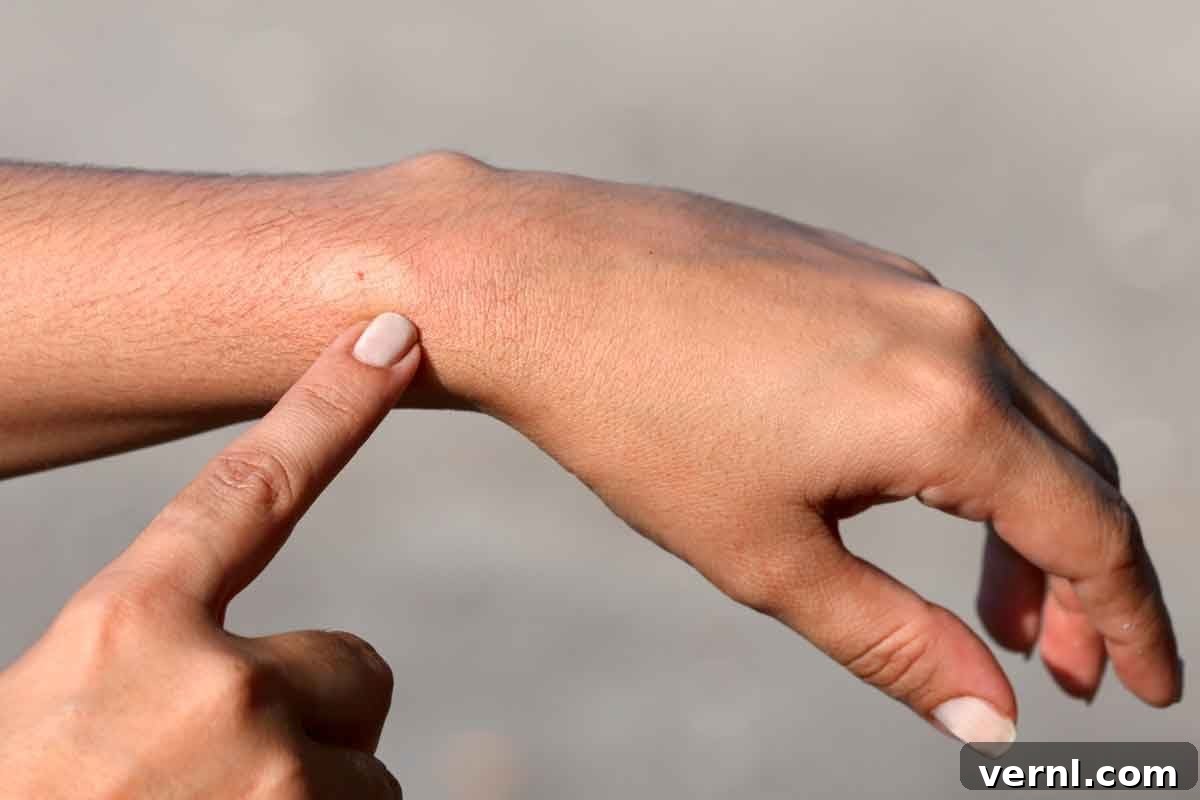
Understanding and Preventing Wasp Stings: A Comprehensive Guide
Summer is a beloved season, bringing with it opportunities for outdoor adventures, backyard barbecues, and basking in the sunshine. However, this vibrant period also marks the peak activity for various stinging insects, including the often-feared wasp. While bees play a vital role in our ecosystem, wasps can be aggressive and their stings particularly painful, sometimes even dangerous. This comprehensive guide will equip you with essential knowledge about wasps, their stings, and, most importantly, how to prevent unwanted encounters and treat stings effectively, ensuring your summer remains enjoyable and safe.
Do Wasps Sting or Bite? Deciphering Wasp Defense Mechanisms
It’s a common misconception, but wasps, like most insects, possess mandibles and can bite. These tiny jaws are primarily used for chewing food, breaking down nest materials, or capturing prey. However, when it comes to defending themselves or their nest from perceived threats, a wasp’s primary and most potent weapon is its stinger. It is this sharp, needle-like appendage that delivers venom, causing the characteristic pain and discomfort associated with a wasp encounter.
A crucial distinction sets wasps apart from many other stinging insects, particularly honeybees: a wasp’s stinger is smooth. Unlike the barbed stinger of a honeybee, which gets lodged in the victim’s skin, leading to the bee’s demise, a wasp’s stinger is designed for multiple uses. This means a single wasp can sting repeatedly if it feels threatened, injecting venom with each strike. This capability makes them potentially more dangerous, as multiple stings increase the amount of venom injected, escalating the severity of the reaction.
Beyond their stinging ability, wasps also tend to exhibit a more aggressive temperament compared to the generally docile honeybee, especially when their nest is disturbed or they are scavenging for food. This predatory nature also leads them to prey on other insects and even scavenge from human food sources, making them common nuisances at picnics and outdoor gatherings. For those who maintain backyard bee hives, wasps, particularly yellowjackets and hornets, pose a significant threat, often attacking and raiding domestic colonies for their honey and larvae.
Common Types of Wasps You Might Encounter
Understanding the different types of wasps can help in identifying and preventing potential issues:
- Yellowjackets: Often mistaken for bees due to their yellow and black markings, but are sleeker and less hairy. They are known for being highly aggressive, especially when nesting, and frequently scavenge human food and drinks. They build nests underground, in wall voids, or dense shrubs.
- Paper Wasps: Characterized by their slender bodies and long legs, they build umbrella-shaped nests suspended from eaves, branches, or other sheltered spots. They are generally less aggressive than yellowjackets but will sting if their nest is disturbed.
- Hornets: Larger and often more robust than other wasps. The European Hornet, for example, is primarily brown and yellow, while the Asian Giant Hornet (though less common globally) is much larger and more formidable. Hornets build large, papery nests, often in trees or hollow spaces, and can be quite aggressive when provoked.
Do Wasps Die When They Sting You? Dispelling the Myth
A widespread misconception is that all stinging insects perish after delivering a sting. While this holds true for honeybees, it is unequivocally false for wasps. Wasps, unlike their honey-making cousins, possess a smooth stinger that allows them to withdraw it easily from a victim’s skin. This anatomical design means a wasp can sting multiple times without harming itself, an evolutionary advantage that makes them formidable defenders and hunters.
Let’s delve deeper into the stark contrast: a honeybee’s stinger is equipped with backward-facing barbs. When a honeybee stings, these barbs act like tiny anchors, embedding the stinger firmly in the skin. As the bee attempts to pull away, the stinger, along with part of its digestive tract, muscles, and nerves, is ripped from its body, leading to the bee’s inevitable death. This sacrifice is a critical part of their colony’s defense mechanism.
In contrast, as highlighted by the Washington State Department of Health, wasps have much smaller, less pronounced barbs, or in many cases, virtually smooth stingers. This design enables them to penetrate the skin, inject venom, and then effortlessly pull out their stinger, ready for another defensive strike. Therefore, if you are stung by a wasp, it’s crucial to understand that the insect is still alive and capable of stinging again. The most prudent first step after a wasp sting is to calmly and quickly remove yourself from the immediate vicinity to prevent further attacks.
Wasp Sting Symptoms: Understanding Your Body’s Reaction
The human body’s reaction to wasp venom can vary significantly, ranging from mild, localized discomfort to severe, life-threatening allergic reactions. Recognizing the different symptoms is vital for appropriate treatment and ensuring safety.
Typical Localized Reactions (Mild Symptoms)
For most individuals, a wasp sting will result in a localized reaction at the site of the sting. These wasp sting symptoms typically include:
- Sharp, Immediate Pain: A sudden, intense, burning pain at the moment of the sting.
- Redness: The skin around the sting site will become noticeably red.
- Swelling: A raised welt or bump will form, often with a small, white mark at its center where the stinger entered the skin.
- Itching: As the initial pain subsides, the area may become itchy.
These mild reactions are generally confined to the area immediately surrounding the sting and should begin to subside within a few hours to a day. The swelling might persist for a bit longer but should gradually diminish.
Moderate Systemic Reactions
Sometimes, the reaction can extend beyond the immediate sting site or be more pronounced:
- Larger Swelling: Redness and swelling that persists or worsens for several days, often covering an area several inches in diameter around the sting.
- Mild Nausea or Vomiting: Though less common, some individuals may experience a degree of gastrointestinal upset.
- General Malaise: A feeling of being unwell or fatigued.
While uncomfortable, these symptoms are typically not life-threatening but should be monitored. If they persist or significantly worsen, medical advice may be warranted.
Severe Allergic Reactions (Anaphylaxis)
The most dangerous type of reaction to a wasp sting is an allergic reaction, known as anaphylaxis. This is a severe, rapidly progressing, and potentially life-threatening systemic reaction that requires immediate medical attention. Anaphylaxis occurs when the body’s immune system overreacts to the venom, releasing a flood of chemicals that can cause the body to go into shock. Symptoms of anaphylaxis can appear within minutes to a few hours after a sting and can include:
- Skin Reactions: Generalized hives, itching, or flushing over large areas of the body, not just at the sting site.
- Swelling: Swelling of the face, lips, tongue, or throat, which can impede breathing.
- Respiratory Distress: Difficulty breathing, wheezing, shortness of breath, a tight feeling in the chest or throat.
- Gastrointestinal Symptoms: Nausea, vomiting, abdominal cramps, or diarrhea.
- Cardiovascular Symptoms: Dizziness, lightheadedness, a sudden drop in blood pressure (leading to fainting), rapid or weak pulse, or shock.
- Neurological Symptoms: Anxiety, confusion, or a feeling of impending doom.
If you or someone near you exhibits any of these severe symptoms, particularly after a previous sting or if they have a known allergy to insect stings, immediate emergency medical attention is paramount. Check for Healthline’s signs of anaphylaxis and call emergency services (e.g., 911) without delay. Individuals with known severe allergies often carry an epinephrine auto-injector (EpiPen) and should use it as prescribed at the first sign of anaphylaxis.
What to Do When a Wasp Stings You: Effective Treatment Strategies
The appropriate wasp sting treatment hinges entirely on the severity of the reaction. While most stings can be managed at home, recognizing when professional medical intervention is necessary is crucial for safety.
First Aid for Mild to Moderate Reactions
For the typical localized pain, redness, and swelling, these steps can provide relief:
- Move to Safety: Immediately and calmly leave the area where the sting occurred to avoid further stings from the same wasp or others from its colony.
- Clean the Sting Site: Wash the affected area thoroughly with soap and water. This helps to clean the wound, remove any residual venom from the skin’s surface, and reduce the risk of infection.
- Apply a Cold Compress: To reduce swelling and numb the pain, apply a cold compress, ice pack (wrapped in a cloth), or a damp towel to the sting site for 10-20 minutes. Repeat as needed.
- Elevate the Area: If the sting is on an arm or leg, elevate the limb to help reduce swelling.
- Relieve Pain and Itching:
- Over-the-Counter Pain Relievers: Take an oral pain reliever such as ibuprofen (Advil, Motrin) or acetaminophen (Tylenol) to help manage pain.
- Antihistamines: Oral antihistamines (e.g., diphenhydramine like Benadryl, or loratadine like Claritin) can help reduce itching and swelling. Topical antihistamine creams or hydrocortisone cream can also be applied to the sting site.
- Natural Remedies: Some people find relief with home remedies like a paste made from baking soda and water, or witch hazel, though scientific evidence for their efficacy varies.
- Monitor for Worsening Symptoms: Keep a close eye on the sting site and your overall condition for the next 24-48 hours. If symptoms worsen or do not improve, consult a healthcare professional.
When to Seek Emergency Medical Attention
Immediate medical intervention is required if any signs of a severe allergic reaction (anaphylaxis) appear, or in specific other scenarios:
- Anaphylaxis Symptoms: If you or someone you’re with experiences difficulty breathing, wheezing, swelling of the face, lips, or throat, dizziness, a rapid pulse, widespread hives, or any other signs of anaphylaxis, call emergency services (e.g., 911 or your local emergency number) immediately. If an EpiPen is available and prescribed, administer it without delay.
- Multiple Stings: While a single sting may be mild, multiple stings (especially dozens or more) can lead to a toxic reaction due to a higher dose of venom, even in individuals who are not allergic. This is particularly concerning for children, the elderly, or those with underlying health conditions. Seek medical evaluation.
- Stings in Sensitive Areas: A sting inside the mouth, throat, or near the eyes can be more dangerous, as swelling in these areas can quickly obstruct breathing or impair vision. Seek medical advice.
- Infection: If the sting site shows signs of infection (increasing redness, warmth, pus, fever) a few days after the sting, consult a doctor.
Wasp Prevention: Proactive Defense for a Sting-Free Summer
After an unpleasant encounter with a wasp sting, the natural inclination is to prevent a recurrence. While you can’t entirely eliminate the presence of wasps in public spaces, there are numerous effective steps you can take to deter wasps from your home and personal space, significantly reducing the risk of stings.
Eliminating Attractants and Nest Management
Wasps are primarily attracted to food, sweet drinks, and accessible nesting sites. Addressing these factors is key to prevention:
- Secure Food and Drinks: When eating or drinking outdoors, keep all food covered and sugary beverages in sealed containers or cups with lids. Wasps are particularly drawn to uncovered sweets, sodas, and fruit. Clean up spills immediately.
- Manage Waste Properly: Use trash cans with tight-fitting lids, especially outdoors. Empty outdoor bins frequently and rinse them to prevent lingering food odors that attract wasps.
- Harvest Ripe Fruit: If you have fruit trees or berry bushes, harvest ripe produce promptly. Fallen or overripe fruit can become a major attractant.
- Protect Pet Food: Bring pet food indoors, especially after pets have finished eating, or keep outdoor pet bowls covered.
- Reduce Water Sources: Wasps need water, especially in hot weather. Repair leaky outdoor faucets, ensure bird baths are clean, and drain any standing water around your property.
- Seal Entry Points: Inspect your home for any cracks or gaps in siding, foundations, and around utility pipes. Seal these openings to prevent wasps from nesting inside wall voids or attics. Repair torn window and door screens.
Dealing with Wasp Nests
The most direct way to reduce wasp activity around your home is to address any nearby nests:
- Locate Nests Early: Periodically inspect your property, especially sheltered areas like eaves, attics, sheds, and dense shrubs, for signs of wasp nests. Early detection makes removal easier and safer.
- DIY Nest Removal (with caution): If you discover a small, easily accessible nest and are not allergic to stings, you might consider spraying the wasp nest yourself. This should be done at night when wasps are less active and inside the nest. Wear protective clothing (long sleeves, pants, gloves, face protection) and use a specialized wasp and hornet spray that can shoot a stream from a distance. Always follow product instructions carefully.
- Hire a Professional: For large nests, nests in difficult-to-reach locations (e.g., inside walls, high in trees), or if you or someone in your household has a severe allergy, it is always best and safest to hire a professional pest control service. They have the expertise and equipment to remove nests safely and effectively.
Personal Protective Measures
Beyond managing your environment, certain personal habits can help deter wasps, as recommended by the Centers for Disease Control and Prevention:
- Dress Appropriately: Wear light-colored, smooth-textured clothing. Wasps are often attracted to bright colors and floral patterns, which they associate with flowers. Covering as much exposed skin as possible with long sleeves and pants can also offer protection.
- Avoid Strong Scents: Steer clear of heavily perfumed soaps, lotions, hairsprays, and colognes when spending time outdoors. These scents can attract wasps.
- Stay Calm and Avoid Swatting: If a wasp approaches you, try to remain calm and still. Sudden movements, especially swatting, can provoke the wasp and make it more aggressive, increasing the likelihood of a sting. Slowly back away from the area if the wasp seems agitated.
- Be Mindful of Surroundings: Pay attention to where you step, especially when walking barefoot in grassy areas or near flowering plants. Check drinks before taking a sip, as wasps can crawl inside cans or bottles.
- Repellents: While common insect repellents containing DEET or picaridin are effective against mosquitoes and ticks, their efficacy against wasps is generally limited. Some natural deterrents like peppermint oil or citronella may offer some general insect deterrence when diffused, but are not reliable wasp repellents for direct personal protection.
Conclusion: Enjoying Summer Safely and Confidently
While wasps are an undeniable part of our natural environment, understanding their behavior and implementing proactive prevention strategies can significantly reduce the risk of painful and potentially dangerous encounters. By knowing the difference between a wasp and a bee, recognizing sting symptoms, being prepared with appropriate first aid, and diligently applying prevention tactics around your home, you can minimize your exposure to these stinging insects.
Summer should be a time of joy and relaxation, not anxiety over pests. With the knowledge and tips provided in this guide, you can confidently enjoy your outdoor activities, ensuring a safer and more pleasant experience for yourself and your loved ones. Stay vigilant, stay prepared, and embrace the beautiful moments of the season without the unwelcome interruption of a wasp sting.