
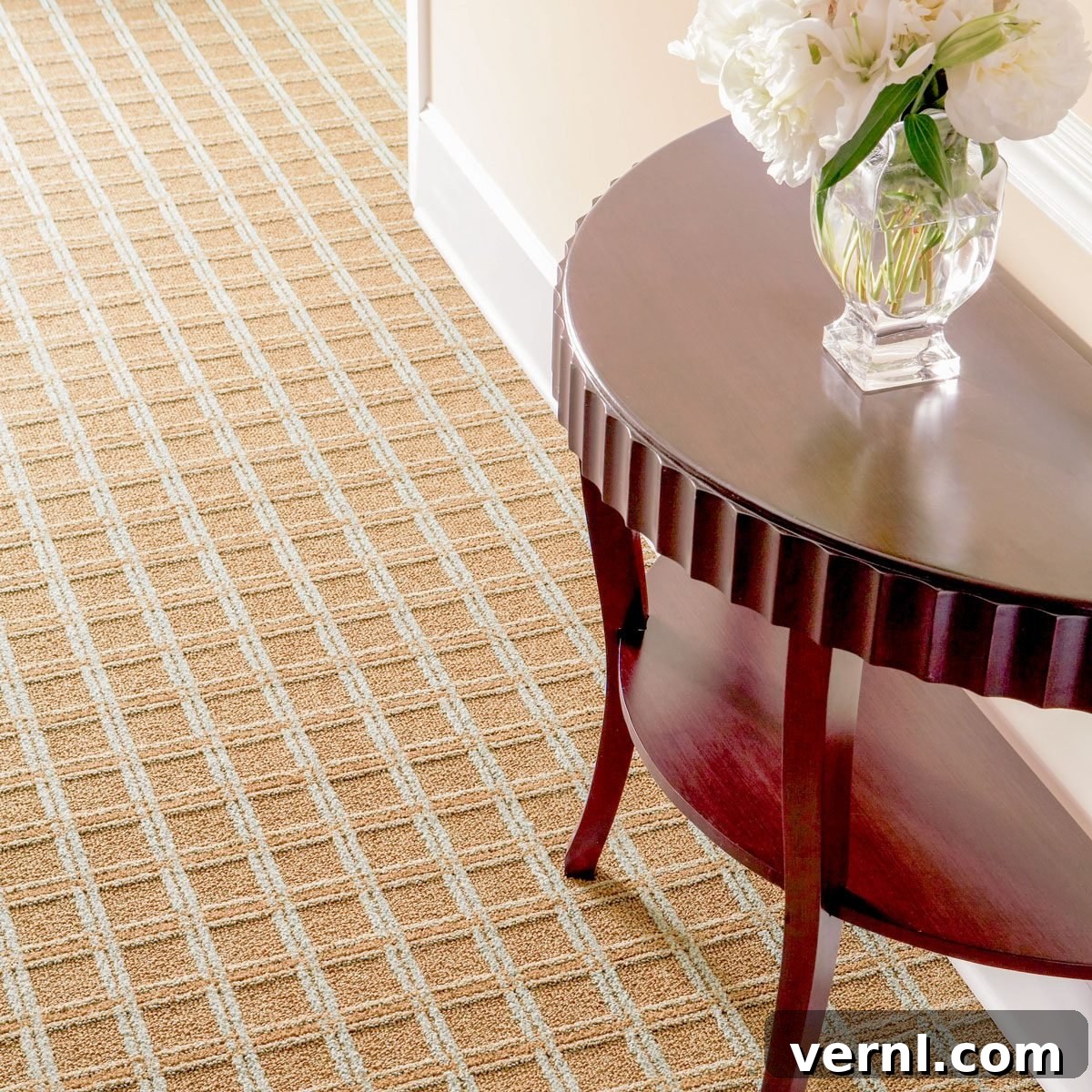
Shopping for new carpet can often feel like navigating a complex maze. Much like purchasing a new vehicle, it represents a substantial financial commitment, presents an overwhelming array of types, styles, colors, and brands, and frequently involves interactions with high-pressure sales tactics. This experience can be so daunting that many homeowners might be tempted to simply pick a basic color and style, then rely entirely on a salesperson’s recommendations. However, a little preparation can transform this potentially overwhelming task into an empowering journey, ensuring you make a confident and informed investment.
Your choice of carpeting is one of the most significant interior investments you’ll make for your home. By dedicating time to fundamental research, engaging in strategic comparison shopping, and partnering with a reputable retailer, you can gain a clear understanding of which carpet types are best suited for your specific needs. This approach will not only help you acquire carpeting that perfectly complements your home and lifestyle but also instill confidence that you’re securing a high-quality product at a fair and competitive price.
This comprehensive guide will equip you with essential background information on various carpet fibers and popular styles. We’ll delve into the critical factors that signify quality in carpeting and outline the primary considerations you should keep in mind as you embark on your new carpet shopping expedition.
Note: For the scope of this article, our primary focus will be on synthetic carpet fibers. While natural fibers such as wool offer exceptional beauty and luxury, they typically fall outside the budget constraints for most homeowners, making synthetic options a more practical and accessible choice for many.
Understanding the Diverse World of Carpet Fibers
The core material of your carpet—its fiber—is arguably the most critical factor influencing its durability, appearance, and maintenance requirements. Synthetic fibers dominate the market due offering a fantastic balance of performance, versatility, and cost-effectiveness. Let’s explore the leading synthetic options available today.
Nylon Carpet: The Industry Standard for Durability
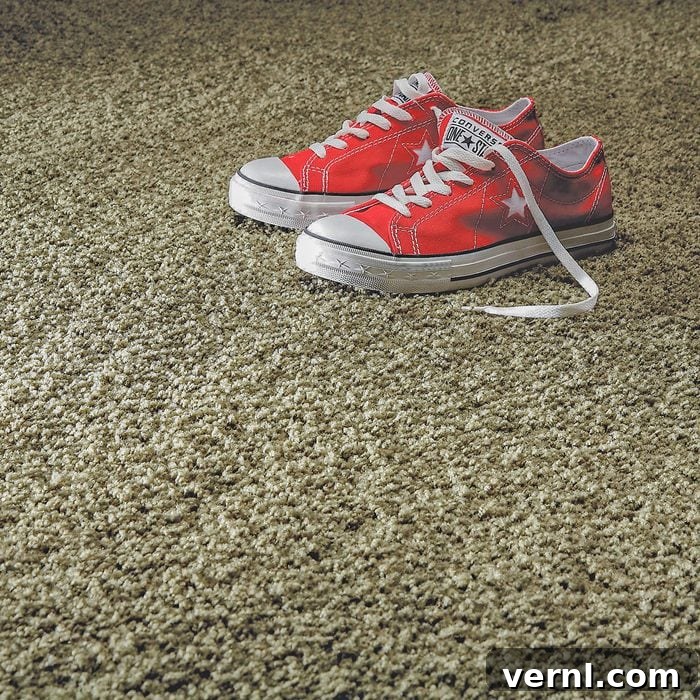
Nylon consistently outperforms most other fibers in terms of durability, resilience, and ease of maintenance, cementing its status as the most popular and versatile synthetic carpet fiber. It’s an exceptional choice for homeowners seeking a carpet that will withstand the test of time, often lasting a decade or even longer. Given its robust nature, nylon is particularly well-suited for high-traffic areas, busy households with children, and homes with pets, where spills and heavy footfall are common occurrences.
When assessing nylon carpets, look for “branded” fibers. Higher quality nylon products often feature brand names such as “100% Mohawk Nylon” or “100% Stainmaster Tactesse” prominently displayed on the carpet label. These brands signify proprietary technologies and enhanced performance characteristics, including superior stain resistance and resilience. In contrast, lower-quality, “unbranded” nylon fibers are typically listed simply as “100% nylon.” The strongest, softest, and generally most expensive variety is 6.6 nylon, known for its superior molecular structure. While nylon inherently offers good stain resistance, many branded nylons receive additional treatments to bolster this property, which may need reapplication over the carpet’s lifespan. The cost for nylon carpet typically ranges from $10 to $45 per square yard, reflecting its premium quality and long-term value.
Triexta Carpet: The Modern Stain-Fighter
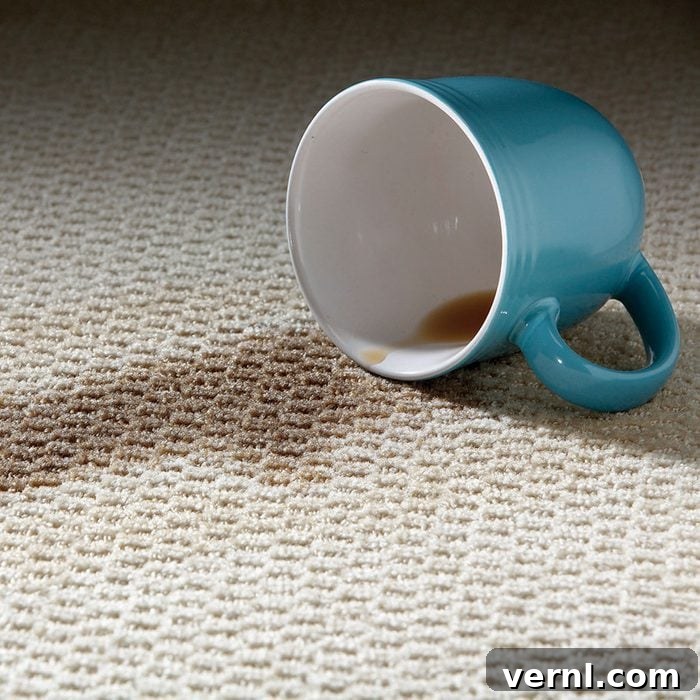
Triexta, a relatively new classification of fiber, has quickly gained popularity for its exceptional performance characteristics. It is uniquely derived partly from corn sugar, offering a more sustainable profile compared to other synthetic options. The defining feature of Triexta is its excellent, permanent anti-stain properties. Unlike nylon, which often requires topical stain protectors that can diminish over time, Triexta’s stain resistance is built directly into its molecular structure, meaning it won’t wash or wear off. This makes it incredibly easy to clean and maintain, even against stubborn spills.
Beyond its impressive stain resistance, Triexta also boasts good resilience, rivaling that of nylon in many respects. While it’s a newer fiber, early indicators suggest it offers considerable durability, though its long-term performance in extremely high-traffic areas is still being fully evaluated against nylon’s established track record. Because of its superior inherent stain resistance and robust nature, Triexta is an outstanding choice for families with young children, households with pets, or anyone looking for a low-maintenance, worry-free carpet solution. Triexta carpet typically costs between $20 and $45 per square yard, placing it in a similar price bracket to higher-end nylons, a testament to its advanced features.
Polyester (PET) Carpet: Luxurious Softness and Vibrant Colors
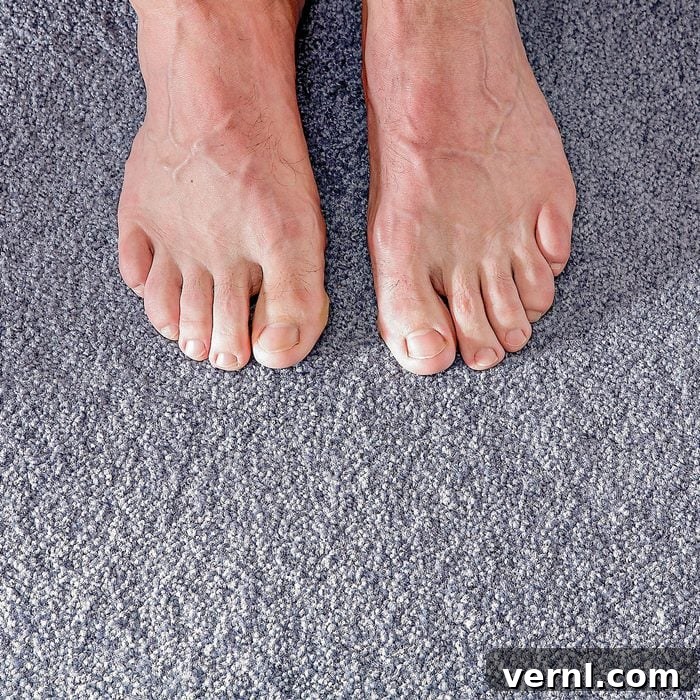
Often referred to as PET (polyethylene terephthalate), polyester carpet is celebrated for its luxurious softness and incredibly plush feel underfoot. It offers a rich, comfortable texture that makes it an appealing choice for areas where comfort is prioritized. Polyester fibers are also renowned for their ability to hold deep, vibrant colors, allowing for a wide range of aesthetic possibilities that can perfectly complement any interior design scheme. Additionally, polyester is naturally stain resistant, particularly to water-soluble stains, making spills relatively easy to clean.
However, it’s important to note that while polyester is soft and stain resistant, it typically doesn’t match the durability and resilience of nylon or Triexta, especially in terms of resisting crushing from heavy foot traffic or furniture. It can also be harder to clean certain oil-based stains and may tend to shed more initially. For these reasons, polyester is best utilized in low-traffic areas such as bedrooms, formal dining rooms, or other spaces where a soft, cushy feel is desired without the constant wear and tear of active households with kids or pets. If you enjoy exercising on your carpet or simply love sinking your toes into a soft surface, polyester offers a delightful and affordable option. Polyester carpet costs range from $8 to $18 per square yard, making it one of the most budget-friendly synthetic choices.
Olefin (Polypropylene) Carpet: The Budget-Friendly Workhorse
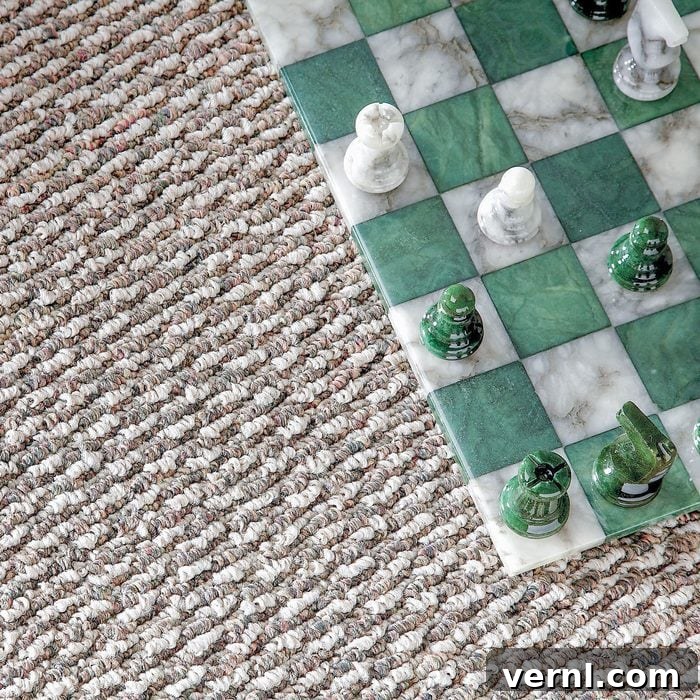
Olefin, also known as polypropylene, is an attractive and highly economical carpet fiber prized for its strength, fade resistance, and low cost. While it doesn’t possess the same level of resilience as nylon, it offers a robust performance profile that makes it suitable for specific applications. Olefin fibers are hydrophobic, meaning they naturally resist water and moisture, making them highly resistant to mildew, mold, and rot. This characteristic, combined with good static resistance, makes it an excellent choice for damp environments like basements or outdoor areas (when specifically designed for exterior use).
Olefin is most frequently manufactured into looped Berber styles with a distinctive nubby weave. This construction helps to conceal dirt and minor imperfections, making it practical for active areas. It also boasts excellent resistance to most stains, although oil-based stains can be particularly challenging to remove due to the fiber’s chemical structure. Olefin carpeting is often selected for high-traffic “clean” areas such as family rooms, play areas, and commercial settings where cost-effectiveness and durability against wear (though not crushing) are paramount. The cost for olefin carpet generally falls between $8 and $25 per square yard, offering significant value, especially for larger installations.
Exploring Common Carpet Styles
Beyond the fiber type, the way carpet fibers are cut and woven into a finished product determines its style. Each style offers a unique aesthetic, texture, and performance characteristic, influencing its suitability for different rooms and lifestyles.
Saxony Carpet: Classic Elegance for Formal Spaces
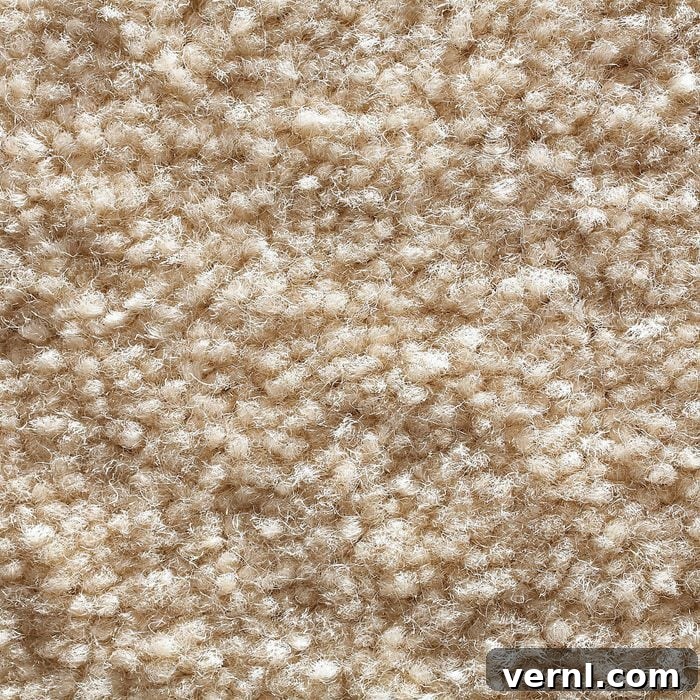
Saxony carpet, often interchangeably referred to as velvet or plush, is a classic cut-pile style characterized by its dense, uniform, and upright fibers. The result is a smooth, elegant surface that exudes formality and sophistication. Its refined appearance makes it an excellent choice for formal dining rooms, living rooms, and master bedrooms where a luxurious and polished look is desired. The soft, even texture is delightful underfoot, contributing to a sense of comfort and opulence.
However, the smooth surface of Saxony carpet also means it readily shows footprints and vacuum marks, creating a distinct pattern on the floor. Due to this characteristic and its less forgiving nature against heavy wear, it is generally not recommended for high-traffic areas or homes with active children and pets, where constant movement could quickly compromise its pristine appearance. A basic grade Saxony typically has a life expectancy of about five years, though higher quality versions with denser piles and superior fibers can last longer with proper care and in appropriate settings.
Textured Carpet: The Versatile and Practical Choice
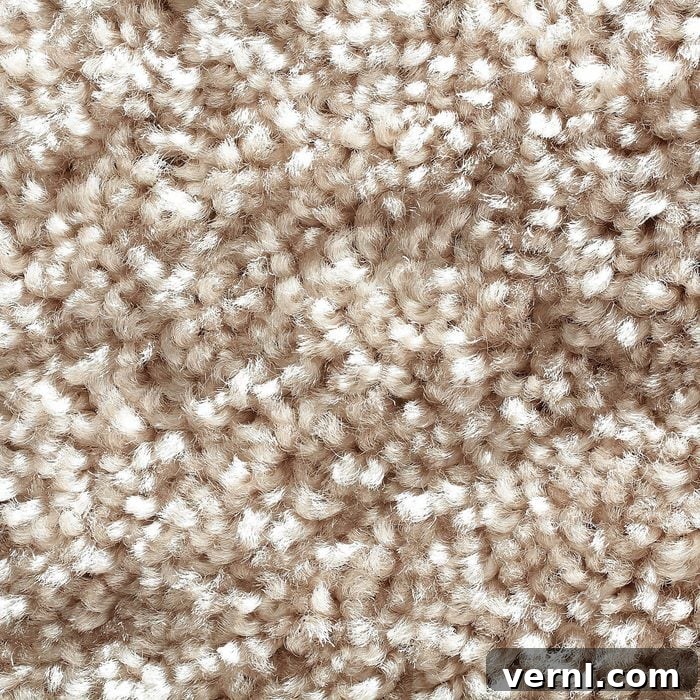
Textured cut pile carpet is a highly popular and practical style designed to camouflage everyday wear and tear. It achieves this by utilizing yarns of more than one color and varying tuft heights, creating an uneven, often subtle, two-toned surface. This textured appearance is a master at hiding dirt, debris, footprints, and vacuum marks, making it one of the best types of carpet for busy households and active lifestyles. Its informal yet attractive look blends seamlessly with a wide range of décor styles, from casual to contemporary.
The varied surface texture also contributes to its excellent durability, as the uneven fibers are less prone to crushing and matting compared to uniform cut piles like Saxony. This resilience makes textured carpet suitable for virtually any room in the house, including high-traffic living areas, hallways, and family rooms. In terms of life expectancy and cost, textured carpet is generally similar to Saxony, offering a good balance of aesthetic appeal and functional performance. It’s an ideal choice for those who desire a stylish carpet without the constant worry of maintaining a flawless surface.
Frieze Carpet: The Ultimate in Durability and Contemporary Style
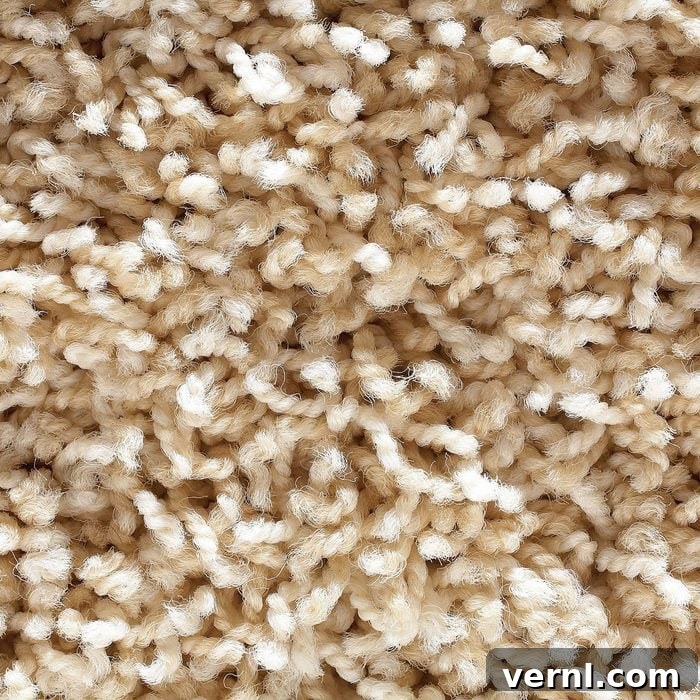
Frieze (pronounced “fri-zay”) carpet is often considered the most durable and typically the most expensive among the cut-pile styles. Its distinctive characteristic lies in its exceptionally tightly twisted, long, and often curly tufts. These highly twisted fibers create a unique, nubby texture on the surface that effectively hides footprints, dirt, and vacuum marks, similar to textured carpet but with an even greater capacity for camouflage. The individual fibers curl in different directions, creating a casual, contemporary, and often shaggy look that is both stylish and highly practical.
The inherent strength and resilience of the twisted fibers mean that Frieze carpet wears exceptionally well, significantly outperforming both Saxony and textured styles in terms of resisting crushing and matting. This makes it an outstanding choice for heavy traffic areas, commercial settings, and homes where longevity is a top priority. With proper maintenance, a high-quality Frieze carpet can last 20 years or more, representing a superb long-term investment. Its rugged beauty and enduring performance make it a favorite for busy households seeking a blend of modern aesthetics and unparalleled durability.
Sculptured (Cut-and-Loop) Carpet: Blending Durability with Visual Interest
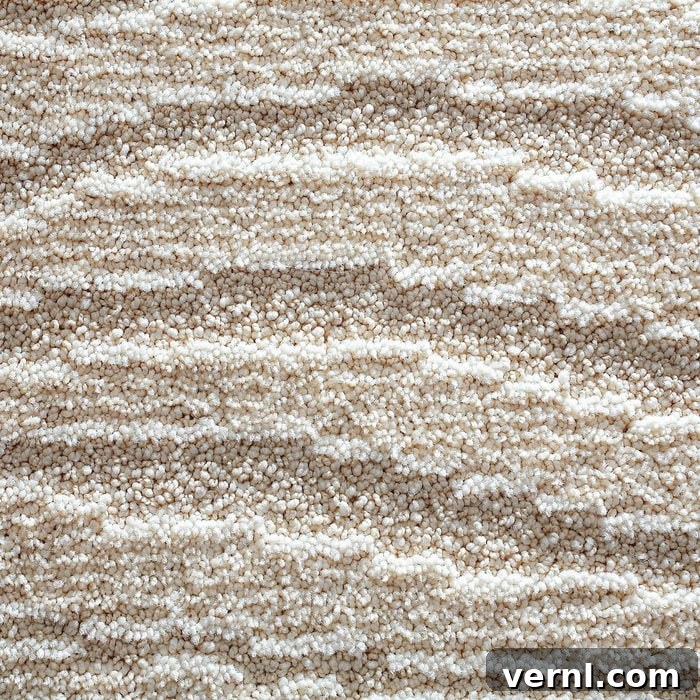
Sculptured carpet, also known as cut-and-loop, is a versatile style that combines both looped and non-looped (cut) tufts to create distinctive patterns and textures. This combination not only adds visual interest to the floor but also offers significant practical advantages. By varying the pile height and mixing cut and looped sections, sculptured carpet creates a multi-dimensional effect that is highly effective at hiding dirt, stains, and light traffic patterns. This makes it both economical and durable, offering a good balance between aesthetic appeal and functional performance.
The varied shading and texture of sculptured carpet contribute to its ability to conceal daily wear effectively, making it a suitable option for medium to high-traffic areas. While the patterns can be visually appealing, one potential drawback is that seams may be slightly more visible compared to uniform pile carpets, requiring careful installation. Prices for sculptured carpet typically start at around $6 per square yard for a 26- to 30-ounce face weight. As with all carpets, both price and durability increase with higher face-weight yarns and denser construction, allowing homeowners to select a quality level that perfectly matches their needs and budget.
Looped or Berber Carpet: Rustic Charm with Practicality
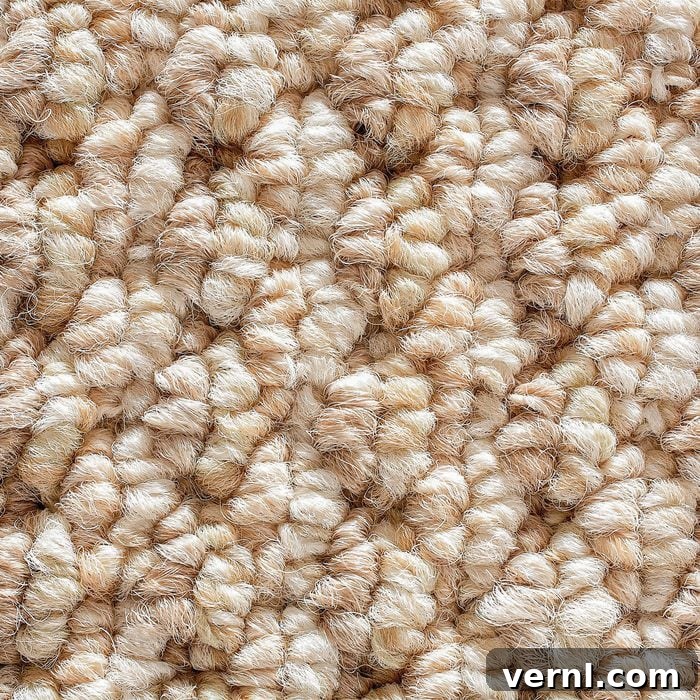
Looped carpet, most famously represented by the Berber style, is popular for its distinctive, often elegant appearance and exceptional durability. Berber carpets are characterized by continuous loops of yarn, typically larger and chunkier than traditional looped carpets, creating a textured, almost hand-woven look. Traditionally, Berbers were made from natural wool, but today, synthetic fibers like olefin and nylon are commonly used to create affordable and highly functional versions. The tight loop construction makes Berber exceptionally resistant to crushing and matting, ideal for high-traffic areas.
Within the Berber family, those with smaller, tighter loops generally wear better and are easier to maintain than large-looped Berbers. Larger loops, while providing a softer feel, can flatten down more quickly and trap dirt, making them harder to clean effectively. A significant consideration for looped carpets, particularly Berbers, is their susceptibility to snagging. If you have small children whose toys might catch on loops, or pets with claws that could pull and run the loops, this style may not be the best choice. Snags are difficult to repair and can compromise the carpet’s appearance and longevity. Despite this, for households without these specific concerns, Berber offers a handsome, durable, and distinctive flooring option.
Decoding Carpet Quality: What to Look For
When you’re faced with a salesperson highlighting “deals” or extolling the virtues of a particular carpet, remember that informed decisions stem from understanding core quality indicators. Don’t rely solely on their word; empower yourself by checking the label, feeling the carpet, and asking pointed questions about these critical signs of quality. A truly high-quality carpet isn’t just about its looks; it’s about the robust engineering beneath the surface.
Face Weight: The Foundation of Resilience
The face weight refers to the number of ounces of fiber per square yard of carpet. This metric typically ranges from 20 to 80 ounces, and it’s a direct indicator of the carpet’s material quantity. Generally, the higher the face weight, the heavier and more resilient the carpet will be. A carpet with a face weight of at least 34 to 40 ounces is often considered a good starting point for residential use, especially in areas with moderate to high traffic. More fiber means better cushioning, enhanced durability, and a greater ability to bounce back from pressure, preventing it from flattening prematurely.
Tuft Twist: The Key to Long-Term Appearance
Tuft twist is a crucial, yet often overlooked, indicator of carpet quality and longevity. It refers to the number of times the carpet fibers (tufts) are twisted together within a 1-inch length. For superior durability and to maintain the carpet’s appearance over time, look for a tuft twist of 5 or higher. Carpets with a higher tuft twist are more resistant to fraying, unraveling, and matting, which are common signs of wear. The tighter the twist, the better the fibers will hold their shape, resisting traffic patterns and retaining their original texture for years to come. This is especially important for cut-pile styles like Saxony and Textured carpets, where individual tufts are more exposed.
Density Rating: Preventing Crushing and Extending Life
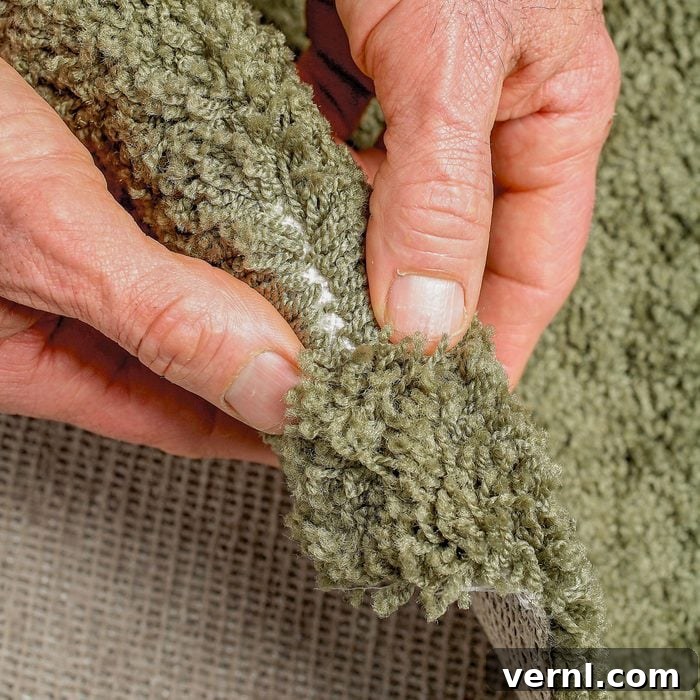
Carpet density is determined by two factors: the thickness of the fibers and how tightly packed they are into the carpet backing. A denser carpet means more fiber per square inch, which translates directly into better quality and greater resistance to crushing. To check density, bend a carpet sample backward. If you can easily see the backing through the fibers, it indicates a low-density (and therefore lower-quality) carpet that will likely flatten quickly. For good quality and resistance to crushing, aim for a density rating of 2,000 or more. High-density carpets retain their plushness and structural integrity longer, even under heavy furniture or consistent foot traffic, contributing significantly to the carpet’s overall lifespan and appearance.
BCF vs. Staple Fiber Construction: Understanding Shedding
Carpet fibers are manufactured using one of two primary constructions: Bulked Continuous Filament (BCF) or “staple” fibers. Understanding the difference can help manage expectations regarding initial maintenance. BCF fibers are long, continuous strands, which means they are less prone to shedding. Carpets made from BCF fibers typically have minimal to no shedding from the moment they are installed. Staple fibers, on the other hand, are short, cut lengths that are spun together into yarn. Consequently, carpets made from staple fibers tend to shed more, especially during the initial months after installation. While this shedding doesn’t affect the long-term quality or durability of the carpet, it does mean you’ll need to vacuum more frequently until the initial shedding period subsides, which can sometimes take up to a year. This characteristic can also be an important consideration for allergy sufferers, as shed fibers can contribute to airborne particulates.
Warranties: What They Really Mean
Many manufacturers boast impressive 15-year, 20-year, or even 25-year warranties, but it’s crucial to understand what these warranties actually cover and their practical limitations. Most warranties are “limited” and often only apply to obvious product defects, not normal wear and tear or improper installation. A key warranty to look for is a texture retention warranty of at least 10 years. This warranty covers how well the carpet fibers return to their original shape after being walked on, indicating its resilience and ability to resist matting and crushing. Salespeople often caution that even extensive warranties are seldom honored for anything less than a clear manufacturing flaw. Always read the fine print, understand the conditions (such as requiring a specific type of pad or professional cleaning), and set realistic expectations for what a warranty provides.
Mastering Your Carpet Purchase: Tips for the Best Deal
Securing the right carpet at the right price involves more than just picking a style. Strategic planning, careful comparison, and attention to detail throughout the buying and installation process can save you money and prevent future headaches.
Obtain Multiple Detailed Estimates
One common pitfall in carpet shopping is the tendency for salespeople to “overmeasure” your carpet needs, leading you to pay for excess carpet and padding you won’t use. To counteract this, it’s imperative to get at least three separate estimates from different retailers. Be transparent with each salesperson, informing them that you are gathering multiple bids, but avoid discussing specific details about other quotes you’ve received. This encourages competitive pricing without revealing your hand. Even better, consider hiring an independent carpet installer to measure your home. An independent professional provides unbiased measurements, ensuring you only pay for what you truly need.
Prioritize Expert Installation
Many common carpet problems—from unsightly seams and premature wear to buckling and ripples—stem from poor installation. A too-thin pad, inadequate stretching, or improper seaming can make even a high-quality carpet look terrible within a few years. If you know a highly recommended, independent carpet installer, or if a trusted friend can recommend one, prioritize using their services over an installer provided by the carpet dealer. An independent installer can offer unbiased advice on carpet and pad quantities, recommend reputable dealers, and manage the logistics of picking up and delivering the carpet on installation day. You can often save money on installation by removing your old carpet and pad yourself; discuss this option with your installer to determine if the savings justify the effort.
Demand a Transparent Cost Breakdown
To avoid being overcharged, insist on an individual price quote for every aspect of the job. This should include separate line items for the carpet material, padding, delivery fees, installation labor, transition metal pieces (if needed), furniture moving, stair installation, and the removal and disposal of your old carpet and pad. Receiving only an overall “job total” makes it easy for retailers to inflate costs or bundle in hidden fees. A detailed breakdown allows you to compare quotes accurately and challenge any questionable charges.
Oversee Installation Day
Your presence on installation day is crucial. Before the crew arrives, ensure you have a sample of both the carpet and the pad you ordered. When the materials are delivered, immediately compare them with your samples. Unfortunately, some less reputable retailers have been known to deliver lower-quality padding or carpet than what was paid for. Being present and vigilant can prevent such discrepancies, ensuring you receive exactly what you invested in.
Choosing the Right Carpet Pad: An Unsung Hero
The carpet pad, often hidden and overlooked, plays a monumental role in the life and performance of your carpet. Its quality is determined by density, not merely thickness. The correct pad will significantly extend your carpet’s life, while the wrong one can cut it in half, leading to premature wear and voiding warranties.
Density Over Thickness
For residential applications, a good-quality pad should be 3/8 to 1/2 inch thick and have a density/weight rating of at least 6 lbs. (pounds per cubic foot). Thicker isn’t always better; excessive thickness can cause carpet to stretch and wear unevenly. Density, however, directly correlates to how well the pad supports the carpet and absorbs impact, protecting the fibers from crushing. Cheap, low-density pads compress quickly, offering little support and often needing replacement within a few years. For high-traffic areas, consider a slightly thinner pad (e.g., 3/8 inch) with a higher density of 8 lbs. or more, as this provides firm, long-lasting support.
Types of Pads and Warranty Considerations
Different types of padding are available, including urethane foam (the most common), rubber, and felt. Each offers varying levels of support and insulation. Always check your carpet’s warranty documentation before purchasing padding. Some carpet manufacturers require a specific type or density of pad to maintain the warranty, especially for specialized installations like carpet over heated floors. Failing to use the specified pad could render your warranty invalid, leaving you unprotected against potential issues.
DIY vs. Professional Carpet Installation: Weighing Your Options
Deciding between installing carpet yourself or hiring professionals involves considering factors such as cost, skill level, time commitment, and desired results.
The DIY Approach: Cost Savings and Personal Satisfaction
DIY carpet installation presents a compelling, cost-effective option for those who are skilled in home improvement and possess a meticulous eye for detail. This route can significantly reduce overall project expenses by eliminating labor costs, offering a substantial financial incentive. Beyond the monetary savings, undertaking the installation yourself can foster a profound sense of accomplishment and allow for a high degree of customization, ensuring every aspect meets your personal specifications. However, this path demands a considerable investment of time, patience, and the acquisition of specialized tools (e.g., knee kicker, power stretcher, seam iron). Potential pitfalls include visible seams, improper stretching (leading to buckling), and inaccurate cuts, which can compromise the carpet’s appearance and longevity. While rewarding, DIY installation is best suited for those with prior experience or a strong willingness to learn and commit to precision.
Professional Installation: Expertise, Efficiency, and Peace of Mind
Conversely, opting for professional carpet installation ensures a level of expertise and efficiency that is difficult for most DIYers to match. Professional installers bring years of experience, specialized training, and proprietary tools to the job, guaranteeing precise measurements, flawless seams, and correct stretching techniques. This approach spares homeowners from the potential errors and frustrations associated with DIY attempts, ensuring optimal longevity and a pristine appearance for their new carpet. Furthermore, professional installations often come with warranties on the workmanship, providing an additional layer of protection and peace of mind. While the upfront cost is higher, the long-term benefits of a perfectly installed carpet, free from common issues, often outweigh the initial expense.
Making the Informed Choice
Ultimately, the choice between DIY and professional installation hinges on your individual skill level, available time, budget, and desired outcome. While DIY projects can save money, they may lack the finesse, speed, and comprehensive warranty that professional installers provide. For optimal results, especially with expensive carpet, complex layouts, or in high-traffic areas, professional installation is generally recommended. If you’re considering DIY, make sure to thoroughly research the process, gather the necessary tools, and be prepared for a challenging but potentially rewarding endeavor. Also, learn how to restretch a carpet if you notice ripples forming over time, a common issue that can be addressed.