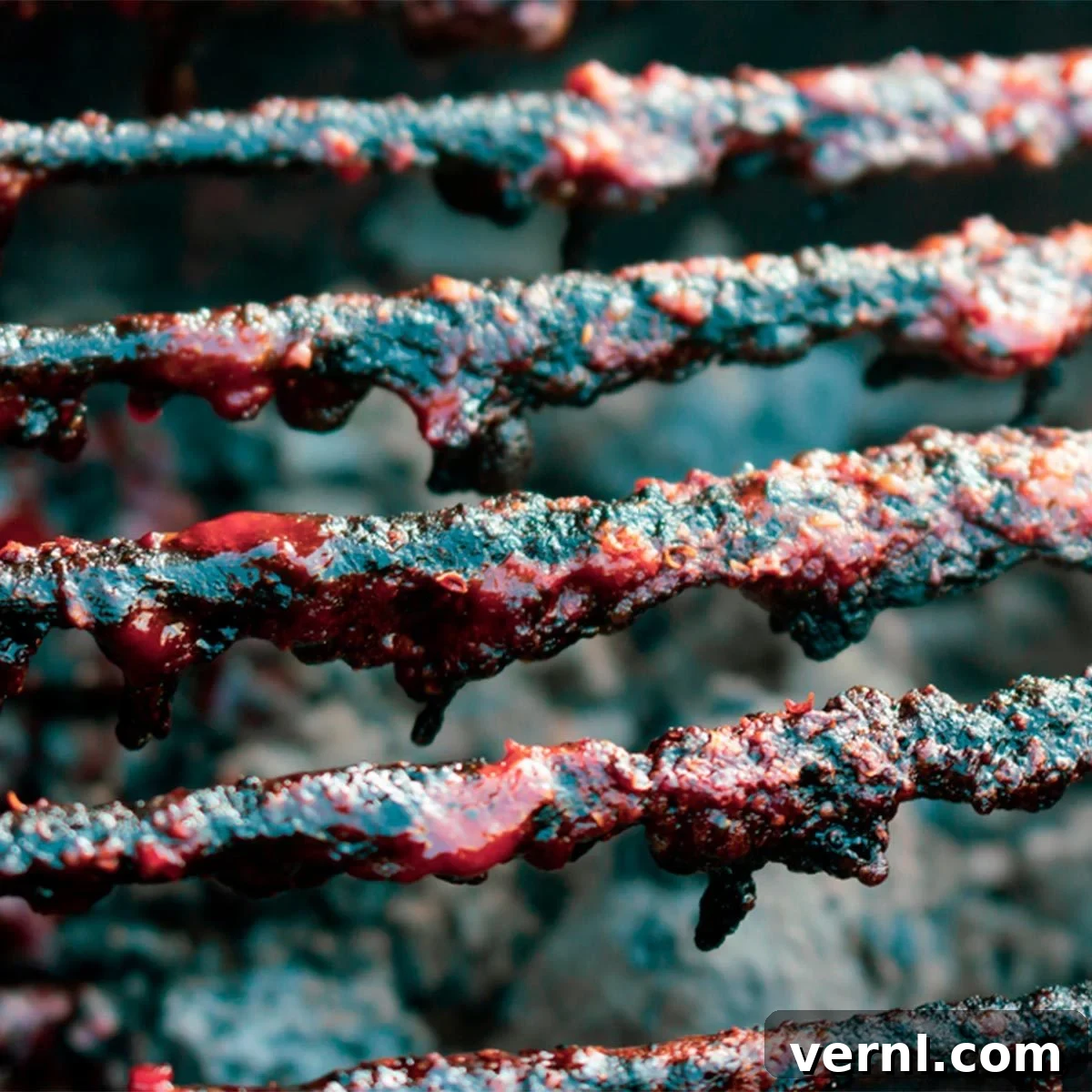
Maintaining a clean grill is paramount, whether you’re a seasoned pitmaster or an occasional weekend griller. The build-up of charred food, grease, and carbon not only impacts the flavor of your delicious meals but can also pose significant health risks. Imagine perfectly seared steaks or succulent vegetables tainted by last night’s residue – it’s unappetizing at best, and potentially harmful at worst. This crucial understanding of cleanliness is why professional chefs meticulously tend to their cooking surfaces, a practice that has long relied on the simple yet incredibly effective grill brick.
Affordable, remarkably easy to use, and offering unparalleled cleaning power, grill bricks have maintained their popularity for decades, particularly among home grilling enthusiasts. They stand out as a safer, more hygienic alternative to traditional wire grill brushes, which have raised health concerns due to shedding bristles. But what exactly is a grill cleaning brick, and what attributes contribute to its enduring reputation as the go-to solution for a spotless grill?
Plus, discover an essential grilling hack for perfectly juicy burgers:
What Is a Grill Brick? The Secret to a Pristine Grill
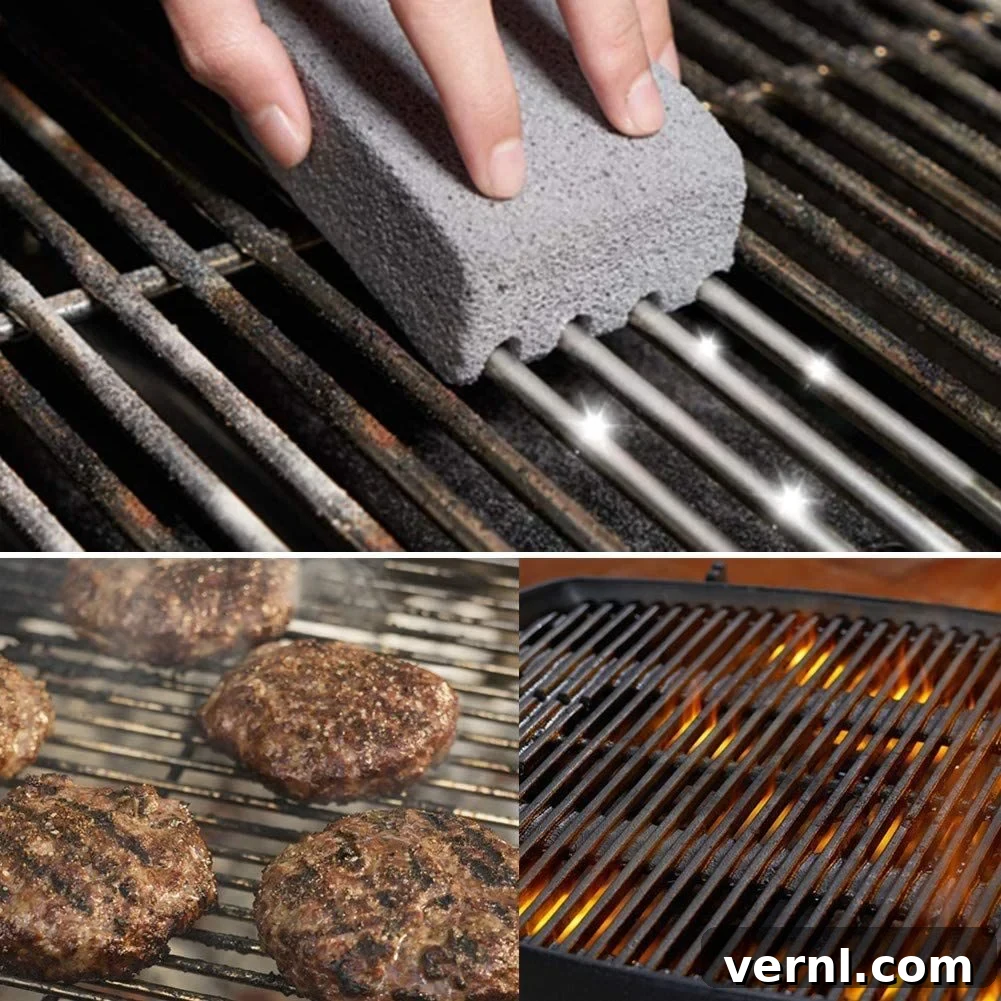
At its core, a grill brick is a compact, rectangular block predominantly composed of pumice stone – a lightweight, porous volcanic rock. These ingenious cleaning tools are specifically designed to effortlessly strip away stubborn grease, caked-on food particles, and carbon buildup from virtually all types of grills and griddles. Unlike harsh chemical cleaners or abrasive metal tools, the inherent properties of pumice make it uniquely suited for the demanding task of keeping your grill clean.
The magic of a grill brick lies in its mild abrasive quality. As you apply gentle pressure and move the brick across your cooking surface, the pumice stone gradually breaks down into a fine, powdery grit. This fine grit acts as a powerful, yet non-scratching, scouring agent. It effectively dislodges even the most heavily stuck-on food and greasy grime with minimal physical effort, all while preserving any non-stick coatings or the integrity of your grill grates. This self-cleaning, self-sharpening action ensures that you always have a fresh abrasive surface to work with, making each cleaning session as effective as the last.
For more comprehensive grill maintenance, you might also be interested in learning how to properly dispose of your old gas grill responsibly.
Are Grill Bricks Toxic? Addressing Safety and Environmental Concerns
One of the most compelling advantages of grill bricks, and a key factor in their widespread appeal, is their complete safety and eco-friendliness. The answer to whether they are toxic is a resounding “No.” Grill bricks are crafted from all-natural pumice stone, making them inherently non-toxic and environmentally benign. This means you can use them with complete peace of mind, knowing that no harmful chemicals or residues will transfer to your food or leach into the environment.
Furthermore, their sustainability factor is noteworthy. Grill bricks can be reused multiple times before they eventually wear down. Once fully depleted, they can be discarded without any adverse impact on the environment, as pumice is a natural mineral. This stands in stark contrast to many synthetic cleaning products that contribute to landfill waste and chemical pollution.
Perhaps the most significant safety benefit, however, comes from comparing grill bricks to traditional wire grill brushes. Wire brushes, despite their widespread use, pose a serious health hazard due to the risk of metal bristles breaking off and potentially lodging in food, leading to severe internal injuries if ingested. Grill bricks eliminate this risk entirely. They won’t shed tiny pieces of metal, nor will they become clogged with layers of grease and carbon, which can harbor bacteria and impart foul odors to subsequent meals. This makes grill bricks a far more sanitary, safer, and ultimately superior alternative to wire brushes and other metallic grill cleaning tools, prioritizing both your health and the longevity of your grilling equipment.
How to Use a Grill Brick: A Step-by-Step Guide for Optimal Cleaning
Using a grill brick effectively is straightforward, promising a sparkling clean surface with minimal effort. While they can be used on a cold grill, grill bricks often work best on a surface that is slightly warm to the touch, as the gentle heat helps to loosen stubborn grime. Always ensure the grill is not scorching hot to prevent injury and allow for easier handling of the brick.
Cleaning Grill Grates:
- Preparation: Ensure your grill is turned off and has cooled down to a manageable temperature. If desired, you can lightly dampen the grill brick or the grates with a small amount of water to create a paste-like abrasive, which can enhance cleaning power, especially for extremely stubborn spots.
- Initial Pass: Place the grill brick flat on the cooking surface. Using light to moderate pressure, begin rubbing the brick back and forth along the grates. As you do this, the soft pumice will conform to the shape of the grates, creating distinct grooves in the brick itself.
- Align and Clean: After the initial pass, lift the grill brick slightly and align the newly formed grooves with the next set of grates or the adjacent dirty area. This ensures maximum contact and efficient cleaning. Continue moving the brick back and forth, working your way systematically across the entire grate surface.
- Repeat and Refresh: As the brick wears down, a fresh, abrasive surface is continually exposed, maintaining consistent cleaning efficacy. Continue until all grates are thoroughly cleaned.
- Final Rinse/Wipe: Once you’ve completed cleaning, it’s crucial to remove any residual pumice dust. You can do this by rinsing the grates with water or wiping them down thoroughly with a damp cloth or several wet paper towels. This ensures a clean, residue-free surface ready for your next cookout.
Cleaning a Griddle:
Cleaning a flat griddle surface is even simpler and quicker. Just align one edge of the grill brick flush with one side of the griddle. Apply light to moderate pressure and push the grill brick back and forth, working your way from top to bottom across the griddle surface. Systematically move the brick from one side to the other until the entire griddle is clean. Finish by rinsing the griddle surface to remove any pumice dust, leaving it pristine.
A single grill brick is surprisingly durable, capable of providing half a dozen or even more thorough cleanings, depending on the size of your grill and the extent of the grime. However, due to its abrasive nature, each use will cause the brick to wear down, eventually necessitating replacement. While this might seem like an added cost, if you purchase grill bricks in bulk, their cost-per-use often rivals or even surpasses the annual cost of continually replacing wire grill brushes, which tend to clog, degrade, and become unsafe much faster. Investing in grill bricks is an investment in long-term grill hygiene and safety.
Where to Buy Grill Bricks: Finding Your Essential Cleaning Tool
Finding grill bricks is a straightforward task, as they are a widely available and popular grilling accessory. You can typically find them wherever grill accessories are sold, making them accessible to virtually every grill owner. Common retail locations include local hardware stores, home improvement centers, and specialty barbecue shops. For unparalleled convenience and a wider selection, online retailers are an excellent option, offering various brands, sizes, and bulk purchasing opportunities.
When selecting your grill bricks, consider the size of your grill or griddle. Small grill bricks are ideal for standard home grills and are easy for anyone to handle, offering good maneuverability for cleaning intricate grate patterns. However, if you own a large commercial-style grill or a expansive flat-top griddle, you might opt for a set of larger grill bricks. These bigger bricks cover more surface area with each pass, significantly speeding up the cleaning process and reducing the effort required.
For enhanced safety and comfort, especially when cleaning a warm or hot grill or griddle, a larger grill brick is often preferable. While pumice is heat-resistant, you should always protect your hands. Consider using a sturdy grill mitt or wrapping a thick towel around the brick to shield your hands from the heat. An even better solution for frequent use is to purchase a dedicated grill brick holder. These holders are designed to securely attach to the brick, often with adjustable screws or clamps, providing a comfortable handle and keeping your hands well away from hot surfaces and grime, making the cleaning process safer and more ergonomic.
Benefits of Using Grill Bricks: Why They’re a Must-Have
The popularity of grill bricks isn’t just a trend; it’s rooted in their undeniable advantages:
- Unmatched Safety: This is arguably the most critical benefit. Unlike wire brushes, grill bricks eliminate the risk of dangerous metal bristles breaking off and contaminating your food, protecting you and your family from serious health hazards.
- Superior Cleaning Power: The unique abrasive nature of pumice effectively cuts through tough grease and charred residue without scratching or damaging your grill grates, even on delicate surfaces.
- Eco-Friendly and Non-Toxic: Made from natural volcanic rock, grill bricks are chemical-free, non-toxic, and biodegradable, making them a responsible choice for both your health and the environment.
- Hygienic: Grill bricks don’t absorb grease, food odors, or carbon. They wear down with each use, continuously exposing a fresh, clean abrasive surface, preventing bacterial buildup common in wire brushes.
- Cost-Effective: While an initial purchase, the longevity and effectiveness of a single grill brick, especially when bought in packs, often makes it a more economical long-term solution than frequently replacing less durable and less safe cleaning tools.
- Versatile Use: Suitable for a wide range of grill types, including stainless steel, cast iron (with proper re-seasoning), and rolled steel, they are a universal tool for various outdoor and indoor cooking surfaces.
Grill Brick vs. Other Cleaning Methods: A Clear Comparison
Understanding why grill bricks stand out requires a brief comparison with other common grill cleaning methods:
- Wire Brushes: While ubiquitous, they pose significant safety risks due to bristle shedding. They also tend to rust, become greasy, and harbor bacteria over time. Grill bricks offer a safer, more hygienic, and often more effective alternative.
- Metal Scrapers: Good for removing large chunks of buildup, but can easily scratch delicate surfaces or non-stick coatings if not used carefully. They are also less effective at removing fine carbon layers.
- Chemical Cleaners: While powerful, they often contain harsh chemicals that require careful rinsing to prevent food contamination. They can also be environmentally unfriendly and may leave unpleasant residues or odors. Grill bricks are chemical-free.
- Natural Alternatives (Onions/Lemons): These can add flavor and provide some cleaning action for light grime, but they are largely ineffective against heavy carbon buildup and are not designed for deep cleaning.
For deep, safe, and effective cleaning without compromise, grill bricks consistently emerge as the superior choice.
FAQs: Your Grill Brick Questions Answered
Will a grill brick wear down over time?
Yes, absolutely. The nature of pumice stone, being a soft yet effective abrasive, means that it will gradually crumble and wear down as you rub it back and forth on your grill grates or griddle. This wearing action is precisely what makes it so effective – it continuously exposes a fresh, abrasive surface for optimal cleaning. Think of it as a self-sharpening cleaning tool. If you’re an avid griller and clean your surfaces frequently, it’s a smart idea to purchase several grill bricks at once. This ensures you always have a replacement handy, so you never have to compromise on the cleanliness of your cooking surface.
What types of grills can I use a grill brick on?
Grill bricks are remarkably versatile and are best suited for a variety of popular grill and griddle types. They excel on stainless steel commercial indoor and outdoor grills, as well as on griddles made from similar materials. They are also highly effective for rolled steel grills, but like cast-iron frying pans, these surfaces will require periodic re-seasoning after a thorough cleaning with a grill brick. This re-seasoning helps to forestall rust formation and ensures that food does not stick to the surface during cooking.
Important Caution: It is crucial to avoid using grill bricks on ceramic griddles or any cooking surface that features a non-stick coating. The abrasive action of the pumice, even though mild, will inevitably wear off and damage these delicate non-stick layers, rendering them ineffective and potentially unsafe.
How often should I clean my grill with a grill brick?
For optimal hygiene and performance, it’s recommended to give your grill a light clean with a grill brick after every use, once it has cooled down slightly. A deeper, more thorough cleaning should be performed every few weeks or before major grilling events to prevent heavy build-up and maintain peak efficiency.
Can I use water with my grill brick?
Yes, you can! For particularly stubborn spots or heavy carbon build-up, lightly dampening the grill grates or the grill brick itself with a little water can create a more abrasive paste. This can enhance the cleaning power and help lift grime more effectively. Just be sure to wipe or rinse off all residue afterwards.
Do grill bricks remove rust?
While grill bricks are excellent for removing food residue, carbon, and light surface discoloration, they are generally not designed for heavy rust removal. For significant rust, you might need a dedicated rust remover or a more aggressive abrasive, followed by thorough re-seasoning if it’s a cast iron or rolled steel surface.
Maintaining a clean grilling surface is more than just an aesthetic choice; it’s a commitment to healthier, tastier food and safer cooking practices. Grill bricks offer a time-tested, effective, and environmentally conscious solution that stands head and shoulders above many alternatives. Embrace the simplicity and power of a grill brick, and enjoy a consistently spotless grill, ready for your next culinary adventure.
Sources:
American Medical Association: AMA cautions about health risks from wire-bristle grill brushes; (2018)