The Retail Reckoning: Understanding the Unprecedented Wave of Store Closures and Private Equity’s Impact
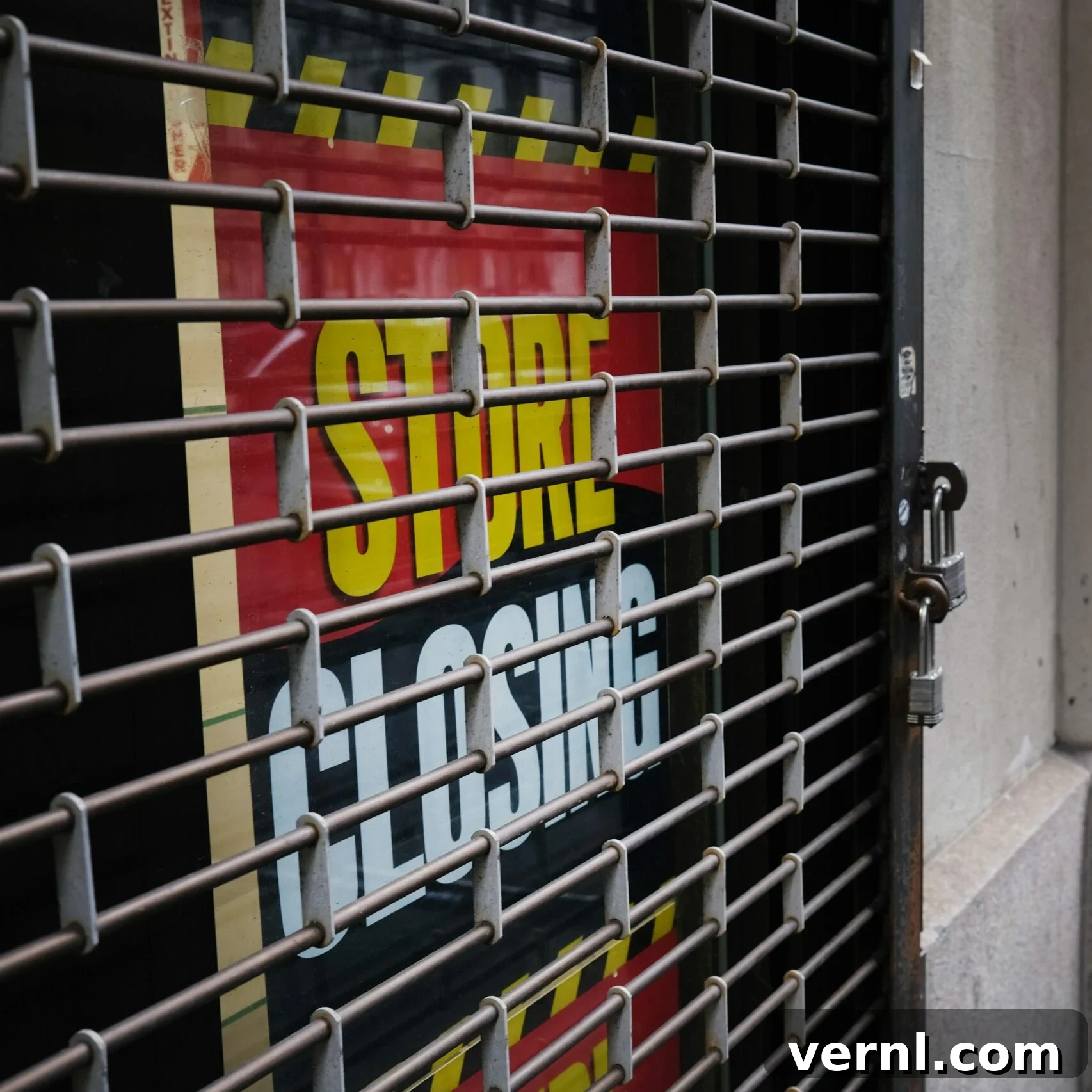
The landscape of American retail is undergoing a profound and unsettling transformation. What many observed as a trickle of store closures in recent years has escalated into an undeniable flood, signaling a deep-seated shift within the industry. While 2024 saw numerous retailers publicly announce they were closing stores nationwide, the outlook for 2025 is even grimmer. Projections indicate a staggering nearly 15,000 retail locations across various sectors are expected to shut their doors this year alone. This figure represents an alarming 334% increase in store closures, far surpassing previous years and leaving many communities and consumers reeling.
The headlines have brought some of these significant announcements to the forefront, with iconic names like JoAnn Fabrics among those facing widespread closures. However, without diligently tracking every corporate bankruptcy filing and asset liquidation, the true magnitude of this retail exodus often goes unnoticed. The sheer volume of businesses, from niche boutiques to established chains, that are either filing for bankruptcy or strategically divesting their physical footprints, paints a stark picture of an industry under immense pressure. Some closures stem from straightforward bankruptcy proceedings, while others, such as the widely publicized situation at Joann Fabric’s, involve a series of filings as companies systematically sell off their brick-and-mortar assets in an attempt to restructure or liquidate.
A Troubling Trend: The Escalation of Retail Bankruptcies
This unprecedented surge in retail store closures is not merely a consequence of evolving consumer habits or the rise of e-commerce, though these factors certainly play a role. The scale and speed of these shutdowns point to more systemic issues impacting the financial health and long-term viability of countless businesses. Beyond the immediate economic impact, the closure of stores represents a significant loss for communities, often leaving behind vacant storefronts, reducing local employment opportunities, and diminishing consumer choice.
For decades, many of these retailers were considered mainstays, symbols of stability and convenience in their respective markets. Their sudden or gradual disappearance challenges the conventional understanding of retail resilience and sparks crucial questions about the underlying forces driving this dramatic contraction. It begs an essential question: why are so many stores closing, and why is this trend accelerating at such an alarming rate?
The Elephant in the Room: Private Equity’s Disproportionate Influence
When major corporate bankruptcies capture the public’s attention, conversations often drift towards the role of private equity firms. While such discussions might sometimes be dismissed as mere speculation, a closer examination of the data reveals a compelling and deeply concerning pattern. The involvement of private equity in these widespread financial distress cases is not just a theory; it is a statistically verifiable reality with profound implications for the future of the retail sector and the broader economy.
Unpacking the Private Equity Stakeholder Project’s Findings
A recent and comprehensive Bankruptcy Tracker Report published by the Private Equity Stakeholder Project (PESP) casts a revealing light on this issue. Their research uncovered a startling fact: private equity firms are disproportionately over-represented in corporate bankruptcy cases across the United States. To put this into perspective, these firms collectively account for approximately 6.5% of the entire U.S. economy. Yet, according to the PESP report, private equity-owned companies were involved in a disproportionate 11% of all corporate bankruptcy filings. The situation becomes even more stark when the lens is narrowed to large corporate bankruptcies, where private equity firms were implicated in an astounding 56% of cases. These figures are not just statistics; they represent a significant red flag, indicating a systemic issue far beyond mere coincidence.
The “Short-Sighted Business Model”: A Recipe for Retail Disaster
The PESP report doesn’t just highlight the problem; it also offers a compelling explanation for private equity’s pervasive involvement in these corporate failures. The report asserts that these firms often operate under a “short-sighted business model” fundamentally geared towards rapid returns rather than sustainable growth. Specifically, it argues: “The private equity model prefers short-term profits and rapid value extraction over the long-term stability of the companies in their portfolios.” This fundamental focus on immediate financial gains, often at the expense of strategic long-term planning, can precipitate a cascade of negative consequences that ultimately lead to economic instability and bankruptcy.
To achieve these rapid returns, private equity firms frequently employ aggressive financial tactics:
- Leveraged Buyouts (LBOs): A common strategy involves acquiring companies using a substantial amount of borrowed money. This debt is then typically loaded onto the acquired company’s balance sheet, creating an immediate and often unsustainable financial burden. The interest payments alone can cripple a company’s cash flow, making it difficult to invest in growth or weather economic downturns.
- Aggressive Cost-Cutting: To improve short-term profitability, private equity owners often implement drastic cost-cutting measures. This can include widespread layoffs, reducing employee benefits, deferring essential maintenance on physical stores and infrastructure, and even compromising on product quality or customer service standards. While these actions might boost quarterly earnings, they erode the company’s long-term value, customer loyalty, and operational efficiency.
- Asset Stripping and Sales: In some instances, private equity firms may sell off valuable company assets, such as prime real estate holdings or profitable brand divisions, for quick cash. While generating immediate returns for investors, this often leaves the core business weakened, less diversified, and more vulnerable in a competitive market.
- Dividend Recaps: Another contentious practice involves issuing large dividends to private equity owners and their investors, often funded by taking on even more debt. This further siphons cash out of the company, leaving it with less capital for reinvestment, innovation, or debt repayment, thereby accelerating its financial decline.
These tactics, while legal, prioritize shareholder value extraction over operational health. This relentless pursuit of short-term gains means crucial investments in areas like technological upgrades, supply chain optimization, employee training, and customer experience—all vital for modern retail survival—are often neglected. The result is a company that is heavily indebted, understaffed, technologically stagnant, and ill-equipped to compete, ultimately paving its path towards bankruptcy.
Beyond the Balance Sheet: The Broader Economic and Social Consequences
The impact of private equity-driven store closures extends far beyond financial statements and investor returns. The human and societal costs are significant and multifaceted:
- Job Losses: Each store closure represents not just a lost business, but lost jobs—from sales associates and managers to regional support staff. These layoffs affect individuals, families, and local economies, often leaving former employees scrambling to find new employment in challenging markets.
- Community Impact: Empty storefronts, particularly in shopping malls and town centers, can become symbols of economic decline. They reduce foot traffic, deter other businesses, and diminish the vibrancy of a community. Local governments also suffer from reduced property and sales tax revenues, impacting public services.
- Reduced Consumer Choice and Market Concentration: As more retailers disappear, consumers are left with fewer options. This can lead to less competition, potentially resulting in higher prices, lower quality products, and a less diverse retail landscape. The loss of unique brands also erodes the cultural fabric of shopping.
- Erosion of Trust: The perception that established companies are being dismantled for quick profits can foster public distrust in corporate practices and the broader financial system, questioning the ethical implications of such business models.
Navigating the Future of Retail: Challenges and Potential Solutions
The reality is that private equity firms are deeply embedded in the modern economic fabric and are unlikely to disappear overnight. As long as their current business models remain largely unchecked and focused on rapid, short-term returns, it is incredibly likely that more and more major retailers will continue to declare bankruptcy and close their doors. This cycle of acquisition, debt-loading, cost-cutting, and eventual collapse contributes not only to widespread layoffs but also to the erosion of familiar retail brands—stores that many consumers genuinely believed would endure indefinitely.
Addressing this systemic issue will require multifaceted approaches. This could include increased regulatory scrutiny on leveraged buyouts and dividend recapitalizations, advocating for more transparent reporting requirements for private equity-owned entities, and a fundamental shift in investment philosophy towards long-term sustainability. Until private equity changes its business models or faces more significant oversight in these critical industries, these firms will continue to contribute to job losses and the closure of stores that once seemed like permanent fixtures in our communities. The ongoing retail reckoning serves as a powerful reminder of the delicate balance between profit generation and sustainable economic health.
Sources
Private Equity Bankruptcy Tracker, Private Equity Stakeholder Project, 2025.
Joann is closing all of its remaining stores and going out of business, CBS News, 2025.