The Unprecedented Rise of Home Spending: A Deep Dive into 2020’s Residential Revolution
The year 2020 will forever be etched in history as a period of profound global change, and for many, this transformation began right at home. Dubbed “The Year of the Home” by leading industry authority Home Advisor, this designation wasn’t merely symbolic; it was powerfully underscored by groundbreaking shifts in consumer behavior and expenditure. A comprehensive survey released by Home Advisor provides compelling statistics to illustrate this monumental trend, revealing an unprecedented prioritization of the domestic sphere that impacted nearly every household across the nation.
According to the survey’s extensive findings, the average household spending on home services across the United States surged to a remarkable $13,138 in 2020. This figure represents an astonishing $4,000 increase compared to the previous year, signaling a significant redirection of financial resources and attention towards enhancing and maintaining living spaces. This dramatic uptick wasn’t just a marginal adjustment; it signified a fundamental recalibration of household budgets and priorities, reflecting a collective recognition of the home’s elevated role in daily life amidst unforeseen circumstances. The home, for many, transformed from a mere dwelling into a multi-functional sanctuary, necessitating greater investment to meet its expanded responsibilities.
Understanding the Allocation: Where Did the Money Go?
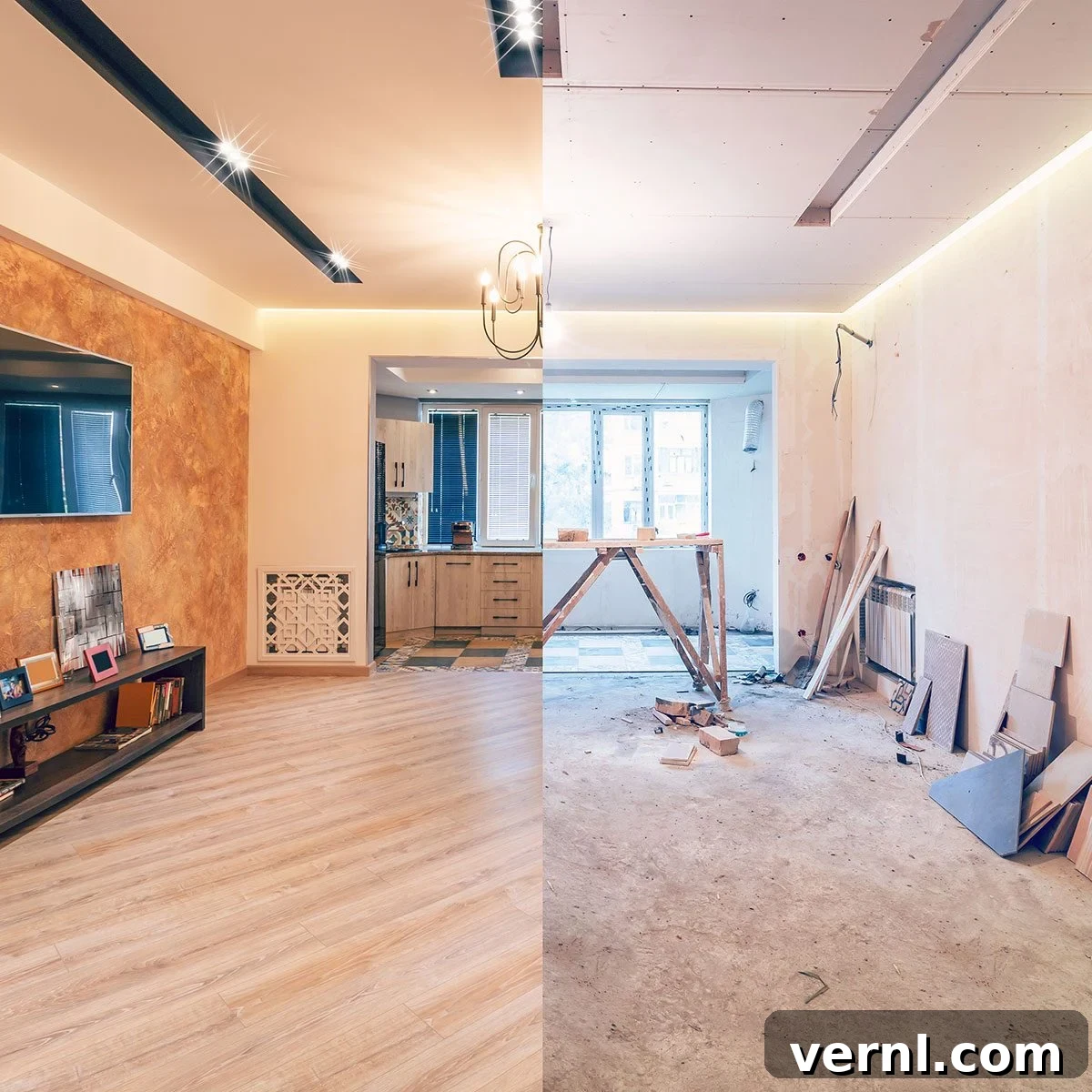
The substantial increase in home spending wasn’t monolithic; it was strategically distributed across various crucial categories, each reflecting different facets of the household’s evolving needs and priorities. On average, U.S. households allocated $8,305 specifically to home improvement projects. This expansive category encompasses a wide array of activities, from minor aesthetic upgrades like interior painting and fixture replacements to more extensive and structural renovations such as kitchen remodels, bathroom overhauls, basement finishing, and the creation of dedicated home offices or learning spaces. These improvements weren’t solely about aesthetics; they were often driven by an urgent need to adapt existing living environments to new functional demands brought on by remote work, virtual schooling, and limited outside entertainment options.
Beyond extensive improvements, a significant portion of spending, averaging $3,192, was meticulously dedicated to essential home maintenance. This critical expenditure covers regular upkeep tasks designed to preserve a home’s long-term value, functionality, and safety. This includes crucial services like HVAC servicing, roof inspections and repairs, gutter cleaning, professional landscaping, pest control, and essential appliance maintenance. Proactive maintenance became even more vital as homes transitioned into indispensable, multi-functional hubs for work, education, and leisure, ensuring that these heavily utilized spaces remained in optimal condition. Furthermore, an average of $1,640 was swiftly spent on home emergencies, addressing unforeseen and often urgent issues like sudden plumbing leaks, electrical failures, severe roof damage, or critical appliance breakdowns that demand immediate professional attention. These emergency expenditures underscore the unpredictable nature of homeownership and the absolute necessity of having resources readily available for critical, time-sensitive repairs that prevent further damage or disruption.
A multitude of intricate factors converged to spur this unprecedented and renewed emphasis on home investment. Preeminent among these was the profound and pervasive impact of the coronavirus pandemic, which led to an unprecedented amount of time people spent within the confines of their homes. With widespread restrictions on travel, social gatherings, public events, and the dramatic shift towards remote work and virtual schooling, homes rapidly evolved from mere dwellings into comprehensive ecosystems for living, working, learning, and recreation. This intensified domestic focus naturally highlighted areas for improvement, pinpointed functional deficiencies, and prompted a deeper appreciation for the comfort, efficiency, and adaptability of one’s personal living space.
The Economic Drivers Behind Increased Spending
The Home Advisor survey insightfully articulated the underlying economic dynamics that robustly drove this significant surge in home spending. “This year’s topline growth in spending and projects is a story of both increasing costs of supplies, increasing cost of labor and homeowners shifting spending from things like entertainment and travel to their homes,” the survey states. This quote encapsulates a dual-pronged economic reality that reshaped the home services landscape. On one hand, the unprecedented and sudden increase in demand for home-related goods and services, coupled with severe global supply chain disruptions, contributed significantly to rising material costs and labor rates. Contractors and skilled tradespeople experienced heightened demand, which inevitably influenced their pricing structures as their expertise became more sought after and their operational costs increased.
On the other hand, a significant and deliberate behavioral shift occurred among consumers. With traditional avenues for discretionary spending — such as international travel, dining out frequently, attending live entertainment events, and large social gatherings — largely curtailed or entirely eliminated, households consciously redirected a substantial portion of their disposable income towards their residences. Funds that might have previously gone towards an eagerly anticipated vacation, a series of restaurant meals, or concert tickets were instead strategically invested in a new outdoor patio space, a dedicated home office renovation, an upgraded kitchen, or vital home maintenance. This active reallocation of resources wasn’t merely a passive consequence of external limitations; it was an intentional choice by homeowners to dramatically enhance the environment they were spending the most time in, thereby proactively improving their quality of life, comfort, and functionality during an undeniably challenging and uncertain period.
A Fundamental Shift in Homeowner Motivation
The psychological drivers behind home improvement underwent a profound and fascinating transformation in 2020. Traditionally, many home projects were initiated out of sheer necessity—to repair existing damage, fix glaring defects, or address structural decay. However, the unique circumstances of the pandemic years ushered in an era where proactive enhancement and lifestyle optimization took unprecedented precedence. A striking forty-one percent of respondents indicated that their primary and leading motivation for spending money on home improvement was specifically to make their home better suited for their lifestyle. This figure speaks volumes about a new philosophy emerging: homes were no longer just passive structures to be merely maintained but dynamic, living spaces to be meticulously curated, optimized, and personalized for individual well-being and rapidly evolving needs.
This paradigm shift in homeowner motivation is deeply rooted in the dramatic and sustained increase in time spent at home. A staggering eighty-five percent of respondents reported spending more time at home in 2020, with a particularly significant sixty-seven percent reporting they spent significantly more time within their residences than in previous years. This unprecedented domestic confinement illuminated both the inherent strengths and the glaring weaknesses of existing living spaces. Homeowners became acutely aware of cramped workspaces, inadequate remote learning setups, insufficient recreational areas, or a general lack of comfort and aesthetic appeal. Consequently, strategic investments were made to alleviate these newly identified pain points and to foster environments that robustly supported remote work, virtual learning, family activities, personal hobbies, and much-needed relaxation and sanctuary.
The stark contrast with Home Advisor’s 2019 survey findings is particularly illustrative of this profound shift in consumer mindset. In 2019, the overwhelming reason cited for undertaking home improvement projects was predominantly to “replace or repair a damage, defect or decay.” Fast forward to 2020, and the narrative fundamentally changed. People moved decisively beyond mere rectification; they proactively chose to significantly enhance their homes, investing in upgrades that not only improved functionality and aesthetic appeal but also profoundly impacted overall liveability and quality of life. This remarkable transition from reactive repairs driven by necessity to proactive enhancements driven by desire underscores a broader societal recognition of the home as a central and indispensable pillar of individual and family well-being, especially when external activities and social interactions are severely limited.
COVID-19’s Influence on Professional Engagements and Safety Protocols
The pervasive and enduring influence of COVID-19 extended far beyond just prompting increased spending; it fundamentally reshaped how homeowners engaged with external home service professionals. The pandemic introduced an entirely new and critical layer of concern: public health and safety. Seventy-three percent of respondents articulated a clear and decisive preference, stating they were much more likely to hire a home service professional who openly shared comprehensive COVID-related information and actively promoted stringent safety measures. This wasn’t merely a minor preference; it rapidly became a critical, non-negotiable factor in the decision-making process, reflecting a deep-seated need for reassurance, trust, and a demonstrable commitment to health during an unprecedented public health crisis.
Consumers, while eager to proceed with their essential home projects and desired improvements, were simultaneously vigilant about protecting the health and safety of their households. This meant expecting contractors and their entire teams to adhere meticulously to strict health guidelines and best practices. Measures such as consistent mask-wearing, maintaining appropriate social distance, regular sanitization of tools and work areas, and transparent communication about team health and potential exposures became fundamental requirements for many homeowners. The willingness to allow professionals to work inside their private living spaces was unequivocally contingent upon a demonstrated and unwavering commitment to robust safety protocols. As extensively discussed, for example, in insightful articles like those from Family Handyman, the ability to insist that contractors wear masks while working in your home became a legitimate, commonly exercised consumer right, firmly cementing safety as a paramount and often decisive concern in all professional home service engagements during this period.
Navigating the Complications: Supply Chains and Project Delays
While the sustained and exceptionally high demand for home services brought a much-needed boost to contractors and the residential construction industry, it was not without its significant challenges, complex logistics, and unforeseen complications. The unprecedented circumstances of 2020 created pervasive ripple effects that impacted project timelines, completion rates, and overall operational efficiency across the sector. According to the Home Advisor survey, a substantial thirty percent of planned projects never commenced or were left regrettably incomplete due to various complex issues directly attributable to the COVID-19 pandemic. This significant figure starkly highlights the dual impact of lingering consumer apprehension and severe operational hurdles faced by the industry, creating a bottleneck despite robust demand.
A major and disruptive contributing factor to these widespread delays and uncompleted projects was the severe and widespread disruption to global supply chains. Manufacturing facilities worldwide experienced closures, drastically reduced capacities, or severe labor shortages; international shipping routes faced unprecedented bottlenecks and logistical nightmares; and the availability of essential raw materials became erratic and inconsistent. Consequently, twenty-four percent of respondents specifically cited “products or materials taking longer than expected to arrive” as the leading and most frustrating reason for their projects extending far beyond original timelines or significantly exceeding allocated budgets. This domino effect meant that a seemingly straightforward kitchen remodel could be delayed for weeks or even months awaiting specific cabinetry, crucial appliances, specialized fixtures, or even basic building supplies. The scarcity and dramatically increased cost of lumber, steel, copper, and other essential building materials further exacerbated these challenges, putting immense pressure on both contractors trying to manage costs and homeowners grappling with unforeseen expenses.
Moreover, localized restrictions, heightened fear of exposure, and fluctuating workforce availability also played a critical role in stalling progress. Some homeowners prudently paused projects out of health concerns for their families, while contractors often faced staffing shortages due to illness or quarantines, or had to implement much stricter on-site safety protocols that inevitably slowed down work considerably. These compounding issues meant that even with strong, undeniable consumer demand, the efficient execution of home service projects became a complex logistical endeavor, severely testing the resilience, adaptability, and problem-solving capabilities of both service providers and consumers alike.
Resilience and Adaptation: The Future of Home Investment
“Despite COVID-19 and its impact on demand and the nature of the demand, Americans are adapting their spending and saving habits in order to satisfy these new needs and cope with the challenges associated with it,” the survey powerfully concludes. This impactful statement underscores the remarkable adaptability and resilience of American households in the face of adversity. Faced with unprecedented circumstances that fundamentally altered daily life, consumers didn’t retreat from investment; rather, they recalibrated their financial strategies, often ingeniously, to meet the evolving and often urgent demands of their domestic lives, recognizing the critical importance of their immediate environment.
The year 2020 served as an undeniable catalyst, fundamentally redefining the concept and essential function of “home” for millions. It transitioned abruptly from a place primarily for rest and leisure to a multifaceted, dynamic hub that had to accommodate work, education, entertainment, physical fitness, and mental sanctuary. This profound societal shift is likely to have long-lasting implications for the home services industry, encouraging continued innovation in design, materials, technological integration, and service delivery to meet these elevated expectations. As remote and hybrid work models potentially endure, and as a greater, more profound appreciation for personalized, functional, and comfortable living spaces takes root across demographics, the trends observed so acutely in 2020 could signify a sustained and elevated period of home investment. Homeowners have recognized the intrinsic, irreplaceable value of their living environments, not just as financial assets, but as critical components of their daily well-being, productivity, and overall quality of life. This comprehensive and deeply ingrained shift suggests that the intensified focus on home improvement and maintenance is not a fleeting trend but a foundational, enduring change in how we perceive, utilize, and strategically invest in our most personal and vital spaces.