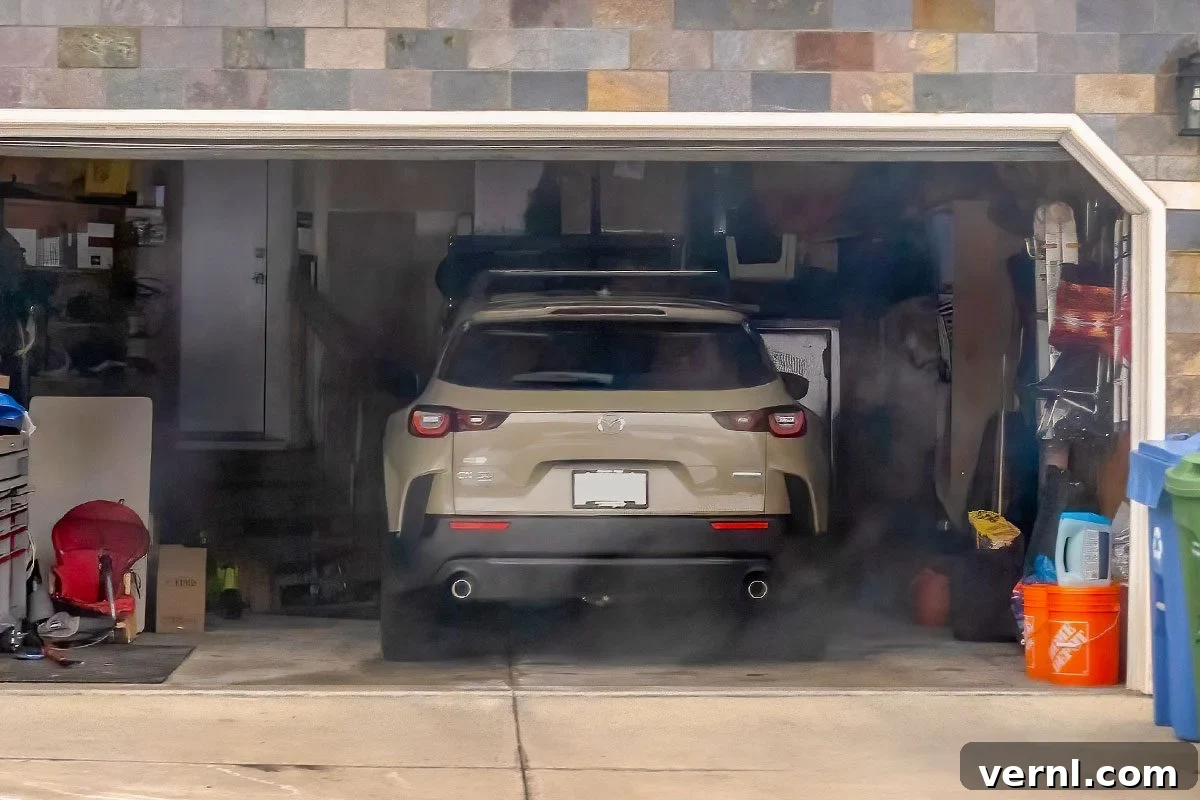
Believe it or not, leaving your car in a hot garage can cause real damage. Short periods of high heat — a day or two — may produce only minor effects, but sustained exposure in hot climates increases the risk considerably. In some cases insurers may deny claims for damage attributed to prolonged heat exposure rather than a single instantaneous event.
Insurance professionals and automotive experts report that heat-related damage to vehicles stored in garages happens more often than many owners expect. Below we explain how hot garages affect cars, which parts are most vulnerable, and practical steps you can take to reduce risk.
How Hot Does a Garage Get?
As a general rule, the interior of a closed garage tends to be 10 to 30 degrees warmer than the outside air. In regions with extreme summer heat, an unventilated garage can reach very high temperatures. For example, in some hot climates the interior of a poorly ventilated garage regularly climbs past 120°F (about 49°C) and can sometimes near or exceed 130–140°F. That kind of sustained heat creates an environment that accelerates wear and degradation of many vehicle components.
Parts of a Car Most Vulnerable to Heat
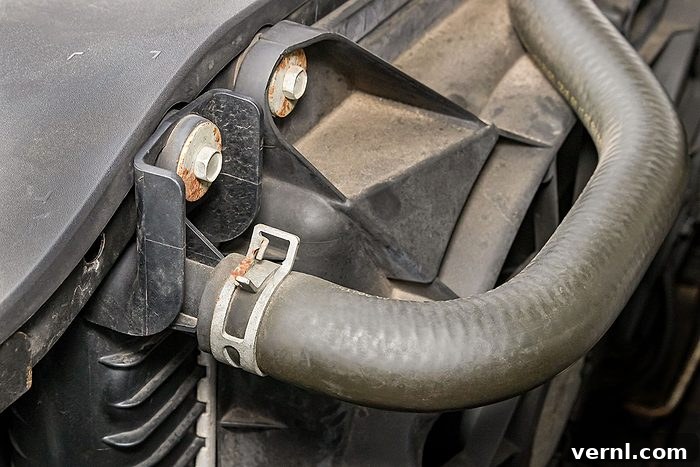
Under the hood, rubber and polymer components are particularly at risk. Coolant hoses, fuel lines, vacuum hoses and various seals can dry out, become brittle and crack after prolonged exposure to high temperatures. Heat also speeds the breakdown of fluids: brake fluid can absorb moisture and lose effectiveness, engine oil degrades faster at higher temperatures, and coolant additives can break down sooner than expected.
Batteries are sensitive to heat as well. High temperatures increase the rate of self-discharge and accelerate chemical aging, shortening battery life. Electronics and sensors exposed to sustained heat cycles may also exhibit premature failures.
Inside the cabin, heat damages leather, vinyl, plastics and adhesives. Dashboards can warp or develop fine cracks, seat coverings and door seals may dry and split, and trim pieces can fade or become brittle. Extended heat combined with sunlight through windows can also accelerate fading and cause the clear coat to oxidize more quickly.
Can Heat Damage a Car That Isn’t Being Driven?
Yes. A car that sits unused in a hot garage for long stretches is more vulnerable than one that is driven regularly. Driving the vehicle circulates fluids, ventilates the cabin and helps cool components periodically, which mitigates some effects of constant high temperature. Vehicles left idle for months in a hot, unventilated space are at greater risk of fluid breakdown, dry-out of rubber parts, and battery failure.
Warning Signs of Heat Affecting Your Vehicle
Look for visible signs such as cracks or brittleness in hoses, seals and interior trim. Functionally, degraded fluids and components may reveal themselves as spongy or unresponsive brakes (from compromised brake fluid), increased oil consumption (heat can reduce oil viscosity and accelerate burning), reduced battery performance, or unexplained overheating caused by ruptured coolant hoses or compromised cooling system components.
Practical Steps to Protect Your Car
- Park in a shaded area or in an attached, climate-buffered garage when possible.
- Improve garage ventilation — vents, fans or passive airflow reduce peak temperatures.
- Inspect rubber hoses, belts and seals periodically for signs of aging and replace them proactively.
- Follow recommended service intervals for fluids and change brake fluid, coolant and oil more frequently if the vehicle is stored in persistently high heat.
- Disconnect or maintain the battery if the vehicle will sit unused for long periods, and consider a smart trickle charger in extreme heat to prevent deep discharge.
- Use sunshades on windows and consider breathable seat covers to reduce interior heat buildup and outgassing effects.
FAQ
Is an attached garage better than parking outside?
Parking in an attached garage that benefits from the home’s climate can be better than an unventilated detached garage, but both are preferable to leaving a vehicle exposed to direct sunlight. If you can park outdoors in the shade, that often produces lower interior temperatures than a sealed, non-ventilated garage exposed to radiant heat.
Can heat damage a car’s paint?
Yes. Heat combined with UV exposure accelerates paint and clear coat deterioration. If a car sits in a hot garage where sunlight enters through windows, trapped moisture and heat can promote clear coat oxidation, leading to a chalky appearance, fading of waxes and eventually micro-cracking of the clear coat surface.
About the Experts
- E.J. Nadolny is an insurance consultant and CEO specializing in commercial and property insurance, auto and personal coverage, and has experience advising clients about claims and coverage for vehicle damage.
- Ryan Salata is a marketing director in the automotive parts industry with knowledge of aftermarket components and how heat and wear affect vehicle systems and materials.