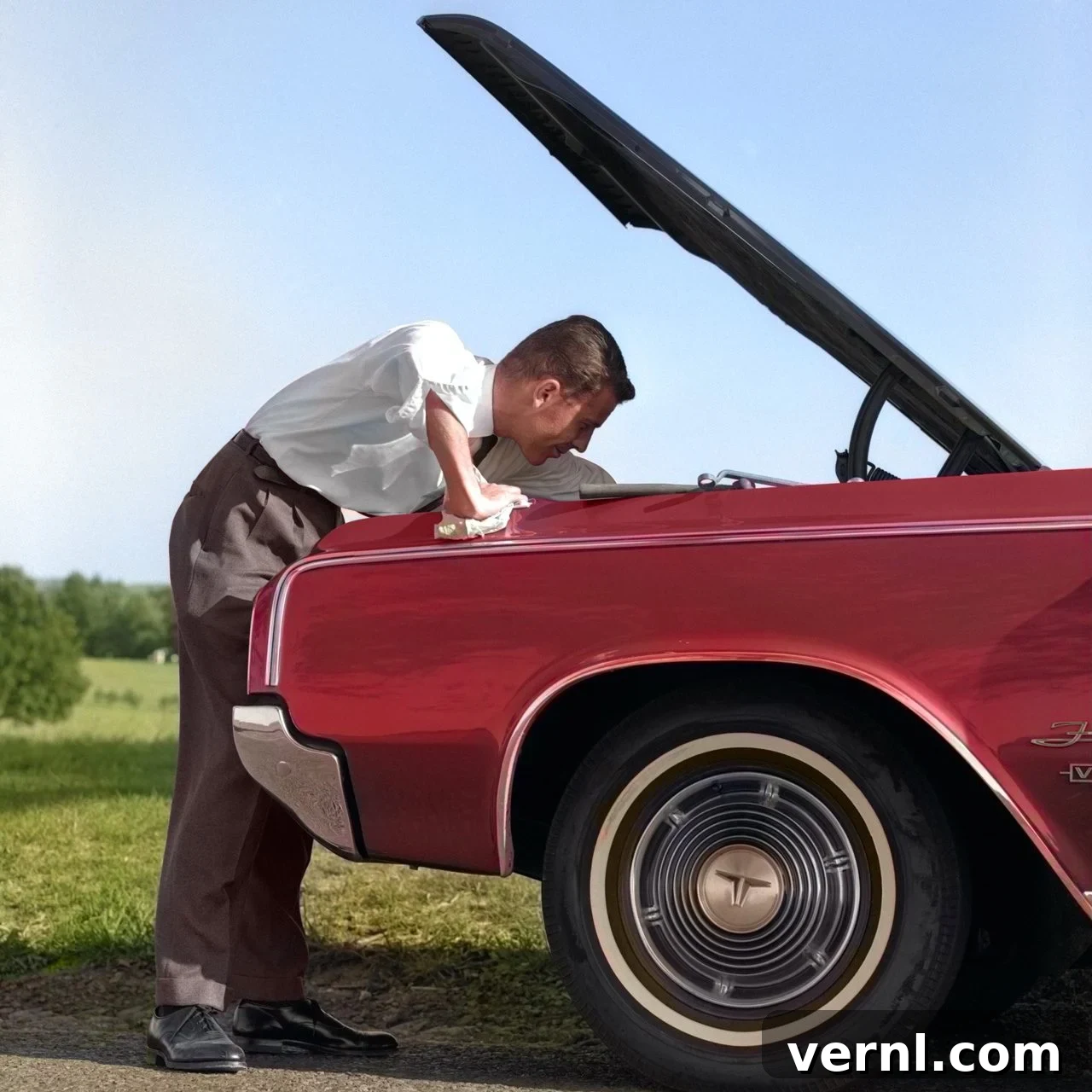
The more things change, the more they stay the same—especially when it comes to car care. David Bennett, an ASE-certified master technician and senior automotive manager at the American Automobile Association, has been teaching drivers about vehicle maintenance for 37 years. He points out that the core principles behind internal combustion engines remain familiar: pistons move, valves open, and spark plugs ignite the fuel-air mixture inside the cylinders. Excluding electric vehicles, the basic mechanics haven’t shifted dramatically.
Below, Bennett explains what’s stayed constant, what’s evolved, and what every car owner should know to keep their vehicle reliable and safe for years to come.
You Can Still Fix Your Own Car
Even with modern cars becoming more complex, many routine maintenance tasks remain accessible to confident do-it-yourselfers. Bennett says oil changes, brake pad replacements, fluid top-offs, and similar jobs are still doable “as long as you’re comfortable doing it, you do it safely, and you understand what you’re doing.” Today’s vehicles may hide components behind additional covers or require a few more steps to reach service points, but the fundamentals are the same: loosen the drain plug, drain the oil, replace the filter, and refill with the correct oil. Always dispose of used oil and other fluids responsibly at an approved recycling center.
The 3,000-mile Oil Change

The old rule of changing oil every 3,000 miles is largely outdated. Two major factors have changed: motor oil formulations have improved significantly, and modern vehicles provide engine and life-monitoring systems that recommend service intervals. Depending on driving habits, conditions, and the manufacturer’s guidelines, oil changes can range from about 3,000 miles to 10,000 miles. For all other fluids and maintenance items, follow the service schedule in your owner’s manual—the manual contains a detailed, model-specific maintenance plan that remains the best reference for proper care.
Gasoline 101: Octane vs. Top Tier
Fuel choices are more nuanced than simply regular and premium. Today’s pumps offer multiple octane ratings—regular, mid-grade, and premium—and some fuels meet “Top Tier” standards, which means they include higher levels of detergents to reduce carbon deposits. Don’t confuse octane rating with Top Tier designation: you can find Top Tier fuel at regular octane and at higher octanes as well.
Octane ratings matter because higher-octane gasoline resists premature ignition, which can cause engine knocking in certain engines. Your owner’s manual will list the minimum octane required for your vehicle; follow that requirement to avoid performance issues and potential warranty complications. If a higher octane is only recommended—not required—you can weigh cost versus benefit based on your driving and the vehicle’s performance.
No More “Warming Up” Your Vehicle
The habit of letting the engine idle to warm up stems from the carburetor era. With modern fuel injection systems, prolonged idling is unnecessary. Start the vehicle, allow a brief moment to adjust mirrors and fasten your seat belt, and begin driving gently. Engines and drivetrains warm more efficiently while the car is moving than by sitting and idling.
Washington, Not Lincoln
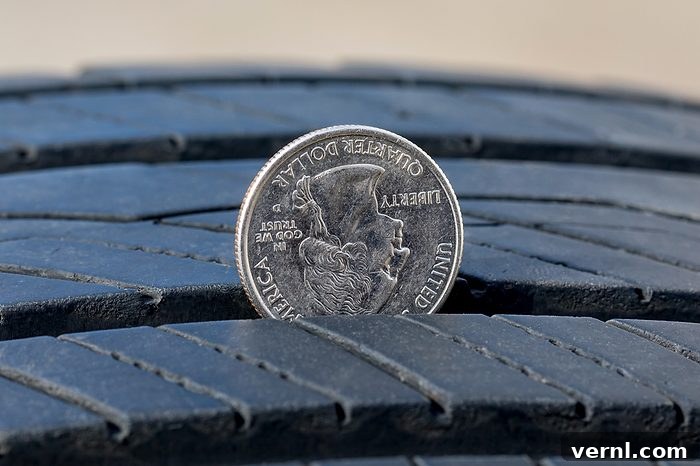
Many drivers learned the “penny test” to check tire tread: insert a penny into the tread—if you can see Lincoln’s entire head, tread depth is at or below 2/32 inch and it’s time to replace the tire. Today, Bennett and AAA recommend using a quarter instead. The quarter test corresponds to roughly 4/32 inch of tread depth; if you can see the top of Washington’s head, it’s time to start shopping for new tires. Check multiple locations around each tire to detect uneven wear, which can point to wheel alignment, suspension, or inflation issues that should be inspected by a professional.
Build a Relationship With Your Mechanic
Even if you perform basic maintenance yourself, having a trusted mechanic is valuable for diagnostics and more complex repairs. Bennett suggests establishing rapport by bringing your car in for routine services like oil changes and tire rotations. Regular visits help you learn how a particular shop operates, build trust with technicians, and create a track record that can make future service interactions smoother. If you ever receive a quote or diagnosis that seems excessive or unclear, don’t hesitate to seek a second opinion—much like you would with a medical diagnosis.
Ultimately, modern cars combine long-standing mechanical principles with new technology. By following manufacturer recommendations, maintaining basic care habits, and cultivating a reliable service relationship, you can keep your vehicle running dependably for many miles.