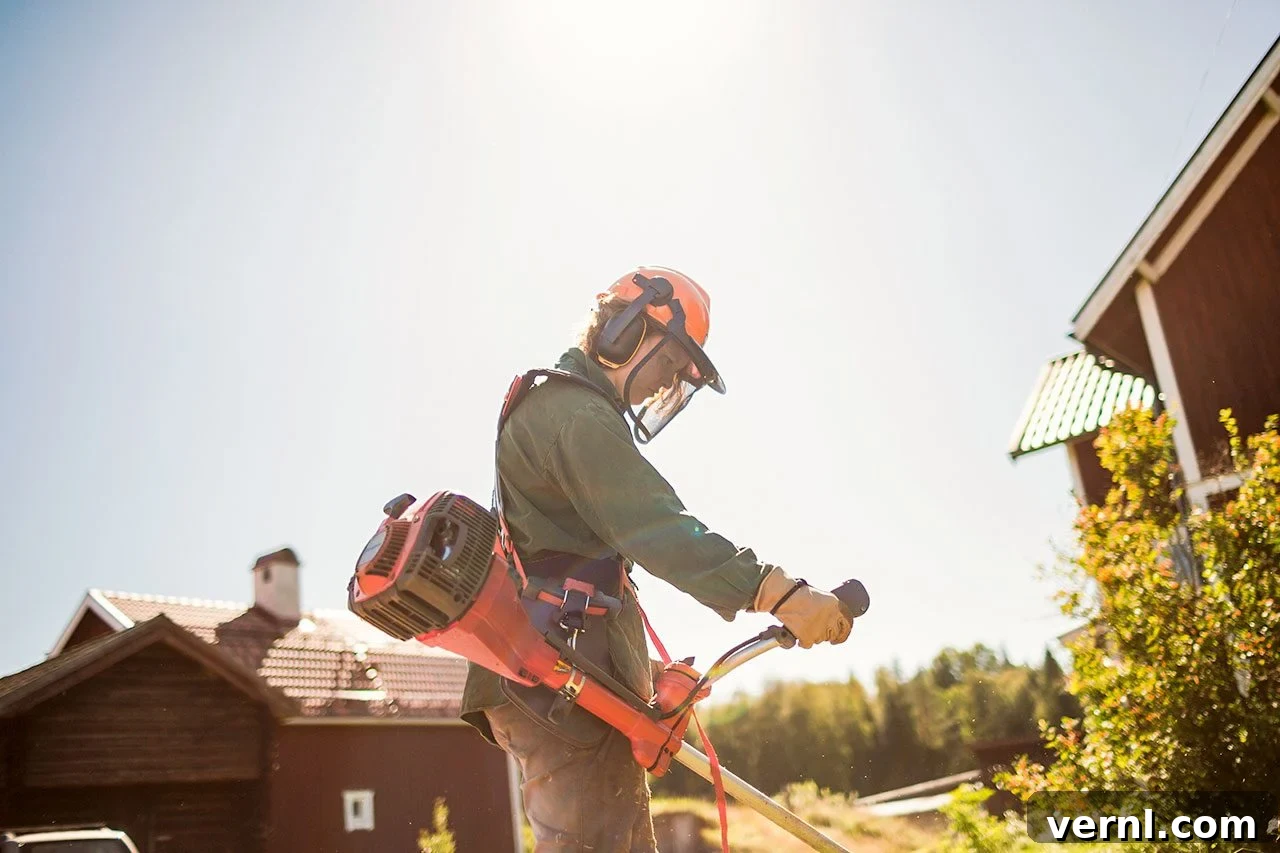
It’s not your imagination: summers are getting hotter, and extreme heat is spreading beyond traditionally warm regions. Heat waves and long stretches of 90- to 100-plus-degree days are appearing across the United States. The National Oceanic and Atmospheric Administration (NOAA) reported July 2026 as the hottest month on record in the contiguous U.S. For DIYers and homeowners, that means outdoor work can become not just uncomfortable but potentially dangerous. Before you start your next summer project, read these expert-backed tips for working safely in extreme heat.
Why Is Extreme Heat Becoming More Common?
Temperatures are rising worldwide, largely because of human activity and industrial emissions. This trend of global warming increases the frequency and intensity of regional heat waves and other extreme weather events. In addition, El Niño can amplify these effects by shifting weather patterns and contributing to unusually warm periods in some regions; its influence may continue into the spring of 2027. The result: more frequent hot spells that can make outdoor labor hazardous if proper precautions aren’t taken.
How Do Landscapers Work on 100 Degree Days?
On the hottest days, professional landscapers prioritize safety over speed. “You don’t want to overdo it,” says Joe Kappel of Citrus Landscape Solutions. “Take your time, take lots of breaks and drink as much water as you can.” Extreme heat can quickly lead to heat-related illness and, in severe cases, death if workers ignore basic protections. Here are the practical steps landscapers use to stay safe and productive in high temperatures.
Wear the Right Gear
Clothing choices make a big difference in staying cool. Opt for lightweight, breathable fabrics such as cotton or linen, or moisture-wicking synthetics like polypropylene or nylon. Look for clothing, gloves, boots, and hats with ventilation when possible. Moisture-wicking socks can help keep feet dry and reduce heat buildup.
Although it might seem counterintuitive, long sleeves and pants can offer better protection from the sun. Sun exposure is a major contributor to heat stress, and loose, breathable coverage helps shield skin while allowing airflow and moisture evaporation. Wide-brimmed hats and neck gaiters add extra sun protection; a frozen neck gaiter or a wet towel can offer additional cooling. In very humid conditions, changing into a dry shirt during breaks helps remove saturated fabric and improves airflow against the skin.
Adjust Work Schedules
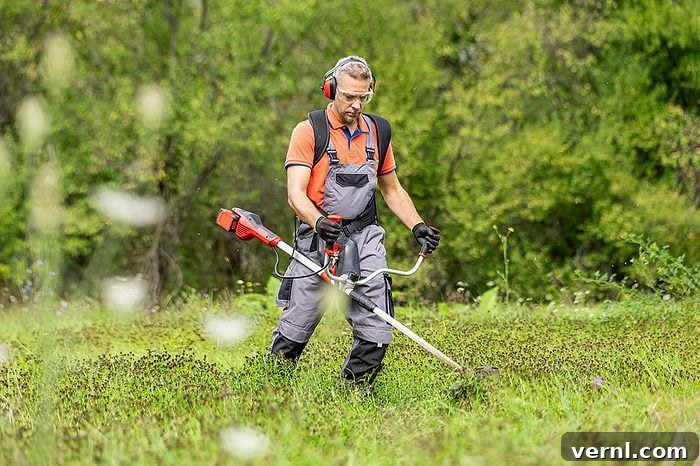
One of the simplest ways to reduce heat risk is to shift the hardest tasks to the coolest part of the day. Landscaping crews often start early and finish work by early afternoon to avoid the most intense heat. Use morning hours to tackle strenuous jobs, and consider rescheduling nonessential work when forecasts predict extreme temperatures. Planning tasks around temperature increases productivity and lowers the chance of heat-related illness.
Stay Cool and Hydrated
Hydration is critical when working in hot weather. Don’t wait until you feel thirsty; drink small amounts of water frequently. Aim to sip at least 8 ounces every 15 to 20 minutes during heavy exertion in the heat. Hydrating the day before a hot shift also helps maintain electrolyte balance and reduces the risk of heat stress.
Along with plain water, have cold water and electrolyte drinks available to replace salts lost through sweat. Sip steadily rather than gulping large amounts at once. Be cautious not to overconsume water in a short period, which can dilute blood sodium levels and lead to hyponatremia. Regular cooling breaks are essential: take 10 to 15 minutes in shade or an air-conditioned space each hour to help lower core body temperature. When possible, work in shaded areas or set up a temporary canopy to reduce direct sun exposure.
Know the Signs of Heat Illness
Recognizing heat-related illness early can prevent serious outcomes. Common symptoms include fatigue, dizziness, headache, dry or clammy skin, nausea, vomiting, and confusion or fainting. If anyone shows these signs, stop work immediately, move to shade or an air-conditioned area, and begin rehydrating slowly. “If team members start showing any signs, we wrap things up rather than have anybody get sick or hurt themselves,” Kappel says. Cooling the person and getting them into a vehicle with air conditioning or into a shaded rest spot helps lower body temperature while monitoring their condition.
About the Expert
- Joe Kappel is co-owner of Citrus Landscape Solutions in Central Florida, a full-service landscaping company that provides landscape design and maintenance services.