
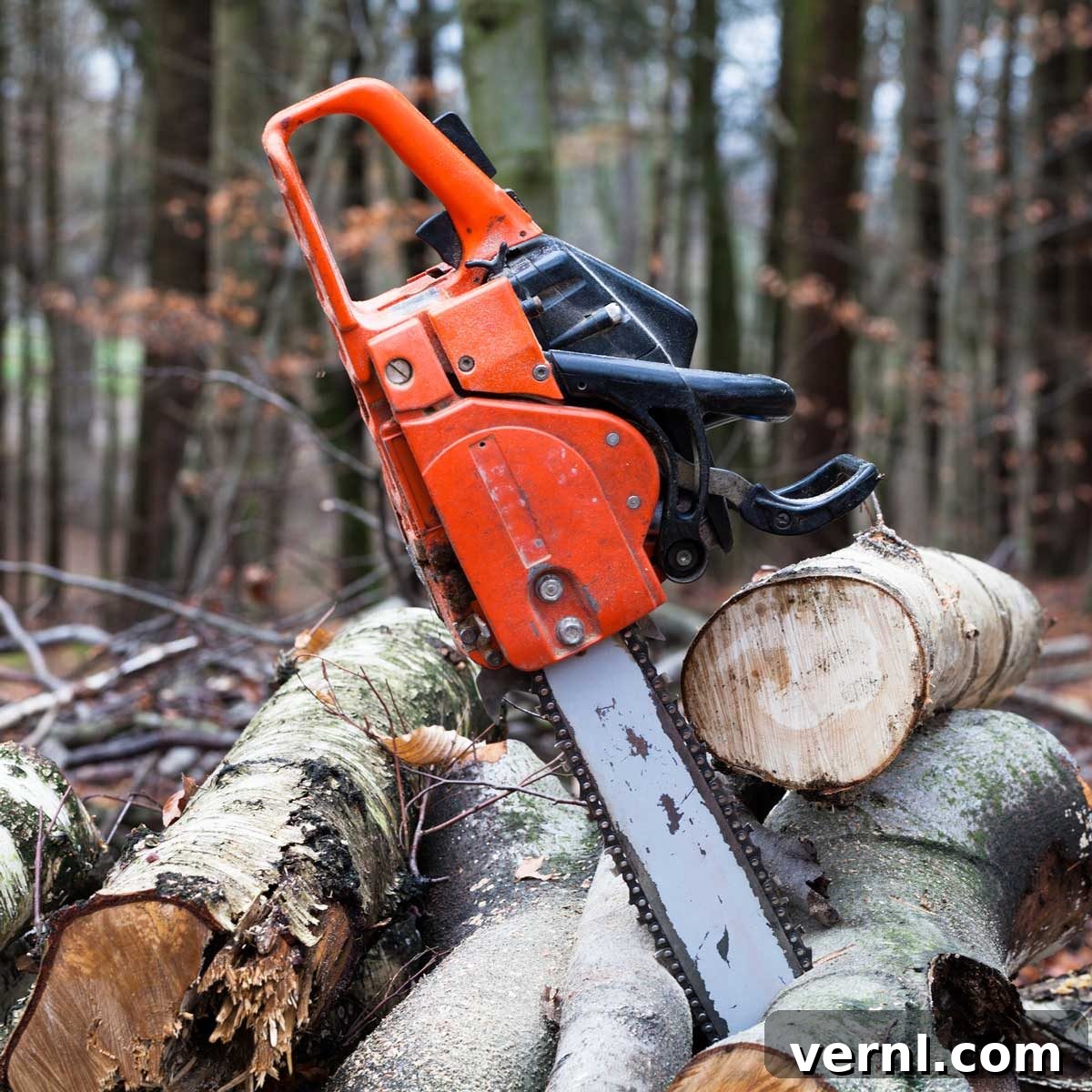
A chainsaw is an indispensable power tool, transforming hours of strenuous manual labor into efficient, manageable tasks. For properties adorned with trees, whether for pruning, felling, or clearing storm debris, a reliable chainsaw in the tool shed is not merely a convenience—it's often the only practical solution. Imagine the daunting task of tackling a large tree limb with a hand saw or even a reciprocating saw; the sheer inefficiency underscores the chainsaw's critical role in modern property maintenance.
When you're in the market for a chainsaw, several key factors come into play. Your budget, personal skill level, and most importantly, chainsaw safety, should guide your decision. While a large, powerful saw might seem like the quickest route to getting the job done, it can be cumbersome, tiring to operate, and poses a greater risk of serious injury if mishandled. For most homeowners and many light professional tasks, a smaller, more practical chainsaw will often prove equally effective and significantly safer. This comprehensive guide will walk you through everything you need to know to select the chainsaw that perfectly aligns with your specific needs and ensures safe, efficient operation.
What Is a Chainsaw? Understanding This Essential Power Tool
At its core, a chainsaw is a portable, motorized saw designed for rapid cutting. It operates using a unique mechanism: a set of sharp teeth affixed to a continuous chain that rotates at high speed over and around a guide bar. While the fundamental concept of a "chain saw" has been ingeniously adapted for diverse applications, from delicate surgical procedures to precision carpentry, the term predominantly refers to robust tools engineered for demanding outdoor activities. Our focus here will be on chainsaws primarily intended for tasks like tree trimming, limb removal, and tree felling, where their power and efficiency truly shine.
The history of the chainsaw, though rooted in medical applications, quickly evolved to meet the needs of the logging and forestry industries. Modern chainsaws are marvels of engineering, combining powerful engines with ergonomic designs and advanced safety features. They are designed to cut through wood with incredible speed and precision, making them invaluable for everything from preparing firewood to clearing vast tracts of land. Understanding this basic principle is the first step in appreciating the various types and functionalities available today.
Types of Chainsaws: Finding Your Ideal Cutting Companion
The world of chainsaws is diverse, offering specialized tools for every conceivable task. While the "standard chainsaw" is what most people visualize, variations exist to cater to specific applications and user requirements. Choosing the right type is paramount for safety, efficiency, and comfort.
Standard Handheld Chainsaws
A standard handheld chainsaw embodies the classic design that comes to mind when one hears the word "chainsaw." These models are the workhorses of tree care, available in a wide range of sizes and power outputs. They are designed for direct contact with the wood, offering unparalleled power and control for tasks ranging from felling large trees to more intricate bucking and limbing. Their design, though seemingly similar across brands, varies significantly in engine size, bar length, and ergonomic features, making it crucial to select one that matches the scale of your intended projects.
Pole Saws: Extending Your Reach Safely
A pole saw is a specialized chainsaw designed to tackle limbs that would otherwise be out of reach, eliminating the need for ladders and enhancing safety. Essentially, it's a compact saw head mounted on a long, extendable pole. This configuration allows the user to comfortably and safely prune branches from the ground, significantly reducing the risk of falls. Pole saws are available in gas-powered, corded-electric, and battery-powered variants. Many homeowners favor corded models for their consistent power and lighter weight, as the absence of a heavy battery or fuel tank makes them easier to maneuver for extended periods. The controls for the saw are conveniently located at the base of the pole, enabling quick and safe operation. Some innovative pole saw designs even feature detachable saw heads, allowing them to be used as lightweight, handheld chainsaws for ground-level tasks, offering excellent versatility.
Enclosed Saws: Prioritizing User Protection
An enclosed saw represents a niche category designed with maximum user protection in mind, completely shielding the user from the moving chain. These models are typically smaller, lighter, and almost exclusively electric-powered. They are most frequently found as limb trimmers, ideal for light pruning and delicate tasks where precision and safety are prioritized over raw power. Their enclosed design makes them particularly suitable for beginners or those seeking an extra layer of security.
P.S. For those who find traditional chainsaws bulky or intimidating, the emergence of compact, user-friendly options is a welcome development. You might want to explore the Saker mini chainsaw, which offers surprising capability in a much smaller, more manageable package, perfect for quick cuts and light yard work.
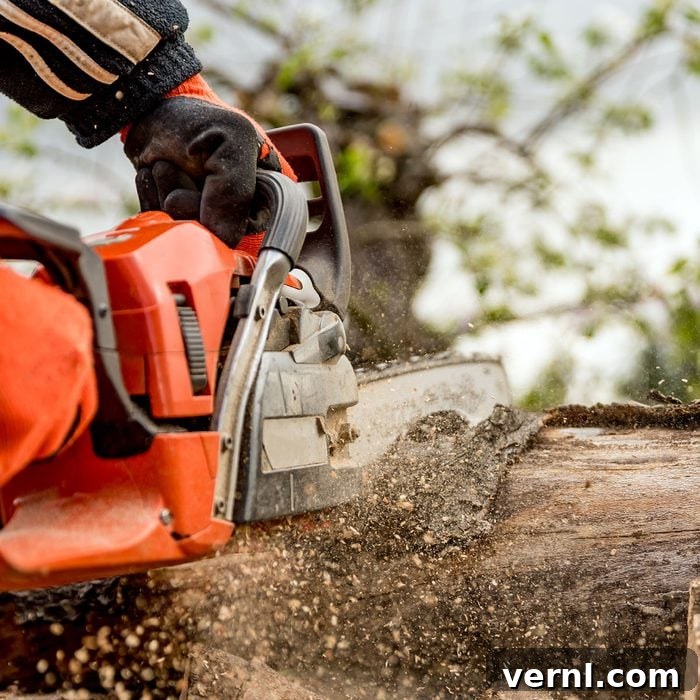
Chainsaw Power Options: Gas, Electric, and Pneumatic Explained
The power source of a chainsaw is a critical differentiator, influencing its performance, maintenance requirements, and suitability for various tasks. Understanding the pros and cons of each option is key to making an informed decision.
Gas-Powered Chainsaws: Unmatched Power for Heavy-Duty Tasks
Gas-powered chainsaws remain the most powerful option available, capable of driving the longest guide bar lengths. This translates to superior capability for felling larger trees, bucking thick logs, and working efficiently through dense material. Their raw power allows for faster cutting with less strain on the chain and motor. However, this power comes with trade-offs: gas-powered saws are typically noisier and heavier than their electric counterparts, leading to increased user fatigue over long periods. Their internal combustion engines also demand more regular maintenance, including air filter cleaning, spark plug checks, and carburetor adjustments. Furthermore, most gas chainsaws operate on a specific blend of gasoline and 2-cycle oil, requiring users to either mix their own fuel precisely or keep pre-mixed fuel on hand, adding a layer of logistical planning.
Electric Chainsaws: Convenience and Environmental Friendliness
Electric chainsaws offer a compelling alternative, available in corded or battery-powered varieties. While they generally possess less raw power than their gas-powered rivals, advancements in electric motor and battery technology are continuously narrowing this gap, especially for mid-range tasks. Electric models boast significant advantages: they are quieter, produce zero emissions during operation, are lighter, and require considerably less maintenance.
Corded Electric Chainsaws
A corded electric saw typically offers power comparable to a mid-range gas chainsaw, making it suitable for a wide array of homeowner tasks. The primary limitation, naturally, is the length and reach of the power cord, restricting its use to areas with direct access to an electrical outlet. When using a corded chainsaw, it's vital to pay close attention to the amperage rating of the saw and ensure you use an extension cord capable of safely handling that electrical load. Always opt for a heavy-duty outdoor-rated extension cord, and if in doubt, purchase a new, appropriately rated cord alongside your saw for optimal safety and performance.
Battery-Powered (Cordless) Chainsaws
Battery-operated chainsaws provide unparalleled portability and convenience, freeing users from the constraints of power outlets and extension cords. They are ideal for smaller jobs, occasional yard maintenance, and situations where quiet operation is desired. While traditionally less powerful, modern lithium-ion battery technology has significantly improved their cutting capacity and run-time, making them increasingly viable for more substantial tasks. Consider battery voltage (e.g., 40V, 60V, 80V) and amp-hours (Ah) for determining power and run-time.
Pneumatic Chainsaws: Specialized Industrial Power
You may also encounter some pneumatic chainsaws that run on compressed air. These models are much less frequently seen outside of specialized industrial or construction applications. They share many of the same pros and cons as corded electric chainsaws—relatively quiet, clean operation—but with the added complication of requiring a substantial air compressor to operate, which itself can be a significant investment in terms of cost, size, and noise.
Deciding Between a Gas and Electric Chainsaw: Tailoring to Your Needs
The choice between a gas-powered and an electric chainsaw hinges entirely on your specific needs and typical use cases. According to lawn care specialist Jeremy Yamaguchi, CEO of Lawn Love, "Gas-powered chainsaws are the best tools for tackling heavy-duty projects, like overgrown trees and storm debris." Their robust power and extended run-time make them indispensable for demanding, prolonged work sessions in remote areas.
However, for more routine or lighter tasks, a battery-powered or corded electric model often presents a superior solution. "If you only need a chainsaw for small tasks, a battery-powered one will work just fine," Yamaguchi adds. Electric saws, while generally less powerful than their gas counterparts, offer a host of compelling advantages that make them a preferred choice for many homeowners:
- Lighter Weight: Reduces fatigue during operation, making them easier to handle for longer periods.
- Easier to Start Up: No pull cords; most electric models start instantly with the push of a button.
- No Polluting Gases: Zero emissions during use contribute to cleaner air and a healthier work environment.
- Quieter Operation: Significantly reduced noise levels make them more pleasant to use, especially in residential areas, and can prevent noise complaints.
- Reduced Maintenance: Fewer moving parts mean less time spent on tune-ups and fuel mixing.
It's also worth noting the evolving regulatory landscape. "Policymakers sometimes regulate or ban gas-powered outdoor tools in response to environmental concerns," says Yamaguchi. Therefore, it's always prudent to check with your local authorities regarding any current or impending restrictions on gas-powered equipment in your area before making a purchase.
Essential Chainsaw Features to Consider for Optimal Performance and Safety
Beyond power source and type, modern chainsaws come equipped with a myriad of features designed to enhance performance, improve safety, and increase user comfort. Familiarizing yourself with these can significantly impact your chainsaw experience.
Chain Type and Bar Length: The Heart of the Cut
The chain type is crucial for different cutting applications. Most DIYers will find the factory-installed chain perfectly adequate for general use. However, if you plan on using your chainsaw for a wide range of specialized tasks, understanding the nuances of chain profiles and spacing options becomes beneficial. Common chain types include full chisel (aggressive, fast cutting), semi-chisel (more durable, good all-rounder), and low-profile (reduced kickback, ideal for homeowners). Key specifications like pitch and gauge must match your guide bar. If you anticipate needing multiple chains for different tasks, ensure the chainsaw you choose offers a tool-less or easy chain exchange mechanism. When it comes to replacements, knowing how to measure the size of your bar and chain is essential for a perfect fit.
Equally important is the guide bar length, which dictates the maximum diameter of wood you can cut in a single pass. A general rule of thumb is that the bar should be at least 2 inches longer than the material you intend to cut. Common bar lengths for homeowners range from 14 to 18 inches, suitable for most pruning and firewood tasks. Professional saws can feature bars up to 36 inches or more. Matching bar length to your typical tasks is crucial; an overly long bar can be unwieldy and unsafe for small jobs, while too short a bar will limit your saw's capabilities for larger projects.
Handle Position: Control and Ergonomics
The design of a chainsaw's handle significantly impacts its maneuverability, balance, and user comfort.
Top-handle saws are characterized by their more compact size and lighter weight, often allowing for one-handed operation. They are specifically designed for use at height, frequently by arborists working from a tree or lift. While their maneuverability is excellent for pruning limbs and fallen branches on the ground, their design sacrifices some stability compared to rear-handle models, making them less suitable for heavy felling without specialized training and extreme caution.
For tasks performed on the ground, such as felling trees or processing large logs, a rear-handle model is generally a wiser choice. These saws feature a wider handgrip at the rear, providing a more balanced feel and superior leverage. The design offers enhanced protection against kickback, a sudden upward and backward motion of the saw that can occur if the chain snags. The added stability and control of a rear-handle chainsaw make it the preferred option for demanding ground-level work.
Anti-Vibration System: Reducing User Fatigue
Prolonged use of a chainsaw can lead to significant hand and arm fatigue, as well as potential long-term health issues from constant vibration. To mitigate this, look for chainsaws equipped with anti-vibration systems. These typically incorporate rubberized handles and strategically placed dampeners between the engine and handles, absorbing much of the engine's vibration. This feature is particularly beneficial on gas-powered saws, which naturally produce more vibration due to their internal combustion engines and moving parts.
Crucial Safety Features: Protecting the Operator
Safety should always be the top priority when operating a chainsaw. Modern chainsaws integrate several critical safety features:
- Chain Brake: This is arguably the most vital safety feature. In the event of kickback or if the user's hand slips forward, the chain brake immediately stops the motion of the chain, preventing serious injury. Most chain brakes are either inertial (activated by sudden movement) or manual (activated by pushing a lever forward).
- Chain Catcher: A small projection located near the front handle, designed to catch the chain if it breaks or derails, preventing it from whipping back towards the operator.
- Throttle Lockout: This mechanism prevents accidental acceleration by requiring the user to depress a switch before engaging the throttle, ensuring the saw only operates when intended.
- Low Kickback Chains and Bars: Specifically designed chains and guide bars with features that reduce the likelihood and severity of kickback, making them ideal for less experienced users.
Chainsaw Buying Considerations and Cost: Maximizing Value and Performance
When investing in a chainsaw, balancing cost with your specific needs and intended usage is essential. A typical homeowner can expect to spend anywhere between $100 to $500 for a quality chainsaw that will meet most domestic needs. While the market certainly offers professional-grade saws costing upwards of $1,000 or more, these are primarily designed for continuous, daily use by professionals who depend on them for their livelihood and require extreme durability and power.
Matching Power to Your Projects
For DIYers, the primary considerations boil down to the required power and the frequency/nature of use. If your tasks involve significant tree clearing, felling mature trees, or converting large quantities of logs into firewood, a robust gas-powered model with an 18- to 24-inch bar is likely your best bet. As Jeremy Yamaguchi notes, "Gas is just always going to provide that extra power you’ll need for more intensive projects like this." The consistent power and longer run times of gas saws are indispensable for these demanding applications.
Conversely, if your primary tasks are limited to occasional limb trimming, pruning smaller branches, or cutting up fallen branches after a storm, a shorter bar length (10-16 inches) combined with a corded or battery-powered saw will be far more practical. Purchasing an overpowered gas saw for such light duties would be overkill, incurring unnecessary cost, weight, and maintenance demands. Electric models excel in these scenarios due to their ease of use, lighter weight, and lower maintenance.
Beyond Power: Additional Buying Factors
- Brand Reputation and Warranty: Opt for reputable brands known for quality and reliability. Check the warranty period and what it covers.
- Ergonomics and Weight: Test out different models to see how they feel in your hands. A well-balanced saw, even if heavier, can feel more manageable than a lighter, poorly balanced one.
- Ease of Maintenance: Consider features like tool-less chain tensioning and easy access to air filters, which simplify routine maintenance.
- Accessories and Safety Gear: Factor in the cost of essential safety equipment (helmet with face shield, hearing protection, chainsaw chaps, gloves) and other accessories like sharpening kits, bar oil, and fuel cans.
Before you make your purchase, it’s also wise to educate yourself on common pitfalls. Find out which things you should never do to your chainsaw to ensure its longevity and safe operation.
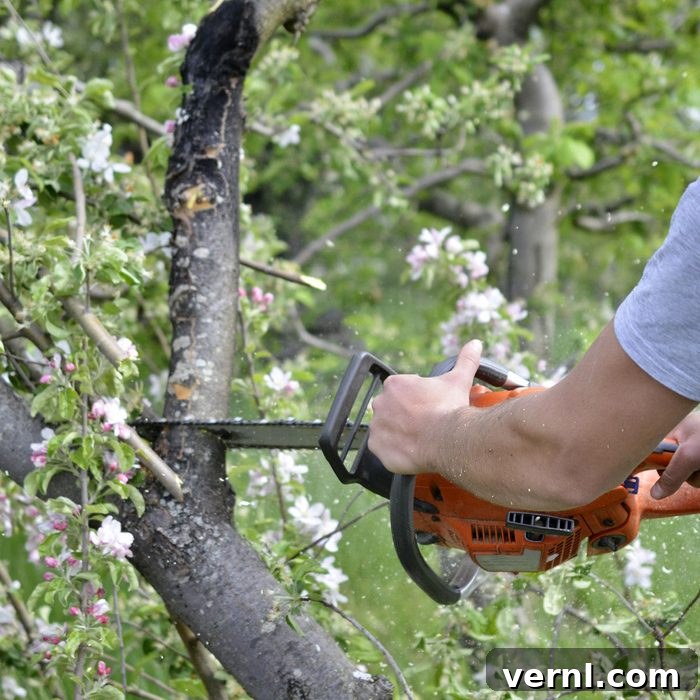
Chainsaw Maintenance and Repair Considerations: Ensuring Longevity and Performance
Proper maintenance is not just about extending the life of your chainsaw; it's crucial for safe and efficient operation. Neglected maintenance can lead to poor performance, increased risk of accidents, and costly repairs. Chainsaw maintenance primarily involves two main components: the cutting chain/bar and the motor.
Chain and Bar Care: The Foundation of Cutting Performance
Regular inspection and care of the chain and guide bar are paramount. Always keep the chain and bar free of debris such as dirt, sawdust, and twigs, as these can impede performance and cause premature wear. Crucially, maintain proper chain tension; a chain that is too loose can derail and cause injury, while one that is too tight can cause excessive wear on the bar and motor. Furthermore, consistently ensure the automatic oiler is working correctly and the chain oil reservoir is adequately filled. All these tasks are relatively easy for homeowners to perform and should ideally be done on a regular basis, preferably after each significant use, or at the very least, before storage.
Sharpening the Chain: A sharp chain is a safe and efficient chain. The frequency of sharpening will vary depending on the intensity and nature of use, but a good general rule for gas models is to sharpen the chain every time you refill the gas tank. For electric models, sharpening after a full day's use is a good practice. No matter what type of saw you own, if you notice it's taking longer to cut, requiring excessive pressure, or producing sawdust instead of chips, it's definitely time to sharpen the chain. You can choose to sharpen it manually with a round file and a guide, or using a rotary tool with a specialized grinding attachment. If you're uncomfortable doing it yourself, most lawnmower service centers or blade sharpening shops offer professional chainsaw sharpening services.
Motor Maintenance: Keeping Your Saw Running Smoothly
For a gas-powered engine, maintenance extends to the internal components. You'll need to periodically clear or replace the air filter to ensure proper airflow to the carburetor, and inspect/replace the spark plug for optimal ignition. An annual tune-up by a professional can address more complex issues like carburetor adjustments. For off-season storage, it's crucial to run the engine until it's completely out of fuel to prevent fuel degradation and carburetor clogging. After draining, clean and oil the entire tool, then store it in a dry, protected environment.
Electric chainsaws generally require less engine-specific maintenance. After each use, they should be wiped down to prevent rust and ensure vents are clear of debris, which can cause motor overheating. Battery-powered models require proper battery care, including charging according to manufacturer guidelines and storing batteries in a cool, dry place. Overall, electric models present fewer engine concerns compared to their gas-powered counterparts, making them a more convenient option for many users.
Whether you prefer a completely DIY approach or a professional touch, general chainsaw maintenance is often integrated into an annual lawn tool check-up. Most lawnmower service centers are well-equipped to handle chainsaw maintenance and repairs, allowing you to conveniently drop off all your outdoor power equipment together.
About the Expert
- Jeremy Yamaguchi is a respected lawn care expert and the CEO of Lawn Love, a technology-driven company dedicated to modernizing the lawn care industry through innovative solutions. His expertise provides valuable insights into outdoor power equipment and property maintenance.