
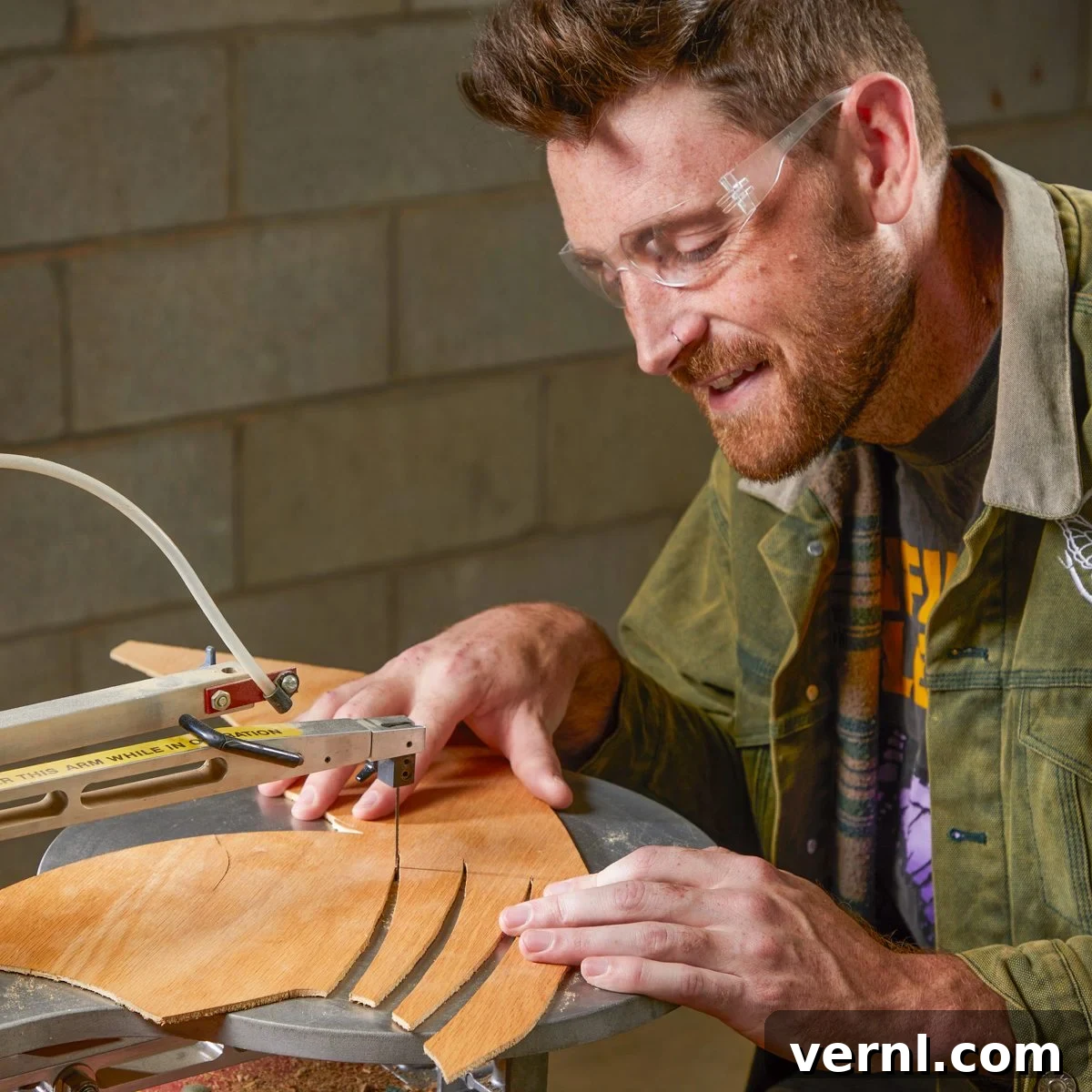
From Dumpster Diving to Dream Designs: The Inspiring Story of Wood Artist Ike Wynter
In the vibrant art scene of Milwaukee, one artist is making waves, not just for his stunning creations but also for his commitment to sustainability. Ike Wynter, a talented wood artist, didn’t initially set out to establish a studio; his primary motivation was to prevent valuable materials from ending up in landfills. His journey is a testament to the power of curiosity, resourcefulness, and a passion for turning discarded items into breathtaking works of art. This is the story of how a simple desire to repurpose waste blossomed into a thriving art career.
“I’ve always been a dumpster diver at heart,” Wynter admits. His perspective was shaped by his experience working for his family’s junk-removal business. He observed a recurring and disheartening trend: While metal could be recycled and clothing donated, flawed or chipped wood inevitably ended up in the dumpster, destined for a landfill. This realization sparked a desire to find a better solution.
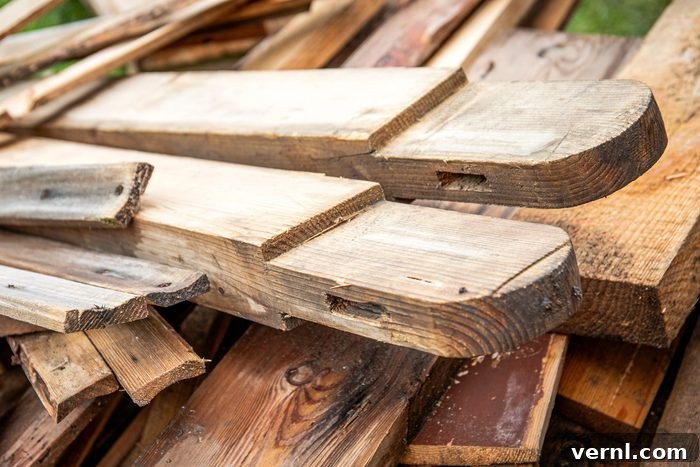
Driven by his innate curiosity, Wynter began collecting these discarded materials – boards salvaged from demolition sites, pallets rescued from alleys, and fencing recovered from yard waste piles. “I started picking it up and thought, ‘Could we repurpose this? Is there a way to give this wood a new life?’” he recalls. This simple question ignited a creative practice that continues to define his work and inspire his unique artistic vision today. Wynter’s journey proves that art can not only be beautiful but also environmentally conscious.
This article explores the key factors that propelled Wynter from a hobbyist tinkering with would-be trash to a recognized artist who has discovered his niche, cultivated a devoted audience, and collaborated with prominent figures in the world of sports and entertainment. Discover how he built his brand, overcame challenges, and continues to push the boundaries of what’s possible with reclaimed materials.
The Humble Beginnings: Starting Small and Experimenting with Wood
Between 2016 and 2020, Wynter dedicated his nights and weekends to experimenting with his newfound passion. Equipped with only a handful of basic tools, he began cutting, fitting, and creatively reimagining the scraps he had collected. Pallets quickly became a favorite material. “They’re free, they’re versatile, and they’re literally everywhere,” he explains. However, working with pallets also presented a challenge – they were notoriously difficult to cut. This obstacle proved to be a valuable lesson in patience and precision, skills that would become essential to his craft.
Initially, Wynter focused on creating functional pieces, such as coffee tables. He built nine tables in just a few months, honing his skills and learning the nuances of woodworking. But his artistic spirit soon led him to explore more expressive and abstract forms. He discovered a passion for crafting bold mosaics that highlighted the unique textures, grains, and colors of weathered wood. These mosaics became his signature style, showcasing the inherent beauty of reclaimed materials.
From Hobby to Hustle: Turning Passion into a Profession
The COVID-19 pandemic, while challenging in many ways, provided Wynter with increased studio time and encouraged him to share his artwork more actively on social media platforms. However, a pivotal moment occurred offline, solidifying his belief in the value of his work. At a wedding, Wynter showed photos of one of his pieces to a guest, who immediately inquired about the price. “I spontaneously said $750, and he Venmo’d me on the spot,” Wynter remembers. “It wasn’t just about the money; it was about the validation and respect that something I built from reclaimed wood actually had tangible value.”
By 2021, Wynter made the bold decision to leave his family business. He briefly worked with a Los Angeles-based nonprofit organization that connected children with celebrities. This opportunity led to his first major commission: a heart-shaped artwork featuring Mike Tyson’s iconic face tattoo. “[The nonprofit] had followed me on Instagram and asked if I’d be interested in building something unique for Tyson,” Wynter shares. This commission marked a significant turning point in his career, demonstrating his ability to create personalized and impactful pieces for high-profile clients.
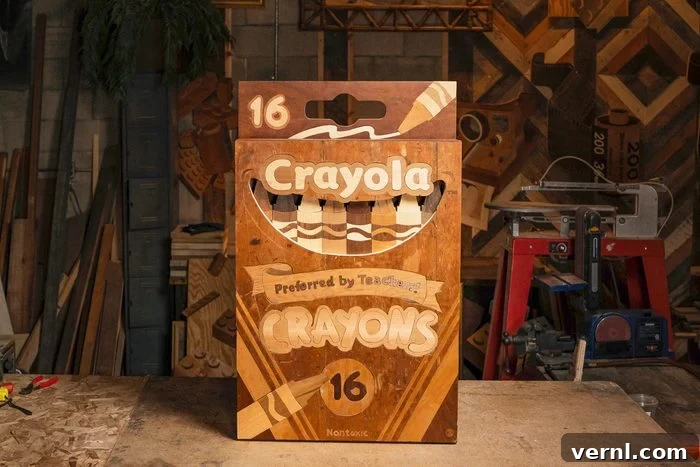
In 2023, Wynter returned to Wisconsin and fully committed himself to his art. His online presence quickly gained traction. A viral Crayola box piece opened doors to exciting collaborations with major organizations, including the Milwaukee Brewers, the Milwaukee Bucks, the NHL’s Stanley Cup, and the NFL Draft. “Most of the time, I create the art first, then brands reach out to me with collaboration proposals,” he explains. His consistent posting and engagement transformed him from a local artist into a nationally recognized collaborator, proving the power of social media in the art world. Despite his success, Wynter remains grounded in his initial passion. “I’m not primarily motivated by money. I still create art out of pure joy and curiosity; that’s what keeps my work alive and authentic.”
The Power of Simplicity: Keeping Your Toolkit Lean
While many woodshops are filled with expensive and specialized equipment, Wynter deliberately keeps his toolkit simple and streamlined. “Almost a decade into my artistic journey, I still primarily use only four tools,” he says. A circular saw, jigsaw, miter saw, and essential measuring tools – such as a tape measure and pencil – are all he needs to complete most of his projects. “You don’t need a massive arsenal of tools to be creative. Simplicity encourages resourcefulness and forces you to think outside the box.”
While Wynter’s toolkit has remained relatively consistent, his choice of materials has evolved significantly with each project. Pallets initially formed the foundation of his work but eventually gave way to picket fences and discarded dressers. Lately, he has been particularly drawn to prepainted or stained furniture. “If I found a purple dresser, that would be like striking gold. I intentionally avoid staining or painting wood myself, but if it already has color, I’ll definitely incorporate it into my piece.” This deliberate choice forces him to see familiar materials in new and exciting ways, constantly pushing the boundaries of his creativity.
The Bigger Picture: Addressing Environmental Concerns Through Art
Wynter’s work subtly underscores a significant environmental issue. According to the Environmental Protection Agency, Americans discarded a staggering 12.1 million tons of furniture and furnishings in 2018, with over 80% ending up in landfills. Wood alone accounted for 18.1 million tons of municipal solid waste. While an impressive 95% of wood pallets are recycled, the majority of other wood products are not, meaning that artists like Wynter play a crucial role in intercepting these materials before they are buried and lost forever.
“Every day, people throw away stuff that I can readily use,” he says. “My mission isn’t necessarily about single-handedly saving the world, but if I can keep even a small amount of material out of landfills and transform it into something beautiful and meaningful that people love, that feels like the right thing to do.” Wynter’s dedication demonstrates how art can contribute to a more sustainable future, one piece of reclaimed wood at a time.
Forging Connections: The Power of Nostalgia in Art
A significant aspect of Wynter’s art is its ability to tap into collective nostalgia, instantly forging an emotional connection with his audience. He has repurposed fencing into a SpongeBob-inspired piece, instantly recognizable and endearing to many, and his viral Crayola box art evokes fond memories of childhood classrooms. “Nostalgia is arguably the most powerful drug,” he says. “If someone scrolling through Instagram sees a piece that instantly takes them back to a specific moment in their life, that creates a unique and powerful opportunity for connection.”
His dream commissions include collaborations with Tony Hawk and Green Day, iconic figures from his youth. “So much of my work is deeply rooted in childhood experiences and cherished memories,” he explains. These dream projects reflect his desire to honor the influences that shaped his artistic vision and continue to inspire his work.
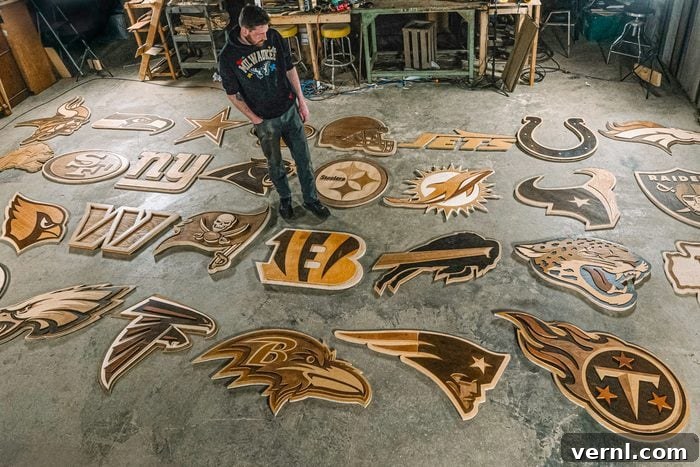
Wynter’s career path may seem unconventional, but his formula for success is remarkably simple: maintain a lean toolkit, work with the materials you have readily available, and allow the inherent characteristics of the material to guide the final outcome. His pieces don’t just tell stories of nostalgia; they embody the rich history of every board, dresser, or pallet that went into creating them. For Wynter, that’s more than enough reason to continue cutting, joining, and sharing his unique perspective with the world.
From Scrap to Success: 6 Actionable Tips That Pay Off for Woodworkers
Inspired by Ike Wynter’s remarkable journey? Take these insightful cues from his experience to transform your woodworking hobby into a fulfilling and potentially profitable endeavor.
1. Embrace Experimentation First
Don’t be overly concerned with achieving perfection or generating profit in the initial stages – simply start cutting and experimenting. Early projects are invaluable learning experiences, teaching you what techniques work effectively and what ones to avoid. Embrace the learning process and don’t be afraid to make mistakes.
2. Limit Your Tool Collection
A few reliable saws and basic measuring tools will take you surprisingly far. Limiting your tool collection encourages you to think more creatively and develop innovative solutions using the resources you have on hand. Quality over quantity is key.
3. Leverage Free Resources
Pallets, discarded fencing, and unwanted furniture are excellent materials for practicing your woodworking skills. They are readily available, inexpensive, and often possess unique characteristics that will challenge your skills and push you to think outside the box.
4. Continuously Push Your Materials
Each year, make a conscious effort to explore a new wood source or experiment with a new woodworking technique. Maintaining flexibility and adaptability keeps your creative process fresh, engaging, and continuously growing. Embrace new challenges and never stop learning.
5. Build Before Sharing Online
Avoid waiting for custom commissions to materialize. Instead, focus on creating the work you genuinely want to see in the world. Showcase finished pieces on social media platforms to attract attention and generate interest. Tangible creations are much more compelling than abstract ideas alone.
6. Prioritize Fun and Enjoyment
The quickest path to burnout is to treat every project as a mere means to a paycheck. Protect the playful and exploratory aspects of the creative process – that’s what will fuel your passion and keep you coming back to the woodshop for years to come. Remember why you started woodworking in the first place and embrace the joy of creating.