
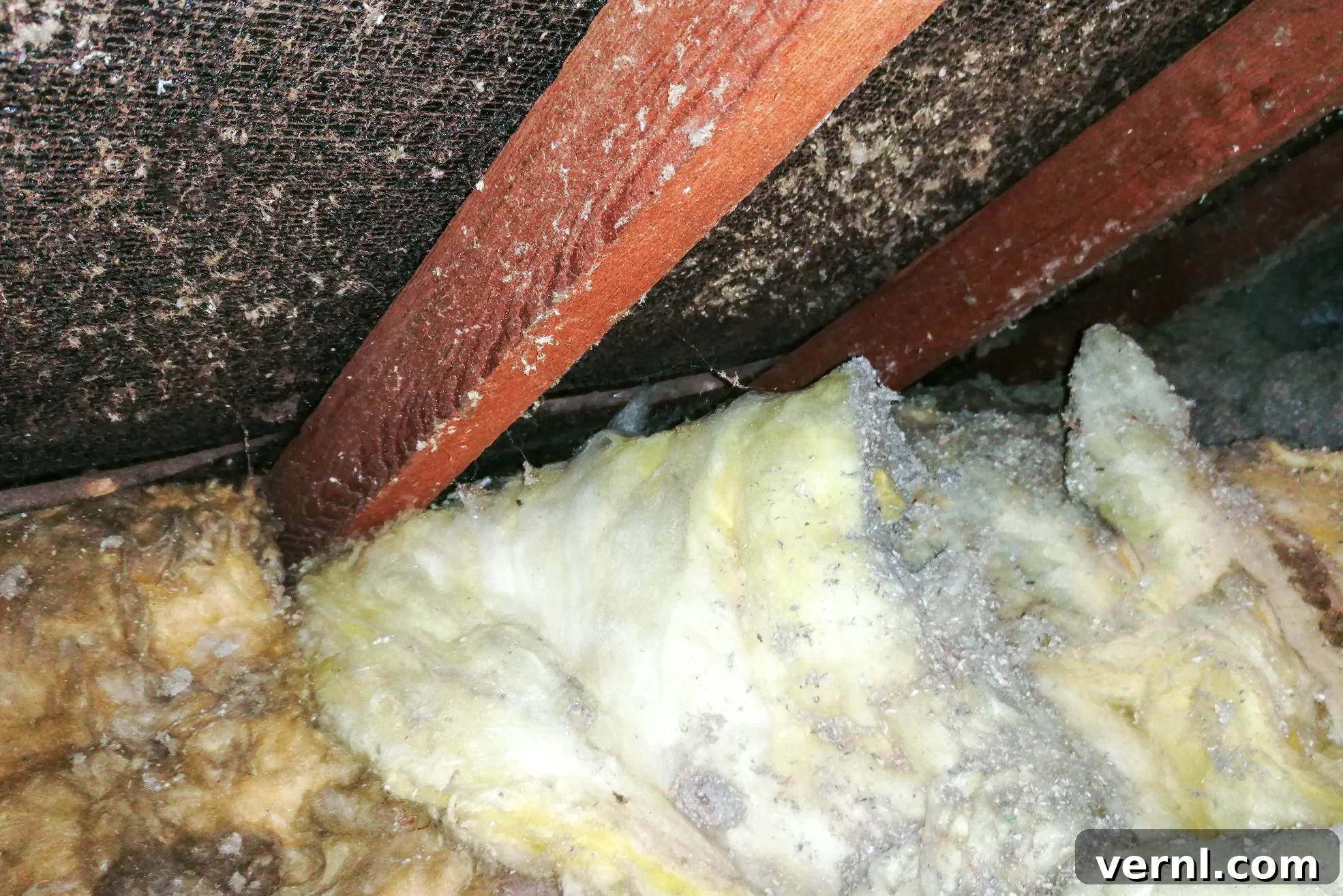
For centuries, asbestos was hailed as a miracle material. This naturally occurring fibrous silicate mineral was celebrated for its remarkable properties: it was incredibly abundant, completely non-combustible, and highly resistant to corrosion from chemicals. Its strength and versatility made it a valuable resource across many civilizations and industries.
Ancient civilizations quickly recognized its unique qualities. The Greeks ingeniously spun asbestos fibers into durable cloth, while the Romans utilized it to craft long-lasting candle wicks. Potters, keen to enhance the resilience of their creations, incorporated these strong fibers into clay goods, providing much-needed reinforcement. The true industrial boom for asbestos began in the 1800s, with the discovery of vast deposits in parts of Canada and the Northern U.S. This led manufacturers to integrate asbestos into a wide array of construction materials, most notably insulation, where its heat-resistant properties were highly prized.
However, the 20th century brought a stark awakening. Scientific and medical communities began to unequivocally recognize asbestos as a severe health hazard. This realization initiated a gradual, but ultimately widespread, movement to restrict and, in many cases, ban its use. Consequently, houses built prior to the 1980s frequently still harbor asbestos-containing insulation. Homeowners might find it hidden within wall cavities, attics, wrapped around pipes, or in various other structural components.
“Distinguishing asbestos-containing insulation solely by sight is often impossible,” advises Michelle Whitmer, a recognized asbestos expert affiliated with The Mesothelioma Center. “For the safety of their households, homeowners should always enlist qualified professionals to test any suspicious materials rather than relying on unreliable DIY testing kits.”
Conversely, Reuben Saltzman, CEO of Structure Tech, offers a slightly different perspective. He argues that some of the most prevalent asbestos-containing materials—specifically vermiculite loose-fill and pipe insulation—can indeed be identified with a reasonable degree of certainty by an informed observer, though professional confirmation remains paramount for safety.
When Was Asbestos Insulation Banned? Navigating the Complex Regulatory Timeline
The link between asbestos exposure and debilitating diseases began to emerge in the early 1900s, sparking initial concerns that would eventually reshape industrial practices. Despite these early warnings and persistent opposition from various manufacturing sectors, efforts by the U.S. government to regulate its use slowly gained momentum starting in the 1930s. The true turning point arrived in the 1970s, when Congress enacted pivotal legislation, empowering federal agencies to impose much-needed restrictions on asbestos use.
Operating under the authority granted by one such landmark law, the Occupational Safety and Health Administration (OSHA) made a significant declaration in 1975, officially classifying asbestos as a human carcinogen. This classification underscored the severe health risks associated with the material and paved the way for stricter workplace safety standards.
Following the passage of the Toxic Substances Control Act (TSCA) in 1976, the Environmental Protection Agency (EPA) initiated concerted efforts to ban asbestos from building materials. While these regulatory actions did not constitute an immediate, outright prohibition of all asbestos products, they unmistakably signaled the beginning of the end for widespread asbestos insulation in construction. These legislative and regulatory milestones set the stage for a dramatic decline in asbestos use.
Despite these growing restrictions, asbestos continued to be used in various applications throughout the 1980s. A more comprehensive attempt at prohibition came in 1989 when the EPA issued a sweeping ban and phase-out rule. This ambitious regulation aimed to prohibit the manufacture, importation, processing, and sale of almost all asbestos-containing products. However, this critical ruling faced a significant legal challenge. In 1991, the U.S. Court of Appeals for the Fifth Circuit overturned a substantial portion of the ban, a decision that allowed asbestos to remain permissible in a limited number of products, such as specific automobile brake linings and gaskets, where its unique properties were deemed difficult to replace.
The regulatory landscape continued to evolve. New legislation eventually enhanced the EPA’s authority, leading to the issuance of a final rule in 2019 that specifically banned asbestos in all new construction materials, reinforcing the commitment to eliminate its presence in future building projects and safeguarding public health.
What Does Asbestos Insulation Look Like? Key Visual Indicators
Visually identifying asbestos insulation can be challenging due to its varied forms and appearances. “Asbestos insulation may manifest as a wrapping material or a loose-fill material, presenting either a fluffy, cloud-like texture or a more stony, granular appearance,” explains Michelle Whitmer. Understanding these different forms is crucial for homeowners assessing their properties.
Whitmer elaborates further: “The types of insulation most commonly found in homes that are likely to contain asbestos include loose-fill vermiculite insulation and the distinctive wrap insulation often found securely applied around pipes and older air conditioning units. While less common in residential settings, some homes might also contain spray-on or block insulation that incorporates asbestos, though these materials were more predominantly used in larger commercial or industrial buildings.”
Asbestos Pipe Insulation: A Common Culprit
Asbestos pipe insulation is a particularly prevalent form in older homes. “This type of insulation is frequently white and may be meticulously taped into place,” Whitmer observes, emphasizing that visual inspection alone is insufficient. She cautions that many varieties of wrap insulation do not contain asbestos, underscoring the critical need for professional testing to confirm its presence. Reuben Saltzman provides a compelling visual clue: “If you examine a cross-section of the pipe insulation, it often presents a cardboard-like appearance. When you encounter this specific visual characteristic, it is almost a definitive indicator that the material contains asbestos.” This distinctive layered, fibrous look can be a strong warning sign for homeowners.
Fibrous Loose-Fill Insulation: Beyond the Common Eye
According to Saltzman, the likelihood of encountering fibrous loose-fill insulation containing asbestos is relatively low compared to other forms. However, Whitmer notes that smaller quantities of loose-fill material embedded with asbestos fibers could still be present in some older structures. “Some loose-fill asbestos insulation may appear whitish or a dull gray and possess a fluffy, soft texture,” she states, offering a general description. Distinguishing this from modern alternatives is key: fiberglass insulation typically stands out with its characteristic yellow or pink hues, while cellulose insulation usually resembles small, shredded pieces of paper.
Whitmer provides more detailed insights into the color variations, which are often indicative of the specific asbestos variety present. Whitish insulation is frequently composed of amphibole asbestos types such as chrysotile and tremolite, which can also exhibit greenish tinges. Grayish loose-fill, on the other hand, often indicates the presence of crocidolite, a serpentine asbestos known for its distinctive bluish tint. Other asbestos types, including amosite and anthophyllite, may impart a brownish coloration to the loose-fill material, adding to the complexity of visual identification.
Vermiculite: The “Zonolite” Connection
“Without a doubt, the most significant type of insulation known to contain asbestos is vermiculite,” asserts Saltzman. He vividly describes vermiculite as a material that is light and fluffy, resembling small, shiny rocks, yet possessing an incredibly low density—akin to Styrofoam in weight. The primary offender in this category is vermiculite sourced from the infamous Libby, Montana mine, which was extensively marketed under the brand name Zonolite. This specific origin is crucial, as the Libby mine was contaminated with a particularly dangerous form of amphibole asbestos.
If you discover this type of insulation in your walls or attic, Saltzman advises against merely sending a sample to a standard lab for testing without understanding the nuances. This is because the asbestos content in Zonolite often falls below the EPA’s typical threshold level of one percent for regulated materials. Despite this, he emphatically warns, “This particular material is still very, very dangerous.” The unique characteristics of the asbestos from the Libby mine mean that even low concentrations pose significant health risks.
The recommended course of action for suspected Zonolite vermiculite is specific and vital: contact the Zonolite Attic Insulation Trust. This organization provides specialized test kits designed to accurately determine if your vermiculite originated from the Libby mine. After collecting a sample and mailing it to them, they will perform the necessary analysis. Saltzman’s overarching advice is unequivocal: “My counsel is to treat it as if it does contain asbestos until irrefutably proven otherwise.” This precautionary principle is essential for safeguarding health given the severe risks associated with Libby vermiculite.
Asbestos Block Insulation: Rigid and Often Fibrous
Asbestos block insulation doesn’t typically appear as solid blocks, but rather as rectangular batts or panels, ranging in thickness from one to four inches. These rigid insulation materials are commonly manufactured from a composite of foam, fiberglass, and, significantly, asbestos. The asbestos fibers are often visually discernible as small, hair-like strands that may protrude from or be embedded within the surface of the panels, offering a potential, though not definitive, visual cue to its presence.
Asbestos Foam Insulation: A Bumpy, Fibrous Texture
Asbestos spray foam, a material frequently encountered in the basements of older residences, bears a superficial resemblance to modern polyurethane foam. However, key visual differences can help in its identification. Unlike the typical yellowish hue of polyurethane, asbestos spray foam often presents as a gray color and features a distinctly bumpy, fibrous texture. Saltzman suggests that if this insulation is found to be in pristine condition and remains undisturbed, the safest approach is often to leave it in place. Conversely, should any of the foam show signs of fraying or degradation, his recommendation is to encapsulate it with a protective elastomeric or plastic coating to prevent fiber release and ensure safety.
How To Tell the Difference Between Cellulose and Asbestos Insulation
Following 1976, cellulose rapidly emerged as the most common and safer substitute for asbestos loose-fill insulation in residential construction. In particularly old homes, it is not uncommon for homeowners to find a mixture of both cellulose and asbestos materials within wall or attic cavities, making visual differentiation crucial but challenging.
A fundamental distinction lies in their composition: cellulose insulation is fundamentally non-fibrous, unlike asbestos. “If the material clearly looks like fiberglass or cellulose, it will not contain asbestos,” Saltzman confidently states, providing a basic guideline for immediate visual assessment.
However, the most effective method for distinguishing between cellulose and potentially asbestos-containing loose-fill insulation often involves observing their color and texture. Cellulose insulation typically displays a range of pastel shades, commonly appearing as white, light yellow, or various tones of gray. While some asbestos loose-fill may also present as white or gray, it frequently exhibits subtle but important tinges of other colors, such as blue, brown, or even black. These darker or more unusual color variations can be significant indicators of asbestos content, prompting the need for professional testing.
What To Do if You Find Asbestos Insulation: Prioritizing Safety
If you harbor any suspicion regarding the presence of asbestos insulation in your home, immediate testing is paramount. While various DIY kits are available for purchase, allowing you to collect a sample and mail it to a laboratory, Michelle Whitmer strongly advocates for a more cautious and professional approach. Following her advice, engaging certified professionals to conduct on-site testing is undeniably safer, albeit typically more expensive. This investment in professional expertise helps mitigate the risk of accidental fiber release during sampling.
The cost disparity between these approaches is notable: DIY kits generally range from $10 to $35, often including postage for lab analysis. In contrast, an in-home professional evaluation for asbestos can cost anywhere from $200 to $800, with the price fluctuating based on the size of your property and the estimated extent of potential asbestos contamination.
Should the insulation unequivocally test positive for asbestos, it does not automatically necessitate immediate removal. If the material is located within a sealed cavity, such as behind an undisturbed wall, or if it is securely locked into a solid, stable form—meaning its microscopic fibers cannot become airborne—it is generally considered safe to leave it in place. This principle, known as encapsulation or containment, is a viable management strategy when the material is not disturbed.
However, the situation drastically changes during renovation or remodeling projects. Any activity that disturbs the insulation—such as drilling, cutting, or demolition—will inevitably release asbestos fibers into the air, posing a significant health risk. In such scenarios, professional testing and subsequent removal become absolutely unavoidable and critical for safety.
It’s important to note that while no overarching federal law explicitly prohibits homeowners from attempting to remove asbestos insulation themselves, numerous state regulations do exist, often imposing stringent requirements and restrictions. Furthermore, undertaking DIY asbestos removal is an exceedingly dangerous endeavor. Microscopic asbestos fibers, once inhaled, can settle deep within the lungs, leading to a range of severe and often fatal illnesses, including a particularly aggressive form of cancer known as mesothelioma, as well as asbestosis and lung cancer. These diseases have long latency periods, often manifesting decades after exposure.
Regardless of your specific location, the most prudent and responsible course of action is always to contact a qualified and licensed asbestos abatement company. These professionals possess the specialized training, equipment, and protocols necessary to safely and effectively remove asbestos insulation, ensuring proper containment, disposal, and the protection of your health and the environment.
About the Experts
- Michelle Whitmer is a distinguished writer and asbestos expert affiliated with The Mesothelioma Center, part of Asbestos.com. Her extensive background includes more than 14 years of dedicated experience covering complex medical and environmental issues related to asbestos.
- Reuben Saltzman serves as the CEO of Structure Tech, a reputable Minnesota-based home inspection service Structure Tech. He is also a respected educator, conducting comprehensive home inspection seminars and training sessions across the United States.