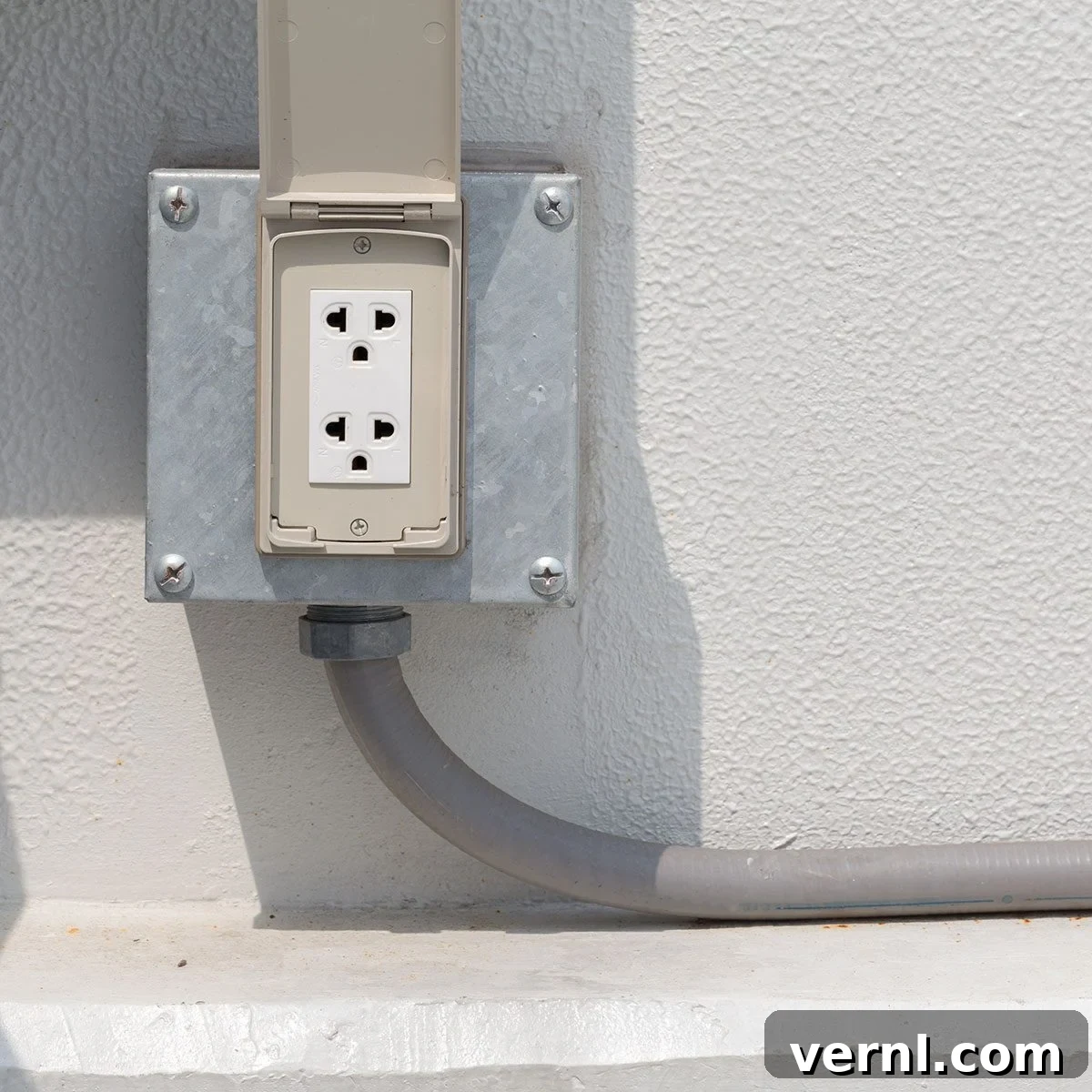
Navigating Electrical Outlet Codes: Essential Guide to Outdoor and Garage Receptacles for Home Safety and Convenience
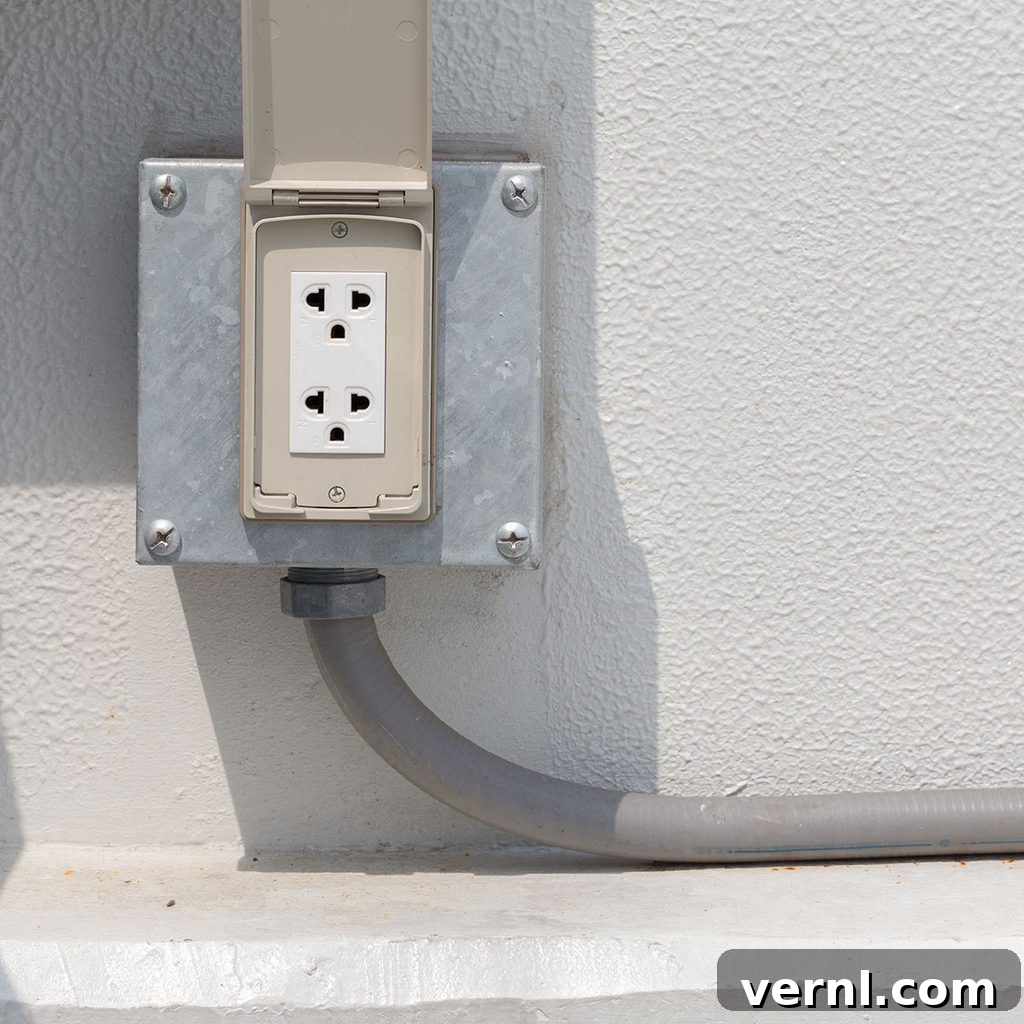
Electrical outlets are fundamental to our daily lives, powering everything from our morning coffee to our evening entertainment. However, when it comes to areas like the exterior of our homes and garages, specific electrical codes and best practices come into play to ensure safety, efficiency, and convenience. Navigating these requirements can seem daunting, but a clear understanding is vital for both homeowners and professional electricians. This comprehensive guide will delve into the critical aspects of outdoor and garage receptacle outlets, highlighting code compliance, safety features, and practical considerations that go beyond the minimum requirements.
Outdoor Receptacle Outlets: Powering Your Exterior Safely
The exterior of your home is not just for curb appeal; it’s a dynamic space that often requires electrical power for various activities. From seasonal decorations and lawn care equipment to outdoor entertaining and lighting, readily available and safe electrical outlets are indispensable. Electrical codes mandate the installation of outdoor receptacle outlets in specific locations to address safety concerns and enhance practicality. These requirements are primarily designed to prevent hazardous practices, such as running extension cords through doorways, which can pinch wires, create tripping hazards, and compromise weather sealing.
Mandatory Placement and Accessibility
According to current electrical standards, outdoor receptacle outlets are required to be installed on both the front and back of a home. This ensures that a power source is conveniently located for tasks around the perimeter of your property. Additionally, receptacle outlets are required around a garage, whether it’s attached or detached, providing essential access for powering tools, car vacuums, or other equipment used in the vicinity.
The basic rule governing the placement of these outlets dictates that they must be readily accessible from grade level. This means they should not be obstructed by permanent fixtures or landscaping that would make them difficult to reach. Crucially, they must be installed not more than 6 ½ feet above grade level. This specific height limit, applicable to both the front and back of the home, ensures that the outlets are within easy reach for most individuals without requiring a ladder, thus minimizing the risk of falls or strains while plugging in devices. Strategic placement can also consider potential future additions like outdoor kitchens, patio heaters, or dedicated outdoor entertainment systems, laying the groundwork for a more functional outdoor living space.
Essential Safety Features for Outdoor Receptacles
Given their exposure to environmental elements and the potential for contact with water, outdoor receptacles are subject to stringent safety requirements. Three key features are non-negotiable for outdoor electrical outlets:
- Ground Fault Circuit Interrupter (GFCI) Protection: This is perhaps the most critical safety feature for any outdoor outlet. A GFCI device is designed to protect people from severe or fatal electric shocks. It works by monitoring the electrical current flowing through a circuit and quickly cutting off power if it detects an imbalance, which typically indicates a ground fault – a situation where electricity is escaping the circuit, potentially through a person. For outdoor applications, where water contact is always a risk, GFCI protection is absolutely vital. Many outdoor receptacles come with built-in GFCI, or they can be protected by a GFCI circuit breaker in the service panel.
- Tamper-Resistant (TR) Features: While often associated with indoor child safety, tamper-resistant receptacles are also required for outdoor use. TR outlets feature an internal shutter mechanism that prevents foreign objects (like paper clips or hairpins) from being inserted into the slots, unless a two-pronged plug is inserted simultaneously. This design significantly reduces the risk of accidental electrical shock, particularly for curious children who might be playing outdoors.
- Weather-Resistant (WR) Construction: Exposure to rain, snow, humidity, and UV radiation necessitates that outdoor outlets are built to withstand these conditions. Weather-resistant receptacles are constructed with specialized materials that resist corrosion, UV degradation, and moisture ingress. Furthermore, they must be housed in appropriate weather-protective enclosures. These enclosures typically fall into two categories:
- “In-Use” or “While-in-Use” Covers: These covers allow a cord to remain plugged into the outlet while the cover is closed, providing continuous protection from the elements. They are essential for applications where a device (like holiday lights or a fountain pump) remains plugged in for extended periods.
- “Bubble” or “Weatherproof” Covers: These covers provide protection when an outlet is not in use, effectively sealing the receptacle against moisture and dirt. They are crucial for outlets that are used intermittently.
The correct type of cover depends on the specific use case and local code interpretation, but ensuring adequate weather protection is paramount to the longevity and safety of the outdoor electrical system.
By adhering to these placement and protection requirements, homeowners can enjoy the convenience of outdoor power with the assurance of robust safety measures, minimizing risks associated with electrical hazards in exposed environments.
What to Know About Garage Receptacles: Powering Your Workshop and More
The garage has evolved from a simple parking space to a multi-functional area that often serves as a workshop, storage unit, home gym, or even an extension of the living space. For many of us, there is no such thing as having too many receptacles in our garages. It seems like we could always have a few more to power tools, chargers, lighting, or specialized equipment. While this sentiment is common, the garage electrical outlet code provides a minimum set of installation rules, including critical height specifications and quantity requirements.
Minimum Code Requirements for Garage Outlets
The basic rule for garage receptacles is designed to ensure a baseline level of accessibility and utility. Specifically, one receptacle outlet needs to be installed in each vehicle bay. This means a two-car garage would typically require two outlets, one per bay. This requirement applies to both attached garages, which are structurally connected to the main dwelling, and detached garages that are supplied with electric power. It’s important to note that a detached garage is not inherently required to be supplied with electric power; that remains an option for the owner based on their needs and budget. However, if power is extended to a detached garage, these receptacle requirements become applicable.
In terms of placement, these required outlets must be installed not more than 5 ½ feet above the floor. This height is generally considered optimal for easy access to plug in most common garage equipment, such as vacuum cleaners, battery chargers, and power tools, without excessive bending or stretching. It also helps keep cords off the floor, reducing tripping hazards and potential damage to tools or vehicles.
Meeting Modern Demands: Electric Vehicle Charging
The fundamental idea behind requiring a receptacle outlet in each vehicle bay has gained significant importance with the rise of electric vehicles (EVs). This code provision helps ensure that a receptacle outlet is readily available for charging any electric vehicles that may be parked in the garage. While a standard 120-volt outlet (Level 1 charging) can provide a trickle charge for EVs, many EV owners opt for faster Level 2 charging, which typically requires a 240-volt outlet, often a NEMA 14-50 or 6-50 receptacle. While the code mandates a 120-volt outlet, homeowners installing an EV may need to upgrade their electrical service and install a dedicated 240-volt circuit for more efficient charging. Planning for this during initial construction or renovation is always more cost-effective than retrofitting.
Beyond the Minimum: Enhancing Garage Functionality and Safety
While the code provides a minimum standard, many homeowners find it beneficial to install additional outlets and features in their garages to maximize utility and safety. Consider these enhancements:
- Dedicated Circuits for Power Tools: If your garage doubles as a workshop, installing dedicated 20-amp circuits for heavy-duty power tools (like table saws, air compressors, or welders) is highly recommended. This prevents circuit overloads and ensures optimal performance of your equipment.
- Workbench Outlets: Strategically placed outlets along your workbench at a comfortable working height can dramatically improve workflow and reduce the need for extension cords.
- Ceiling Outlets: Outlets installed in the ceiling can be incredibly useful for connecting retractable cord reels, garage door openers, or overhead lighting systems, keeping cords off the floor and out of the way.
- GFCI Protection: Similar to outdoor outlets, garage receptacles are typically required to have GFCI protection, especially if they are located near sinks or in areas prone to dampness. This is a critical safety measure for protecting against shock hazards in a potentially wet environment.
- Lighting Circuits: While not receptacles, adequate lighting is crucial for any garage. Consider multiple light fixtures, task lighting over workbenches, and possibly smart lighting controls for enhanced convenience and energy efficiency.
- Future-Proofing: Even if you don’t currently own an EV, roughing in the wiring for a 240-volt outlet during construction can save significant costs and hassle down the road when you (or a future homeowner) decide to purchase one.
Understanding and thoughtfully planning your garage’s electrical layout, even beyond the bare minimum code requirements, can transform it into a highly functional, safe, and enjoyable space for all your projects and needs.
About the Author
John Williamson has been a distinguished professional in the electrical industry for 40 years. He is a licensed master electrician and a certified building official, bringing a wealth of knowledge and experience to his insights. John has dedicated over 23 years to public service, working for the state of Minnesota, where he currently serves as the Chief Electrical Inspector. For the past 25 years, John has also been a trusted resource, providing expert electrical code consultation to various esteemed book and magazine publishers, further cementing his reputation as a leading authority in electrical safety and compliance.