
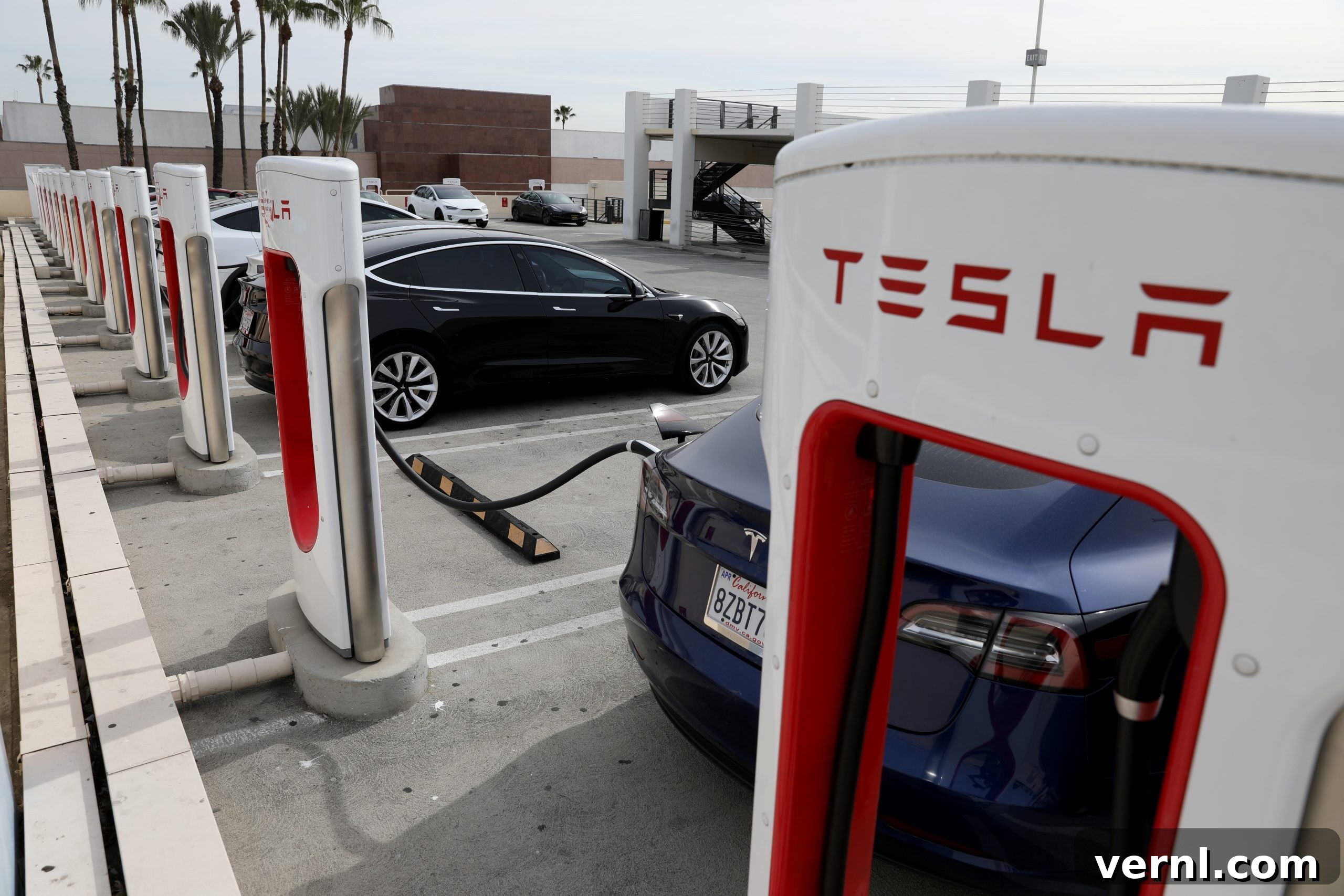
For decades, the concept of self-driving cars captivated the human imagination, largely confined to the pages of science fiction novels and futuristic films. Yet, in a testament to rapid technological advancement, companies like Austin, Texas-based Tesla have turned this futuristic vision into a tangible reality, with their innovative self-driving electric vehicles fundamentally reshaping the automotive landscape. Tesla’s pioneering spirit and continuous drive for innovation have positioned it at the forefront of the autonomous vehicle revolution, bringing advanced driver-assistance systems closer to everyday commuters.
Whether you’re an enthusiastic owner of a Tesla vehicle equipped with its groundbreaking self-driving software or simply an observer fascinated by the profound implications of this technology, staying informed about the latest developments is crucial. Recently, the automotive world witnessed a significant event: Tesla initiated a recall affecting thousands of its vehicles equipped with the Full Self-Driving (FSD) Beta software. These vehicles were identified for an essential update due to potential gaps in traffic safety compliance, prompting a closer look at the intricate balance between cutting-edge innovation and paramount road safety.
This major recall serves as a critical juncture, highlighting both the immense potential and the inherent challenges in deploying autonomous driving technologies. Understanding the specifics of this recall, its causes, the affected vehicles, and the steps for owners is vital for anyone interested in the trajectory of self-driving technology and its commitment to safety.
Why Did Tesla’s Full Self-Driving Cars Face a Recall?
The central question reverberating through the automotive industry and among consumers alike pertains to the specific reasons behind Tesla’s FSD Beta software recall. In mid-February 2023, news outlets widely reported on the recall, which was initiated following serious concerns raised by the National Highway Traffic Safety Administration (NHTSA). This federal agency, responsible for ensuring vehicle safety on U.S. roads, mandated that Tesla implement an update to its Full Self-Driving (FSD) Beta Software to address critical safety vulnerabilities.
The NHTSA’s concerns stemmed from a comprehensive evaluation that indicated the FSD Beta system, under certain operational conditions, might not consistently adhere to established traffic safety laws and practices. Specifically, the regulatory body identified instances where the software could potentially allow vehicles to engage in unsafe behaviors, thereby increasing the risk of collisions. These behaviors included the system permitting vehicles to exceed posted speed limits, especially when adjusting to surrounding traffic flow, or operating in an “unpredictable manner” through intersections. This unpredictability could manifest as failing to come to a complete stop at stop signs, proceeding through intersections without adequate caution, or making improper maneuvers that could surprise other road users and pedestrians.
In essence, the NHTSA’s mandate aimed to ensure that the autonomous system maintains a high degree of predictability and adherence to traffic laws, even when drivers are not actively controlling the vehicle. For a system operating in “beta” phase, continuous refinement is expected, but the deployment on public roads necessitates a strict adherence to safety protocols. This recall underscores the critical importance of robust testing and validation processes, ensuring that advanced driver-assistance systems (ADAS) reliably detect and respond to diverse driving scenarios while upholding the highest safety standards. The update is designed to mitigate these identified risks, reinforcing the principle that vehicles must constantly evolve to become safer, with self-driving technology being no exception.
What Specific Vehicles Were Included in the FSD Beta Recall?
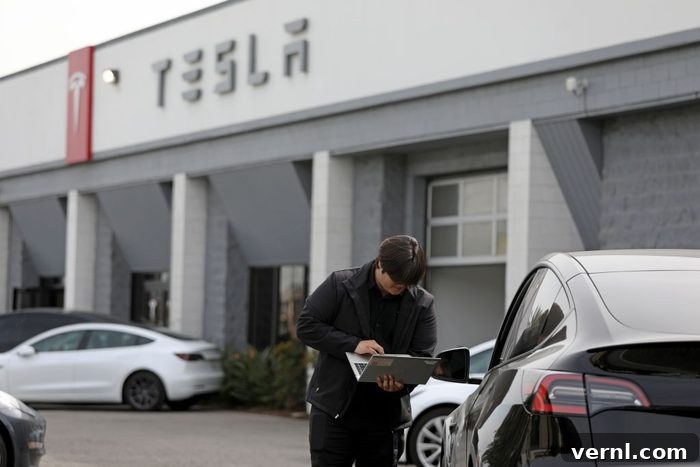
The recall announced by Tesla in collaboration with the NHTSA encompassed a significant number of vehicles, impacting approximately 362,758 units in the United States alone. This broad scope included some of the renowned automaker’s most popular and widely adopted models, all of which were either equipped with the FSD Beta software or were pending its installation. The inclusion of such a substantial fleet highlights the widespread adoption of Tesla’s advanced autonomous features and the necessity for a comprehensive safety update.
The specific models and their corresponding manufacturing years that were included in this critical safety recall are as follows:
-
Tesla Model S vehicles: Covering production years 2016 through 2023.
-
Tesla Model X vehicles: Encompassing production years 2016 through 2023.
-
Tesla Model 3 vehicles: Including production years 2017 through 2023.
-
Tesla Model Y vehicles: For production years 2020 through 2023, specifically those either currently running the FSD Beta software or slated for its installation.
This extensive list underscores that the recall was not limited to a single model but addressed a systemic software concern across Tesla’s primary vehicle lineup that utilizes the FSD Beta capabilities. Owners of these vehicles, regardless of whether they actively use the FSD Beta feature or not, were advised to pay close attention to the recall notification, as the underlying software architecture relevant to the FSD system was subject to the mandated update. The recall served as a reminder that even the most advanced automotive technologies require stringent oversight and timely updates to ensure the safety and confidence of all road users.
Essential Information for Owners of Recalled Tesla Vehicles
If you are an owner of a Tesla vehicle that falls within the scope of this significant FSD Beta software recall, understanding the immediate next steps and what to expect is paramount to ensuring your car remains road-safe and compliant. Tesla, in cooperation with the NHTSA, has put a streamlined process in place to address the identified safety concerns effectively and conveniently for all affected customers.
The most reassuring aspect for Tesla owners is that the fix for this recall is entirely free of charge. Unlike typical warranty repairs that might be subject to vehicle age or mileage limitations, recall services are mandated by federal safety regulations and must be provided at no cost to the owner. This means that regardless of how old your Tesla is or how many miles it has accumulated, the necessary software update to resolve the FSD Beta issue will be performed without any financial burden on your part.
The method of delivery for this crucial update is also designed for maximum convenience: it is an over-the-air (OTA) software update. This eliminates the need for owners to schedule a service center visit, saving time and hassle. Tesla vehicles are renowned for their ability to receive software updates remotely, much like a smartphone. Once the update is made available, your car will notify you, and you can initiate the installation process from the comfort of your home or any location with a stable internet connection. It is highly recommended to install this update as soon as it becomes available to ensure your vehicle is equipped with the latest safety enhancements and remains compliant with traffic regulations.
For more detailed information concerning the Tesla self-driving car recall, specific instructions related to your vehicle identification number (VIN), or to clarify any questions regarding the update process, the most reliable and comprehensive resource is Tesla’s official support website. Here, you can access dedicated sections on recalls and annual service, ensuring you receive accurate, up-to-date information directly from the manufacturer. Staying informed through official channels is critical for all owners.
This recall, while focused on a software update, underscores the continuous evolution of vehicle safety features and the commitment of regulators to ensure cutting-edge technologies meet stringent safety benchmarks. If this development has prompted you to reconsider your comfort level with advanced self-driving functionalities, and you are exploring alternatives, a wide array of vehicles known for their robust reliability and proven safety features are available. We have compiled a diverse list of cars that consistently demonstrate exceptional durability and performance, offering dependable options for those prioritizing established vehicle safety and traditional driving experiences.
The Evolving Landscape of Autonomous Driving and Future Implications
The recent Tesla FSD Beta recall, while a significant event, is also a critical milestone in the broader narrative of autonomous vehicle development. It highlights not only the incredible pace of innovation but also the rigorous scrutiny required to ensure these advanced systems are deployed safely on public roads. This incident serves as a stark reminder that the journey towards full autonomy is iterative, requiring continuous refinement, transparent communication, and robust regulatory oversight.
Autonomous driving technology promises a future with potentially fewer accidents caused by human error, reduced traffic congestion, and increased mobility options for various demographics. Tesla, with its FSD Beta program, is at the forefront of this ambitious vision, pushing the boundaries of what’s technologically possible. However, the “beta” designation itself signifies that the software is still under development, and real-world testing is crucial for identifying and addressing unforeseen challenges. The NHTSA’s intervention in this case demonstrates the essential role of regulatory bodies in bridging the gap between innovative deployment and public safety.
This recall also sets important precedents for the entire automotive industry. As other manufacturers continue to develop and introduce their own advanced driver-assistance systems (ADAS) and eventually fully autonomous vehicles, they will undoubtedly face similar levels of regulatory examination. The lessons learned from Tesla’s experience — regarding data collection, software validation, over-the-air updates, and responsiveness to safety concerns — will influence how future autonomous technologies are developed, tested, and brought to market globally. It reinforces the idea that innovation must go hand-in-hand with unwavering commitment to safety.
For consumers, this event underscores the importance of understanding the capabilities and limitations of any ADAS they use. While features like FSD Beta offer incredible convenience and potential safety benefits, they are not yet a substitute for attentive human driving. Drivers must remain engaged, vigilant, and prepared to take control at all times, especially when operating software that is still in its developmental stages. The continuous improvement cycle, which includes recalls and subsequent software updates, is a vital part of building public trust and ensuring that autonomous vehicles eventually achieve their full potential for safety and efficiency.
Ultimately, the Tesla FSD Beta recall is not just about fixing a software glitch; it’s about shaping the future of transportation. It’s a testament to the fact that while technology moves rapidly, the foundational principles of safety and accountability must always lead the way. As self-driving cars become more commonplace, collaborative efforts between innovators, regulators, and consumers will be key to navigating this complex yet promising technological frontier, ensuring that the roads of tomorrow are safer for everyone.