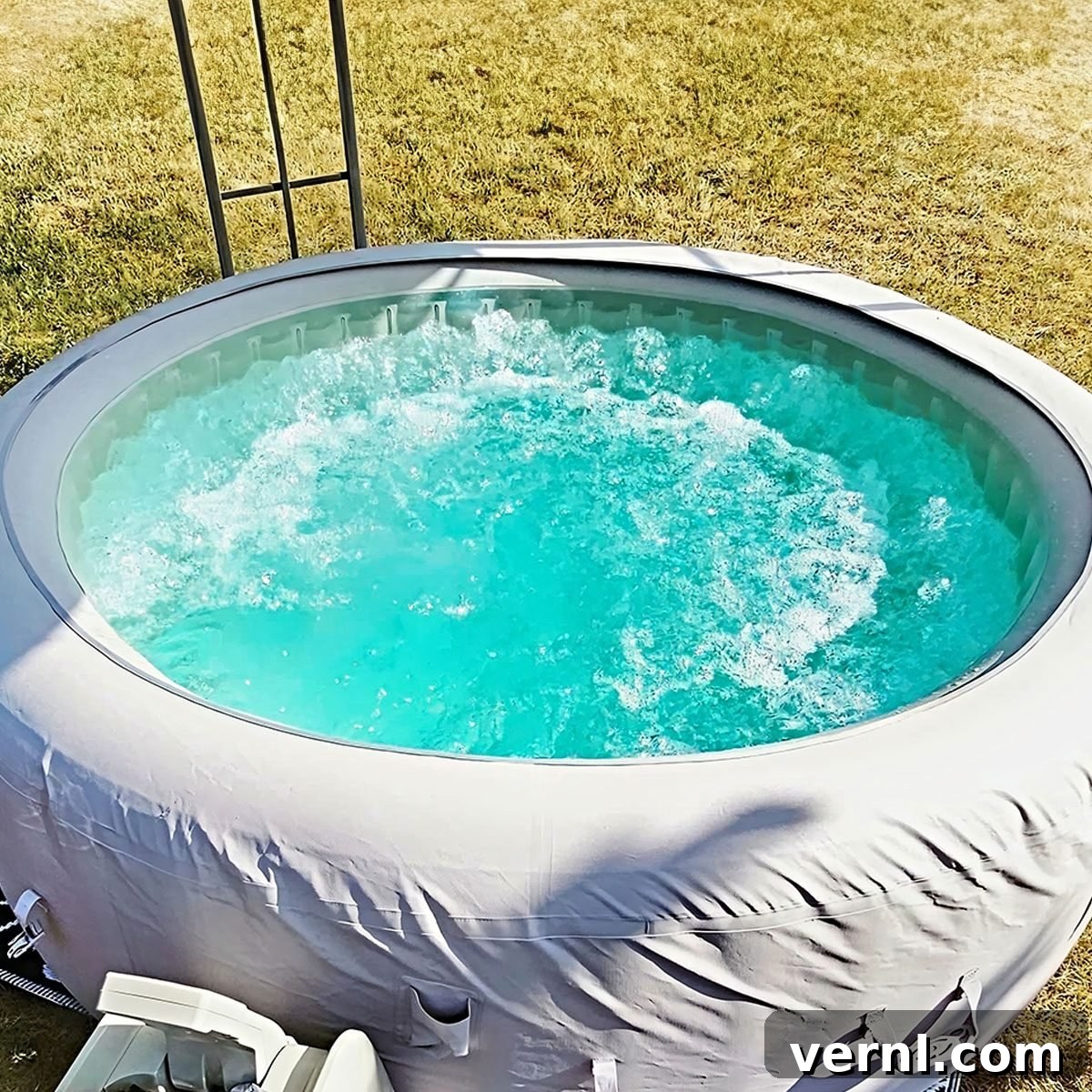
The allure of a personal hot tub is undeniable. Imagine sinking into warm, bubbling water after a long, stressful day, letting the soothing jets melt away tension and rejuvenate your senses. For many, this dream remains just that – a dream – largely due to the significant financial investment, installation complexities, and substantial space requirements of traditional, hard-shell spas. However, a revolutionary alternative has emerged, offering an accessible gateway to this luxurious experience: the inflatable hot tub.
These portable sanctuaries promise relaxation without the commitment. But with their lower price point and flexible nature, a crucial question arises: are inflatable hot tubs truly worth the investment? Do they deliver on their promise of therapeutic warmth and bubbling bliss, or are they merely a temporary indulgence that falls short of expectations?
In this comprehensive guide, we delve into everything you need to know about inflatable hot tubs. We’ve consulted with plumbing expert Steven Bahbah, Managing Director of Service First Plumbing, to uncover the intricacies of these innovative products – from their construction and cost to their safety, longevity, and maintenance needs. By the end of this article, you’ll have all the insights necessary to decide if an inflatable hot tub is the perfect addition to your home.
What Exactly Is an Inflatable Hot Tub? Your Portable Spa Explained
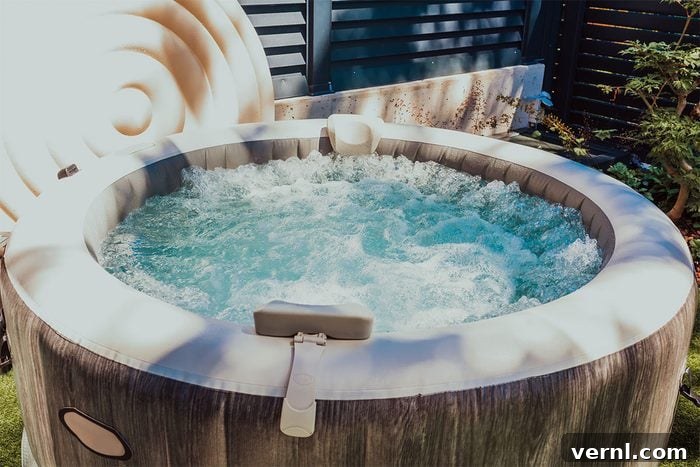
An inflatable hot tub, often referred to as a portable spa, represents a modern solution for those craving the therapeutic benefits of a hot tub without the constraints of a permanent fixture. As Steven Bahbah explains, these innovative spas are typically constructed from robust, multi-layered PVC or vinyl material. This durable composition is specifically engineered with rigid walls that are capable of safely containing hot water under pressure, ensuring both stability and comfort.
Unlike their fixed counterparts, the defining characteristic of inflatable hot tubs is their soft-sided, collapsible nature. “Being soft-sided, you can deflate and store it if you are space-challenged or would like to only use it for part of the year,” Bahbah highlights. This feature makes them an ideal choice for individuals living in apartments, condos, or homes with limited outdoor space, or for those who simply prefer the flexibility of seasonal use. The outer shell is meticulously designed to be puncture-resistant, yet surprisingly comfortable to recline against, offering a user-friendly and relaxing experience.
Beyond the shell, an inflatable hot tub integrates several key components essential for its operation. These typically include an external unit that houses the heater, a powerful air pump for inflation and bubble jets, and a filtration system to maintain water quality. A user-friendly control panel allows you to easily adjust temperature, activate the bubble jets, and manage filtration cycles, providing a comprehensive spa experience in a compact, portable package.
Unpacking the Investment: How Much Do Inflatable Hot Tubs Cost?
One of the most appealing aspects of inflatable hot tubs is their significantly lower price point compared to traditional spas. However, the cost can vary considerably based on several factors, primarily size, material quality, and brand reputation. “Depending on the brand and size, you’ll generally pay somewhere between $400 and $1,500,” advises Bahbah. This range makes them a much more accessible luxury for a broader audience.
It’s important to understand the elements that influence this price spectrum:
-
Size and Capacity: Smaller models designed for 2-4 people will naturally be less expensive than larger units accommodating 6-8 adults. The greater the capacity, the more material and heating power required, driving up the cost.
-
Material Quality and Durability: Higher-end inflatable hot tubs often feature thicker, multi-layered PVC or drop-stitch material, offering enhanced puncture resistance and insulation. These premium materials contribute to a longer lifespan and better heat retention, reflected in a higher price.
-
Features and Technology: Basic models provide essential heating and bubble jets. More advanced units may include stronger jets, built-in seating, LED lighting, digital control panels with Wi-Fi connectivity, or even saltwater systems, all of which add to the overall price.
-
Brand Reputation: Established brands known for their quality, customer service, and innovation (e.g., Intex, Bestway, Coleman) might have slightly higher prices, but often offer greater reliability and better warranty coverage.
Bahbah issues a crucial warning: “If you find one under $400, beware, it may not hold up or heat well.” Extremely low prices can often indicate subpar materials, inefficient heating elements, or a lack of crucial safety features, leading to disappointment and potential replacement costs down the line. While you might find better deals at large retailers like Walmart compared to specialty stores, always prioritize quality and safety over the absolute lowest price.
Beyond the initial purchase, consider potential ongoing costs such as replacement filters, water treatment chemicals (chlorine or bromine), and electricity usage for heating and running the pump. While these are minor compared to the upfront cost of a traditional hot tub, they are part of the ownership experience.
Built to Last? How Long Can You Expect an Inflatable Hot Tub to Last?
The longevity of an inflatable hot tub is a common concern for prospective buyers. While they aren’t designed to last for decades like some traditional spas, their lifespan can be quite respectable with proper care. Generally, an inflatable hot tub can last approximately two to five years, though some well-maintained units may exceed this range.
Steven Bahbah emphasizes the critical role of user habits in determining durability: “That is, if you take care of it, keep it clean, keep it out of the sun, and keep it off of rough surfaces.” Several factors directly influence how long your portable spa will serve you:
-
Maintenance Regimen: Consistent and correct maintenance is paramount. This includes regularly cleaning or replacing filters, balancing water chemistry, periodically changing the water, and keeping both the interior and exterior of the tub clean.
-
Usage Frequency: A hot tub used daily will naturally experience more wear and tear than one used only on weekends or occasionally. High usage demands more diligent maintenance to sustain its condition.
-
Environmental Exposure: Direct, prolonged exposure to harsh sunlight can degrade PVC and vinyl materials over time, leading to fading, brittleness, and potential cracking. Similarly, extreme cold can make the material less flexible and more prone to damage. Using a protective cover and situating the tub in a shaded area can significantly mitigate these effects.
-
Placement and Surface: Placing the hot tub on a smooth, level, and protective surface (such as a ground mat or tarp) is crucial. Rough or uneven surfaces can cause abrasion, leading to punctures or tears in the shell. Ensure the area is free from sharp objects, stones, or debris.
-
Material Quality: As mentioned regarding cost, higher-quality materials with reinforced construction and thicker walls are inherently more durable and resistant to punctures and stretching, contributing to a longer lifespan.
-
Proper Storage: If you plan to store your inflatable hot tub for part of the year, ensuring it is thoroughly cleaned, dried, deflated correctly, and stored in a temperate, pest-free environment will prevent mold growth, material degradation, and damage.
By adhering to manufacturer guidelines and adopting proactive maintenance habits, you can maximize the enjoyment and extend the operational life of your inflatable hot tub, turning a temporary pleasure into a lasting source of relaxation.
Safety First: Are Inflatable Hot Tubs Safe to Use?
Safety is a paramount concern with any appliance involving water and electricity, and inflatable hot tubs are no exception. According to Steven Bahbah, “From a safety standpoint, they’re insulated so the water never actually touches the heat and cannot burn you.” This insulation is a key design feature, ensuring that users are protected from direct contact with heating elements. Modern inflatable hot tubs are engineered with multiple safety considerations to provide a secure and enjoyable experience.
However, user responsibility plays a crucial role in maintaining this safety. Bahbah emphasizes, “It’s safe as long as you are using the manual and it’s plugged into a GFCI outlet.” Here’s a breakdown of essential safety considerations:
-
GFCI Outlet Requirement: A Ground Fault Circuit Interrupter (GFCI) outlet is absolutely critical. This device is designed to protect against electric shock by shutting off electric power if it detects that current is flowing along an unintended path, such as through water or a person. Never plug your inflatable hot tub into a standard outlet without GFCI protection.
-
Water Temperature Control: Inflatable hot tubs come with integrated heating systems that include thermostats. These prevent the water from overheating and allow users to set a safe, comfortable temperature. Always adhere to recommended maximum temperatures, especially for children or individuals with certain health conditions.
-
Puncture Resistance: While designed to be durable, users should still be mindful of sharp objects or rough surfaces that could compromise the tub’s integrity. A puncture could lead to water leakage and potential electrical hazards if the water comes into contact with the electrical components.
-
Chemical Management: Proper use and storage of hot tub chemicals (chlorine, bromine, pH adjusters) are vital. Incorrect chemical levels can lead to skin irritation, eye discomfort, or the growth of harmful bacteria. Always follow dosage instructions and keep chemicals out of reach of children and pets.
-
Supervision: Children should always be supervised when using a hot tub, regardless of type. The depth of the water, even in an inflatable model, poses a drowning risk. Also, prolonged immersion in hot water can lead to dehydration or overheating.
-
Manufacturer’s Manual: The user manual contains specific safety instructions, setup guidelines, and maintenance protocols unique to your model. Reading and strictly following these instructions is the best way to ensure safe operation.
By adhering to these safety guidelines, inflatable hot tubs can provide a wonderfully safe and relaxing experience for years to come.
Inflatable Hot Tub Pros and Cons: A Balanced Perspective
Deciding whether an inflatable hot tub is right for you involves weighing its distinct advantages against its potential drawbacks. Here’s a detailed look at the pros and cons:
Pros
-
Portability and Easy Storage: This is arguably the biggest advantage. Unlike permanent spas, inflatable hot tubs can be deflated, packed away, and stored when not in use, making them ideal for renters, those with limited space, or seasonal enjoyment. You can even take them with you on glamping trips or to a vacation home.
-
Affordability: With prices typically ranging from $400 to $1,500, inflatable hot tubs are significantly more budget-friendly than traditional hard-shell models, which can cost thousands. This makes the luxury of a hot tub accessible to a much wider audience.
-
Simple Setup and Installation: Setting up an inflatable hot tub is a DIY project that usually takes less than an hour, plus filling time. There’s no need for professional electricians or plumbers (beyond ensuring a GFCI outlet), intricate wiring, or a dedicated concrete pad. Simply inflate, fill, heat, and enjoy.
-
Space-Saving Design: Their compact footprint and ability to be stored away make them perfect for smaller patios, decks, or even indoors (with proper precautions), where a traditional hot tub would be impractical.
-
Relaxation and Wellness Benefits: Despite their simpler design, inflatable hot tubs still deliver the core benefits of hydrotherapy – warm water and bubbling jets promote muscle relaxation, reduce stress, improve circulation, and can aid in better sleep. It’s an instant oasis at your fingertips.
Cons
-
Slower to Heat: Due to their less robust insulation compared to hard-shell spas, inflatable hot tubs take longer to reach the desired temperature – often 12 to 24 hours from a cold start. This requires planning ahead and might mean higher energy consumption during the initial heating phase, especially in colder climates.
-
Less Powerful Jets (if any): Most inflatable hot tubs feature air jets that create bubbles for a soothing sensation, rather than powerful hydro-massage water jets found in many traditional spas. While relaxing, the therapeutic massage effect is generally less intense.
-
More Susceptible to Environmental Damage and Wear: The vinyl or PVC material, while durable, is more vulnerable to punctures from sharp objects, degradation from prolonged UV exposure, and wear and tear from frequent inflation/deflation or rough handling compared to a rigid acrylic shell. This can impact their lifespan.
-
Higher Maintenance Frequency: Maintaining proper water chemistry and cleanliness can sometimes feel more intensive with an inflatable hot tub due to smaller filter capacities and potentially less effective insulation leading to faster chemical dissipation or algae growth if not managed well.
-
Aesthetics: While designs have improved, an inflatable hot tub may not offer the same premium aesthetic appeal as a permanent, built-in spa. This might be a consideration for those prioritizing backyard design and integration.
-
Capacity and Depth Limitations: While larger models exist, inflatable hot tubs generally have a shallower depth and smaller overall capacity compared to traditional spas, which might limit movement and seating comfort for taller individuals or larger groups.
Inflatable Hot Tubs: Should I Get One? Finding Your Perfect Match
The decision to purchase an inflatable hot tub ultimately hinges on your individual needs, lifestyle, and priorities. They offer a unique blend of convenience and luxury, but they’re not a one-size-fits-all solution. Consider these scenarios to help guide your choice:
You ABSOLUTELY Should Consider an Inflatable Hot Tub if:
-
You’re Budget-Conscious: If the thousands of dollars required for a traditional hot tub are out of reach, an inflatable model provides a highly affordable entry point into the world of hydrotherapy.
-
Space is a Premium: Living in an apartment, condo, or a home with a small patio means permanent structures are often impractical. The ability to deflate and store your hot tub makes it a perfect fit for compact living.
-
You’re a Renter: If you don’t own your property, installing a fixed hot tub is usually out of the question. An inflatable version offers a temporary, portable solution you can take with you when you move.
-
You Seek Flexibility: Want to enjoy a hot soak on your patio in the summer and then move it to a covered area or garage for cooler months? The portability of an inflatable hot tub offers unmatched versatility.
-
You’re a First-Time Hot Tub Owner: An inflatable model is an excellent way to dip your toes into hot tub ownership without a massive financial or installation commitment. It allows you to experience the benefits and responsibilities before potentially investing in a permanent spa.
-
You’re Ready for Maintenance: If you understand and are prepared for the routine maintenance (water chemistry, filter cleaning, occasional topping off air) required to keep it in good condition.
You Likely WON’T Be Satisfied with an Inflatable Hot Tub if:
-
You Desire Powerful Hydro-Jets: If your primary goal is intense, targeted hydro-massage for therapeutic purposes, the air bubble jets of an inflatable tub may not meet your expectations compared to the powerful water jets of a traditional spa.
-
You Prioritize High-End Aesthetics: For those envisioning a seamless, luxurious backyard spa integration that enhances property value, the temporary look of an inflatable hot tub might not align with your design aspirations.
-
You Live in a Community with Strict Rules: HOAs or other community associations often have regulations regarding temporary structures, noise, or water features. Always check your local rules regarding an HOAor other community guidelines before purchasing.
-
You Expect Zero Maintenance: While simpler to install, inflatable hot tubs still require regular attention to water quality, cleanliness, and air pressure. If you’re looking for a completely hands-off experience, no hot tub will truly offer that.
-
You Need a Very Large Capacity or Deep Soak: For larger families or individuals seeking a deeper, more spacious soak, inflatable tubs might feel restrictive compared to larger, permanent models.
Ultimately, an inflatable hot tub is an excellent choice for those seeking an affordable, flexible, and convenient path to relaxation. It’s a compromise that brilliantly balances cost and convenience with the joy of a hot soak.
Essential Maintenance for Your Inflatable Hot Tub: Keeping It Pristine
Ensuring the longevity and hygienic operation of your inflatable hot tub hinges on consistent and correct maintenance. Neglecting these steps can lead to cloudy water, equipment damage, and a less enjoyable experience. Here’s a comprehensive guide to keeping your portable spa in top condition:
Water Quality Management: The Core of Hot Tub Care
-
Filtration: Your filter cartridge is the frontline defense against debris and impurities. Steven Bahbah recommends rinsing the filters weekly, or more often with heavy use. Periodically, you’ll need to replace the filter cartridges, typically every few weeks to months, depending on usage and water quality. Always keep a spare filter on hand.
-
Water Changes: Bahbah advises periodically changing the water every few weeks. This is crucial because even with diligent chemical treatment, dissolved solids accumulate over time, making it harder to maintain clear and sanitary water. A full drain, clean, and refill is the best way to reset your water quality.
-
Chemical Treatment: Preventing bacteria and algae from developing is vital. This involves regular testing of your water and adding chemical products such as chlorine or bromine. Beyond sanitizers, you’ll need to monitor and adjust pH levels, alkalinity, and calcium hardness to ensure the chemicals work effectively, protect your equipment, and provide a comfortable soaking environment. Always follow chemical manufacturer instructions carefully.
Maintaining the Structure: Air and Surface Care
-
Air Pressure: Inflatable hot tubs naturally lose a small amount of air over time, especially with temperature fluctuations. Regularly check the air pressure and top it off every few days or as needed to maintain firmness. A properly inflated tub is more efficient and durable.
-
Surface Cleaning: Use a soft cloth and mild soap (specifically designed for hot tub surfaces) to wipe down the interior and exterior of the tub, especially the waterline, to prevent grime buildup. For deeper cleaning during water changes, ensure all soap residue is thoroughly rinsed away.
-
Cover Care: Your insulated cover is essential for heat retention and keeping debris out. Keep it clean, both top and bottom. Periodically wipe down the underside to prevent condensation buildup and mildew. Always secure the cover when the tub is not in use.
Seasonal Care: Winterization and Storage
-
Draining and Drying: When storing your hot tub for the off-season, completely drain all water from the tub and its pump/heater unit. Crucially, allow everything to dry thoroughly to prevent mold, mildew, and damage from freezing water in components.
-
Deflation and Packing: Deflate the tub according to manufacturer instructions, fold it neatly, and store it in its original bag or a suitable container. Keep it in a dry, temperate, pest-free location, away from direct sunlight or extreme temperatures. This proactive approach ensures your hot tub is ready for enjoyment season after season.
Heating Your Inflatable Oasis: How Does an Inflatable Hot Tub Stay Hot?
The ability of an inflatable hot tub to maintain its warmth is a common question, especially for those accustomed to the robust heating systems of traditional spas. As you can imagine, the external weather conditions play a significant role. However, the core of an inflatable hot tub’s heating mechanism lies in its integrated electric heater, complemented by effective insulation.
Here’s how it works:
-
The Electric Heater: Each inflatable hot tub comes equipped with an internal electric heater unit, typically integrated with the pump and filtration system. This heater draws power and gradually warms the water circulating through it to your desired temperature, which you set via the control panel. These heaters are designed to be energy-efficient for their size, but heating a large volume of water still takes time.
-
Insulated Walls and Cover: The multi-layered PVC or vinyl material of the hot tub’s walls provides a degree of insulation, helping to retain the heat once the water reaches temperature. However, the most critical component for heat retention is the insulated cover that comes with the hot tub. This cover acts as a thermal barrier, trapping heat and preventing it from escaping into the cooler ambient air. Always ensure the cover is properly secured when the hot tub is not in use to minimize heat loss and reduce energy consumption.
-
Heating Time: Bahbah notes, “It takes longer than a hard-shell spa, maybe 12 to 24 hours to reach full temperature.” This is an important consideration. Factors like the initial water temperature (cold tap water vs. warmer hose water), the ambient air temperature, the size of the tub, and the efficiency of its heater all influence how long it will take. In colder weather, this heating time will be at the upper end of the estimate, or even longer.
To optimize heating and minimize energy costs, consider these tips:
-
Pre-heat Strategically: Start heating your hot tub a day in advance, especially in cooler climates, to ensure it’s ready when you are.
-
Keep the Cover On: Always keep the insulated cover on when the hot tub is not in use. This is the single most effective way to retain heat.
-
Use a Ground Mat: A protective ground mat underneath the tub adds an extra layer of insulation, preventing heat loss to the ground.
-
Location Matters: Placing your hot tub in a sheltered spot, away from strong winds, can also help reduce heat loss.
While not as instantaneous as some traditional spas, with a bit of planning and proper insulation, an inflatable hot tub can reliably provide a warm, inviting soak.
Frequently Asked Questions About Inflatable Hot Tubs
Do inflatable hot tubs naturally lose air?
Yes, similar to an inflatable pool or an air mattress, inflatable hot tubs naturally lose air over time. This phenomenon is often more pronounced with temperature changes. When the air inside the tub cools, it contracts, leading to a slight drop in pressure. Conversely, warmer temperatures can cause the air to expand. Bahbah recommends being sure to top it off every few days or whenever you notice the walls softening, to maintain optimal firmness and structural integrity.
How do you clean an inflatable hot tub?
Cleaning an inflatable hot tub involves a multi-faceted approach to maintain hygiene and water clarity. Bahbah’s recommendations include rinsing the filters weekly to remove trapped debris and ensure efficient filtration. Periodically, you’ll need to change the water entirely, typically every few weeks, to prevent the buildup of dissolved solids. Additionally, regular application of chemical products such as chlorine or bromine is essential to sanitize the water and prevent harmful bacteria from developing. Always test your water regularly and adjust chemical levels as needed for a safe and enjoyable soak.
How does an inflatable hot tub stay hot?
An inflatable hot tub stays hot primarily through its integrated electric heater. This unit warms the water, circulating it until it reaches the desired temperature. The ability for the tub to retain this heat greatly depends on the weather outside, with colder ambient temperatures requiring more energy and longer heating times. Beyond the heater, an insulated cover plays a crucial role. When properly secured, it acts as a thermal barrier, trapping the heat within the tub and significantly reducing heat loss to the surrounding environment. As Bahbah notes, it can take anywhere from 12 to 24 hours to reach full temperature from a cold start, so planning ahead is key.
Can I use an inflatable hot tub indoors?
While technically possible, using an inflatable hot tub indoors requires careful consideration and precautions. You need a space with excellent ventilation to handle the humidity, a robust and waterproof floor capable of supporting the tub’s weight (water is heavy!), and ideally, a floor drain or easy access to one in case of leaks or spills. Protecting your flooring from water damage is crucial. It’s generally safer and less risky to use them outdoors on a patio or deck.
Do inflatable hot tubs have jets or just bubbles?
Most inflatable hot tubs are equipped with air jets, which release streams of air bubbles into the water, creating a soothing, effervescent effect. These are distinct from the powerful, targeted hydro-massage water jets found in many traditional hard-shell hot tubs. While the bubble jets are excellent for relaxation and light muscle soothing, they don’t provide the same deep tissue massage benefits as high-pressure water jets.
Conclusion: Embrace the Bubbles
Inflatable hot tubs have firmly established themselves as a brilliant and practical alternative to their traditional counterparts, democratizing the luxury of a warm, bubbly soak. They expertly balance affordability, portability, and ease of use, making them an ideal choice for anyone constrained by budget, space, or the desire for flexibility. While they come with their own set of considerations—such as slower heating times, less powerful jets, and a need for diligent maintenance—these are minor trade-offs for the unparalleled convenience they offer.
Whether you’re a renter dreaming of a personal spa, a homeowner with a small patio, or simply someone looking for an affordable entry point into the world of hydrotherapy, an inflatable hot tub provides a compelling solution. By understanding their features, embracing proper maintenance, and adhering to safety guidelines, you can unlock years of blissful relaxation right in your own backyard or home. The question isn’t whether they’re worth it, but whether they’re the right fit for your unique lifestyle – and for many, the answer is a resounding yes.
Related Articles
- The Real Reason Aluminum Foil Has a Shiny Side and a Dull Side
- Think Adirondack Chairs Are Uncomfortable? You’re Using Them Wrong
- Why You Shouldn’t Crush Aluminum Cans Before Recycling