
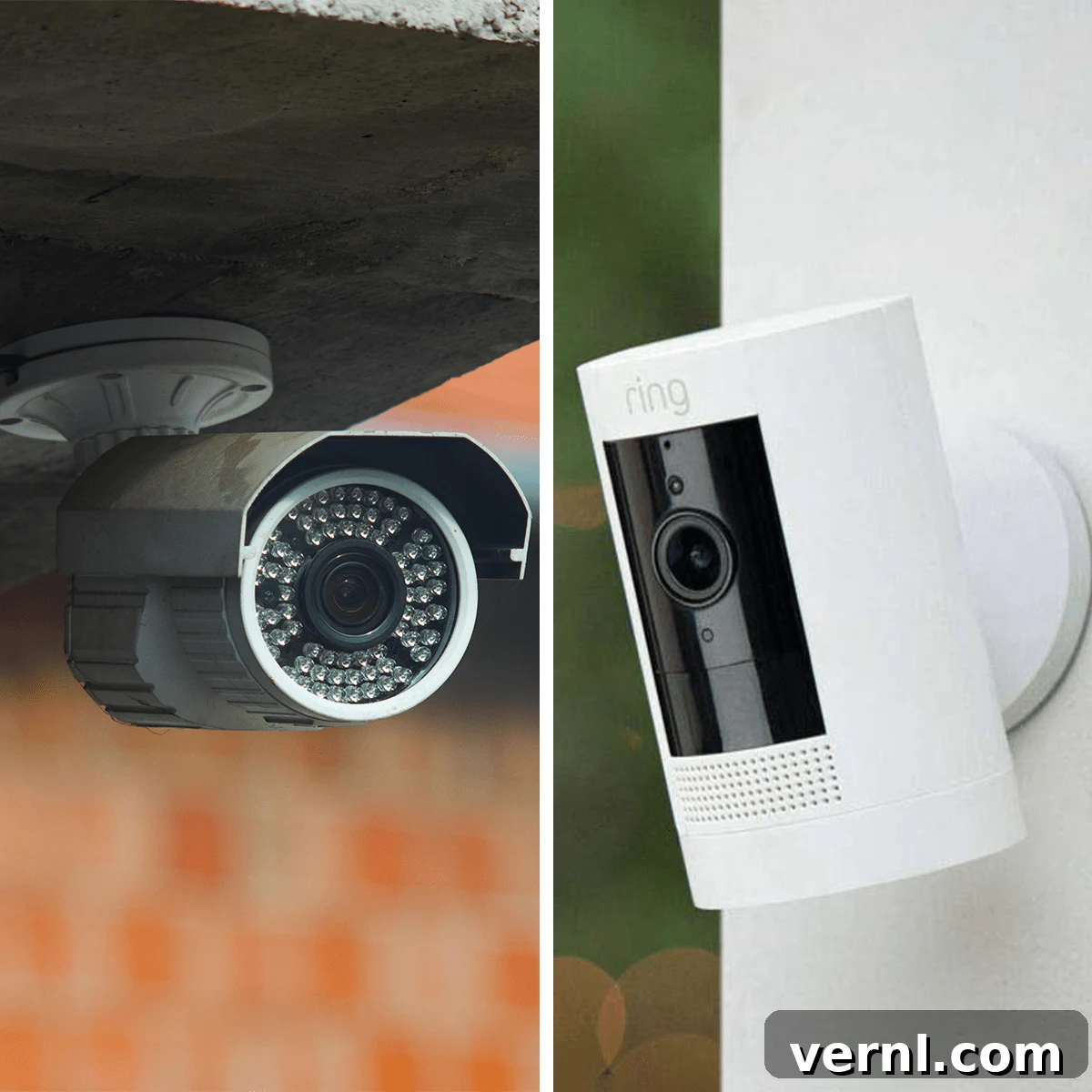
Investing in security cameras is unequivocally one of the most astute decisions you can make for enhancing your home’s safety and your personal peace of mind. Beyond the fundamental benefit of deterring intruders and providing crucial evidence in case of an incident, modern security camera systems offer a surprising array of practical applications that seamlessly integrate into your daily life.
Imagine being able to keep a watchful eye on your children playing in the backyard or ensuring your beloved pets are safe and sound while you’re busy preparing dinner, all accessible through a convenient app on your smartphone. Perhaps you need to verify that your teenager made it home on time, or finally gather undeniable proof that a persistent neighbor is encroaching on your property by trimming your trees without consent. The versatility of contemporary home security cameras extends far beyond mere surveillance, transforming them into indispensable tools for managing and protecting your household.
However, with the multitude of options available on the market today, a crucial question arises: What type of security camera system is the optimal fit for your specific needs? While cloud-based cameras boast incredible convenience and accessibility, Internet Protocol (IP) cameras present a compelling alternative with distinct advantages, particularly concerning control and data ownership. To help you navigate this important decision, let’s delve deep into the technical nuances, benefits, and drawbacks of both IP and cloud security cameras, empowering you to make an informed choice for your home.
What Is an IP Security Camera?
An Internet Protocol (IP) security camera is a digital video camera that transmits footage over a network connection, typically to a local storage device within your home known as a Network Video Recorder (NVR). Unlike traditional analog cameras, IP cameras process video digitally, often offering higher resolution and more advanced features. This transmission can occur wirelessly via Wi-Fi, or through a more stable, wired connection using a USB or Ethernet cable.
A significant advantage of IP camera systems is their inherent independence from an active internet connection for recording. Because the cameras can be directly connected to the NVR with physical cables, the system can continue to record and store footage even during internet outages or periods of slow Wi-Fi. This localized storage and operation provide a robust and reliable surveillance solution, ensuring continuous monitoring without reliance on external network services.
Pros of IP Security Cameras
-
Superior Image Quality: IP cameras generally offer significantly higher resolutions, ranging from 1080p Full HD to stunning 4K Ultra HD. This translates to incredibly clear and detailed footage, allowing for better identification of faces, license plates, and other critical details, which can be invaluable for evidence or general monitoring. Many IP cameras also feature advanced optics and sensors for improved low-light performance.
-
No Ongoing Video Storage Fees: With an IP camera system, your footage is stored locally on the NVR’s hard drive. This eliminates the need for recurring monthly or annual cloud storage subscription fees, leading to considerable long-term savings. You own your storage, giving you complete control over your data without additional costs.
-
Enhanced Footage Security and Privacy: Storing video footage locally on your NVR means it remains within your direct control, reducing exposure to external threats. While a poorly secured Wi-Fi network can still be vulnerable, the risk of a third-party camera company experiencing a data breach that compromises your video archives is significantly diminished. This provides a greater sense of privacy and data ownership.
-
Independence from Internet Connectivity: As discussed, many IP camera systems can function entirely offline for recording purposes. This ensures continuous surveillance even if your internet service is interrupted or unavailable. For areas with unreliable internet or for those prioritizing uninterrupted recording, this is a critical advantage.
-
Scalability and Customization: IP camera systems are often highly scalable, allowing you to add more cameras as your needs evolve. NVRs typically support multiple channels, and you can mix and match different camera types (dome, bullet, PTZ) from the same brand to create a comprehensive surveillance network tailored to your property.
Cons of IP Security Cameras
-
More Complicated and Time-Consuming Setup: Setting up an IP camera system, especially a wired one, can be more involved. It often requires running cables through walls or ceilings, configuring the NVR, and ensuring proper network settings. While wireless IP cameras simplify cabling, they still require pairing with the NVR and network configuration, which can be a hurdle for less tech-savvy users.
-
Lack of Integrated Professional Monitoring: Most standalone IP camera systems do not natively offer professional monitoring services. While you can configure remote viewing via the internet, there isn’t typically a built-in option for a security company to actively monitor your feeds and dispatch emergency services in response to alerts. This usually requires integrating with a separate, comprehensive security system.
-
Requires Consistent Electricity: Both the IP cameras (especially wired ones, often using Power over Ethernet or PoE) and the NVR require a constant power supply to operate. In the event of a power outage, without a backup power solution like a UPS (Uninterruptible Power Supply), your entire surveillance system will cease to function, leaving your property unprotected.
-
Higher Upfront Cost: The initial investment for an IP camera system, including the cameras, NVR, and sometimes professional installation, can be higher than a basic cloud camera setup. However, this upfront cost is often offset by the absence of recurring storage fees.
What Is a Cloud Security Camera?
A cloud security camera, often referred to as a wireless or smart camera, fundamentally operates by storing its recorded footage remotely in “the cloud”—a network of servers maintained by the camera manufacturer or a third-party service provider. This model contrasts sharply with IP cameras, which store footage locally. These cameras are generally designed with user-friendliness in mind, prioritizing ease of installation, operation, and ongoing maintenance. Furthermore, many cloud cameras can be seamlessly integrated with smart home security systems, offering the valuable option of professional monitoring services.
Pros of Cloud Security Cameras
-
Quick and Easy Setup: Cloud cameras are renowned for their simplicity. Often, installation involves little more than mounting the camera, plugging it in (or inserting batteries), and connecting it to your home Wi-Fi network via a smartphone app. This “DIY-friendly” approach makes them accessible to a broad range of users, minimizing the need for technical expertise or professional installers.
-
Option for Professional Monitoring: A significant draw of cloud cameras is their compatibility with comprehensive home security systems that offer professional monitoring. This means that if an alarm is triggered or suspicious activity is detected, a dedicated monitoring center can verify the event and dispatch emergency services, providing an enhanced layer of protection and peace of mind.
-
Flexible Power Options (Often Doesn’t Require Constant Electricity): Many cloud cameras are designed to be truly wireless, operating on rechargeable batteries or even solar power. This eliminates the need for direct wiring to an electrical outlet, greatly expanding placement possibilities and allowing them to continue functioning during power outages. This flexibility makes them ideal for renters or those who prefer minimal installation hassle.
-
No Dedicated Local Storage Device Needed: Since footage is stored in the cloud, there’s no need for a bulky NVR or DVR in your home. This saves space, reduces equipment maintenance, and simplifies the overall system architecture. Cloud storage also provides easy remote access to your footage from anywhere with an internet connection.
-
Automatic Updates and Advanced AI Features: Cloud-based systems frequently receive automatic firmware updates, ensuring your cameras always have the latest features and security patches. Many also leverage advanced Artificial Intelligence (AI) in the cloud for smarter motion detection, person/vehicle differentiation, package detection, and facial recognition, reducing false alarms and providing more intelligent alerts.
Cons of Cloud Security Cameras
-
Recurring Footage Storage Fees: The primary drawback of cloud cameras is the ubiquitous subscription model for cloud storage. Most companies charge monthly or annual fees to access and store your recorded footage beyond a very limited free trial period. These ongoing costs can accumulate significantly over time, making them potentially more expensive than IP systems in the long run.
-
Footage May Be Less Secure and Private: While cloud providers employ robust security measures, storing your footage on third-party servers inherently introduces a higher level of risk compared to local storage. You are trusting another company with your sensitive video data, making it potentially vulnerable to their security breaches or changes in their privacy policies.
-
Absolute Reliance on Internet Connection: For a cloud camera to function optimally, a stable and fast internet connection is absolutely essential. Without internet, footage cannot be uploaded to the cloud, rendering the camera largely ineffective for recording and remote viewing. Poor Wi-Fi can also lead to delayed notifications or choppy video streams.
-
Potential for Data Caps and Bandwidth Usage: Continuous uploading of high-definition video footage to the cloud can consume a significant amount of your home’s internet bandwidth, potentially impacting other online activities and contributing to data overages if your internet plan has caps.
Why To Choose an IP Security Camera
An IP security camera system is often the preferred choice for homeowners who prioritize specific aspects of their surveillance setup. Consider an IP system if:
-
You’re Highly Concerned About Your Privacy and Data Ownership: If the idea of your private home footage residing on a third-party company’s servers makes you uneasy, an IP camera is ideal. Storing your footage locally on an NVR means you retain full control and ownership of your data. While your system can still be vulnerable to hacking if your Wi-Fi network isn’t secure, you eliminate the risk associated with a camera company’s data breaches or their potential access to your video content.
-
You Want to Avoid Recurring Storage Fees: For many, the long-term financial commitment of monthly cloud storage subscriptions is a significant deterrent. An IP system’s local storage solution is a one-time investment in hardware, freeing you from ongoing charges and making it a more cost-effective option over several years.
-
You Demand the Best Possible Video Quality: For applications where crystal-clear detail is paramount—such as identifying intruders, reading license plates, or monitoring specific activities with precision—IP cameras, especially those offering 4K resolution, deliver superior image clarity and detail compared to most cloud cameras.
-
You Cannot Afford to Be Dependent on Internet Service: If you live in an area with unreliable internet, or if you simply want the assurance that your surveillance system will record without interruption, even during an internet outage, an IP camera system with wired connections to an NVR is the robust choice. It guarantees continuous local recording regardless of your internet status.
-
You Prefer a More Professional and Expandable System: For larger properties or those requiring extensive coverage and advanced features like continuous 24/7 recording across multiple cameras, IP systems are often more scalable and offer a wider range of professional-grade cameras and NVR capabilities.
Why To Choose a Cloud Security Camera
Cloud security cameras excel in convenience and integration, making them suitable for different user preferences and living situations. Opt for a cloud camera if:
-
You Prioritize Quick and Easy Installation: If you’re looking for a simple, plug-and-play solution that you can set up yourself within minutes, cloud cameras are unmatched. Their minimal wiring requirements and app-driven setup processes make them incredibly user-friendly and perfect for DIY enthusiasts or those who are not technically inclined.
-
You Desire Professional Monitoring Services: For comprehensive home protection where a third-party security company actively monitors your alerts and can dispatch emergency services, cloud cameras that integrate with smart security systems are the go-to choice. This provides an elevated level of security response.
-
You Don’t Want to Worry About Power Outages or Wiring: Many cloud cameras, particularly battery-powered or solar-powered models, offer unparalleled flexibility in placement and continue to operate even during electrical failures. This makes them ideal for monitoring areas where running power cables is difficult or impossible, ensuring uninterrupted surveillance without reliance on your home’s main power supply.
-
You Prefer a Maintenance-Free Storage Solution: With cloud storage, there’s no need to purchase, install, or maintain a physical storage device like an NVR. The cloud service automatically handles storage capacity, data backups, and software updates, providing a truly “set it and forget it” experience and saving you space within your home.
-
You Need Flexible and Portable Monitoring: For renters, small apartments, or situations where you might need to move cameras frequently, the wireless and easy-to-install nature of cloud cameras makes them highly portable and adaptable to changing environments without significant reinstallation efforts.
Best IP Security Cameras
While the market for IP security cameras is vast, with many brands specializing in professional installations, several well-known and highly-regarded manufacturers have also developed excellent solutions specifically for residential use. After extensive research and rigorous testing, the following brands consistently stand out for their reliability and performance.
Best for Added Features: Lorex 4K Ultra HD
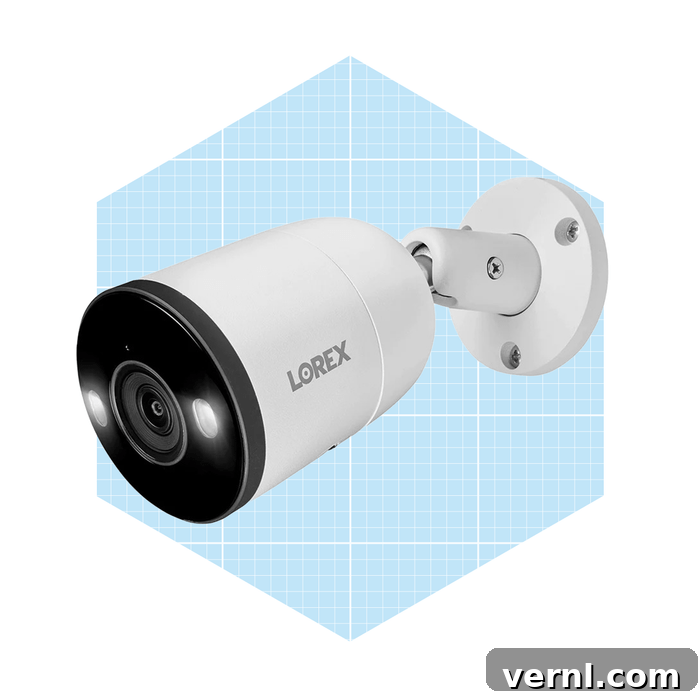
The Lorex 4K Ultra HD Smart Deterrence IP Camera is a powerhouse of innovation, brimming with an impressive array of useful features designed to offer comprehensive surveillance and proactive deterrence. Beyond its stunning 4K resolution, it boasts advanced detection capabilities for faces, packages, and vehicles, ensuring you’re only alerted to relevant events. It also includes crisp two-way talk, allowing you to communicate with visitors or deter intruders, vivid color night vision for clear footage even in low light, and an integrated security light. Perhaps its most unique and compelling feature is the pre-recorded message option, which allows you to customize a message—such as “Please beware of the dog”—to play automatically when the camera detects a human approaching, adding an extra layer of personalized security.
Best for Reliability and Performance: Reolink Security Camera System
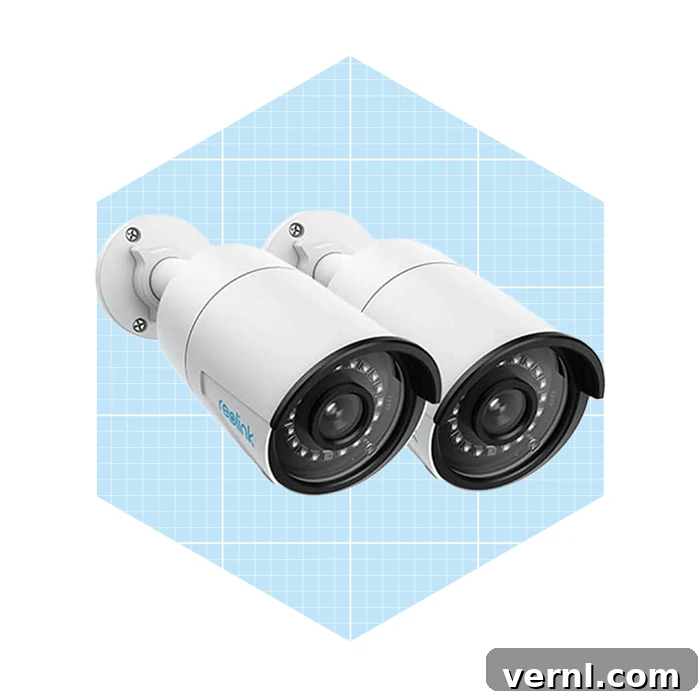
Reolink has built a formidable reputation for producing high-quality, dependable security cameras that consistently perform as advertised. Users widely praise their systems for being virtually glitch-free and exceptionally user-friendly, making them a solid choice for homeowners seeking a reliable surveillance solution. The Reolink Security Camera Systems typically offer excellent video fidelity, and many models include essential features such as clear two-way talk, robust night vision capabilities, and intelligent person and vehicle detection to minimize false alarms and provide focused alerts.
Best for Tight Budgets Without Compromise: Reolink Turret Camera System
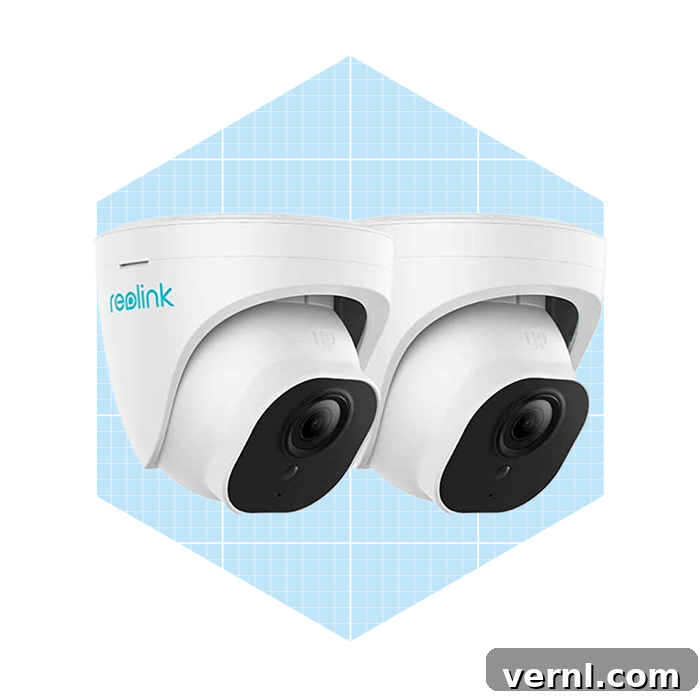
For those seeking the trusted reliability of Reolink but with a more budget-conscious approach, the Reolink Turret Camera System presents an excellent value proposition. This system generally comes equipped with the same core features and dependable performance found in other Reolink offerings, including two-way audio, clear night vision, and smart motion detection. The key differentiator that contributes to its affordability is often its design, which allows fewer cameras to effectively cover the same area thanks to wider fields of view or strategically designed lenses. This optimization helps to lower the overall system cost without significantly sacrificing coverage or essential security features, making it an ideal choice for homeowners needing solid surveillance on a tighter budget.
Best Cloud Security Cameras
The market for cloud security cameras is incredibly saturated, with countless options vying for consumers’ attention, which can make the selection process daunting. Based on extensive hands-on testing and thorough research into performance, ease of use, and overall value, the following cloud cameras consistently emerge as top contenders in their respective categories.
Easiest Installation and Most Versatile: Ring Stick Up Cam
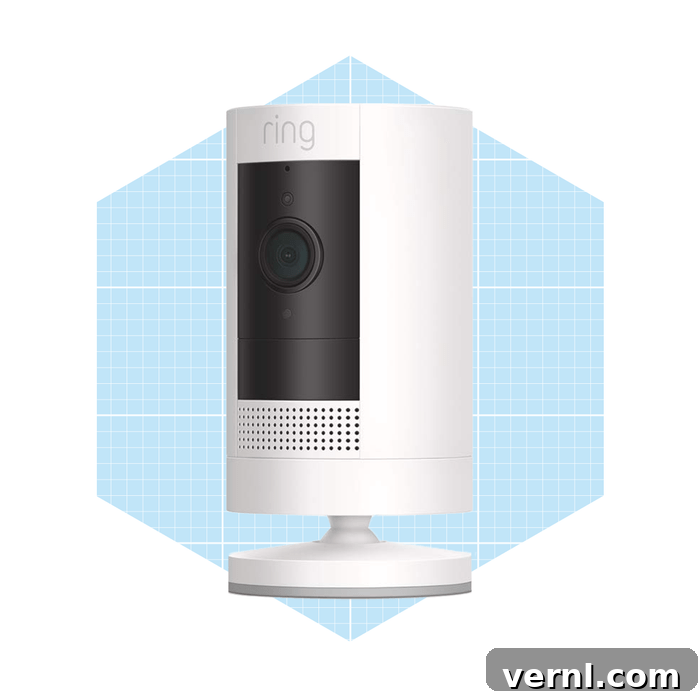
For sheer simplicity in camera installation, few options can rival the Ring Stick Up Cam. Its design prioritizes user-friendliness: simply place it wherever you need surveillance, connect it to the intuitive Ring app, and your system is good to go. Its versatility is another major selling point, as it performs admirably both indoors and outdoors, adapting effortlessly to whatever your monitoring needs may be. Furthermore, Ring offers multiple power options for the Stick Up Cam—you can choose between a rechargeable battery, a solar panel for continuous charging, or a traditional electric plug-in, providing maximum flexibility. A significant benefit is its seamless integration with the broader Ring ecosystem; if you pair it with a Ring security system, you gain access to professional monitoring services, enhancing your home’s overall security posture. Curious about security cameras that work without Wi-Fi? The Stick Up Cam, while cloud-based, offers local recording features in some configurations, providing a degree of flexibility.
Best Splurge for Premium Features: Arlo Pro 4 Spotlight Camera
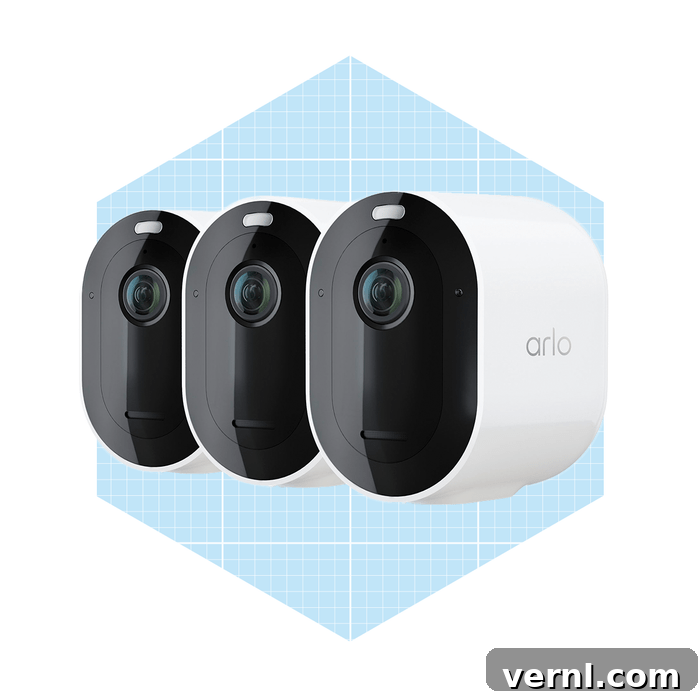
While Arlo cameras are positioned at a higher price point, their premium cost is justified by an impressive suite of advanced features and exceptional performance. The Arlo Pro 4 Spotlight Camera delivers superior 2K HDR video quality, offering incredibly sharp and detailed footage even for a cloud camera. It boasts brilliant color night vision, ensuring clear identification regardless of ambient light. For active deterrence, it includes a blindingly bright integrated spotlight and a loud siren that can be triggered manually or automatically upon detection of suspicious activity. Two-way talk functionality is standard, along with advanced artificial intelligence (AI) capabilities that can intelligently differentiate between a person, package, vehicle, or animal, sending highly accurate and relevant notifications directly to your device. This comprehensive feature set makes the Arlo Pro 4 an excellent investment for those seeking top-tier cloud-based security.
Best Budget Pick with Free Storage: Google Nest Cam Outdoor
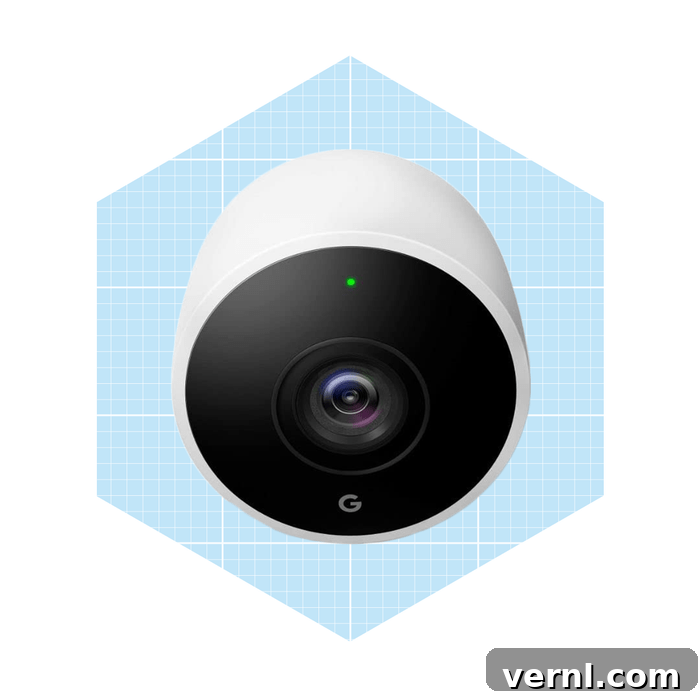
While the initial purchase price of the camera itself might not be considered “cheap,” the Google Nest Cam Outdoor offers a compelling advantage that sets it apart from many other cloud cameras: a generous allowance of up to three hours of free event-based video history storage. This feature is particularly attractive if your primary need is to review recent events and download important clips to your phone without incurring recurring subscription fees. For users who primarily focus on monitoring live feeds and occasionally reviewing recent activity, this free storage tier provides substantial value. Additionally, Google Nest cameras are unique among cloud storage solutions for often providing the option of 24/7 continuous recording (with a Nest Aware subscription), a feature more commonly found in IP systems. Understanding how many security cameras you need can help you decide if this model is right for your coverage needs.