
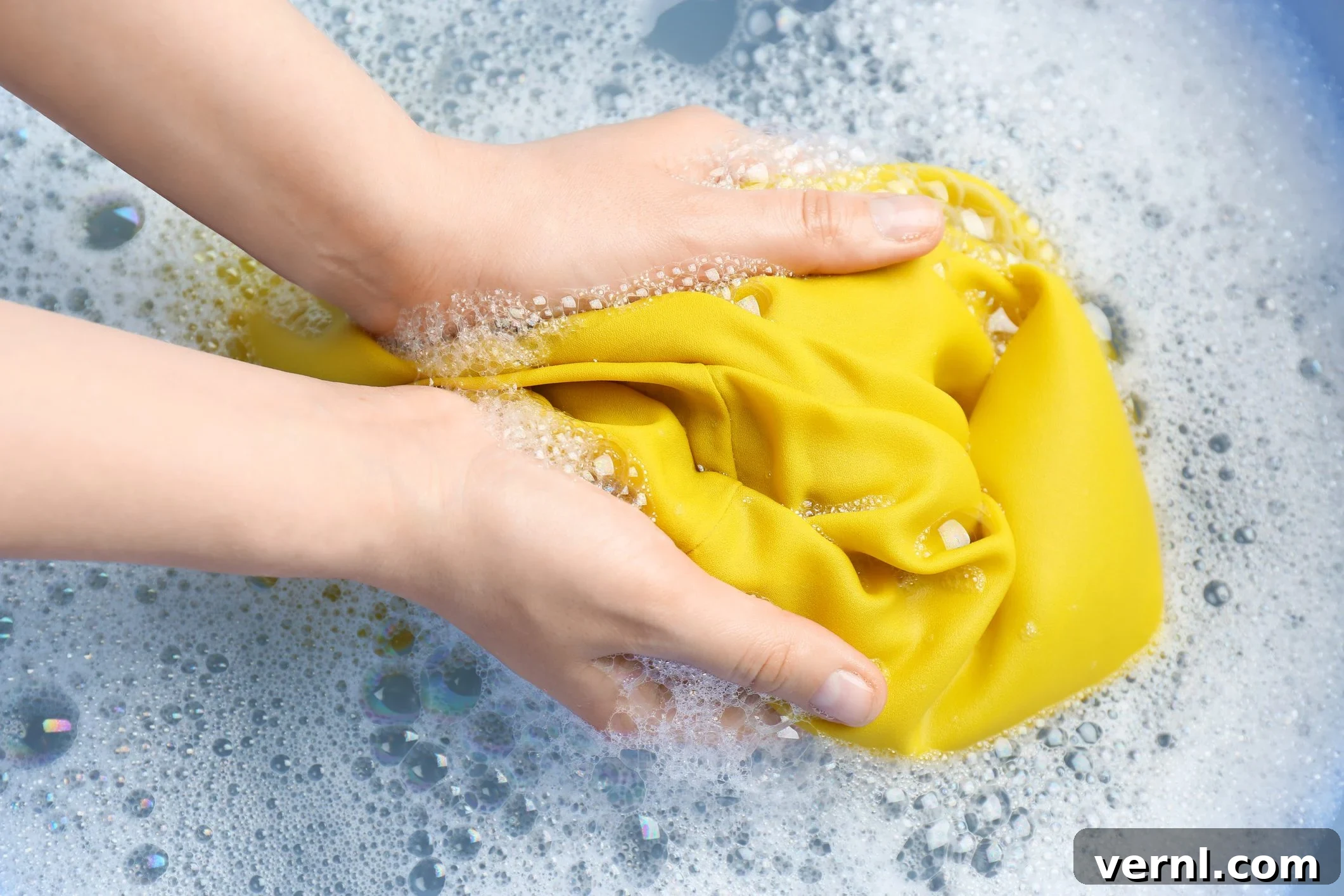
Don’t Despair! How to Unshrink Your Favorite Clothes and Save Your Wardrobe
We’ve all been there. That moment of dread when you pull your favorite garment from the dryer, only to find it’s transformed into a miniature version of its former self. Years ago, I experienced this heartbreak firsthand with a cherished cashmere sweater. It was luxuriously soft, incredibly warm, and had been my trusty companion through countless frigid Minnesota winters. Then, one fateful day, I forgot to keep it out of the laundry hamper and, consequently, the dryer’s unforgiving heat. The result? A sweater fit for a 10-year-old, or perhaps my Labrador retriever – neither of whom had any need for it. I ended up giving it to a tiny friend, mourning the loss of a beloved wardrobe staple.
But did I truly need to give up on it? Is it actually possible to “unshrink” clothes? The answer, according to leading laundry experts Patric Richardson, host of YouTube’s “The Laundry Evangelist” and author, and Matt Connelly, founder of I Hate Ironing, a network of premium on-demand laundry and dry cleaning specialists, is a resounding yes! While my cashmere casualty might have been too far gone, many shrunken fabrics can indeed be rescued and restored to their original glory. This comprehensive guide will walk you through the science of shrinkage, effective prevention strategies, and, most importantly, a step-by-step method to unshrink your clothes.
Meet Our Laundry Gurus
- Matt Connelly is the visionary founder and CEO of I Hate Ironing, an innovative on-demand dry cleaning and laundry service committed to making fabric care easier and more accessible.
- Patric Richardson, affectionately known as the Laundry Evangelist, shares his passion for pristine garments through his engaging YouTube channel and his insightful book, “Laundry Love: Finding Joy in a Common Chore.”
Understanding the Science: What Causes Clothes to Shrink?
Shrinkage isn’t just a mysterious laundry mishap; it’s a measurable physical process largely driven by two primary factors that often occur in both the washer and dryer:
- High Temperature: The Heat Factor. “Exposing fabrics to high heat causes natural fibers to contract and shrink,” explains Matt Connelly. Hot water, especially when combined with the intense heat of a dryer, is a major culprit. Many natural fibers, such as cotton and wool, have a molecular structure that is sensitive to heat. When exposed to high temperatures, these fibers can shorten and tighten, leading to a reduction in garment size. This is particularly true for items that haven’t been pre-shrunk.
- Agitation: The Friction Factor. The vigorous tumbling and rubbing of clothes against each other and the machine’s drum during washing and drying cycles create friction. This mechanical stress causes the individual fibers within the fabric to weaken, rearrange, and contract. Think of it like a tangled mess of yarn – the more it’s jostled, the more compressed and smaller it becomes. This agitation exacerbates the effects of high heat, driving fibers closer together and cementing the shrunken state.
Delving Deeper: The Types of Shrinkage
While heat and agitation are the primary causes, shrinkage can manifest in different ways depending on the fabric:
- Relaxation Shrinkage: This is common in cotton and other cellulose fibers. During the manufacturing process, cotton fibers are stretched under tension. When these fabrics get wet, especially with warm water, the tension is released, allowing the fibers to relax and return to a more natural, shorter state. This is why a new cotton shirt might seem to shrink after its first wash.
- Felting Shrinkage: Unique to wool and other animal fibers, felting occurs due to the microscopic scales on the surface of wool fibers. When subjected to heat, moisture, and agitation, these scales interlock and bind together irreversibly. This process results in a dense, matted fabric that is significantly smaller and often stiffer than the original.
- Progressive Shrinkage: Some fabrics may continue to shrink over multiple wash and dry cycles, even if initial shrinkage was minimal. This is often due to residual tension in the fibers that is gradually released over time.
Fabric Focus: How Different Materials React to Washing and Drying
The Curious Case of Cotton Shrinkage
Cotton, a widely beloved natural fiber, is highly susceptible to shrinkage. The extent to which cotton shrinks depends heavily on its processing and the type of shrinkage it undergoes. As mentioned, the spinning and weaving of cotton create significant stress and tension within its fibers. When this tension is released by the water and agitation in your washing machine, the fibers undergo “relaxation shrinkage.” Textile experts at the Georgia Institute of Technology (GIT) suggest that for woven cotton fabric, this can amount to up to 16% shrinkage if untreated. This is why most cotton clothing items are sold as “pre-shrunk,” meaning they have already been subjected to a controlled shrinking process during manufacturing to minimize further changes. Even pre-shrunk cotton, however, isn’t entirely immune; a typical pre-shrunk cotton dress shirt might still shrink about 2%, according to Proper Cloth, a reputable men’s clothing retailer.
Beyond relaxation, cotton’s highly absorbent nature plays a crucial role. “Cotton is naturally highly absorbent compared to other fabrics,” Connelly notes, capable of absorbing up to 27 times its weight in water. This high absorbency means the individual fibers readily swell in diameter when wet and contract when dried, especially under high heat. While the fibers swell in width, you’ll most visibly notice shrinkage in the length of garments, such as the sleeves of a dress shirt or the inseam of jeans. Furthermore, loosely woven cotton fabrics tend to shrink more and faster than their tightly woven counterparts.
Wool, Silk, and Linen: Other Natural Fibers and Their Shrinkage Tendencies
My sad cashmere sweater is a testament to wool’s dramatic shrinkage potential. Wool can shrink to approximately 55% of its original size after just one incorrect laundering, according to a 2019 review published in the Journal of Advanced Research. Connelly elaborates that wool fibers possess overlapping scales that, when exposed to heat and agitation, bind together. In severe instances, this leads to “felting,” where the scales permanently interlock, creating a dense, often stiff, and irreversibly shrunken fabric.
Silk, another luxurious natural fiber, also shrinks. However, it’s its delicacy that often makes it challenging. “Silk is a highly delicate material, and can either shrink or lose shape if kept in water for prolonged periods of time,” Connelly advises. Avoiding prolonged submersion and high heat in the dryer is crucial for silk. Linen, derived from the flax plant, will also shrink. However, “this is less likely to happen in comparison to wool, cotton or silk,” Connelly states, making it somewhat more forgiving, though still requiring careful handling.
What About Synthetics and Blends?
Synthetic fibers like polyester, nylon, and acrylic are generally much less prone to shrinkage than natural fibers. This is because their chemical structure is more stable and less reactive to heat and moisture. However, synthetic fabrics can still be damaged or distorted by extreme heat, potentially melting or losing their shape. Fabric blends, which combine natural and synthetic fibers, present a mixed bag. The natural fiber component (e.g., cotton in a poly-cotton blend) may still shrink, potentially leading to puckering or an uneven finish, while the synthetic part remains stable. Always check the care label on blends to understand the best approach.
Prevention is Key: Stopping Shrinkage Before It Starts
The best way to deal with shrunken clothes is to prevent them from shrinking in the first place. Adopting a proactive laundry routine can save you a lot of heartache and money. Here’s how you can safeguard your garments:
Decoding the Care Label
The first and most critical step in preventing shrinkage is to “check the label.” As Connelly emphasizes, “The care label will tell you exactly how the clothes should be washed, what temperatures they can withstand, and what cleaning or drying techniques to follow — or avoid.” These tiny tags are packed with vital information, using standardized symbols to indicate water temperature, wash cycle, drying method, and whether bleaching or dry cleaning is recommended. If a garment lacks a label or it’s illegible, “if in doubt,” Connelly suggests, “choose the safe route and wash and dry on a cold and gentle cycle.”
Mastering Your Washing Machine
- Cold Water is Your Friend: Since hot water is a primary cause of shrinkage, opt for cold water cycles whenever possible, especially for new items or delicate fabrics. Cold water cleaning is also more energy-efficient and helps preserve colors.
- Gentle Cycles: For sensitive fabrics like wool, silk, and even some cottons, choose the “delicate” or “gentle” cycle. These settings reduce agitation, minimizing the friction that contributes to fiber contraction. Hand washing is the safest option for extremely delicate items.
- Sort Your Laundry Wisely: Beyond colors, sort your laundry by fabric type. This allows you to select appropriate wash and dry settings for each pile, reducing the risk of shrinkage for sensitive items.
Navigating the Dryer: The Biggest Shrinkage Culprit
The dryer is often where most shrinkage damage occurs, particularly with natural fibers. Wool and cotton are the most susceptible to shrinking in the dryer due to the combined effects of heat and friction. “Keep your dryer cycles low, especially for your delicates,” advises Connelly. For items prone to shrinking, consider these alternatives:
- Air Drying: This is the safest method for preventing shrinkage. Lay delicate items flat on a clean towel or use a drying rack. For heavier items like jeans, hang them to dry, ensuring they retain their shape.
- Low Heat or No Heat Setting: If you must use the dryer, always select the lowest heat setting or the “air fluff” (no heat) option. This minimizes the thermal shock to fibers.
- Remove Promptly: “Another rule of thumb is to always take your clothes out of the dryer as soon as the cycle is finished to minimize the risk of shrinkage,” Connelly states. “If clothes are kept in the dryer while it’s still hot, that can lead to shrinking the fibers even after the cycle is finished,” as the residual heat continues to affect the fabric.
- The “Bacon Edge” Phenomenon: Patric Richardson points out that shrinkage isn’t confined to the main fabric. Have you ever noticed an old bath towel with a crinkly, uneven “bacon edge” after dozens of washes? That’s not the cotton shrinking; it’s often the polyester thread used in the stitching that contracts in a too-hot dryer or too-hot water, pulling the fabric along with it.
How to Unshrink Clothes: A Step-by-Step Guide to Restoration
While prevention is paramount, sometimes shrinkage is inevitable. The good news is that for many natural fiber garments, hope is not lost. Patric Richardson’s method, effective for shrunken natural-fiber garments like jeans, sweaters, and shirts, can help relax and reshape your clothes. Be prepared for a potentially wet and messy process. While you can do this indoors, Richardson suggests, “Take it out on the deck” if weather permits, as it will involve a lot of water. If it’s too cold or raining, lay out several large towels on your counter or floor to absorb excess water.
The Unshrinking Method: Step-by-Step
- Prepare Your Basin: Begin by filling your sink or a large bucket with warm (not hot) tap water. The warmth helps to relax the fibers, but extreme heat is what caused the problem in the first place.
- Add the Softener: Introduce two tablespoons of hair conditioner into the water. The emollients in hair conditioner work wonders by lubricating and softening the textile fibers, allowing them to stretch more easily. Richardson also suggests olive oil as an alternative, while Connelly prefers baby shampoo for its gentleness. Swirl the water gently to ensure the oily mixture is well dispersed.
- Submerge and Soak: Carefully submerge the shrunken garment into the prepared water. Gently squeeze the item to ensure the conditioner-infused water fully penetrates all the fibers. Allow the garment to soak for several hours, or even overnight, depending on the severity of the shrinkage and the fabric type. This extended soak gives the fibers ample time to relax.
- Gentle Removal: Once soaking is complete, remove the garment from the water in a large, loose ball. Crucially, squeeze it gently just once to remove some excess water, but do not wring it out forcefully. Richardson advises, “The water’s what’s holding the conditioner in the sweater,” implying that some moisture is necessary for the next step.
- Reshape and Block: Lay the damp garment flat on a clean, dry towel. This is the critical reshaping phase. For wool or cotton sweaters, gently press, pull, and “massage it back into place,” as Richardson suggests. Work slowly and patiently, stretching the fabric in all directions (length and width) until it begins to resemble its original size and shape. For sturdier items like jeans and t-shirts, you can be a little more assertive with your tugging, but always avoid excessive force that could damage the fabric. This process is known as “blocking” and helps reform the garment’s structure.
- Allow to Air Dry: Once you’ve successfully reshaped the garment, leave it to dry completely, flat on the towel. The conditioner will remain on the fabric, continuing to soften the fibers as it dries. Avoid placing it in direct sunlight or using any heat source, which could reverse your efforts.
- Future Care: After your garment is dry and restored, Richardson strongly recommends hand washing it in the future to prevent further shrinkage. Always air dry this item, completely avoiding the dryer.
When to Call in the Professionals
If you’re dealing with a particularly delicate or expensive garment, or if the shrinkage is severe, you might prefer to seek professional help. “If and when in doubt,” Connelly advises, “you can always opt for specialized help through your local dry cleaner, who would have the right chemicals and equipment to unshrink your clothes.” Dry cleaners possess specific chemicals and techniques designed to safely relax and restore even the most stubbornly shrunken fabrics, offering peace of mind for your precious items.
Conclusion: Reclaiming Your Wardrobe, One Garment at a Time
Losing a favorite piece of clothing to shrinkage can be frustrating, but it doesn’t have to be a permanent loss. By understanding the causes of shrinkage, implementing smart prevention strategies, and knowing the expert-backed techniques for unshrinking, you can confidently navigate your laundry routine. With a little care and patience, you can extend the life of your garments and keep your wardrobe intact, ensuring your cherished cashmere, cotton, or wool pieces remain perfectly fitted and fabulous for years to come.
Sources
- Journal of Advanced Research: “A Review of the Sustainable Methods in Imparting Shrink Resistance to Wool Fabrics”
- National Cotton Council: “Some New Techniques to Predict the Dimensional Stability of Pre-Shrunk Cotton Fabrics”
- Proper Cloth: “How Much Will a Dress Shirt Shrink?”
- Journal of Textile Science and Technology: “Analysis of Water Absorption of Different Natural Fibers”