
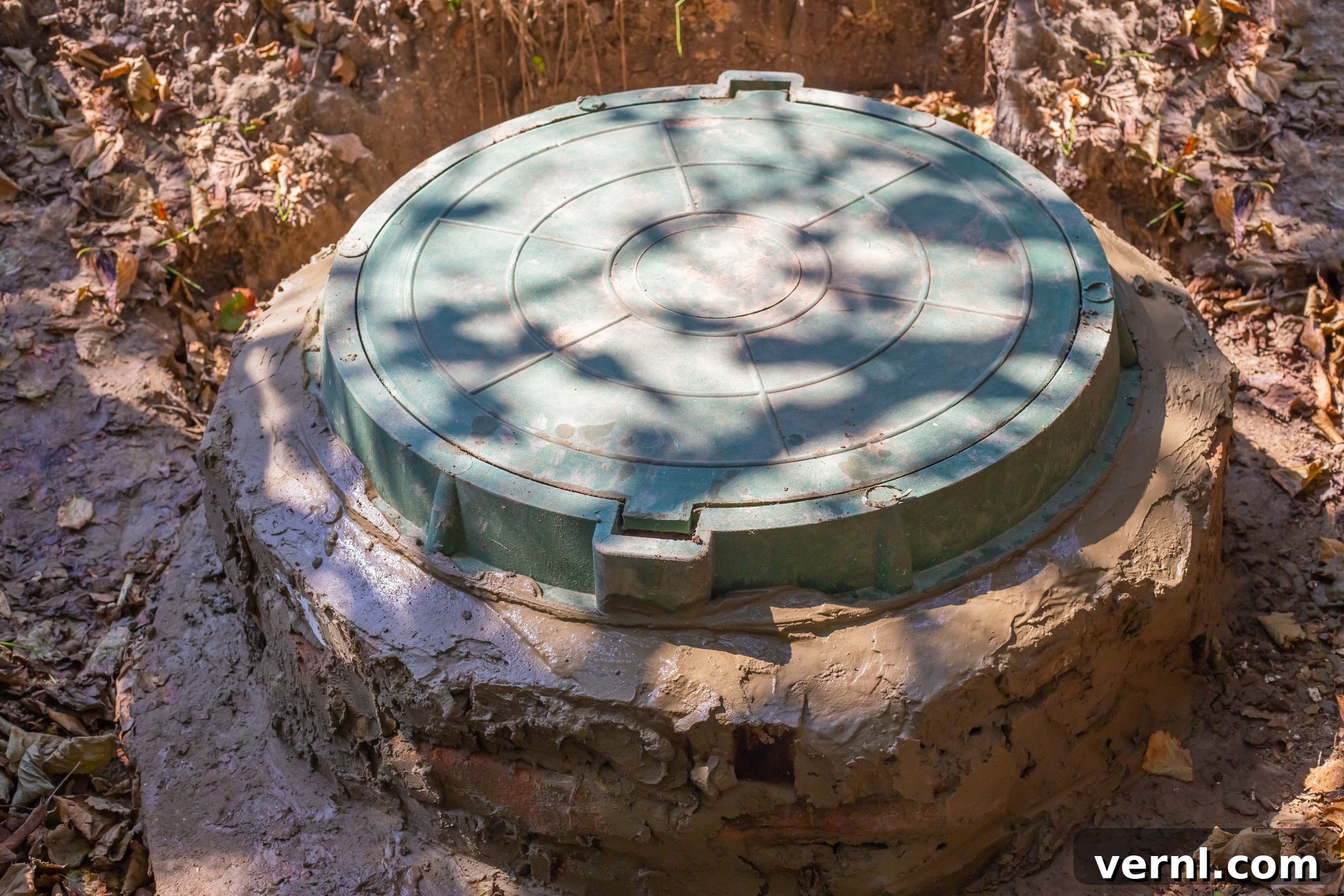
The Essential Guide to Cabin Septic Systems: Types, Installation, and Maintenance
When embarking on the dream of building a cabin in a serene, remote location, one of the most critical aspects often overlooked until construction begins is establishing a proper waste treatment system. Unlike urban dwellers who benefit from centralized municipal sewage facilities, rural property owners are tasked with managing their own wastewater. This self-sufficiency, while appealing, necessitates a deep understanding of septic systems – the unsung heroes of off-grid living.
For almost all rural properties equipped with modern indoor plumbing, a reliable septic system isn’t just a convenience; it’s a legal requirement and a foundation for comfortable, healthy living. Navigating the world of septic solutions can seem daunting, but armed with the right knowledge, you can make an informed decision that ensures the longevity and efficiency of your cabin’s waste management. This comprehensive guide will walk you through the various types of septic systems, their benefits and drawbacks, installation considerations, essential maintenance tips, and viable alternatives, helping you build a sustainable and enjoyable retreat.
Understanding the Basics: What is a Septic System?
At its core, a septic system is a decentralized wastewater treatment solution designed to handle household sewage on-site. It typically consists of two main components: a septic tank and a drainfield (also known as a leach field or field bed). Wastewater from your cabin, including all toilet, shower, and sink water, flows into the septic tank. Here, solids settle to the bottom, forming a sludge layer, while lighter materials like grease and oil float to the top, creating a scum layer. Anaerobic bacteria naturally present in the wastewater then begin the process of breaking down these solids.
The partially treated liquid, known as effluent, then flows out of the septic tank into the drainfield. The drainfield is a network of perforated pipes buried in gravel-filled trenches or beds, allowing the effluent to slowly seep into the surrounding soil. The soil acts as a natural filter, and aerobic bacteria in the soil further purify the wastewater before it re-enters the groundwater table. This natural purification process is remarkably effective when the system is properly designed and maintained. However, it’s important to remember that while microbes do their part, septic systems accumulate waste faster than it can be fully broken down, necessitating regular pump-outs by a vacuum truck to remove the accumulated sludge and scum.
Types of Septic Systems: Choosing the Right Solution for Your Cabin
The type of septic system best suited for your cabin depends heavily on factors such as soil conditions, property size, local regulations, water usage, and budget. Understanding the distinctions between the most common types is crucial for making the right choice.
Conventional Septic System
The conventional septic system is the most common and often the most cost-effective choice when site conditions permit. All conventional systems begin with a robust septic tank, typically made from durable plastic, concrete, or fiberglass, buried a safe distance from your home or cabin. A main sewer pipe connects your cabin’s internal drainage system to this underground tank.
Inside the tank, wastewater separates into three layers: solids sink to the bottom (sludge), oils and grease float to the top (scum), and the partially clarified liquid (effluent) remains in the middle. Naturally occurring bacteria in the tank begin to break down the organic matter. Once the effluent reaches a specific level, it flows out of the tank, usually via a T-shaped outlet that prevents solids from escaping, and enters a distribution box. From there, it’s evenly dispersed into the drainfield. The drainfield consists of a series of perforated pipes laid in gravel-filled trenches, allowing the effluent to slowly percolate into the soil. Here, a final stage of purification occurs as the soil filters the wastewater and beneficial microbes complete the breakdown of contaminants. This system relies heavily on suitable soil types with good percolation rates and adequate depth for effective treatment.
Holding Tank System
A holding tank system represents the simplest form of on-site waste management. Unlike other systems that treat and disperse wastewater, a holding tank merely stores all wastewater until it’s full. Once capacity is reached, the tank requires emptying by a licensed vacuum truck operator. These systems are significantly simpler and more affordable to install initially because they don’t require an extensive drainfield or complex soil analysis.
However, the simplicity comes with a trade-off: ongoing operational costs. The frequency of pump-outs can be substantial, depending on household water usage and tank size, potentially translating into significant long-term expenses. Holding tank systems are typically considered for properties with very small footprints, challenging soil conditions, extremely high water tables, or those where wastewater generation is minimal (e.g., seasonal cabins with infrequent use). Local regulations often restrict their use to specific scenarios due to the continuous reliance on professional pump-out services.
Mound Septic System
Mound septic systems are an ingenious solution designed for challenging site conditions where conventional systems are not feasible. This was precisely my experience when installing our cabin’s system; the septic installer quickly identified that bedrock was too close to the surface, making deep soil drainage impossible for a conventional setup. Mound systems are also essential when the existing soil is too shallow, has a high water table, or consists of unsuitable types like heavy clay, which prevents proper wastewater percolation.
Functionally, a mound system is similar to a conventional one, but with a critical difference in its construction. Instead of being buried directly in existing soil, the septic tank and drainfield components are constructed within an elevated mound of specially trucked-in sand and gravel. This engineered mound provides the necessary depth and appropriate soil conditions for effective wastewater treatment and absorption. Effluent from the septic tank is often pumped into the mound’s distribution system, where it filters through the layers of sand and gravel before slowly dispersing into the natural soil below. While more complex and expensive to install due to the earthwork and specialized materials, mound systems allow homeowners to utilize properties that would otherwise be deemed unsuitable for conventional septic solutions.
Advanced Treatment Systems (ATS) or Aerobic Treatment Units (ATUs)
For properties facing even greater environmental challenges or strict discharge regulations, Advanced Treatment Systems (ATS), often utilizing Aerobic Treatment Units (ATUs), offer a sophisticated solution. These systems go beyond the passive treatment of conventional septic tanks by introducing oxygen into the wastewater, fostering aerobic bacterial growth. Aerobic bacteria are far more efficient at breaking down organic matter than their anaerobic counterparts, resulting in much cleaner effluent.
An ATU typically includes an aeration chamber where air is continuously pumped into the wastewater. This accelerated breakdown means the effluent discharged from an ATS is of higher quality, often reducing the size requirements for the drainfield. This makes ATUs ideal for smaller lots, properties near sensitive water bodies, or sites with extremely poor soil conditions where even a mound system might struggle. The trade-offs include higher installation costs, increased maintenance requirements, and the need for electricity to power the aeration pump. Despite these factors, ATS can be a game-changer for challenging sites, providing a robust and environmentally responsible wastewater solution.
Benefits of a Cabin Septic Tank System: Embracing Off-Grid Comfort
Choosing to install a septic system for your cabin brings a host of advantages, allowing you to enjoy a comfortable, modern lifestyle irrespective of your distance from urban infrastructure.
- Complete Independence from Municipal Services: A properly designed and maintained septic system liberates you from reliance on city sewage lines, offering true self-sufficiency for your rural retreat. This means no monthly sewage bills and freedom from municipal service interruptions.
- Exceptional Durability and Longevity: With correct installation and diligent maintenance, conventional and mound septic systems are engineered to last for 40 to 50 years, or even longer. Holding tank systems, though requiring frequent emptying, can also serve reliably for a lifetime. This represents a significant long-term investment in your property.
- Environmentally Responsible Waste Management: Well-maintained septic systems are highly environmentally friendly. They utilize natural microbial action for waste treatment, consuming no electricity (for conventional systems) and generating no pollution when functioning correctly. They effectively recycle wastewater back into the groundwater, contributing to local ecosystems.
- Cost Savings Over Time: While the initial investment is substantial, the absence of recurring monthly sewage bills can lead to considerable cost savings over the lifespan of the system. This economic benefit, coupled with the system’s longevity, makes it a sound financial choice for rural property owners.
- Increased Property Value: A fully functional, properly installed, and well-maintained septic system is a critical asset that significantly enhances the value and marketability of your cabin or rural property. It assures potential buyers of modern conveniences and responsible waste management.
Drawbacks and Challenges of a Cabin Septic Tank System: Things to Consider
While the benefits are clear, it’s equally important to be aware of the potential drawbacks and challenges associated with septic systems.
- Significant Upfront Installation Costs: Septic systems, particularly complex conventional or mound systems, represent a substantial initial investment. The process involves site assessments, permitting, extensive excavation, specialized materials, and skilled labor, making installation both expensive and potentially troublesome.
- Ongoing Maintenance Requirements and Costs: Unlike municipal sewage, septic systems require proactive maintenance. This includes regular pump-outs by a vacuum truck every two to five years for conventional and mound systems, and much more frequently (typically every few months) for holding tank setups. These services incur ongoing costs, which must be factored into your budget.
- Sensitivity to Household Waste and Water Usage: The efficiency and lifespan of a septic system are directly affected by the volume and type of waste water and solids generated. Excessive water usage or flushing non-biodegradable items can quickly overwhelm the system, leading to premature failure or costly blockages.
- Space Requirements: Conventional and mound systems, with their extensive drainfields, require a significant amount of land. This can be a limiting factor on smaller properties or heavily wooded lots where clearing space is either impractical or undesirable.
- Risk of System Failure: Even the most robustly built and meticulously maintained septic systems have a finite lifespan. Eventually, components can fail, drainfields can clog, or tanks can crack. Repairing or completely rebuilding a failed system is often a very expensive and disruptive undertaking.
- Regulatory Complexity: Septic system design and installation are subject to stringent local and state health department regulations. Navigating these permit processes and ensuring compliance can be complex and time-consuming.
Installing a Septic Tank System: The Professional Approach
The installation of a septic system is a highly specialized and precise undertaking that should almost exclusively be handled by qualified professionals. Unless you possess advanced heavy equipment operating skills, extensive experience in earthmoving, and a deep understanding of hydrological engineering and local regulations, hiring a professional septic system installer is not just recommended, it’s essential.
The process typically begins with a thorough site assessment, including percolation tests (perc tests) to determine soil suitability and absorption rates, and a detailed survey of the property’s topography. Based on these findings, an engineer or septic designer will create a customized plan that complies with all local health department codes. The actual installation involves significant excavation for the tank and drainfield, careful placement of all components, precise grading for proper flow, and adherence to specific material and depth requirements. The costs for a complete system installation can vary widely, usually ranging from $9,000 to $15,000 or more, influenced by the type of system chosen (conventional, mound, or ATS), the amount of earthwork required, soil conditions, and accessibility of the site.
While the theoretical possibility of installing certain basic components yourself might exist if you own the necessary heavy equipment to dig the expansive holes and lift the heavy tank, it is strongly advised against. Any mistakes in design, grading, pipe installation, or component selection can lead to expensive repairs, environmental contamination, and even legal penalties. A professional ensures that your system is not only functional but also compliant, safe, and built to last, providing peace of mind for decades to come.
Alternatives to a Full Septic Tank System: Simpler Solutions for Your Cabin
For cabins with minimal water usage or specific site constraints, a full-blown septic system might be overkill or impractical. Several simpler, yet effective, alternatives can provide adequate waste management.
Composting Toilet and Gray Water Pit
If your primary concern is managing human waste without the complexities of a traditional septic system, a composting toilet is an excellent solution. These innovative toilets separate liquid and solid waste, facilitating aerobic decomposition that transforms human waste into a nutrient-rich, pathogen-reduced compost. They require no water for flushing, making them incredibly water-efficient and ideal for off-grid cabins. A good composting toilet provides a comfortable and hygienic bathroom experience, eliminating the need for a blackwater septic system.
When coupled with a composting toilet, the only remaining wastewater from your cabin would be “gray water” – water from showers, sinks, and laundry, which does not contain toilet contaminants. This gray water can often be managed with a simple gray water pit. A gray water pit is essentially a shallow hole in the ground filled with gravel or mulch, designed to slowly disperse and filter the wastewater into the soil. Depending on local environmental regulations, which vary significantly, a gray water pit might be all you need to handle your cabin’s non-toilet wastewater, offering a minimalist and environmentally friendly solution.
Outhouse and Gray Water Pit
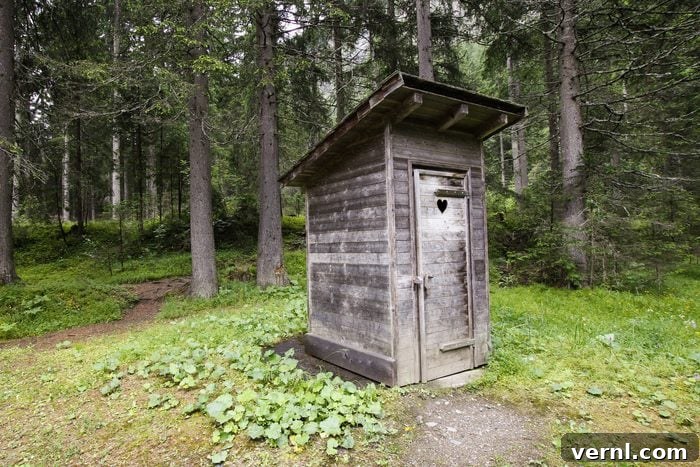
For those who embrace a truly rustic cabin experience, a well-constructed outhouse remains a time-honored and simple method for managing human waste. Modern outhouses, when properly designed and maintained with appropriate ventilation and regular application of lime, can be surprisingly hygienic and odor-free. They offer a minimalist approach, requiring no plumbing or water, and are highly durable.
Similar to the composting toilet setup, if an outhouse handles all solid waste, the only remaining wastewater will be gray water from sinks and showers. This can then be directed to a gray water pit for simple and effective disposal. This combination is particularly suitable for cabins aiming for a low-impact, off-grid lifestyle where convenience is balanced with a desire for simplicity and connection to nature.
Essential Maintenance and Care for Your Septic System: Ensuring Longevity
The longevity and efficiency of your cabin’s septic system hinge on consistent, responsible maintenance. Neglecting your system can lead to costly failures, environmental damage, and unpleasant surprises.
- Regular Pumping: This is the cornerstone of septic system maintenance. For conventional and mound systems, plan for professional pump-outs every 2 to 5 years. The exact frequency depends on the tank size, the number of occupants, and your household’s water usage. Regular pumping prevents the accumulation of sludge and scum, which can otherwise overflow into and clog your drainfield.
- Water Conservation: Minimizing water usage significantly reduces the burden on your septic system. Install low-flow toilets and showerheads, repair leaks promptly, and operate washing machines and dishwashers only when full. Spreading out heavy water use throughout the week also allows the system to process waste more effectively.
- What NOT to Flush: Your septic system is a delicate ecosystem. Avoid flushing anything non-biodegradable, such as wet wipes (even “flushable” ones), feminine hygiene products, paper towels, dental floss, and cat litter. Harsh chemicals like excessive bleach, drain cleaners, paints, solvents, and motor oils can kill the beneficial bacteria essential for waste breakdown. Even food scraps, especially grease and coffee grounds, should be kept out of the system, so limit or avoid using garbage disposals.
- Protect the Drainfield: Never drive or park vehicles on your drainfield, as the weight can compact the soil and damage the pipes, impairing its function. Avoid planting trees or shrubs with aggressive root systems near the drainfield, as roots are notorious for seeking out moisture and nutrients in the pipes, leading to blockages and damage. Ensure that stormwater runoff from gutters or downspouts is diverted away from the drainfield area to prevent saturation.
- Annual Inspections: Consider scheduling annual inspections with a qualified septic professional. They can identify potential issues early, check the levels of sludge and scum, and ensure all components are functioning correctly, helping to prevent major problems down the line.
- Beware of Additives: Most septic tank additives are unnecessary and can even be harmful. A healthy septic system naturally contains all the bacteria it needs. Some additives can disrupt the natural balance, fluidize the sludge (causing it to flow into the drainfield), or simply provide no benefit.
Words of Caution: Protecting Your Investment
Even with a well-designed and properly maintained system, certain practices can lead to costly problems. Heed these warnings to safeguard your cabin’s septic investment.
The Danger of Trees
When you’re installing a septic tank and drainfield for your cabin in a wooded setting, it’s highly probable that trees will be in close proximity. This presents a significant risk. Tree roots are incredibly tenacious and are naturally drawn to sources of water and nutrients – precisely what your septic pipes carry. They will aggressively seek out and infiltrate tiny cracks or loose joints in your pipes, growing into a dense mass that can cause severe blockages and ultimately lead to the untimely and expensive demise of your entire septic system. To mitigate this risk, it is imperative to clear all trees and significant shrubs from the area directly above and immediately surrounding your septic tank and drainfield. Consult with your septic installer for recommended safe distances for planting new vegetation.
Too Much Toilet Paper
One of the surprising realities of septic system ownership is the need to adjust your toilet paper habits. Unlike homes connected to municipal sewage, where the sheer volume of water flow usually clears almost anything, septic systems are more sensitive to non-biodegradable or slow-to-decompose materials. Even perfectly built septic systems can struggle with excessive toilet paper use. In my personal experience, any unbroken strips of toilet paper longer than four squares have a tendency to get caught on the inlet baffle within the septic tank. Over time, these snagged strips can accumulate, forming a substantial blockage that prevents waste from entering the tank efficiently. Resolving such a blockage is an unpleasant and often expensive task that you’ll definitely want to avoid.
To prevent this, opt for septic-safe toilet paper that breaks down quickly and encourage conservative use. Educating all cabin occupants, especially guests, about responsible flushing practices is vital for the health of your system.
Conclusion: A Sustainable Future for Your Cabin
Building and maintaining a cabin in a rural setting offers unparalleled freedom and connection to nature. A critical component of this lifestyle is a well-planned and responsibly managed wastewater system. From understanding the nuances of conventional and mound septic systems to exploring alternatives like composting toilets and gray water pits, the choices you make today will significantly impact the comfort, environmental footprint, and longevity of your cabin.
While the initial investment and ongoing maintenance of a septic system require commitment, the independence it provides and the satisfaction of responsible land stewardship are invaluable. By prioritizing professional installation, adhering to a strict maintenance schedule, and adopting mindful waste disposal practices, you can ensure your cabin’s septic system remains a silent, efficient partner in your pursuit of the perfect off-grid sanctuary for decades to come.