
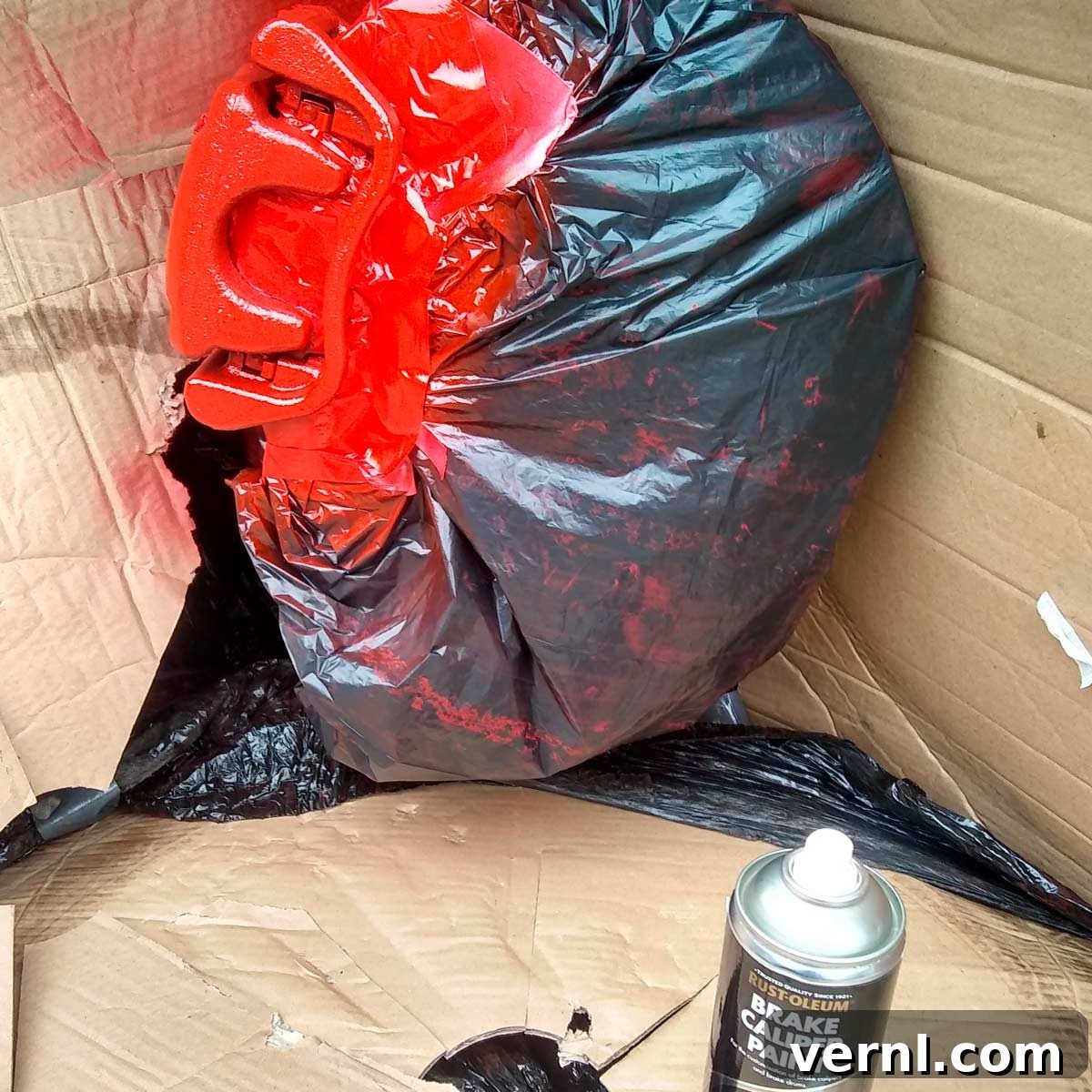
In the evolving landscape of automotive aesthetics and performance, the prominence of open-design alloy wheels has largely supplanted traditional steel rims across many modern vehicle lines. This shift has inadvertently brought a previously hidden component into plain view: the brake calipers. Particularly noticeable with oversized rims, the “peek-a-boo” display of these crucial brake parts sparked a trend in high-end sports car manufacturing. Recognizing an opportunity for visual flair, luxury brands began factory-painting brake calipers, transforming them into a striking visual accent.
The sight of Ferraris, Porsches, and other exotic vehicles rolling off production lines with vibrant, factory-painted calipers in the early 1990s quickly captured the world’s attention. This luxurious detail rapidly transcended its niche, becoming a coveted feature. By the mid-decade, the appeal of painted brake calipers was so widespread that it even became a standard or optional offering on several domestic car models, firmly cementing its place in automotive customization. Today, this trend offers car enthusiasts and casual owners alike a fantastic opportunity to personalize their vehicles and add a touch of sporty elegance.
Here are the best ways loosen any nut, bolt or screw easily
Why Customizing Brake Calipers is a Smart Choice
At first glance, highlighting brake calipers with a coat of paint might seem purely cosmetic, akin to painting your toenails for some. Indeed, for many, the primary motivation is aesthetic enhancement – choosing a bright red, yellow, or even a subtle black or metallic shade to complement their vehicle’s overall design or wheel choice. However, the benefits of painting your brake calipers extend beyond mere visual appeal, offering practical advantages that contribute to the longevity and perceived value of your vehicle.
Elevated Aesthetics and Personalization
The most immediate and obvious reason to paint brake calipers is to enhance your vehicle’s visual impact. With modern alloy wheels designed to showcase the braking system, custom-painted calipers can dramatically transform the look of your car. Imagine a set of gleaming red calipers peeking through multi-spoke black wheels, or a subtle silver complementing a classic car’s sophisticated lines. This customization allows owners to express their personality, match their vehicle’s theme, or simply add a touch of high-performance flair often associated with exotic sports cars. It’s a relatively inexpensive modification that yields a significant visual return, making your car truly stand out from the crowd.
Superior Corrosion Protection
Beyond the eye-candy, applying a specialized paint acts as a protective barrier against the elements. Brake calipers, brake-rotor hats, and drums are constantly exposed to a harsh environment. They endure road grime, salt, moisture, and extreme temperature fluctuations. Over time, this exposure can lead to unsightly rust and corrosion, diminishing the appearance of even the most pristine alloy wheels. For those who have invested significantly in alloy upgrades or custom wheels, protecting these visible brake components from unsightly deterioration becomes a logical and essential step. A high-quality caliper paint forms a durable shield, preventing rust from forming and extending the lifespan of these vital parts. Choosing a durable, heat-resistant paint specifically designed for calipers ensures that this protective layer withstands the unique challenges of the braking system.
Maintaining Resale Value and Perceived Quality
A well-maintained vehicle, inside and out, typically commands a higher resale value. Detailed attention to components like brake calipers, which are often overlooked, can signal to potential buyers that the vehicle has been cared for meticulously. Clean, rust-free, and tastefully painted calipers contribute to the overall impression of quality and attention to detail, making your vehicle more attractive in the used car market. Whether you opt for a bold statement color or a more subdued metallic shade, the automotive market offers a plethora of options to suit every preference and purpose.
Want to refinish steel wheels? Check out our complete how-to instructions.
Understanding Brake Caliper Paint: What Makes It Unique?
The environment surrounding brake components is one of the most demanding for any coating. Calipers, rotor hats, and drums are subjected to conditions that would cause standard paints to quickly fail, peel, or discolor. Understanding these challenges is key to appreciating the specialized formulations of brake caliper paint.
A Hostile Environment: The Unique Demands on Caliper Paint
- Extreme Temperatures: During heavy braking or spirited driving, brake components can reach astonishingly high temperatures, often exceeding those found even within the engine bay. These extreme thermal cycles require a paint that can resist blistering, fading, and peeling under intense heat.
- Caustic Brake Fluid: Brake fluid is highly corrosive to many common paints. Any accidental spill or leak can quickly “eat” through an unsuitable coating, leading to damage and an unsightly finish. Caliper paint must be chemically resistant to brake fluid and other automotive solvents.
- Aggressive Brake Dust: The friction between brake pads and rotors generates a fine, abrasive, and often corrosive brake dust. This dust coats everything in sight, and while some paints might simply get dirty, a specialized caliper paint is designed to resist embedding this dust, making it easier to clean and maintain its vibrant finish.
- Road Grime and Chemicals: Beyond brake-specific challenges, calipers are also exposed to road salt, mud, water, and various cleaning chemicals. The paint must offer robust protection against these everyday elements to prevent corrosion and maintain its integrity.
The Evolution of Specialized Coatings
Early DIY enthusiasts experimenting with caliper painting often resorted to using engine paint due to its higher temperature tolerance compared to standard automotive paints. While an improvement, engine paint rarely offered the full spectrum of resistance needed. Recognizing this burgeoning trend and the unique demands, leading paint companies responded by developing dedicated products specifically engineered for brake components. These specialized coatings are formulated to offer tough, heat-resistant performance that stands up to water, road chemicals, solvents, and, crucially, high temperatures.
A Note of Caution: Durability Means Commitment
One critical aspect to remember about these specialized paints is their incredible toughness and adhesion. Once properly applied and cured, they form an exceptionally durable bond. This means that going back or easily changing your mind may not be a simple option. If you decide to recoat or change colors later, ensure the manufacturer specifically recommends applying their product over existing painted surfaces. Otherwise, your choices might be limited to labor-intensive sandblasting to remove the old paint or, in extreme cases, component replacement. Therefore, careful consideration of color and finish before application is highly advised.
Exploring Brake Caliper Paint Options and Alternatives
The market offers several effective solutions for customizing your brake calipers, ranging from traditional paints to more advanced coating systems. Each option presents unique benefits, application methods, and levels of durability.
1. High-Heat Primer: The Foundation of Durability
For optimal adhesion and long-lasting protection, especially on bare metal, painting usually begins with a coat of high-heat primer. Primers are crucial for creating a robust base, promoting adhesion of the topcoat, and providing an additional layer of corrosion resistance. Many automotive primers available on the market are engineered to endure temperatures of up to 2000 degrees Fahrenheit, ensuring they can withstand even the most extreme braking conditions without compromise. This preparatory step is often overlooked but is vital for a professional-looking and durable finish.
2. Ceramic Resin Caliper Paints: Affordable and Accessible
Ceramic resin paints are a popular choice for DIYers due to their affordability and ease of application. These enamel-based paints are widely available and come in both spray-on and brush-on formats, offering flexibility based on your preference and the level of detail required. Typically, ceramic resin paints carry a heat rating of 500 degrees Fahrenheit or better, making them suitable for most daily driving applications. Upon curing, they harden into a durable, chip-resistant surface.
- Affordability: These paints are generally budget-friendly, often costing between $8 to $15 per can or small container.
- Application: Spray paints offer quick, even coverage, while brush-on options provide more control for detailed work and can be applied without removing the caliper in some cases.
- Enhanced Durability: For the best appearance, gloss, and extended performance, it is highly recommended to apply a heat-resistant clear coat over ceramic resin caliper paint. Many companies offer convenient kits containing everything you need (primer, color coat, clear coat) for around $45 or less, simplifying the purchasing process.
And this is what to do if your car shakes when braking.
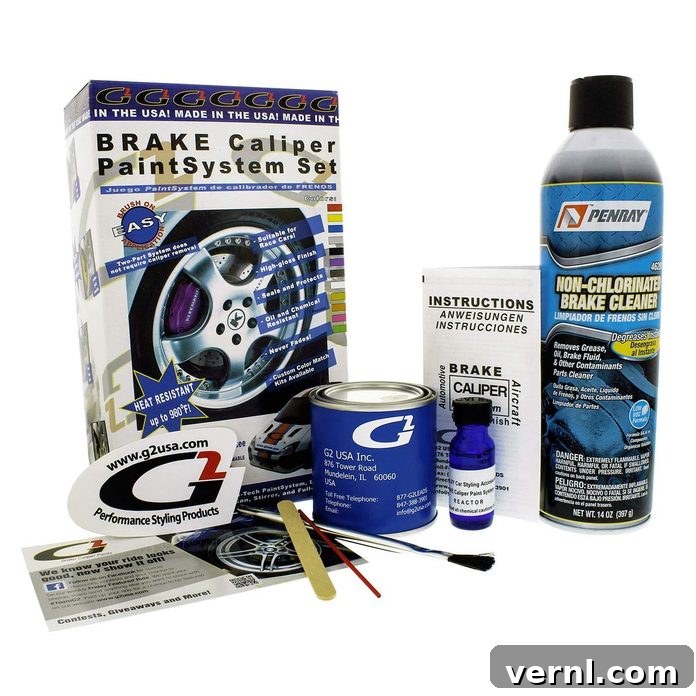
3. Two-Part Epoxy Resin Paints: The Professional Standard
For enthusiasts seeking the highest level of durability and heat resistance from a paint system, two-part epoxy resin paints are an excellent choice. These kits contain a paint base and a hardener that are mixed just before application, creating a chemical reaction that results in an exceptionally tough, self-leveling finish.
- Superior Performance: Epoxy-based systems often boast temperature ratings of 900 degrees Fahrenheit or even higher, surpassing ceramic resin paints. This makes them ideal for performance vehicles or those subjected to very aggressive driving.
- Integrated System: A significant advantage of two-part epoxies is that they typically do not require a separate primer or clear coat. Their inherent properties provide excellent adhesion, corrosion protection, and a durable, glossy finish in just two coats.
- Enhanced Longevity: The chemical bond formed by epoxy paints makes them highly resistant to chipping, fading, brake fluid, and road chemicals, ensuring a longer-lasting and more resilient finish.
- Safety Precautions: Due to their chemical nature, epoxy paints are more volatile during application and require greater protection for your skin and respiratory system. Always work in a well-ventilated area and wear appropriate gloves and a respirator.
- Cost: An epoxy-based kit will typically cost more than ceramic paints, ranging from $60 to $80, reflecting its superior performance and comprehensive formulation.
4. Other Caliper Customization Options: Beyond Liquid Paint
While liquid paints are popular, other methods exist for customizing brake calipers, offering even higher levels of durability or alternative aesthetics.
- Powder Coating: This professional-grade method involves applying a dry powder electrostatically to the caliper, which is then cured under heat in an oven. The result is an incredibly tough, chip-resistant, and highly heat-resistant finish that far surpasses liquid paints in durability. Eastwood, for example, offers a variety of powder coating powders costing between $8 to $20. While a DIYer can accomplish powder coating, it requires specialized equipment, including a powder coating gun and a dedicated powder coating oven, making it a more involved and investment-heavy DIY project. Many prefer to have this process done by a professional shop.
- Vinyl Coating/Decals: For a less permanent and easier aesthetic change, high-temperature vinyl wraps or decals can be applied to calipers. These offer a wide range of colors and designs, including carbon fiber or branded logos. While easier to apply and remove, their durability and heat resistance are typically lower than paints or powder coating, making them more suitable for show cars or less aggressively driven vehicles. They may also not adhere as well to irregular surfaces.
- Caliper Covers: As an alternative to painting, caliper covers are pre-formed shells that bolt onto your existing calipers, providing a finished look without the need for painting. These are purely cosmetic and don’t offer protective benefits to the caliper itself. While easy to install, some critics argue they can trap heat or look less authentic than a professionally painted or powder-coated caliper.
This is how to fix a sinking driveway in one day!
Top Caliper Paint Products: A Quick Review
When it comes to selecting a specific product, certain brands consistently receive high praise from both DIYers and professionals. Here’s a look at some leading options:
Dupli-Color Black Brake Caliper Aerosol
- Pros: Dupli-Color’s brake caliper spray paints are consistently ranked among the best in reviews, garnering 4.5 stars on Amazon. Its ceramic resins are formulated to resist heat up to 500 degrees Fahrenheit, which is suitable for most street applications. A major advantage is its fast-drying ability, allowing for quicker recoats and completion of the project. It offers a smooth, factory-like finish.
- Cons: While its 500°F heat resistance is adequate for many, it is lower than some other premium brands, making it less ideal for high-performance track vehicles or extremely aggressive driving conditions.
Rust-Oleum 12-Ounce Red Caliper Spray Paint
- Pros: The Rust-Oleum caliper spray paint stands out with an impressive heat resistance of up to 900 degrees Fahrenheit, placing it among the highest-rated caliper spray paints available. This superior heat tolerance makes it an excellent choice for drivers who demand more from their braking system.
- Cons: Some consumers have reported issues with the spray nozzle not functioning properly, which can lead to uneven application or frustration during the project. There have also been occasional complaints about the final color not perfectly matching the expected shade from the cap or product image.
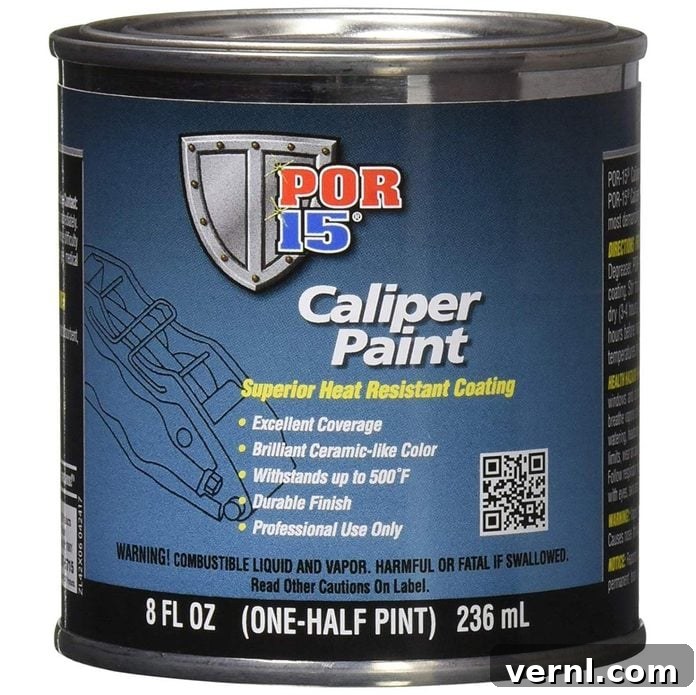
POR-15 Red Caliper Paint
- Pros: POR-15 Caliper Paint is renowned for its exceptional durability and high heat resistance, rated up to 500 degrees Fahrenheit. As a brush-on paint, it offers excellent control for precise application and typically cures to a very hard, chip-resistant finish that protects against corrosion and chemicals.
- Cons: Unlike spray-on options, POR-15 must be brushed on, which can be more time-consuming and may require more skill to achieve a perfectly smooth finish without brush marks. Furthermore, for the best results, it is generally recommended to remove your brake caliper before painting, adding an extra step to the process.
Detailed Tips for Successfully Painting Brake Calipers
Achieving a professional and durable finish on your brake calipers requires careful preparation and proper application techniques. Here are essential tips to guide you through the process, ensuring both aesthetic appeal and component integrity.
Preparation is Paramount: The Key to Lasting Results
- Safety First: Before starting, ensure your vehicle is safely supported on jack stands on level ground, with the wheels removed. Use wheel chocks for added security.
- Thorough Cleaning: This is arguably the most critical step. Calipers accumulate years of brake dust, road grime, grease, and corrosion. Use a wire brush, sandpaper, and a high-quality brake cleaner to meticulously clean the calipers. Ensure all loose rust, old paint, and contaminants are removed. The surface must be completely dry and free of oil or grease residues for the paint to adhere properly.
- Masking for Protection: If painting the calipers while still mounted on the vehicle, mask off all surrounding components meticulously. This includes the brake rotors, brake lines, bleeder valves, ABS sensors, and any other parts you don’t want painted. Painter’s tape, foil, or plastic sheeting can be used. Overspray can contaminate brake pads, affecting their performance, and can also make its way into moving parts, inhibiting proper caliper action and potentially leading to brake failure.
- Sanding for Adhesion: Lightly scuffing the caliper surface with fine-grit sandpaper (e.g., 320-400 grit) creates a mechanical bond for the paint, significantly improving adhesion and durability. After sanding, clean the surface again to remove any dust.
- Primer Application: If using a non-epoxy paint system, apply a high-temperature primer as per the manufacturer’s instructions. Thin, even coats are always better than one thick coat. Allow adequate drying time between coats.
Application Techniques: Brush-On vs. Spray-On
- Brush-On Options: These provide excellent control, allowing you to apply paint to mounted parts with minimal masking. They are great for intricate areas and can offer a thicker, more durable coat. However, achieving a perfectly smooth, brush-mark-free finish requires a steady hand and good brush technique.
- Spray-Can Options: Spray paints offer a faster, smoother, and more even finish, particularly for larger, flat surfaces. However, they require extensive masking to prevent overspray, making them often better suited for calipers that have been removed from the vehicle.
- Thin, Even Coats: Regardless of the application method, always apply multiple thin, even coats rather than one thick one. This prevents runs, ensures proper curing, and builds a stronger, more durable finish. Allow recommended drying time between each coat.
- Curing Process: Some paints require heat curing (e.g., baking in an oven) to achieve their maximum hardness and chemical resistance. If this is the case, removing the calipers is essential. Air-dry paints will specify a full cure time before the vehicle can be safely driven.
The Caliper Removal Debate: On-Car vs. Off-Car Painting
While brush-on paints allow for “on-car” application, most experts advise removing the calipers and disassembling them (if possible) for the best and safest results.
-
Benefits of Removal:
- Allows for thorough cleaning and preparation of all surfaces.
- Ensures complete paint coverage, even in hard-to-reach areas.
- Eliminates the risk of paint contaminating brake pads, rotors, or other critical components.
- Provides a professional-quality, long-lasting finish.
-
Risks of On-Car Painting:
- Overspray can damage surrounding components, plastics, and paintwork.
- Contamination of brake pads can lead to reduced braking performance and potential safety hazards.
- Incomplete coverage in hidden areas can lead to premature corrosion and a less durable finish.
If you choose to paint on the car, pay particular attention to protecting carriage pins, brake-pad mountings, and bolt threads. Any paint on these critical areas can inhibit proper function or make future servicing difficult.
Post-Painting Care
After painting, allow the calipers to cure fully according to the manufacturer’s instructions before driving the vehicle. This can range from several hours to several days. Once cured, cleaning your painted calipers regularly with a mild car wash soap and water will help maintain their appearance and prevent excessive brake dust buildup. Avoid harsh abrasive cleaners or brushes that could scratch the finish.
Learn the proper way to remove a tire to facilitate caliper painting in the video below.