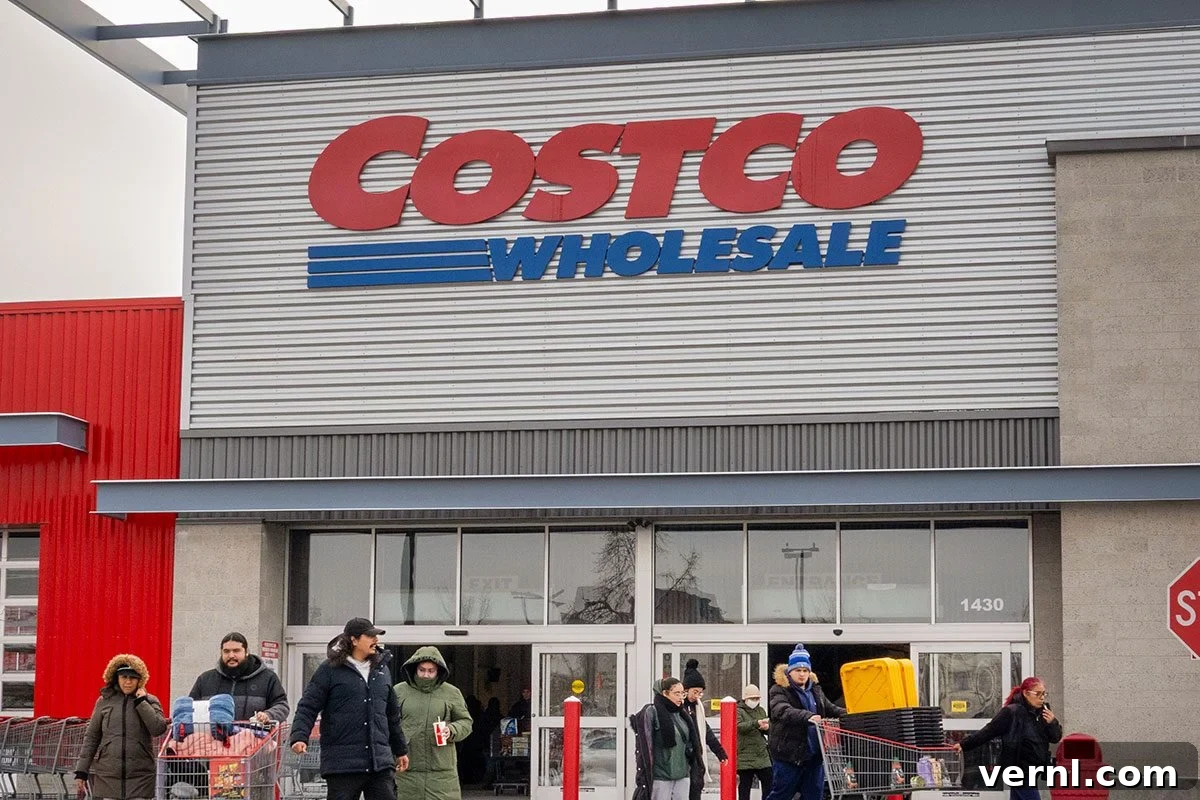
Unlock Savings: A Comprehensive Guide to Smart Shopping at Costco and Wholesale Retailers
That 24-pack of canned mushrooms seemed like a brilliant idea when it went into my shopping cart. Fast forward six months, and 18 cans are still cluttering my cupboard. On the flip side, my three-pack of lettuce suffered a similar fate, with two heads spoiling before I could even make a substantial salad.
These are just a few of the common, and often expensive, pitfalls of shopping at Costco and other wholesale retailers. Beyond the obvious, there’s the allure of impulse buys, which can quickly inflate your total spending.
“Costco and similar warehouse-style retailers might appear straightforward, but behind the scenes, they operate as incredibly efficient wholesale machines,” explains Blake DeWitt, a leading cost-analysis expert. “They’re fantastic for shoppers who understand the model and how to leverage it. However, they can be costly for those who don’t.”
This comprehensive guide delves into the intricacies of wholesale pricing, distinguishing between genuine bargains and potential money traps. We’ll equip you with the knowledge and strategies to truly maximize your savings and make the most of your Costco or wholesale membership.
The Allure of Wholesale and Bulk Shopping
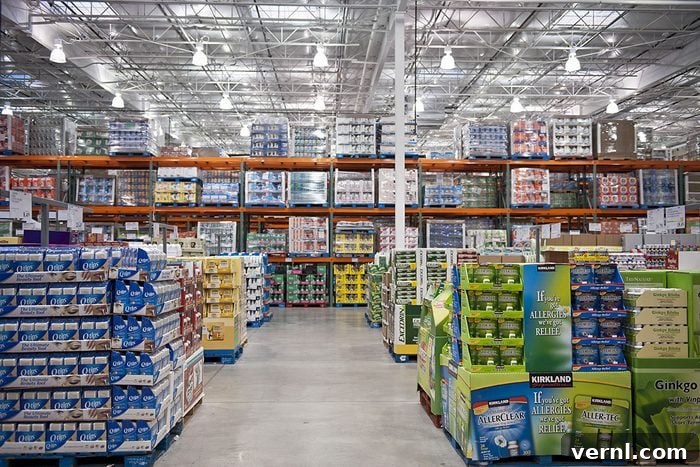
Warehouse stores like Costco offer a diverse range of products, from groceries and household essentials to DIY supplies, all conveniently located under one roof. Their core appeal lies in bulk sales, which often translate to a lower price per unit compared to traditional retail stores. This makes them attractive destinations for stocking up on frequently used items.
However, the perceived value of bulk buying can sometimes be misleading. “Warehouse-style shopping is strategically designed to create the illusion that you’re getting an exceptional deal with every swipe of your credit card,” says DeWitt. “While this is true for certain products, it’s definitely not a universal guarantee.”
Understanding How Wholesale Pricing Works
Wholesale stores generally operate on razor-thin profit margins for essential staple items. They then compensate by applying higher margins to impulse buys and seasonal merchandise, according to Shay Ramani, a consumer finance expert.
Furthermore, wholesale retailers often establish direct partnerships with brands to secure prices that are significantly lower than those offered by traditional retailers. “Their ability to sell in large volumes allows them to negotiate more favorable deals with brands and manufacturers,” explains Andrea Woroch, a consumer-savings expert. “This gives them greater flexibility in their margins, enabling them to offer attractive prices while still maintaining profitability.”
What *Is* Actually Cheaper at Wholesale Stores?
Costco typically stands out for its competitive pricing on the following categories:
- Non-Perishable Food Staples: Think large bags of rice, dried beans, pasta, canned vegetables, and other long-lasting pantry staples.
- Paper Products: Items like paper towels, toilet paper, napkins, and disposable plates are often significantly cheaper when purchased in bulk.
- Hygiene Basics: Stock up on essentials like shampoo, conditioner, soap, toothpaste, and other personal care products.
- Home Consumables: Lightbulbs, batteries, cleaning supplies, laundry detergent, and other frequently used household items are often available at discounted prices.
- DIY Supplies: Contractor bags, shop towels, bulk batteries, and other DIY essentials can represent significant savings for homeowners and hobbyists.
- Ready-to-Cook Meals: Look for pre-made meals and meal kits, especially when accompanied by instant discounts or promotional offers.
- Gift Card Bundles: Purchase discounted gift cards for restaurants, retailers, and entertainment venues, often with savings of 10% to 30%.
- Travel: Explore potential savings on car rentals, vacation packages, and cruises through Costco’s travel services.
Certain power tool bundles can also offer compelling value. “Seasonal kits and multi-battery packs can often beat the prices offered by DIY retailers, provided the batteries are compatible with your existing tools and the warranty terms are comparable,” notes Ramani. “However, if you don’t need the extra components included in the bundle, the apparent savings can quickly evaporate.”
What *Isn’t* Cheaper at Wholesale Stores?
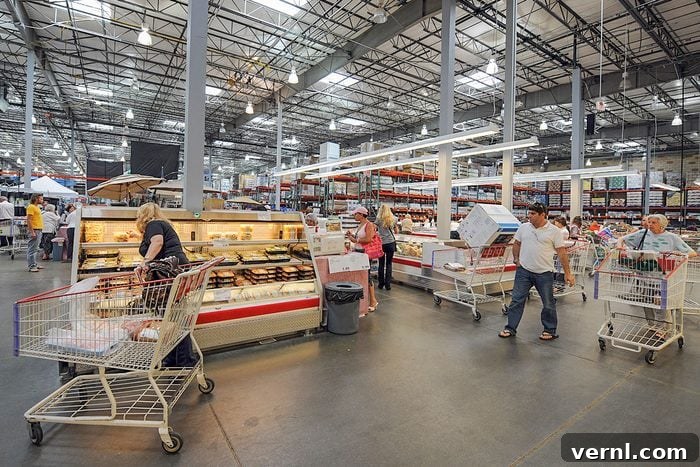
Be cautious when purchasing the following items at wholesale stores:
- Produce, Bread, and Other Baked Goods: Unless you’re confident you can consume large quantities quickly, these items are prone to spoilage and may end up costing you more in the long run.
- Over-the-Counter Medicine: “These medications can lose their effectiveness after the expiration date, leading to waste,” cautions Woroch. Evaluate your actual needs before buying in bulk.
- Big-Ticket Durable Goods and Specialty Items: Exercise caution when purchasing items like furniture, toys, and certain tools, as the savings may not always be significant. Compare prices with other retailers before making a purchase.
Also, be wary of “impulse aisles.” “These aisles are strategically designed to maximize profit margins, and you’ll often end up paying more for items you didn’t initially plan to buy,” warns Ramani. Stick to your shopping list and avoid browsing these tempting areas.
Hidden Costs of Wholesale Stores
If you’re not a savvy shopper, you can easily overspend at wholesale stores. Some common pitfalls include:
- Perishable Foods: Buying bulk vegetables, fruits, and baked goods often leads to spoilage before you can consume them all, resulting in wasted money.
- Nonperishable Food Overload: Purchasing excessive quantities of nonperishable food can clutter your pantry and lead to forgotten items expiring. “Buying 25 pounds of flour only makes sense if you bake regularly,” advises DeWitt.
- Impulse Buys: Tempting deals on items you don’t actually need can quickly add up and bust your budget.
- Credit Card Interest: Higher checkout totals can lead to credit card debt and interest charges, effectively negating any potential savings. “While you might be getting a better value in the long run, if you can’t pay off your balance in full, the interest will erode your savings,” says Woroch.
- The Membership Fee: The annual membership fee can incentivize excessive spending in an attempt to justify the cost. “It pressures members to overspend to rationalize the whole idea of membership,” explains spending-savings expert Sean Markey.
Markey conducted a six-month study to assess whether warehouse stores actually saved his household money. He found that nearly 20% of the bulk food he purchased spoiled. When his family switched back to regular grocery stores, food spoilage decreased significantly, and they reduced their net spending by 15%, even though they paid more on a per-item basis.
Real Savings vs. Perceived Savings
Real savings occur when the cost per item is lower than your usual price, factoring in waste from spoiled items, the membership cost, and any additional travel and time spent shopping.
“Perceived savings stem from large packages that appear cheap, inflated RRPs (recommended retail prices), and promotions for items you didn’t intend to buy,” says Ramani. “The quickest way to assess real savings is to maintain a price book for your staple items and compare costs across different stores.”
Discounted price tags can also trigger an emotional response, stimulating reward centers in our minds. “People tend to buy larger quantities or in bulk simply because they assume that bigger is always better,” says DeWitt. Instead, “Focus on buying exactly what you’ll use, not what ‘might be useful’ in the future.”
FAQ: Maximizing Your Savings at Wholesale Retailers
How do I store bulk purchases so they don’t go to waste?
For nonperishable foods like canned goods, rotate your stock regularly, placing newer items at the back and consuming older ones first. Store moderately sensitive items such as crackers, cereal, and coffee in airtight containers labeled with their purchase dates.
For perishable foods like meat, divide them into meal-size portions, label them with the date, and then vacuum seal and freeze them. “You can also freeze select produce,” says Woroch. “Alternatively, cook the produce and then freeze it for easy reheating later.”
How can I avoid overspending when shopping in bulk?
- Make a List: Base your list on items you need to replenish and strictly adhere to it.
- Avoid Temptation: Steer clear of aisles containing goods you don’t need.
- Promotional Prudence: Only take advantage of promotions when they align with items you already purchase.
- Track Your Spending: Keep receipts and periodically audit your spending to determine if the membership is truly paying off.
- Shop Strategically: Don’t shop when hungry. “Have a small snack before you shop or grab a cheap slice of pizza at their food court before shopping,” suggests Woroch.
Furthermore, resist the urge to make impulse purchases. “If you encounter an unplanned purchase, tell yourself you’ll revisit it after you’ve finished the rest of your shopping,” advises Woroch. “If it’s not something you truly need, chances are you’ll forget about it and save yourself money.”
About the Experts
- Andrea Woroch is a nationally recognized consumer-savings expert with over 15 years of experience covering deals at warehouse club stores.
- Blake DeWitt is the founder and CEO of Investorade. As a real estate and construction entrepreneur, he specializes in material cost analysis.
- Sean Markey is the founder of LocalSEO.net. His work focuses on eliminating wasteful spending and maximizing true return on investment, whether for a marketing campaign or a grocery budget.
- Shay Ramani is a consumer finance and money-saving expert and the founder of Freepricecompare.com. He has over 10 years of experience analyzing unit prices, membership trade-offs, and total cost of ownership.