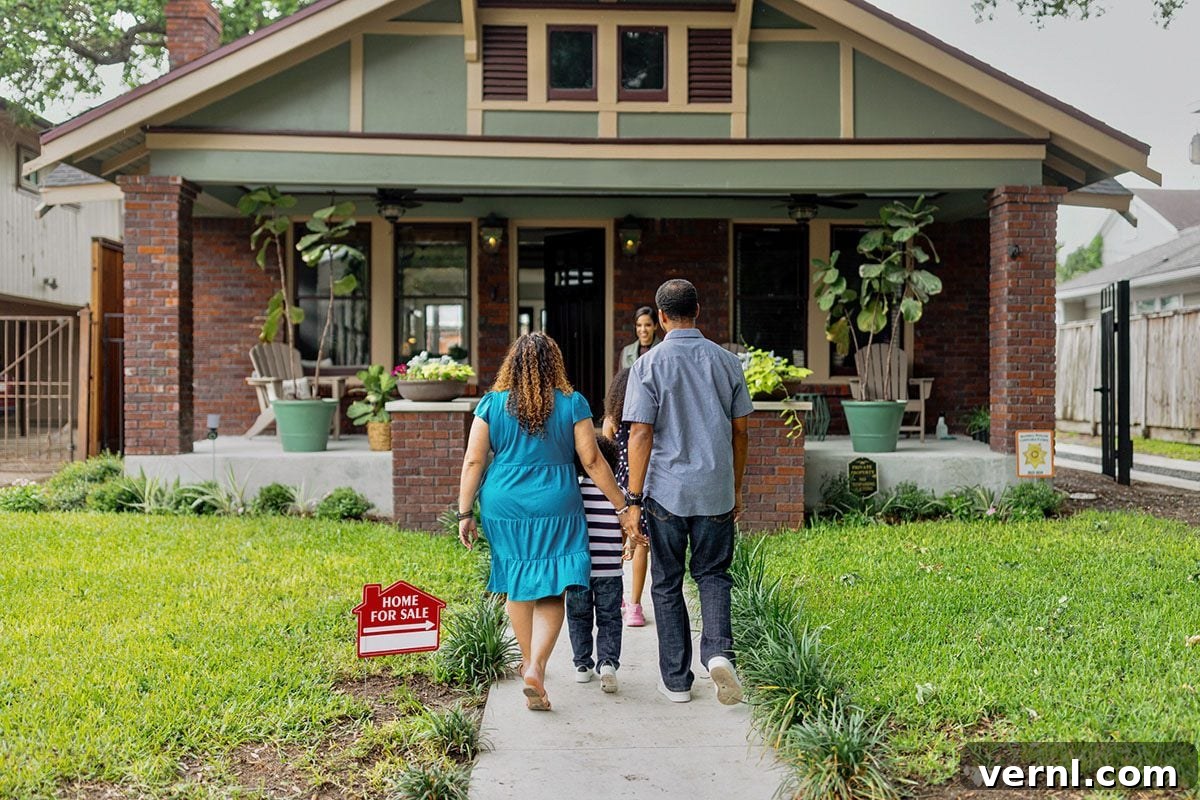
Real estate transactions involve significant sums of money. Whether you’re buying or selling a home, having a competent realtor at your side can make a major difference in the outcome. With many agents to choose from, it can be hard to know who will best represent your interests. To help, here are ten expert-backed questions to ask a realtor before hiring them, so you can feel confident in a competitive market.
Are you a full or part-time agent?

Many realtors work part time. If you want timely responses, showings and negotiation support, prioritize an agent who works full time and is available during the week. Homes can move quickly: a listing that appears in the morning can receive an offer by the afternoon. If your agent handles real estate only in evenings or weekends, you may miss opportunities.
Will I work with you or members of your team?
Large teams can offer greater availability, but clarify who will handle the key tasks. Ask directly whether the agent you’re interviewing will attend the open house, the inspection, and draft or present offers. It’s reasonable to expect the person who sells you on their services to be the one performing the work, or at least to know exactly who will and when.
What is your fee structure and is it flexible?
Commission rates traditionally range from five to six percent of the sale price and are divided between buyer’s and seller’s agents. Since 2024, these rates have become more negotiable. Discuss commission expectations during your first meeting and get any agreement in writing before moving forward. If an agent refuses to discuss percentages or declines to put terms on paper, consider that a warning sign.
How long have you lived and worked in this market?
Local experience matters. An agent who has worked in a neighborhood for several years can offer insights beyond listing data, such as local flooding patterns, shifting school boundaries, or upcoming HOA assessments. Those details can affect pricing, timing and disclosure needs—information you won’t always find on national portals.
Do you have a team of vendors?
A well-connected agent should be able to recommend trusted vendors like roofers, carpenters, handymen, plumbers, electricians and junk removal services. When a closing timeline is tight, an agent who can call a reliable vendor and get work scheduled quickly adds real value. If an agent’s response to vendor needs is “just Google it,” they may not be providing full-service support.
What’s your marketing strategy?
Marketing can determine whether a home sits on the market or receives multiple offers. Ask the agent to explain their strategy: professional photography, optimized MLS descriptions, open houses and staging are common components. Request examples of past listings so you can evaluate how the agent positions properties and whether their presentation is polished and effective.
What’s your take on the current market?
A knowledgeable agent should speak in concrete terms about inventory, average days on market, and whether homes in your area are selling for over or under asking price. Market conditions can change quickly, so look for specific data and trends rather than broad sales pitches like “it’s a great time to buy or sell.” Those general statements don’t replace a data-driven assessment.
What’s your strategy to deal with multiple offers?
For sellers, multiple offers require a clear pricing and timing plan: comparables to justify the list price, an offer deadline, and a process for evaluating and selecting the best terms. For buyers, an agent should explain how they handle escalation clauses, appraisal gap issues and crafting clean, competitive offers. Their approach to bidding situations can be decisive in a tight market.
 Woman checking a list of clients for an open house
Will you represent both buyer and seller?
Dual representation—where one agent represents both sides—is permitted in some areas but creates a clear conflict of interest. Buyers and sellers have opposing financial goals, and an agent should be able to demonstrate how they will protect your interests. If you sense the agent is too willing to represent both sides without addressing conflicts, consider finding representation that commits to advocating solely for you.
Can I see examples of your past or current listings online?
Reviewing an agent’s active and past listings reveals a lot about how they present properties. Check for professional photography, thorough descriptions, and effective staging. Listings that stand out with quality photos and thoughtful write-ups are more likely to attract serious buyers and generate stronger offers.
FAQ
Do I need a realtor to buy a home?
No, you do not need a realtor to buy a home, though many buyers find value in professional representation.
What’s the difference between a realtor and a real estate agent?
A Realtor is a licensed agent who is also a member of the National Association of Realtors and adheres to its code of ethics and continuing education. Not all agents are Realtors.
How do I know if a realtor is actually licensed?
Each state maintains a license database where you can verify an agent’s license status and check for disciplinary records.
About the Experts
- Blaz Korosec is cofounder and CFO at Investorade, a Dallas-based real estate investment company. He has more than a decade of experience in real estate and finance.
- Sain Rhodes is director of operations and business development at Clever Offers, a platform that connects homeowners with cash buyers and qualified agents.
- Erik Leland is a real estate broker with Realty First in Lake Oswego, Oregon.
- Cari McGee is a managing broker and Realtor with extensive residential sales experience and a record among top-producing agents.