
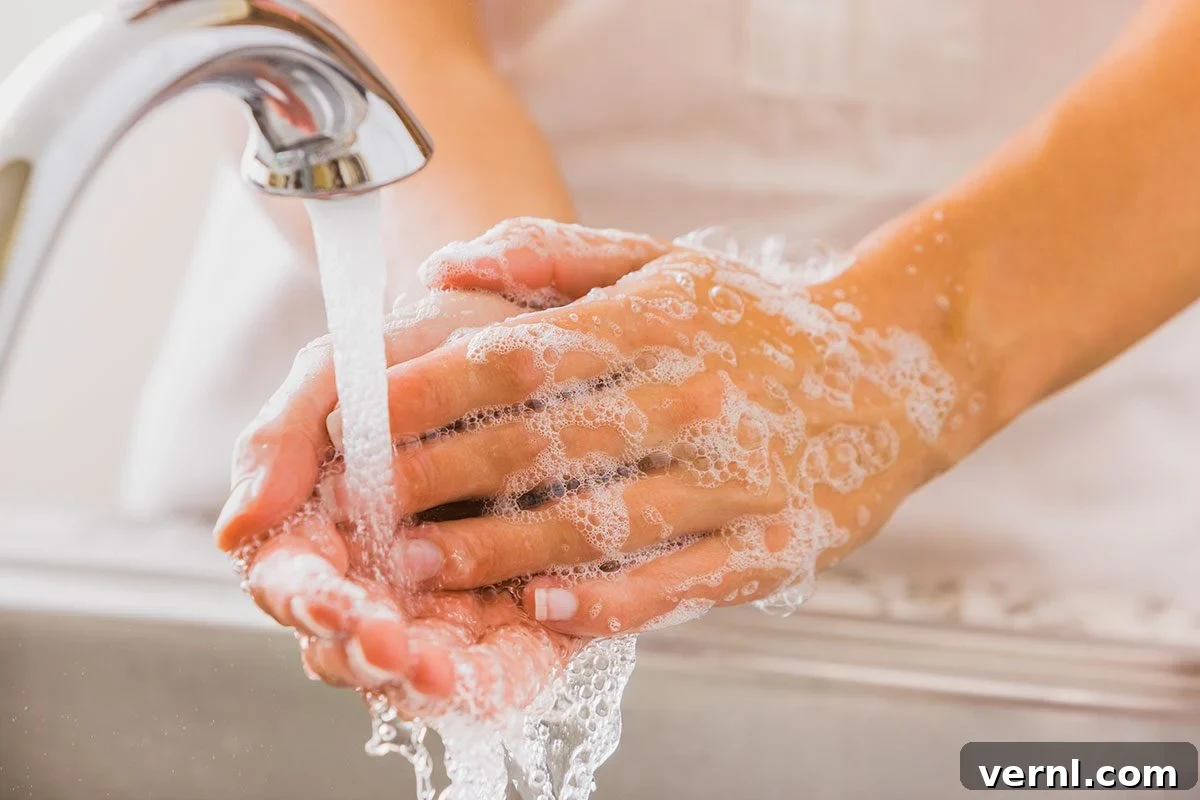
The Essential Guide to Proper Handwashing: Beyond Germs and into DIY Success
In our daily lives, the importance of clean hands is often highlighted in specific contexts: before preparing food, especially for others, or when caring for an infant. These are critical times when preventing the spread of germs is paramount. However, the significance of proper hand hygiene extends far beyond these obvious scenarios, playing a crucial role in our overall health and even in the successful completion of various home projects and DIY tasks.
“In DIY projects, dirty hands can introduce bacteria, chemicals, and oils that compromise surfaces, hinder paint adhesion, or leave unwanted residues on tools and appliances,” explains preventative health expert Dr. Bill Kapp. He emphasizes that the implications go deeper than just project outcomes. “More critically, your skin acts as a protective barrier. If this barrier becomes cracked or is constantly exposed to harsh chemicals, your risk of irritation, infection, or more serious skin conditions significantly increases.”
This comprehensive guide will walk you through the correct way to wash your hands, addressing not only everyday germs but also the stubborn grease, paint, and other challenging messes you might encounter, ensuring both your health and your project success.Why Washing Your Hands Properly Matters for Health and Home Projects
Our hands are our primary interface with the world, constantly picking up germs from a myriad of surfaces we touch throughout the day – from smartphones and pets to desks, doorknobs, and public transportation. While many of these germs are harmless, some can lead to illnesses, infections, rashes, or other uncomfortable skin problems. Effective handwashing is a fundamental defense against these potential threats, acting as one of the simplest yet most powerful preventive health measures we possess.
“Handwashing prevents all that, and doing it correctly is one of the simplest ways you can remain healthy and prevent the spread of illness to those around you,” affirms dermatologist Dr. Stephanie Taylor. It’s not just about personal health; it’s about community health, protecting family, friends, and colleagues from transferable pathogens.
Beyond general health, proper handwashing takes on a specialized importance in the realm of DIY and home improvement tasks. These activities often involve direct contact with a variety of materials, from construction dust and adhesives to paints, solvents, and automotive fluids. Without adequate hand hygiene, these substances can have detrimental effects on both your skin and the quality of your work.
“I work with skin all day, every day, and I’ve seen firsthand what happens if people neglect their skin, especially when engaged in hands-on activities like repairing cars, painting walls, or building furniture at home,” shares dermatologist Dr. David Johnson. He points out several common pitfalls that arise from inadequate hand care in these situations.
A significant concern involves your skin’s outermost protective layer, known as the stratum corneum. This vital barrier is responsible for retaining essential moisture within your skin while simultaneously keeping harmful external substances out. “When you don’t effectively remove chemicals, dirt, or irritants from your skin’s surface, these foreign agents can begin to dissolve or compromise this protective layer,” explains Johnson. Such damage can lead to a range of skin issues, including contact dermatitis (an itchy rash), folliculitis (inflammation of hair follicles), or severe dry, cracked skin that can become chronic and progressively worse over time. These conditions not only cause discomfort but can also impair your ability to continue with your projects and even make you more susceptible to infections.
How To Wash Your Hands Properly: A Step-by-Step Guide
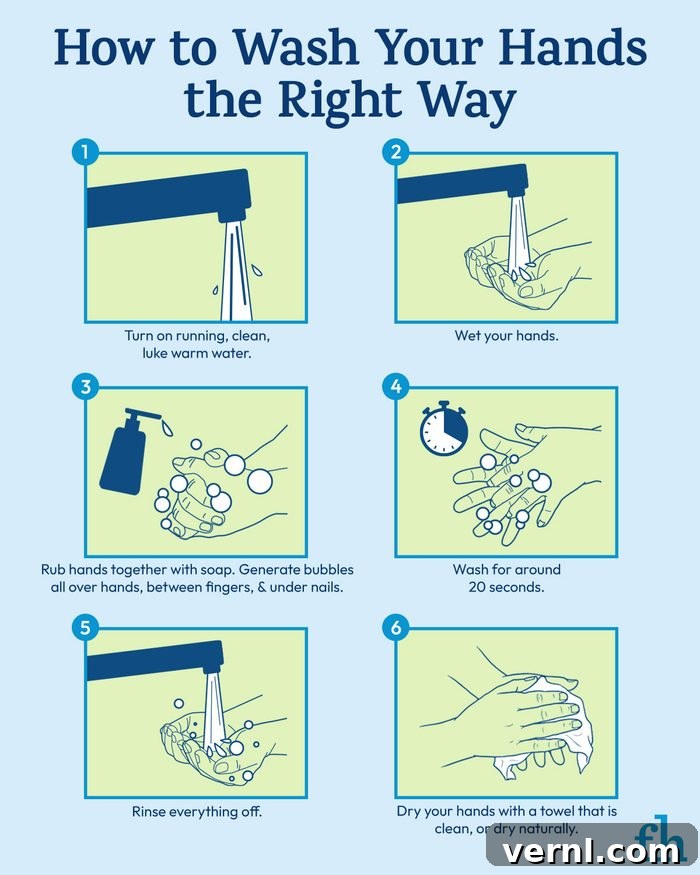
Mastering the art of handwashing is a simple yet powerful habit for maintaining health. The basic technique for general hygiene is straightforward, but paying attention to each step ensures maximum effectiveness:
- Turn on Running, Clean Water: Always start with clean, running water. The temperature doesn’t need to be hot; lukewarm water is perfectly effective and kinder to your skin. Running water helps to flush away loose contaminants before you even apply soap.
- Wet Your Hands Thoroughly: Ensure your hands are completely wet under the running water. This prepares your skin to receive and lather the soap effectively.
- Apply Soap and Lather Up: Dispense a sufficient amount of soap (liquid or bar) into your palm. Rub your hands together vigorously to generate a rich lather. Don’t just focus on your palms; meticulously scrub the backs of your hands, between your fingers, and pay special attention to under your fingernails, where germs and dirt often accumulate. The friction created by rubbing helps dislodge microbes and grime.
- Wash for Around 20 Seconds: This duration is crucial for the soap to effectively break down and lift away germs. To gauge the time, a popular tip is to sing the “Happy Birthday” song twice from beginning to end, as suggested by Dr. Taylor. This ensures thorough cleaning across all surfaces of your hands.
- Rinse Everything Off Completely: Place your hands back under running water and rinse them thoroughly. Make sure all traces of soap and dislodged dirt are washed away. Any residual soap can lead to skin irritation.
- Dry Your Hands Effectively: Dry your hands with a clean towel or allow them to air dry naturally. Using a dirty towel can re-contaminate your freshly washed hands, undoing all your good work. If possible, use a disposable paper towel to turn off the faucet to avoid touching potentially contaminated surfaces.
Specialized Handwashing for DIY and Project Messes
When you’ve been working in the garage, workshop, or garden, the type of mess on your hands often requires a more specialized approach to ensure proper cleaning without damaging your skin.
- For Greasy, Oily, and Sticky Dirt/Grime:
- Choose the Right Soap: Regular hand soap may not be sufficient for stubborn grease or oil. Opt for a heavy-duty hand soap specifically designed for industrial or automotive use. These often contain ingredients like pumice (a gentle abrasive) or degreasers that effectively break down and remove tough residues.
- Recommended Brands: Dr. Johnson frequently recommends established brands like Gojo and Fast Orange, which are known for their efficacy in removing automotive grease, paints, and oils.
- Caution with Abrasives: While effective, be mindful that highly abrasive scrubs can be harsh on your skin, especially if used daily or with excessive force. Use them judiciously and follow up with extra care for your skin.
- For Paint Removal:
- Latex Paint: For water-based latex paints, a good wash with regular soap and warm water should typically be enough to remove fresh spills or residue. Act quickly before the paint fully dries.
- Oil-Based and Spray Paints: These types of paints require a solvent to break them down. Mineral oil or mineral spirits are commonly used for this purpose. Apply a small amount to a cloth or directly to your hands, gently rub to dissolve the paint, and then wipe clean.
- Crucial Follow-Up Wash: After using any solvents like mineral spirits, it’s absolutely vital to rewash your hands thoroughly. Use warm (not hot) water and a mild, pH-balanced soap. Hot water and harsh soaps can further dry out skin already exposed to solvents, leading to irritation. The goal is to remove both the paint residue and any solvent residue effectively.
- Post-Wash Moisturizing:
- Essential for Skin Health: Especially after using abrasive soaps, strong degreasers, or chemical solvents, your hands will benefit immensely from a good moisturizer. These products help to replenish the natural oils and moisture that may have been stripped away, preventing dryness, cracking, and irritation.
- Expert Recommendation: Dr. Johnson’s personal preference for effective hand hydration is a thick hand cream, such as Eucerin Advanced Repair, known for its ability to provide lasting moisture and support the skin barrier.
“Good healing begins with good habits,” concludes Dr. Johnson. “Take care of your hands. They only come in a single pair, and they perform far more critical tasks than you might realize, both in your daily life and in your DIY pursuits.”
When Should You Wash Your Hands? Key Moments for Hygiene
While the basic technique of handwashing is critical, knowing when to wash your hands is equally important for preventing the spread of germs and maintaining optimal health. Doctors, including Dr. Taylor, advise washing your hands at numerous pivotal moments throughout the day:
- After Visiting the Restroom: This is a universal standard for hygiene to prevent the spread of fecal bacteria.
- Before Consuming or Preparing Food: Essential to prevent transferring germs from your hands to your food or cooking surfaces, which could lead to foodborne illnesses.
- Directly After Blowing Your Nose, Sneezing, or Coughing: Respiratory droplets can easily contaminate your hands, and washing helps contain the spread of cold, flu, and other respiratory viruses.
- After Touching Pets or Other Animals: Animals can carry various bacteria and parasites that can be transmitted to humans.
- Upon Returning Home from Outside: Especially after being in public places or touching shared surfaces, washing your hands helps remove external contaminants before you touch things inside your home.
- After You’ve Been Outdoors or Gardening: Soil and outdoor environments can harbor bacteria, fungi, and other microorganisms that are best washed away before entering your living space.
- Before and After Assisting an Ill Person: Crucial for protecting both yourself from their illness and the ill person from any additional germs you might carry.
- Before and After Touching Cuts or Open Wounds: This practice is vital for preventing infection in an open wound and ensuring that any potential pathogens on your hands do not enter the bloodstream.
- Before and After Handling Raw Meat, Poultry, or Seafood: Prevents cross-contamination of other foods and surfaces with harmful bacteria like Salmonella or E. coli.
- After Handling Garbage or Waste: Waste materials can be breeding grounds for bacteria and other pathogens.
- Before and After DIY Projects: As discussed, to protect your skin from chemicals and prevent project contamination.
Handwashing Mistakes to Avoid for Optimal Hygiene and Skin Health
Even with good intentions, several common mistakes can undermine the effectiveness of your handwashing routine. Being aware of these pitfalls can help you ensure your hands are truly clean and healthy.
- Washing Too Quickly or Skimping on Coverage:
- Many people rush through handwashing, not giving enough time for the soap to work. As Dr. Taylor advises, the 20-second rule is non-negotiable for effectively removing germs.
- Another frequent error is neglecting key areas. It’s common to miss the backs of hands, between fingers, and especially under fingernails. These hidden spots are prime locations for dirt and bacteria to accumulate. Make sure your scrubbing technique covers every surface.
- Drying Hands with a Dirty Towel:
- “Also, don’t dry your hands with a dirty towel, which only transmits bacteria right back onto your hands,” warns Dr. Taylor. A towel used repeatedly without washing can harbor bacteria and undo all the effort of a proper wash. Always use a clean towel or air dry.
- Not Rinsing Off Hard Scrubs or Solvents Thoroughly:
- When it comes to home improvement and vehicle projects, a common mistake is not rinsing off heavy-duty scrubs or chemical solvents completely. “Leaving chemical residue on your skin can lead to irritation, dryness, or even chemical burns over time,” explains Dr. Kapp.
- After using abrasive scrubs, mineral oil, or other harsh cleaners, it is paramount to follow up with a thorough rewash using warm, clean water and a mild, gentle soap. “The ultimate goal is to get your hands clean and ensure they are safe and healthy to continue working with,” he adds.
- Using Inappropriate Cleaning Solutions on Your Skin:
- Dr. Johnson strongly advises against using soaps or cleaning solutions intended for tools, machinery, or household surfaces on your hands. “These products are formulated with harsh chemicals that can severely damage and irritate your skin, stripping its natural protective oils and potentially causing burns or contact dermatitis,” he cautions. Always use products specifically designed for skin.
- Avoiding Hot Water (and Why Lukewarm is Best):
- Contrary to popular belief, using excessively hot water does not kill more germs. In fact, hot water can be detrimental to your skin. It strips away the natural oils that keep your skin hydrated and protected, leading to dryness, irritation, and even cracking.
- As Dr. Taylor points out, “Lukewarm water is just as effective at dislodging germs and is far kinder to your skin.” Always opt for comfortable, lukewarm water.
- Neglecting to Dry Your Hands Thoroughly:
- While hot water is bad, wet skin is also more vulnerable to damage and irritation. “Remember to dry your hands thoroughly,” Dr. Johnson recommends. “Wet skin is more easily damaged, making it more susceptible to cracking, chafing, and the ingress of irritants, especially if you’re returning to a manual task.”
Advanced Hand Care Tips for DIY Enthusiasts
For those who regularly engage in DIY projects, gardening, or automotive work, going beyond basic handwashing can provide an extra layer of protection and comfort for your invaluable hands. Incorporating these advanced care tips can prevent many common problems.
- Utilize Protective Gloves:
- When to Use: Gloves are your first line of defense against many common DIY hazards. Wear them when handling chemicals (paints, solvents, cleaners, adhesives), rough materials (wood, concrete, metal), or when doing dirty jobs like gardening or engine work.
- Types of Gloves:
- Nitrile or Latex Gloves: Excellent for chemical protection and preventing skin contact with irritants. Nitrile is often preferred for those with latex allergies and offers good resistance to many chemicals.
- Leather or Heavy-Duty Work Gloves: Ideal for protection against cuts, abrasions, splinters, and impacts when handling tools, lumber, or sharp objects.
- Gardening Gloves: Protect against soil, thorns, and plant irritants.
- Benefits: Gloves minimize direct skin exposure to irritants, allergens, and physical trauma, significantly reducing the risk of dermatitis, cuts, and ingrained dirt.
- Before starting a particularly dirty or irritating task, some DIYers find barrier creams beneficial. These creams form a protective layer on your skin, making it harder for dirt, grease, and mild chemicals to penetrate, and often making cleanup easier. They are not a substitute for gloves but can offer an extra layer of defense for short tasks or in areas where gloves are impractical.
- Even with precautions, minor cuts, scrapes, or splinters can happen during DIY. Always clean these immediately with mild soap and water, apply an antiseptic, and cover with a sterile bandage. Prompt care prevents infection and promotes healing, allowing you to get back to your projects sooner. Avoid continuing work with an open wound if possible, especially if it’s exposed to dirt or chemicals.
- Keeping your fingernails trimmed short can prevent dirt and grime from accumulating deeply underneath them, making handwashing more effective. It also reduces the risk of accidental scratching or nail damage during manual tasks.
Frequently Asked Questions (FAQ) About Handwashing
How long should you wash your hands?
You should wash your hands for no less than 20 seconds. This duration is scientifically recommended as the minimum time needed for the soap and friction to effectively remove and dislodge germs from the surface of your skin. As Dr. Taylor suggests, “Hum a tune to yourself, like ‘Happy Birthday’ twice, to help keep track of the time and ensure a thorough wash.” Shorter periods may not adequately cleanse your hands.
Should you always use antibacterial soap?
No, you typically don’t need to use special antibacterial soap unless specifically recommended by your doctor for a particular medical condition. “Regular soap and water are perfectly fine and just as effective at removing most germs,” states Dr. Taylor. In fact, she cautions that “using antibacterial soaps frequently can dry out your skin more severely or lead to other issues, potentially contributing to antibiotic resistance over time without providing significant additional benefit over plain soap.”
Does hot water kill more germs?
Again, the answer is no. This is a common misconception. Hot water does not significantly increase germ-killing efficacy compared to lukewarm water, and it can actually be harmful to your skin. “Hot water can strip away the natural protective oils from your hands, leading to dryness, irritation, and potential damage to your skin barrier,” explains Dr. Taylor. “Lukewarm water is just as effective at helping soap create lather and rinse away germs, and your skin will undoubtedly thank you for being gentle.”
What if there’s no soap and water available?
In situations where soap and running water are not accessible, your best alternative is to use an alcohol-based hand sanitizer. “Ensure the hand sanitizer contains at least 60% alcohol to be effective,” advises Dr. Taylor. While hand sanitizers are excellent at killing many types of germs, it’s important to remember that “they won’t remove visible dirt, grime, or chemical residues from your hands. Therefore, it’s good to have as a last resort for germ killing when traditional washing isn’t possible, but always prioritize soap and water when available.”
Can over-washing your hands be harmful?
Yes, excessive handwashing can indeed be harmful to your skin. While regular washing is good, over-washing, especially with harsh soaps or very hot water, can lead to dry, irritated skin. In some cases, it can cause irritant contact dermatitis, a condition characterized by red, itchy skin that can become cracked, flaky, and painful. “I see a lot of this with patients, particularly those in professions requiring frequent handwashing,” notes Dr. Taylor. “If you find yourself needing to wash your hands a lot, it’s crucial to follow up with a gentle, hydrating moisturizer to keep your skin soft, supple, and resilient.”
Meet Our Expert Contributors
This article draws upon the valuable insights of leading experts in dermatology and preventative health, whose extensive knowledge helps illuminate the critical importance of hand hygiene for both general well-being and successful project execution.
- Dr. Stephanie Taylor, M.D., is a highly respected board-certified dermatologist with over 12 years of clinical practice. She currently serves as a senior consultant at Medpak Solutions, where she applies her expertise to a wide range of dermatological concerns, emphasizing practical and effective skin care solutions.
- Dr. Bill Kapp, M.D., is a recognized longevity-focused expert and the CEO of Fountain Life. His work is dedicated to preventive health, focusing on how everyday habits—including meticulous hand hygiene—play a pivotal role in maintaining skin integrity, bolstering immune health, and minimizing the risk of cross-contamination in various environments.
- Dr. David Johnson, M.D., is a distinguished board-certified dermatologist whose career has been dedicated to developing treatments and promoting practices for healthy skin and scalps. He is also the co-founder of RedliteX, a pioneering company in advanced red light therapy for dermatological health, showcasing his commitment to innovative skin care solutions.
RELATED ARTICLES:
- The Real Reason Aluminum Foil Has a Shiny Side and a Dull Side
- Think Adirondack Chairs Are Uncomfortable? You’re Using Them Wrong
- Why You Shouldn’t Crush Aluminum Cans Before Recycling