The Ultimate Guide to Cleaning and Maintaining Your Wood Floors
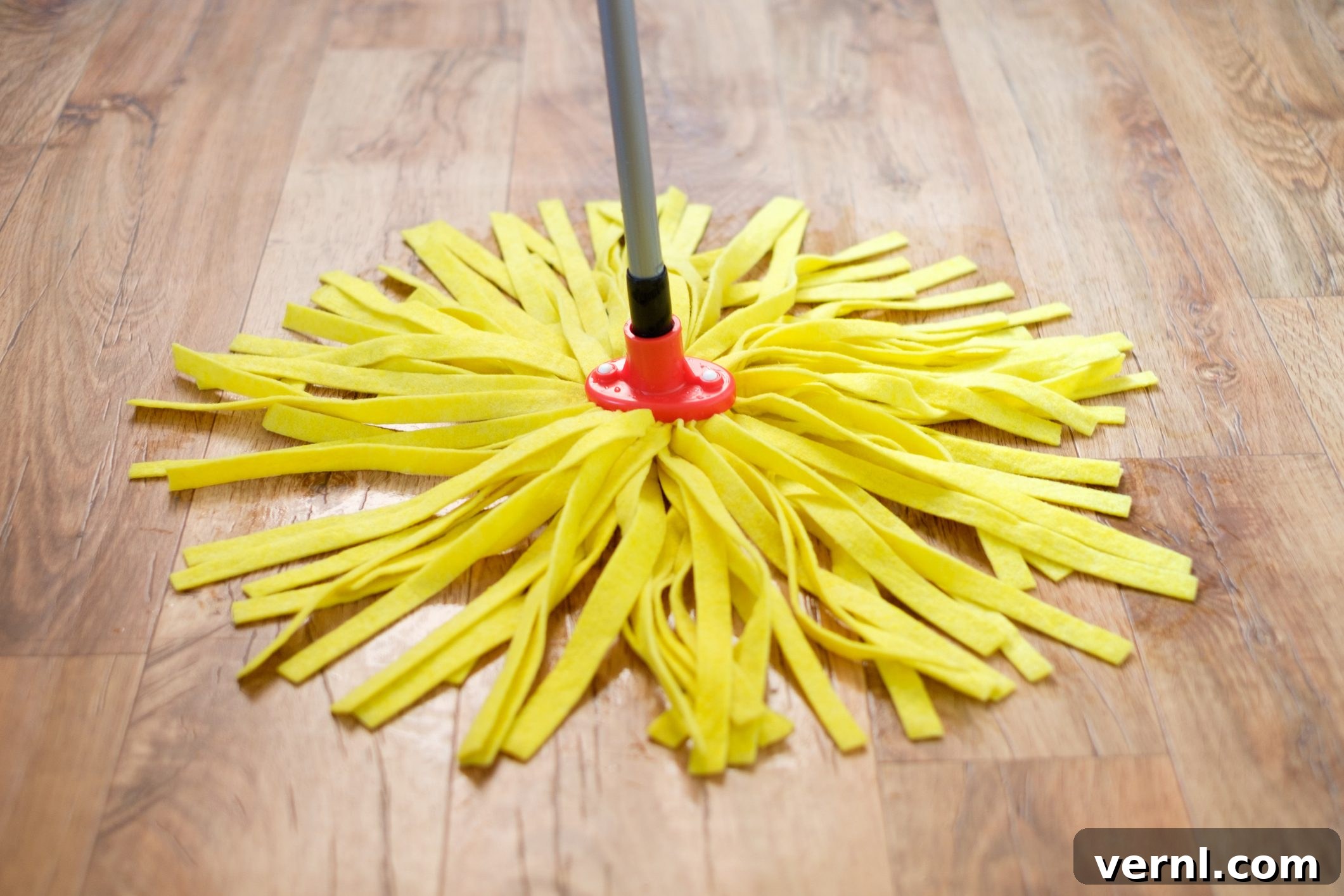
Wood floors bring unparalleled warmth, elegance, and character to any home. Whether you’re admiring the rich, clubby sophistication of polished oak or the airy, sun-kissed charm of white-pine planks, these natural surfaces create an inviting atmosphere. However, maintaining their pristine condition requires specific knowledge and care. While sweeping is a common practice, many homeowners find themselves hesitant when it comes to deeper cleaning methods, particularly the question of whether it’s truly safe to mop wood floors.
Beyond the immediate cleaning method, it’s also crucial to understand the type of wood floor you have. Not all “wood-look” floors are created equal, and their cleaning requirements vary significantly. Genuine solid hardwood and its modern counterpart, engineered wood (featuring a hardwood veneer over a robust plywood core), demand a different approach compared to lookalikes such as laminate or luxury vinyl plank (LVP) flooring. These imposters often mimic the appearance of real wood so convincingly that distinguishing them can be a challenge. To provide you with the most reliable advice, we consulted two seasoned professional cleaners, each boasting decades of experience, to share their invaluable insights on caring for hardwood and engineered wood floors.
Can You Mop Wood Floors? Dispelling the Myth
The short answer, from the experts, is a resounding yes. “Yes, you can absolutely mop hardwood floors,” confirms Dan Deonarain, owner of Galaxy Maids, a prominent residential and commercial cleaning service operating in the New York City and Boston areas. However, this affirmation comes with a crucial caveat: mopping should not be your primary, everyday method for tackling routine dust and light dirt. For daily upkeep, the honors still belong to your trusty broom and vacuum cleaner, which effectively remove abrasive particles that could scratch your floor’s finish over time.
Johnny Pallares, owner of De La Rosa House Cleaning in Phoenix, Arizona, echoes this recommendation for mopping wood floors but advises homeowners to pause before grabbing a bucket of hot water and a heavy-duty cleaner. Mopping wood floors is fundamentally different from cleaning tile or laminate surfaces. The robust, grease-cutting detergents suitable for kitchen tiles can be far too harsh and potentially damaging for delicate wood finishes. Therefore, selecting the right cleaner and applying the correct technique are paramount to preventing irreversible harm.
The first and most critical step before any deep cleaning is to consult your flooring manufacturer’s guidelines. “They will provide very specific care instructions and product recommendations, along with the suggested frequency of use,” Deonarain emphasizes. These instructions are tailored to your specific floor type and finish, offering the most reliable guidance for preserving its beauty and longevity. Ignoring these recommendations can inadvertently void your warranty or cause damage that is costly to repair.
Mastering Mopping Hardwood Floors: Professional Techniques and Precautions
Both cleaning professionals unequivocally stress one golden rule for mopping wood floors: use as little water as possible. Pallares highlights that excess water tends to pool on hardwood surfaces, creating unsightly water stains and fostering an environment ripe for damage. Deonarain further elaborates, warning that “water, over time, can get into the wood and cause warping.” Beyond structural damage, excessive moisture can also lead to the growth of mold and mildew, posing health risks and further degrading your flooring.
Another common pitfall homeowners should avoid is relying on products that promise an overly aggressive shine. Deonarain explains, “[T]hey tend to look great right after cleaning, but can cloud up after you start walking on the floor.” These products often leave a residue that builds up, dulling the natural luster of your wood over time. Similarly, stay far away from overly aggressive or acidic cleaners. “These will permanently damage your floor, and make it more susceptible to water damage,” Deonarain cautions. Ingredients like ammonia, bleach, or harsh chemical degreasers can strip the protective finish, leaving your wood vulnerable and discolored.
Recommended Cleaners for Optimal Wood Floor Care
Now that you know what to avoid, let’s explore what truly works. Pallares strongly suggests Bona Hardwood Floor Cleaner. This product is renowned for its ready-to-use formula that leaves no sticky residue, eliminating the need for rinsing. Simply spray it directly onto the floor and gently rub it into the wood with a microfiber mop. Bona also offers a convenient spray-mop applicator specifically designed for wood floors, making the cleaning process even more efficient.
Another long-standing favorite of Pallares is Murphy’s Oil Soap concentrate. “Murphy’s Oil Soap Wood Cleaner is excellent for floors and helps condition the wood,” he notes. Its gentle, vegetable oil-based formula cleans without stripping natural oils, leaving wood nourished and subtly lustrous. When using concentrated cleaners, always follow the dilution instructions carefully to prevent residue buildup.
Step-by-Step Damp Mopping Technique
Once you have the right cleaner and tools (a microfiber flat mop or a spray mop is highly recommended), follow these steps for effective and safe damp mopping:
- Preparation is Key: Begin by thoroughly sweeping or vacuuming your entire wood floor. This removes loose dirt, dust, and abrasive particles that could scratch the surface when wet.
- Mix Your Solution (if using concentrate): If using a concentrated cleaner like Murphy’s Oil Soap, mix it according to the manufacturer’s directions with lukewarm water in a bucket. For spray-on cleaners like Bona, you can apply directly.
- Dampen Your Mop Head: Dip your microfiber mop head into the solution (if using a bucket) and wring it out meticulously until it is barely damp, not dripping wet. If using a spray mop, simply spray a small section of the floor.
- Mop in Small Sections: Work in small, manageable sections, mopping with the grain of the wood. This helps ensure an even clean and allows you to address any areas before the cleaner dries.
- Rinse and Re-Wring: As you move to a new section, rinse your mop head in clean water (if using a bucket system) and wring it out thoroughly again. This prevents spreading dirty water and ensures consistent cleaning.
- Immediate Drying (Optional but Recommended): For an extra layer of protection, especially if you feel the floor is still a bit too damp, follow up immediately with a clean, dry microfiber cloth to buff the surface dry. This is particularly important in humid environments or with older floors.
How Often Should You Mop Wood Floors? Establishing a Cleaning Schedule
The ideal frequency for mopping your wood floors is largely dependent on the level of traffic and usage each area receives. Deonarain suggests that high-traffic zones like kitchens and entryways might benefit from weekly mopping. Living rooms and dining rooms, typically experiencing moderate traffic, could be adequately cleaned every other week. In contrast, bedrooms and home offices, which usually see less foot traffic, might only require mopping once a month.
This schedule, however, assumes a consistent routine of regular sweeping and vacuuming. It’s crucial to keep up with these essential tasks in between mopping sessions to prevent the accumulation of dirt and grit that can dull and scratch your wood floors. Regular dry cleaning removes the primary culprits of wear and tear, making your occasional damp mopping much more effective and safer for the wood.
Pallares takes a slightly more consistent approach, preferring to mop all hardwood floors — using only an appropriate, wood-safe cleaner — once a week. He believes this routine helps maintain a consistently clean and well-cared-for surface. Ultimately, the best schedule is one you create and tailor to your unique household. Consider factors such as:
- Foot Traffic: Do you have a busy household with kids and pets, or is it a quieter environment?
- Pet Ownership: Pets can track in more dirt and leave paw prints, necessitating more frequent cleaning.
- Spills and Accidents: Frequent spills will naturally require more targeted cleaning.
- Climate: Humid environments might require slightly different drying approaches.
By observing your floors and assessing their needs, you can refine your cleaning routine to strike the perfect balance between cleanliness and preservation.
Comprehensive Care for Wood Floors Between Mopping Sessions
Once your hardwood or engineered wood floors are freshly mopped and gleaming, the goal is to keep them looking their best for as long as possible. Beyond regular sweeping and vacuuming, Deonarain shares several vital tips to protect your wood floors and maintain that coveted just-mopped appearance:
- Strategic Rug Placement: Position area rugs and runners in high-traffic entryways and under heavy furniture. These act as barriers, trapping dirt, absorbing impact, and reducing wear and tear in vulnerable spots. Ensure rugs have breathable backings to prevent moisture trapping.
- Utilize Furniture Pads: Prevent scuff marks, scratches, and dents by applying cushioned felt pads or silicone furniture leg covers to the bottoms of all furniture legs, especially those that are frequently moved.
- Promptly Address Scratches: For minor surface scratches, a liquid scratch concealer designed for wood can effectively disguise imperfections and restore a uniform look. For deeper scratches, consider wood filler or consulting a professional.
- Occasional Polishing for Renewed Shine: To restore your floor’s natural luster and provide an extra layer of protection, apply a quality wood floor polish or restorer every few months, or as needed. Always choose products specifically formulated for your type of wood floor.
- Wipe Spills Immediately: Liquid spills, especially acidic ones, can penetrate the wood finish and cause lasting damage if not cleaned up promptly. Always blot, don’t rub, spills with a clean, dry cloth.
- Maintain Indoor Humidity: Extreme fluctuations in humidity can cause wood to expand, contract, warp, or crack. Use humidifiers in dry climates and dehumidifiers in moist climates to maintain a stable indoor humidity level, ideally between 35% and 55%.
- Trim Pet Nails: Keep your pets’ nails trimmed short to prevent scratches and gouges on your wood flooring.
- Avoid Walking in Heels or Spikes: High heels, especially stilettos, can leave unsightly indentations and scratches on wood floors.
Pro Tip: Before applying any new polishes, waxes, concealers, or even cleaners to your entire floor, always test a small, inconspicuous area. This allows you to verify color match, observe any adverse effects, and ensure the product is compatible with your floor’s finish before committing to a larger application. This simple step can save you from potential headaches and costly repairs.
Conclusion: Preserving the Beauty of Your Wood Floors
Wood floors are a significant investment and a beautiful asset to any home. With the right knowledge and consistent care, they can retain their stunning appearance and provide comfort and elegance for generations. Understanding the distinction between solid and engineered wood, adopting proper damp mopping techniques with appropriate cleaners, and committing to a proactive maintenance routine are the keys to their longevity. By following these expert tips, you can confidently clean your wood floors, prevent damage, and ensure they remain a vibrant focal point in your home for many years to come.