
Maximize Your AC Lifespan: The Ultimate Guide to Extending Air Conditioner Life
An air conditioning system represents a significant investment in your home’s comfort and value, particularly if you’ve opted for a robust central AC unit. Naturally, you’d want to safeguard this investment, ensuring it operates efficiently and reliably for as long as possible. The goal isn’t just to keep it running, but to help it perform at its peak potential year after year, providing consistent comfort without skyrocketing energy bills.
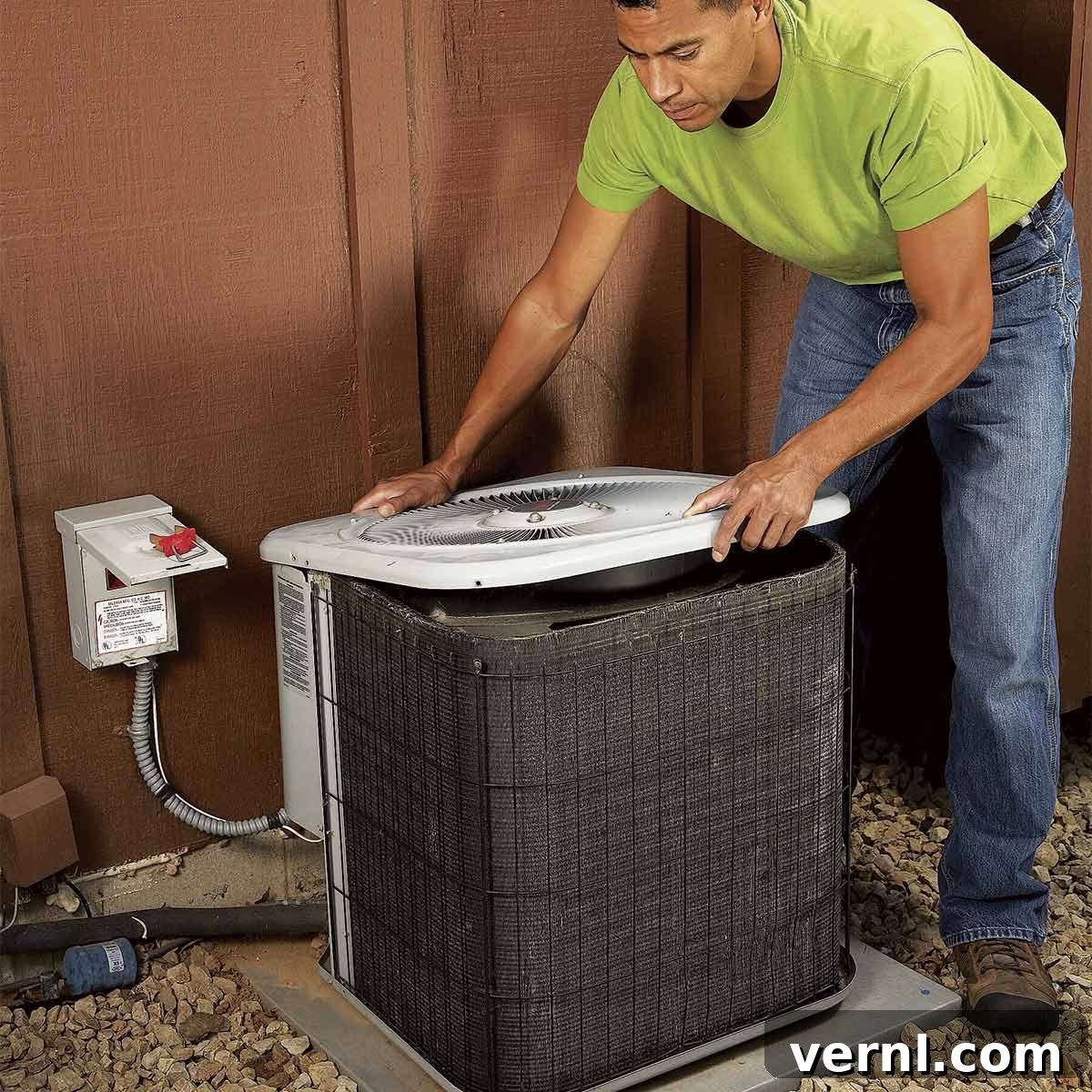
The question often arises: can you truly double the life of your air conditioner? The answer, unequivocally, is yes – but it hinges on one critical principle: proactive and consistent care. Much like any other sophisticated machine within your home, your air conditioner, especially its outdoor component – the condenser – demands regular attention. The AC condenser unit is the powerhouse situated outside your home, responsible for facilitating heat exchange. Depending on the season, it either expels heat from your home or, in the case of a heat pump, collects heat from outside. Neglecting this crucial unit can drastically shorten its operational life. Proper care involves not only ensuring it has adequate space for optimal airflow but also regular cleaning and timely maintenance. By adhering to these guidelines, you’re not just extending its life; you’re securing years of uninterrupted comfort and efficiency.
Essential Strategies to Significantly Extend Your AC Unit’s Lifespan
Implementing proper maintenance routines and adopting smart usage habits are pivotal in greatly extending the operational lifespan of your air conditioning unit. Here are comprehensive tips designed to help you get the most out of your AC investment, ensuring it runs efficiently and reliably for years to come:
- Prioritize Regular Professional Maintenance: This is by far the most critical factor in prolonging your AC’s lifespan and ensuring its optimal performance. Schedule annual or bi-annual service appointments with a certified HVAC technician. During these visits, professionals conduct thorough inspections, clean vital components, and fine-tune your unit. This preventative approach helps identify and address minor issues before they escalate into costly breakdowns, calibrate system settings for peak efficiency, and prevent premature wear and tear on expensive components like the compressor and fan motor. A well-maintained system simply works less hard to achieve the desired cooling.
- Routinely Clean or Replace Air Filters: The air filter is your AC’s first line of defense against dust, pollen, and other airborne particles. A dirty or clogged filter severely restricts airflow, forcing your unit to work significantly harder to pull air through, which leads to increased energy consumption and undue strain on the fan motor and other components. This extra effort can shorten the unit’s lifespan. Inspect your filter at least once a month, especially during peak usage seasons, and either clean or replace it as necessary. For most households, replacing disposable filters every 1-3 months is recommended, but pets, allergies, or heavy dust can necessitate more frequent changes.
- Maintain a Clean Outdoor Condenser Unit: The outdoor unit, or condenser, is responsible for releasing heat from your home. If its coils and fins are covered in dirt, leaves, grass clippings, or other debris, it cannot efficiently dissipate heat. This reduces the unit’s cooling capacity, increases energy consumption, and puts immense strain on the compressor. Regularly clear away any vegetation, shrubs, or other obstructions within at least two feet around the unit. Gently clean the fins with a soft brush or rinse them with a garden hose to ensure proper airflow and heat exchange. Always ensure the power is off before attempting any cleaning.
- Utilize a Programmable or Smart Thermostat: Upgrading to a programmable thermostat or a smart thermostat allows you to automatically adjust the temperature based on your schedule. By setting higher temperatures when you’re away from home or asleep and lowering them when you need comfort, you significantly reduce the workload on your AC unit. This not only saves energy and lowers your utility bills but also minimizes the operational hours and wear and tear on your system, contributing to a longer lifespan. Smart thermostats offer even greater benefits, learning your habits and allowing remote control via smartphone, further optimizing efficiency.
- Ensure Your Home is Properly Sealed and Insulated: A well-sealed and insulated home is crucial for maintaining indoor temperatures and reducing your AC’s workload. Gaps around windows and doors, poorly sealed ductwork, or inadequate attic insulation allow warm air to infiltrate your home, forcing your air conditioner to run longer and harder to achieve and maintain the desired temperature. Use weatherstripping on doors and windows, caulk gaps, and consider upgrading insulation in your attic and walls. This minimizes heat gain in summer, easing the burden on your AC unit and extending its life.
- Avoid Overworking the Unit with Extreme Settings: While it might be tempting to set your thermostat to a very low temperature during extremely hot weather, this can severely overwork your AC unit. Trying to drop the indoor temperature drastically puts excessive strain on the compressor and can lead to “short cycling,” where the unit turns on and off too frequently. This inefficient operation wastes energy and accelerates wear. A setting of 78 degrees Fahrenheit is often recommended for energy efficiency and can still provide adequate comfort. Allowing a slightly higher indoor temperature on the hottest days reduces stress on the system.
- Regularly Check for Refrigerant Leaks: Refrigerant is the lifeblood of your air conditioner, circulating through the system to absorb and release heat. Unlike fuel, refrigerant is not consumed; if levels are low, it indicates a leak. Leaking refrigerant drastically decreases your AC’s efficiency, forcing it to work harder and longer to cool your home. This increased strain can lead to significant damage, particularly to the compressor, which is often the most expensive component to replace. If your AC isn’t cooling as effectively as it should be, or if you notice ice on the coils, reach out to a professional to check for and fix any potential AC leaks promptly.
- Enhance Your Home’s Insulation: Beyond sealing drafts, upgrading your home’s overall insulation plays a critical role in thermal regulation. Good quality insulation in walls, attics, and crawl spaces acts as a barrier, preventing heat from entering your home during the summer. This significantly reduces the thermal load your AC unit needs to overcome, thereby cutting down its operational time and workload. The less your AC has to run, the less wear and tear it experiences, leading to a longer lifespan and lower energy bills.
- Incorporate Ceiling Fans for Enhanced Air Circulation: Ceiling fans are an excellent complement to your air conditioning system. By circulating air throughout your home, they create a wind-chill effect that makes you feel cooler without actually lowering the thermostat setting. This allows you to comfortably set your thermostat a few degrees higher, reducing the need for your AC to work as intensely or as frequently. Using ceiling fans in conjunction with your AC can lead to considerable energy savings and extend the life of your cooling unit.
- Consider a Comprehensive Maintenance Agreement: Many reputable HVAC companies offer maintenance agreements, which are highly recommended for peace of mind and long-term savings. These agreements typically include scheduled preventative maintenance visits, discounts on repairs, and often priority service for any issues that may arise. By enrolling in such a program, you ensure your unit receives consistent professional care, keeping it in top condition and potentially saving you from unexpected, costly breakdowns in the future.
While these proactive strategies are highly effective in prolonging your AC’s lifespan, it’s important to remember that all mechanical units eventually reach the end of their operational life. If your air conditioner is significantly old, consistently requiring repairs, or struggling to cool efficiently, it might be more cost-effective in the long run to consider replacement with a new, more energy-efficient model. Modern AC units boast higher SEER ratings, offer advanced features, and can provide substantial energy savings over their lifetime.
Understanding the Lifespan of Air Conditioners: Outdoor and Window Units
Average Life of an Air Conditioner: Outdoor AC Units (Central AC)
The average lifespan of a central air conditioning system, which primarily refers to the outdoor condenser unit, typically falls within a range of 10 to 15 years. However, this figure is not absolute and can be influenced by a multitude of factors. Key determinants include the frequency and intensity of its usage, the prevailing climatic conditions it operates under (e.g., extreme heat and humidity can accelerate wear), the consistency and quality of maintenance it receives, and the inherent quality and brand reputation of the unit itself. High-quality units from reputable manufacturers that are meticulously maintained can often surpass this average, potentially lasting up to 20 years or even longer. Conversely, a unit subjected to heavy, continuous use without proper maintenance, or one of lower initial quality, may fail much sooner. It is also crucial to note that as an air conditioner ages, its operational efficiency inevitably decreases, leading to higher energy consumption and subsequently increased utility bills. Therefore, even if an older unit is still technically operational, replacing it with a more modern, energy-efficient model can often prove to be a more cost-effective decision in the long term, offering superior cooling performance with reduced environmental impact.
Average Life of an Air Conditioner: Window AC Units
Window air conditioning units, while different in scale and installation from central systems, share a similar average lifespan, typically ranging from 10 to 15 years. Much like central ACs, this longevity is not static and is heavily influenced by several critical factors. These include the manufacturing quality of the unit, the intensity and duration of its usage, and the level of maintenance it receives. For instance, a window unit that is operated continuously for extended periods, especially in hot climates, and is not regularly cleaned or serviced, might only last for a comparatively short period, perhaps around 5 to 7 years. Such heavy use without proper care puts significant strain on its internal components. Conversely, a high-quality window unit that benefits from diligent maintenance—such as regular cleaning or replacement of air filters and the removal of dust and debris from its coils—and is only used seasonally, can easily exceed the 15-year mark. Proper installation, including ensuring adequate sealing around the unit to prevent air leakage, also contributes significantly to its efficiency and longevity, helping it avoid unnecessary stress and prolonged operation.
Key Factors Influencing Air Conditioner Efficiency and Operational Life
The efficiency, performance, and ultimate lifespan of an air conditioner are shaped by a complex interplay of various factors. Understanding these elements can empower homeowners to make informed decisions that safeguard their cooling investment. Here are several key influences:
- Comprehensive Maintenance Regimen: Regular cleaning and servicing of an air conditioner are paramount to its longevity and efficiency. This encompasses a range of crucial tasks: routine cleaning or replacement of air filters to ensure unimpeded airflow, cleaning the condenser and evaporator coils to facilitate optimal heat exchange, checking for and sealing any refrigerant leaks, and ensuring the condensate drain is clear to prevent water damage and mold growth. Neglecting these tasks leads to reduced efficiency, increased energy consumption, and accelerated wear on critical components.
- Patterns of Usage: How often and for how long your air conditioner is used directly impacts its operational life. Constant, heavy use, especially without sufficient breaks, places continuous stress on the compressor and other moving parts, leading to faster wear and tear. Conversely, extremely sporadic use can also pose problems; dormant components might seize up, seals can dry out, and lubricants can settle, leading to issues when the unit is finally turned on. Striking a balance through thoughtful thermostat management is key.
- Quality of Installation: The initial installation process is absolutely critical for an air conditioner’s long-term operation and efficiency. If the unit is not installed correctly—whether due to improper sizing for the space it cools (oversized units short-cycle, undersized units run constantly), incorrect refrigerant charge, or poorly sealed ductwork—it will struggle to cool effectively and will consume more energy than necessary. A professional, precise installation sets the foundation for years of trouble-free operation.
- Adequate Airflow: Proper airflow is non-negotiable for an air conditioner to operate efficiently and avoid undue stress. Blocked or restricted airflow, often caused by dirty filters, obstructed return air vents, or clogged evaporator coils, forces the fan motor to work harder. This reduces the unit’s ability to cool, decreases its overall efficiency, and can lead to the freezing of coils and eventual damage to the compressor. Ensuring clear air passages throughout the system is vital.
- Local Climatic Conditions: The geographic climate significantly impacts an air conditioner’s workload and lifespan. Units in hot, humid climates, such as those near coastal areas, must work considerably harder not only to cool the air but also to remove excessive moisture, which places additional strain on the system. This can lead to more frequent repairs or a shorter overall lifespan compared to units in drier, milder climates. Additionally, homeowners should consider whether to cover the air conditioner for winter in regions with harsh cold seasons.
- Optimal Refrigerant Levels: The refrigerant is the medium that absorbs heat from your home. An insufficient refrigerant charge, almost always indicative of a leak, forces the air conditioner to work much harder than necessary to achieve the desired cooling. This inefficiency not only wastes energy but can also cause serious damage to the compressor, which is the heart of the system. Maintaining correct refrigerant levels, monitored by a professional, is essential.
- Unit Age and Wear: As an air conditioner ages, its internal components naturally begin to wear out. Seals can degrade, motors can lose efficiency, and parts like capacitors and contactors can fail. Consequently, older units tend to become less efficient, requiring more energy to produce the same cooling effect. Beyond a certain point, typically around 10-15 years, repairs may become more frequent and increasingly costly, making replacement with a new, energy-efficient model a more economically sound decision.
- Electrical System Integrity: Any problems with the electrical wiring, fuses, circuit breakers, or specific AC electrical components like contactors and capacitors can severely affect the operation of the air conditioner. Electrical issues can manifest as the unit failing to start, cycling on and off erratically, or even posing significant safety hazards such as fire risks. Regular electrical checks are a part of comprehensive professional maintenance.
- Accuracy of Thermostat Settings: Incorrect thermostat settings, a faulty thermostat, or improper placement of the thermostat can lead to a range of operational issues. These include the air conditioner not cooling as effectively as expected, constantly running, or cycling on and off too frequently (short cycling). An accurately calibrated and properly functioning thermostat is crucial for efficient and consistent cooling.
- Inherent Quality and Brand of the Unit: The initial quality and brand reputation of the air conditioner unit itself play a significant role in its durability and efficiency over time. Higher quality units from reputable manufacturers often incorporate superior components, better engineering, and more rigorous testing, which translates to greater reliability, fewer problems, and a longer operational life. Investing in a well-regarded brand with a good warranty can pay dividends in the long run.
To ensure your air conditioner delivers peak performance and continues to provide efficient cooling throughout the hottest months, consider scheduling an annual professional checkup. While some minor issues can be addressed with DIY air conditioning service repair, a professional inspection can identify latent problems and prevent major breakdowns, giving you peace of mind before the summer heat truly kicks in.