
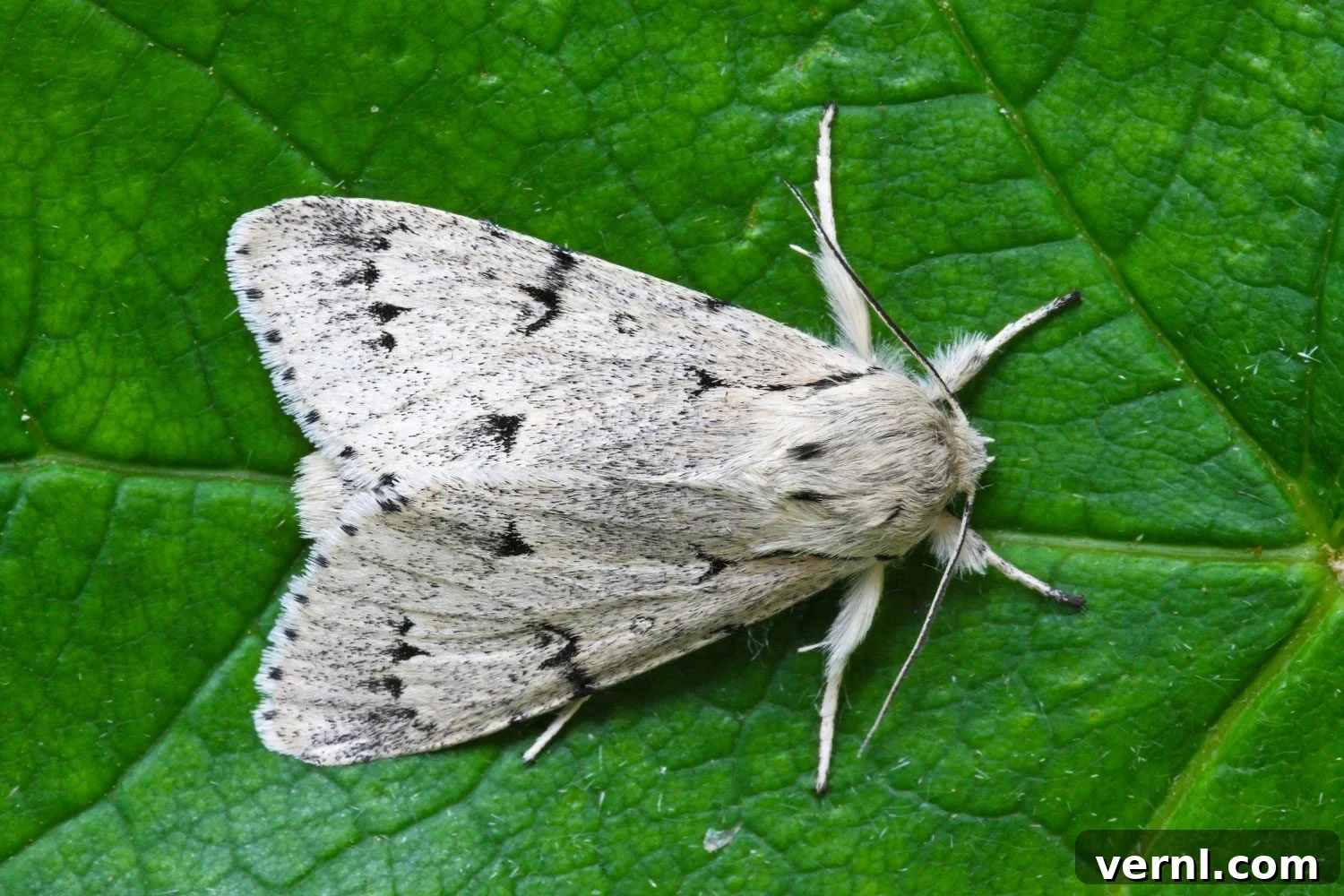
Understanding Miller Moths: Migration, Habits, and Peaceful Coexistence
For many, the changing seasons are marked by traditional holidays or personal milestones. For others, like myself, a more unique natural phenomenon signals the arrival of warmer months: the annual migration of miller moths. What often begins as a lone flutter near a doorway soon escalates into a widespread appearance, as these fascinating insects seek refuge in garages, under car hoods, and any sheltered nook they can find.
While often perceived as a mere nuisance, I find the sight of millers to be a joyous occasion. Their mass movement is one of nature’s spectacular migrations, coinciding with other cherished outdoor activities such as the start of hiking season and the vibrant bloom of wildflowers in the mountains. This perspective, however, is not universally shared. Most people regard them as a significant annoyance. This comprehensive guide aims to shed light on miller moths and their incredible migration, offering insights into their behavior and practical advice on how to coexist peacefully with these temporary visitors.
What Exactly is a Miller Moth?
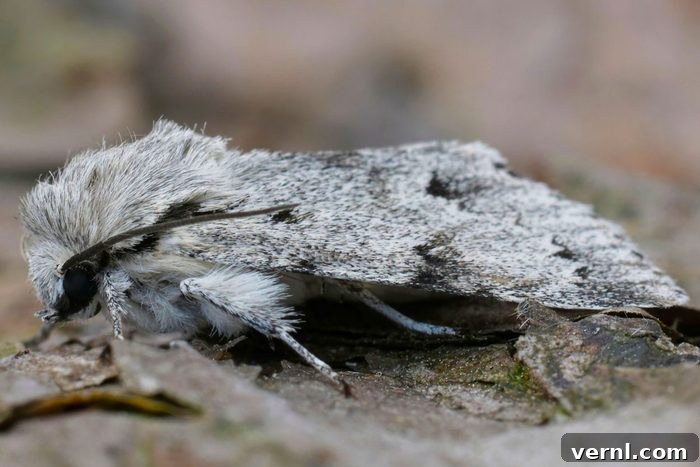
The term “miller moth” commonly refers to the adult stage of the army cutworm, Euxoa auxiliaris, a robust, drab-colored moth typically about the size of a quarter. These moths are most prevalent across the vast expanses of the Great Plains and the majestic Rocky Mountains of North America. Their distinctive name originates from the fine, powdery scales that easily detach from their wings. When airborne, these scales would often resemble the flour dust that covered the clothing of traditional millers – those historical figures responsible for grinding grain into flour. This charming etymology gives us a glimpse into a bygone era and the keen observations of early naturalists, connecting the insect’s appearance to a familiar trade.
Beyond their unique appearance and intriguing name, miller moths play a vital ecological role. They are powerful pollinators, diligently visiting flowers and aiding in plant reproduction. Their nocturnal activities contribute significantly to the health and diversity of various ecosystems. More critically, they form an essential part of the food chain, serving as a crucial dietary component for a wide array of wildlife. This includes numerous bird species, various bats that rely on them as a primary food source, spiders, and even large mammals like bears, particularly grizzlies in their mountain habitats. While each moth contains only about half a calorie, bears demonstrate remarkable persistence, eagerly overturning rocks and logs to forage for them during their migration. It’s not uncommon for a single grizzly bear to consume as many as 40,000 miller moths in a single day during peak migration, highlighting their profound importance in the ecosystem as a seasonal energy boost for these apex predators.
The Incredible Miller Moth Migration
The life cycle of the miller moth begins on the high plains, where they exist as army cutworm caterpillars. These larvae are known for their voracious appetite, feeding on a wide variety of vegetation, including broadleaf plants and grasses, and can sometimes cause damage to agricultural crops. Once they have accumulated sufficient energy and completed their feeding stage, these caterpillars undergo a remarkable transformation, entering the pupal stage within the soil. After pupation, they emerge as adult moths, ready to embark on one of North America’s most spectacular insect migrations.
This epic journey sees them flying predominantly westward, from the warmer, often drier plains to the cooler, higher elevations of the mountains. Their primary motivation for this arduous trek is to find abundant flower nectar, which serves as their essential food source during their adult phase. The mountain environments offer a richer, more diverse floral landscape and more temperate conditions compared to the plains during the hot summer months, making them an ideal summer refuge. This seasonal migration is an ancient, instinctual pilgrimage, perfected over millennia, driven by environmental cues and the need for sustenance.
For a few intense weeks, typically spanning from mid-May through early July, the miller moths’ migratory path unfortunately intersects with some of the region’s most densely populated urban centers, such as Denver and Colorado Springs. During this period, it’s common to find them congregating under eaves, clinging to window panes, or even meeting an unfortunate end on vehicle windshields. Their navigation through these human-dominated landscapes is often fraught with peril. The proliferation of artificial lights in towns and cities acts as a significant disruptor, disorienting the moths and drawing them away from their natural flight paths, making their journey to their ancestral mountain habitats considerably more challenging.
While their presence might be a temporary inconvenience to urban dwellers, it’s crucial to remember that these moths are simply transient travelers. They are not intentionally invading homes or causing harm; rather, they are attempting to navigate a world that has changed dramatically around their millennia-old migration routes. Their instinct to seek shelter often leads them into human structures. Interestingly, miller moths also undertake a return migration eastward in the fall, heading back to the plains to lay eggs. However, this autumnal journey is far less noticeable to humans. By then, their numbers have significantly dwindled due to natural attrition, predation by birds, bats, and other animals, and the completion of their life cycle, making their autumn passage a much quieter affair, often passing entirely undetected.
What Do Miller Moths Eat? Unraveling Their Diet
A common concern when encountering any insect in large numbers is its potential impact on food sources or property. Fortunately, in the case of miller moths, their dietary habits pose virtually no threat to humans or their belongings. Adult miller moths primarily sustain themselves on flower nectar. They are vital nocturnal pollinators, flitting from bloom to bloom under the cover of darkness, transferring pollen and contributing significantly to the health and biodiversity of ecosystems. This feeding behavior is not only harmless but actively beneficial to gardens, agricultural crops, and wild plant populations, supporting the reproduction of countless flora.
In contrast, their larval stage, the army cutworm caterpillar, has a more varied and sometimes problematic diet. These caterpillars are known to feed on a wide assortment of vegetation, ranging from broadleaf plants to various grasses. In agricultural settings, large populations of cutworms can sometimes cause damage by “cutting” young plants off at the soil line, leading to significant crop loss. Farmers often monitor for these early stages to mitigate potential harm. However, it’s critical to differentiate between the destructive feeding habits of the larvae and the benign, nectar-feeding adults. Once they transform into moths, their feeding entirely shifts to nectar, making them beneficial rather than detrimental to plants.
Crucially, miller moths do not consume household food items, fabrics, or furniture. This fact often comes as a surprise to those unfamiliar with moth species, as a few notorious exceptions give all moths a bad reputation. Out of the astonishing 160,000 known species of moths worldwide, only a tiny fraction – a mere two species – are widely known to eat our clothes. These are typically specific types of pantry moths or clothes moths, which are distinct from the miller moth in both appearance and behavior. Therefore, if you find miller moths in your home, rest assured they are not interested in your pantry staples, wool sweaters, upholstered furniture, or any other household goods.
What Damage Do Miller Moths Cause? Addressing Common Concerns
Despite their sometimes overwhelming numbers during migration, the actual damage caused by miller moths is remarkably minimal, making many common fears about them largely unfounded. Their primary ‘offenses’ are usually limited to minor disturbances and aesthetic issues. At night, their erratic flight patterns and bumping against bedroom ceilings or lamps can interrupt sleep, creating a temporary annoyance for sensitive sleepers. Additionally, they may excrete a slightly acidic fluid, which can occasionally leave small, dark spots on unfinished wood surfaces, paper, or certain delicate drapes. This excretion is often a stress response or a natural byproduct of their metabolism, not a deliberate act of destruction aimed at your property.
It’s important to clarify that miller moths do not lay eggs or reproduce inside human dwellings. Their presence indoors is purely incidental, a temporary shelter during their migratory journey, or a result of being disoriented by artificial lights. They are simply passing through, seeking respite before continuing their trek towards the mountains. Furthermore, if your curious pet happens to consume a miller moth, there’s absolutely no cause for alarm. Miller moths are non-toxic and, in fact, quite nutritious, offering a natural protein boost for pets, much like they do for various wild animals. They pose no health risk to household pets.
Shiran Hershcovich, a respected lepidopterist manager at the Butterfly Pavilion in Westminster, Colorado, reinforces this perspective, providing expert reassurance: “Miller moths are fundamentally harmless. As they undertake their migration, the adult moths diligently visit flowers, providing invaluable pollination services without causing any damage to gardens. In fact, their role as pollinators provides a significant ecological benefit to both cultivated outdoor spaces and natural landscapes, contributing to plant diversity and health.” This expert opinion underscores the benign nature of these insects and their positive contribution to the environment, challenging the common perception of them as mere pests and encouraging a more informed viewpoint.
Effective and Humane Ways to Manage Miller Moths
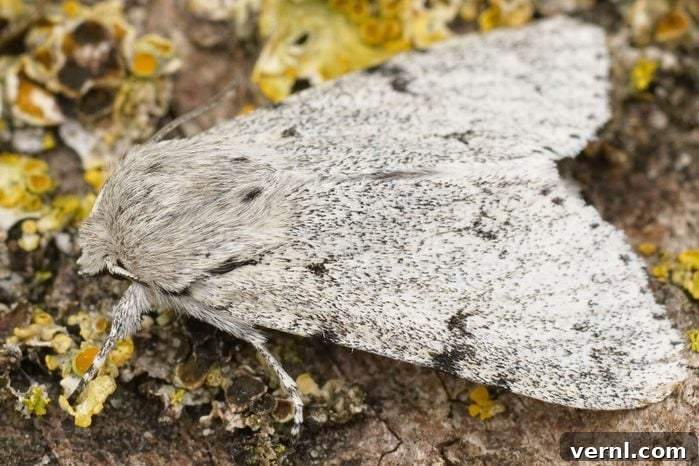
While miller moths are harmless, their indoor presence can still be bothersome for many. The most humane and often the simplest method for removing them from your home is to gently catch them. Using a cup, a piece of paper, or even your bare hand, carefully scoop the moth and release it outdoors. Once outside, the moth will instinctively reorient itself and continue its journey to its intended destination. This method ensures no harm comes to the moth and allows it to fulfill its ecological purpose as a pollinator and food source.
For those who prefer a less direct approach, or when dealing with a larger influx, a vacuum cleaner can be an incredibly effective tool. Using a hose attachment, you can safely and quickly remove moths from walls, ceilings, and other surfaces without direct contact. It’s crucial to empty the vacuum bag or canister outdoors immediately after use to prevent moths from escaping back into the house. Alternatively, if moths are persistently trapped indoors and you’re seeking a last resort, a simple DIY trap can be constructed. Hang a light bulb over a bucket containing a small amount of soapy water. Moths, being instinctively attracted to light, will eventually fall into the water. The soap breaks the water’s surface tension, preventing them from escaping. However, consider this method only when direct removal or vacuuming isn’t practical, as it is a lethal solution and less humane.
Utilizing Sound for Moth Deterrence
Interestingly, miller moths exhibit a peculiar sensitivity to certain noises, which can be leveraged for deterrence. Jingling keys, rattling dog tags, clinking coins, or even crumpling aluminum soda cans can cause them to fly erratically and become disoriented. According to insights from the Colorado State University Extension, this erratic behavior is likely a defensive mechanism. The sound frequencies produced by these common items strikingly resemble the echolocation signals emitted by bats, which are one of their primary natural predators. By mimicking these predator sounds, you can encourage moths to take flight, potentially speeding up their exit from your home or making them easier to guide towards an outdoor release point or a trap. This ingenious method leverages the moths’ natural survival instincts to your advantage.
Disposal of Moths and Avoiding Insecticides
Should you find dead miller moths, whether from natural causes or removal efforts, consider tossing them into your garden rather than the garbage. Their bodies are rich in nutrients, and returning them to the soil contributes to the natural nutrient cycle, benefiting your plants and supporting a healthy garden ecosystem. It’s a small but impactful way to give back to the environment from which they came.
A crucial piece of advice for dealing with miller moths is to **avoid insecticides whenever possible**. These chemical solutions are generally ineffective against migrating moths, as new ones will simply replace those that are killed, leading to a continuous battle. More importantly, broad-spectrum insecticides can severely harm vital local pollinators, such as bees and butterflies, which are essential for ecosystem health and agricultural productivity. Opting for non-chemical methods is always the safer, more environmentally responsible choice for managing miller moths, protecting both your home and the wider natural world.
Proactive Miller Moth Prevention Strategies
The most effective strategy for managing miller moths is prevention – specifically, preventing them from entering your home in the first place. As migration season approaches, dedicate some time to making your home as weather-tight as possible. Pay close attention to potential entry points: seal cracks and gaps around windows and doors with high-quality caulk or weather stripping. Ensure that window screens are free of tears and fit snugly within their frames, and check any vents or utility penetrations. Any small opening where light can penetrate is a potential invitation for a moth to squeeze through.
Lighting plays a significant role in attracting moths. Turn off all unnecessary outdoor lights during peak migration times, especially after dusk. If outdoor lighting is essential for security or safety, consider replacing standard white bulbs with yellow bug lights. These lights emit a different spectrum that is far less attractive to nocturnal insects, including miller moths, effectively reducing the number that congregates around your home. Remember that moths instinctively seek dark, tight shelters during the day, which is why they often cluster around door jambs and under eaves. Be mindful when opening and closing doors, especially in the evening, to minimize the chance of moths making an accidental detour into your living space, as they are quick to slip indoors.
Your surrounding landscaping can also play a part in attracting miller moths, as they are naturally drawn to nectar-rich plants. Certain flowering shrubs and trees, such as lilacs, cherries, horse chestnut, raspberries, and Russian olive, are particularly appealing to them due to their abundant nectar. While it’s generally not practical or advisable to remove these beautiful and beneficial plants solely to deter moths, being aware of their attractiveness can help you adjust your outdoor lighting or entry habits during migration season. Instead of viewing these plants as a problem, recognize them as part of the natural ecosystem that supports these incredible migrants and their essential role in pollination.
Embracing Coexistence: A New Perspective on Miller Moths
Ultimately, one of the best “prevention” strategies involves shifting our perspective: getting to know our temporary visitors and realizing they can be ecological allies rather than foes. Miller moths are a fascinating example of nature’s intricate balance, offering vital pollination services and a critical food source for numerous species across the North American landscape. Their annual migration is a testament to the resilience and adaptability of the natural world, a cycle that has continued for millennia.
As Shiran Hershcovich wisely advises, “Approach moths with curiosity. Learn about the fascinating world of invertebrates in spaces like the Butterfly Pavilion.” By taking the time to understand their life cycle, their migratory patterns, and their essential role in the environment, we can move beyond mere tolerance to a place of appreciation and peaceful coexistence. Their fleeting presence each year is a powerful reminder of the dynamic natural world that surrounds us, inviting us to be more observant, understanding, and respectful stewards of our shared planet. The miller moth migration, far from being just an annoyance, is a spectacular natural event that connects us to the wild heart of the land, encouraging us to find harmony with its rhythms.