Restore the Shine: The Ultimate Guide to Cleaning Stainless Steel with Olive Oil
In the modern home, particularly in the heart of your kitchen, stainless steel reigns supreme. From sleek refrigerators and dishwashers to elegant toasters and deep sinks, these appliances offer a sophisticated, contemporary aesthetic that elevates any culinary space. Their gleaming surfaces promise durability and a professional look. However, this very appeal can be a double-edged sword; the reflective nature of stainless steel makes it prone to showing every fingerprint, smudge, and water spot, quickly diminishing its pristine appearance.
The constant battle against unsightly marks can be frustrating, making kitchen maintenance feel like an endless chore. You might find yourself reaching for specialized, often expensive, stainless steel cleaners, only to be met with streaky results or a lingering chemical scent. But what if we told you there’s a surprisingly simple, all-natural, and incredibly effective solution hiding in your pantry right now? Forget the harsh chemicals and complicated routines. The secret to brilliantly clean, fingerprint-resistant stainless steel is none other than humble olive oil.
Why Olive Oil is Your Stainless Steel’s Best Friend
Before diving into the “how,” let’s explore the “why.” Why does olive oil, a cooking staple, work wonders on metal surfaces? The magic lies in its unique properties:
- Natural Lubricant and Protectant: Olive oil creates a thin, uniform protective barrier over the stainless steel. This barrier acts as a shield, making it harder for oils from your fingertips to adhere directly to the metal, thus reducing visible smudges and fingerprints.
- Fills Micro-Scratches: Over time, stainless steel can accumulate tiny, superficial scratches that dull its finish. The viscous nature of olive oil helps to fill these microscopic imperfections, creating a smoother surface that reflects light more uniformly, resulting in a deeper, more lustrous shine.
- Repels Water and Dirt: The oily layer helps repel water, preventing unsightly water spots and streaks from forming. It also makes subsequent cleaning easier, as dirt and grime have a harder time sticking to the treated surface.
- Non-Toxic and Eco-Friendly: Unlike many commercial cleaners that contain harsh chemicals, olive oil is a natural, food-grade product. This makes it a safe choice for surfaces that come into contact with food, and it’s much better for your home’s air quality and the environment.
- Cost-Effective: You already have it in your pantry! Using olive oil eliminates the need to purchase specialized, often costly, stainless steel cleaning products.
The Simple Guide: Cleaning Stainless Steel with Olive Oil
This method is remarkably straightforward, requiring minimal supplies and effort. Prepare to be amazed by the transformative power of this kitchen staple.
What You’ll Need:
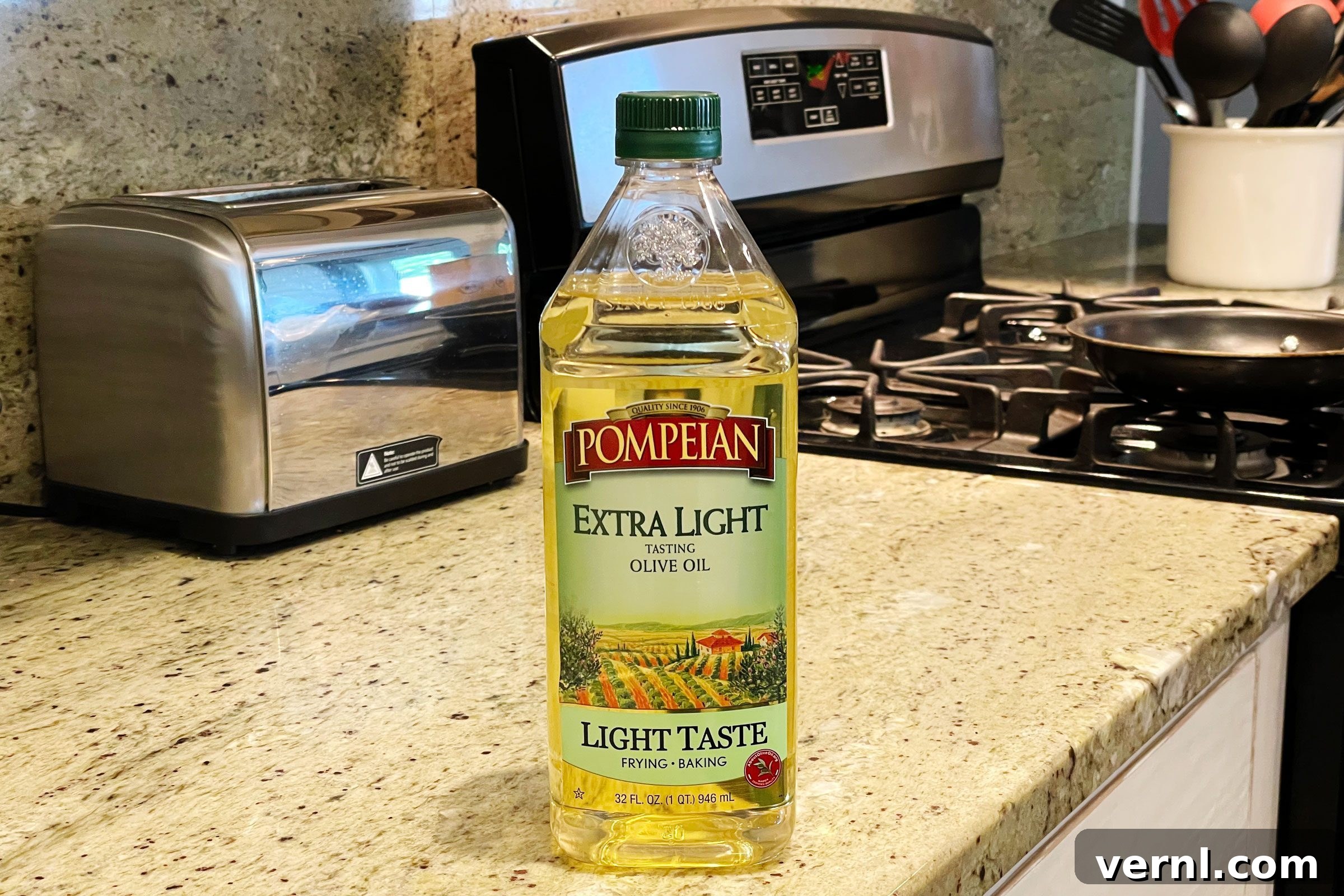
- Olive Oil: Any type will do – you don’t need expensive extra virgin for cleaning purposes. A basic virgin or even pomace olive oil is perfectly fine.
- Two Microfiber Cloths: One for applying the oil and buffing, and a separate clean, dry one for the final polish. Microfiber is ideal because its fine fibers are highly absorbent, lint-free, and gentle on surfaces, preventing scratches.
- (Optional) Mild Soap and Water: For an initial pre-clean if your appliances have heavy grease or grime buildup.
Step-by-Step Instructions:
-
Pre-Clean (If Necessary):
If your stainless steel surface has significant grease, food residue, or sticky spots, it’s best to give it a quick pre-clean first. Mix a few drops of mild dish soap with warm water. Dampen a clean cloth (not necessarily microfiber at this stage) with the solution and gently wipe down the surface to remove major grime. Rinse with a clean, damp cloth and dry thoroughly before proceeding to the olive oil treatment. This ensures you’re applying oil to a clean base.
-
Identify the Grain:
Stainless steel has a visible grain, which can run either horizontally or vertically across the surface. For the best results and to avoid streaking, it’s crucial to work with this grain. Look closely at your appliance under good lighting; you’ll see faint lines. Always buff in the direction these lines run.
-
Apply a Small Amount of Olive Oil:
Take your first clean microfiber cloth. Pour just a few drops (start with 3-5 drops for a small area, more for a large surface like a refrigerator door) of olive oil onto the cloth. You want the cloth to be slightly damp with oil, not saturated. Less is often more with this method; too much oil can lead to a greasy residue.
-
Buff with the Grain:
Using the olive oil-dampened microfiber cloth, begin to buff the stainless steel surface. Apply gentle, consistent pressure and move the cloth strictly in the direction of the grain. Work in small sections, overlapping your strokes slightly. As you buff, you’ll notice fingerprints, smudges, and even minor surface scratches beginning to disappear. The oil works to dissolve oily residue and fill in those tiny imperfections, creating a uniform, clean appearance.
-
Continue Buffing:
Keep buffing until the entire surface has been treated and all visible smudges and marks are gone. You might need to add a few more drops of oil to your cloth if it starts to feel dry, but always err on the side of caution. Ensure an even application across the entire appliance.
-
Finish with a Dry Microfiber Cloth:
This is a critical step for achieving a brilliant, streak-free shine. Take your second, completely clean and dry microfiber cloth. Vigorously buff the entire surface one last time, again following the grain. This final buffing step removes any excess olive oil, ensuring a smooth, non-greasy finish and activating that deep, reflective shine. You’ll be left with a thin, almost imperceptible layer of olive oil that not only gleams but actively resists future fingerprints!
-
Care for Your Cloths:
After use, toss the microfiber cloths into the washing machine with other lint-free fabrics. Avoid fabric softener, as it can reduce the effectiveness of microfiber. Line dry or tumble dry on low heat.
Maintaining the Shine: How Often to Clean
The frequency of this cleaning method largely depends on how much traffic your stainless steel appliances see. For high-touch items like refrigerators or frequently used sinks, you might find yourself wanting to clean them more often. A good rule of thumb that many find easy to remember and incorporate into their routine is to clean your stainless steel every time you open a new bottle of olive oil. If you’re an avid cook, you might go through a bottle frequently – perhaps once a month or even more! This makes it a natural, non-intrusive part of your kitchen habits.
By making it second nature to buff your stainless steel with olive oil every time you pop the lid on a new bottle, you’ll be consistently maintaining a protective layer and a bright, shiny appearance. You’ll quickly notice how much easier it is to keep your appliances looking their best, preventing the buildup of unsightly marks and preserving their lustrous finish.
Beyond the Gleam: The Many Benefits of Olive Oil for Stainless Steel
The advantages of using olive oil extend far beyond just making your appliances look good:
- Exceptional Fingerprint Resistance: This is perhaps the most celebrated benefit. The thin oil barrier makes it incredibly difficult for the natural oils from your fingers to leave prominent marks, significantly reducing the frequency of cleaning needed.
- Streak-Free Finish: When applied correctly and buffed thoroughly, olive oil leaves no streaks, unlike some chemical cleaners that can leave behind frustrating residue.
- Natural & Non-Toxic Solution: For those concerned about chemical exposure in their home, especially around food prep areas, olive oil is an ideal, food-safe alternative.
- Conceals Minor Scratches: As mentioned, the oil fills in tiny surface imperfections, making minor scratches far less noticeable and restoring a more uniform appearance to the metal.
- Economical Choice: It’s incredibly budget-friendly, leveraging a product you already have on hand, saving you money on specialized cleaners.
- Water Spot Prevention: The hydrophobic nature of the oil layer helps water bead up and run off, preventing the formation of hard water spots, particularly beneficial for sinks and dishwashers.
- Enhances Durability: By protecting the surface from moisture and minor abrasions, you’re inadvertently contributing to the longevity and pristine condition of your stainless steel.
Important Considerations and Tips
- Don’t Overdo It: A little olive oil goes a long way. Using too much can result in a greasy, dust-attracting surface. If you accidentally apply too much, simply buff extra vigorously with your dry microfiber cloth to remove the excess.
- Always Buff with the Grain: This cannot be stressed enough. Going against the grain can push dirt into the tiny grooves of the steel and lead to noticeable streaks.
- Deal with Major Spills First: Olive oil is for polishing and protecting, not for cutting through heavy grease or dried-on food. Always clean off significant grime with soap and water before applying the oil.
- Test in an Inconspicuous Area: While olive oil is generally safe for all stainless steel, if you have a unique finish or are particularly cautious, you can test a small, hidden area first.
- Avoid Other Oils (Generally): While other vegetable oils might seem similar, olive oil’s specific composition makes it ideal. Some other oils might be thicker, harder to buff away, or more prone to going rancid over time, potentially leaving an odor. Stick to olive oil for best results.
- Not for Brushed Finishes? While primarily effective for polished or satin finishes, olive oil can also be used on brushed stainless steel. The key is still to follow the grain diligently.
Common Questions About Cleaning Stainless Steel with Olive Oil
- Will olive oil attract dust?
- If applied sparingly and buffed thoroughly with a dry cloth, it should not attract dust any more than a regular clean surface. The key is to remove all excess oil, leaving only a thin, protective layer.
- Will the olive oil go rancid on my appliances?
- No, it’s highly unlikely. The thin layer of oil left on the surface, exposed to air, will oxidize and essentially dry/polymerize over time, similar to how oil paints dry. It won’t become sticky or smelly like rancid cooking oil in a bottle.
- Can I use this method on stainless steel cookware?
- While technically possible, it’s generally not recommended for cooking surfaces. The heat from cooking would quickly burn off the oil, potentially leaving a sticky residue. This method is best for appliance exteriors, sinks, and other non-heated stainless steel surfaces.
- What about stainless steel appliances with a clear coat or special finish?
- Most modern stainless steel appliances do not have a separate clear coat that would be affected by olive oil. However, if you’re unsure, or if your appliance has a specific “fingerprint-resistant coating” from the factory, it’s always wise to test a small, hidden area first.
General Stainless Steel Care Practices
To keep your stainless steel looking its best, beyond the olive oil treatment, consider these general maintenance tips:
- Wipe Spills Immediately: Acids from food, like lemon juice or tomato sauce, can etch stainless steel if left too long.
- Avoid Abrasives: Never use steel wool, abrasive scrubbers, or harsh scouring powders, as these can permanently scratch the surface.
- Use Non-Chlorine Cleaners: Chlorine-based cleaners can stain and damage stainless steel over time.
- Regular Wiping: A quick wipe-down with a damp cloth after use can prevent buildup and make deeper cleaning less frequent.
- Consider Water Quality: If you have hard water, consider using filtered water for cleaning to reduce mineral deposits.
Conclusion
Say goodbye to frustrating fingerprints, unsightly smudges, and the endless search for the perfect stainless steel cleaner. The solution is simple, affordable, and likely already in your kitchen. By embracing the power of olive oil and a microfiber cloth, you can effortlessly restore and maintain the dazzling, fingerprint-resistant shine of all your stainless steel appliances. It’s a natural, effective, and surprisingly satisfying way to keep your kitchen looking impeccably clean and sophisticated. Give this method a try – you’ll wonder why you didn’t discover this pantry secret sooner!