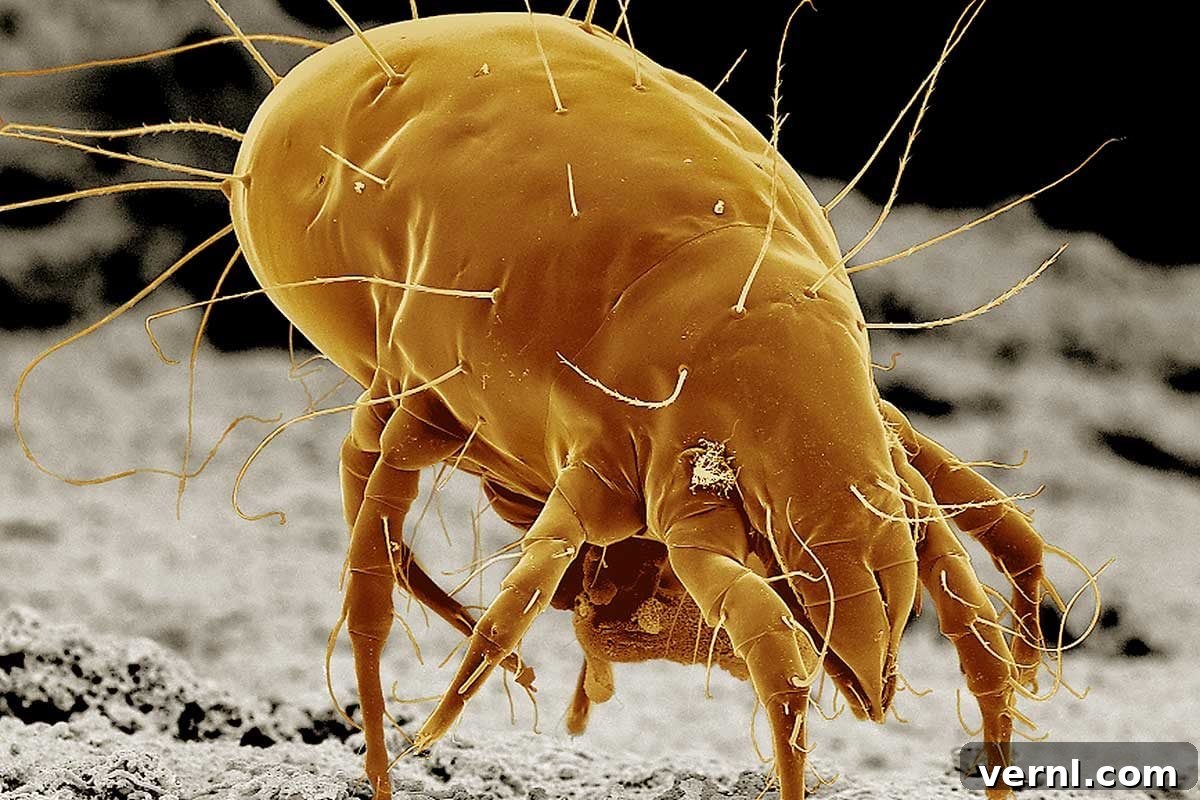
Mites, ancient and ubiquitous, have coexisted with life on Earth for an astonishingly long time, predating many other familiar creatures. Their evolutionary journey began roughly 500 to 400 million years ago, making them among the very first organisms to transition from the ocean depths to terrestrial environments. Dr. Ronald Ochoa, a distinguished research scientist at the U.S. Department of Agriculture in Beltsville, Maryland, highlights their incredible adaptability: "Mites colonized the bottom of the ocean and are everywhere — including the Antarctic." This remarkable resilience and widespread presence underscore their vital, albeit often unseen, role in ecosystems worldwide.
Understanding mites is crucial not just for appreciating the intricate web of life, but also for effectively managing potential issues they might pose in your living spaces. While many species are harmless and even beneficial, others can become a nuisance or trigger health problems. This comprehensive guide will delve into the fascinating world of mites, exploring their characteristics, diverse types, habitats, feeding habits, and importantly, practical strategies to prevent and address any problems they might cause in your home. By gaining a deeper insight into these tiny arachnids, you can better ensure they don't become a source of discomfort or concern.
What Are Mites?
Mites are microscopic arachnids, belonging to the class Arachnida, which also includes spiders, ticks, and scorpions. This classification means they share common anatomical features, most notably possessing eight legs and lacking antennae, setting them apart from insects which have six legs and antennae. Their bodies are typically unsegmented or have fused segments, often appearing as a single, oval-shaped mass. Mites are incredibly diverse, exhibiting a broad spectrum of feeding behaviors, from being free-living predators and decomposers to highly specialized parasites.
Their adaptability is truly exceptional. Mites thrive in virtually every corner of the globe, from tropical rainforests to arid deserts, and even in the extreme cold of the Arctic and Antarctic regions. They can withstand temperatures and conditions far more extreme than humans can. Dr. Ochoa points out their ecological importance: "For instance, soil mites are everywhere, and are associated with soil, leaves, seeds, fungi and algae." In soil ecosystems, they play a crucial role in nutrient cycling by breaking down organic matter.
While the thought of microscopic creatures inhabiting nearly every environment, including our homes and even our bodies, might seem unsettling, it's important to recognize that the vast majority of mite species are benign or even beneficial to humans and the environment. Attempting to eradicate mites entirely from our lives is not only impractical but also undesirable. Their existence is integral to maintaining ecological balance, performing essential functions such as decomposition, nutrient recycling, and regulating other insect populations. Therefore, understanding which mites are problematic and how to manage them, rather than aiming for complete elimination, is the key to harmonious coexistence.
What Do Mites Look Like?
The appearance of mites can be quite varied, though their diminutive size means that most species are either barely visible to the naked eye or require significant magnification to be seen clearly. When viewed through a powerful microscope, a mite often resembles a minuscule spider, owing to its eight legs and compact body. The smallest species of mites are astonishingly tiny, measuring around 70 to 80 microns, making them the smallest known arthropods on the planet. To put this into perspective, a human hair is typically about 50 to 100 microns in diameter.
Despite their small stature, some mites possess surprisingly intricate and even beautiful features. Take, for example, the peacock mite, a vibrant species that lives on citrus fruit. With its striking coloration and patterns, it bears a remarkable resemblance to a clownfish. This highlights the incredible diversity of form within the mite world.
However, other species, particularly those that are unwelcome guests in our homes, often evoke a less charming image. Dust mites and mold mites, which typically range from 200 to 600 microns in size, are often described as the "stuff of nightmares" when magnified. They can appear grotesque, with bodies that seem to be covered in loose, wrinkled "elephant skin" and equipped with eight hairy, segmented legs. These detailed microscopic views reveal their often-unsettling morphology, contributing to the discomfort many feel upon learning about their pervasive presence.
Types of Mites
The sheer number of mite species is astounding, estimated to be between five and 11 million worldwide, a figure comparable to the total number of all insect species. This incredible diversity underscores their adaptability and evolutionary success across various ecological niches. While most mites are harmless or even beneficial, a few types are more commonly encountered by humans and can sometimes become a nuisance. Here are some of the most notable types:
- Demodex Folliculorum: These microscopic mites are perhaps the most intimate inhabitants of our bodies. They live harmlessly within the hair follicles and sebaceous glands of human skin, particularly concentrated on the face, eyebrows, and eyelashes. Their diet consists primarily of oils (sebum) and dead skin cells. Despite their presence, Demodex mites are generally considered commensal, meaning they share a symbiotic relationship with us without causing harm for most individuals. Intriguingly, they lack an anus, meaning they don't defecate, which Dr. Ochoa humorously notes as "how considerate." For the vast majority of people, they live out their entire lifecycle on us without ever causing symptoms. However, in some cases, an overpopulation of Demodex can be associated with skin conditions like rosacea or blepharitis.
- Dust Mites: These are arguably the most well-known and problematic mites for many households. Cousins of soil mites, dust mites thrive in warm, humid environments and feed on the dead skin cells (dander) shed by humans and pets. They commonly infest soft furnishings such as bedding, upholstered furniture, carpets, rugs, and curtains. Dust mites themselves are not parasites and do not bite; instead, their faecal pellets and decaying body parts contain proteins that are powerful allergens. They are one of the most common triggers for indoor allergic reactions, leading to symptoms like sneezing, runny nose, nasal congestion, itchy eyes, skin rashes, and even exacerbating asthma and allergic rhinitis. Managing dust mite populations is a significant aspect of indoor allergy control.
- Straw Itch Mite (Pyemotes tritici): These mites are natural predators of insect larvae and primarily feed on organisms found in hay bales, grass, and leaves. However, when their natural food sources become scarce, or when they are brought into proximity with humans (e.g., through contaminated hay, straw, or even firewood), they can bite humans. Their bites are typically small, red, and intensely itchy papules that can appear hours after exposure. The itching is due to an allergic reaction to their saliva, and it can be quite severe and long-lasting, often resulting in secondary skin infections from scratching.
- Bird Mites: Also known as chicken mites (Dermanyssus gallinae) or northern fowl mites (Ornithonyssus sylviarum), these ectoparasites primarily infest birds, including chickens, pigeons, sparrows, and starlings. They feed on avian blood and spend most of their lives on their bird hosts or in their nests. However, when bird nests are built on or near homes, especially when nestlings fledge or nests are abandoned, bird mites can migrate indoors in search of a new blood meal. Once inside, they will quickly become a problem, biting exposed human skin. While they do feed on human blood, they do not burrow beneath the skin and cannot complete their lifecycle on humans, but their bites can cause significant irritation, itching, and red welts.
- Rodent Mites: Similar to bird mites, rodent mites (e.g., Ornithonyssus bacoti, the tropical rat mite) are parasites that prefer to feed on the blood of rodents like mice and rats. They typically reside in rodent nests and burrows. When a rodent infestation is present in a home, or when rodents are eradicated, their mites may scatter in search of new hosts, turning to humans or pets. Rodent mites will also bite people, leaving behind itchy, red rashes or bumps that can resemble those caused by other biting pests such as bed bugs. Addressing a rodent mite problem always begins with eliminating the primary rodent infestation.
Where Do Mites Live?
The simplest and most accurate answer to where mites live is: everywhere. These incredibly resilient creatures have colonized virtually every terrestrial and aquatic habitat on Earth. They are all around you, and indeed, on you, right now. This omnipresence is a testament to their ancient origins and remarkable adaptability.
Mites inhabit the soil beneath your feet, where they play a crucial role in decomposition and nutrient cycling. They live on plants, from microscopic species thriving on leaves and stems to agricultural pests that can damage crops. Many species are aquatic, dwelling in freshwater and marine environments.
Closer to home, mites are a constant presence. They live on your pets – dogs, cats, and other mammals you come into contact with – often unnoticed. Your food, particularly stored grains and produce, can harbor specific types of mites. Plants in and around your home also provide suitable habitats. You are, quite literally, surrounded by mites. While this realization may initially cause some unease, it's vital to reiterate that the vast majority of mites are harmless to humans. Many are even beneficial, contributing to ecosystem health or serving as natural predators of pest insects. It's only a small fraction of mite species that ever become a concern for human health or comfort.
What Do Mites Eat?
The diet of mites is as diverse as their species count, reflecting their adaptability to a myriad of environments. Many species of mites survive on plants, fungi, and other organic matter. These include phytophagous mites that feed directly on plant tissues, fungivorous mites that consume fungi and mold, and detritivorous mites that break down decaying organic material in soil and compost. These roles are critical for ecosystem health, contributing to nutrient cycling and soil fertility.
However, the advent of human dwellings significantly altered the "meal plan" for certain mite populations. As humans began building shelters and bringing their food and resources indoors, mites adapted to these new environments. Dr. Ochoa explains that instead of exclusively feasting on soil particles and seeds, mites adapted to consume the abundant supply of dead skin shed by humans and pets. This dietary shift led to the prevalence of dust mites in our homes, whose primary food source is human dander.
Beyond detritus, some mites have evolved highly specialized parasitic feeding strategies. Mites like rodent mites and bird mites, for instance, are hematophagous, meaning they feed on the blood of their host animals. These species can become problematic when their primary hosts (rodents or birds) abandon nests or are removed from a home, causing the mites to seek alternative blood meals from humans or household pets. This adaptability in diet is a key factor in understanding how different mite species interact with their environment and, in some cases, with us.
What Are Signs of Mites?
Given that mites are an ever-present component of our environment, their presence usually goes unnoticed unless a particular species begins to cause a problem. Recognizing the signs of a problematic mite infestation is the first step toward effective management. The specific symptoms or visible indicators will vary depending on the type of mite involved.
- Dust Mites: Since dust mites are microscopic and do not bite, their presence is typically inferred through allergic reactions. If you or members of your household experience persistent sneezing, a runny nose, nasal congestion, itchy eyes, skin rashes (eczema-like), or recurrent asthma attacks, especially indoors and particularly at night or in the morning, dust mites are likely culprits. These symptoms are triggered by inhaling or coming into contact with their airborne faecal pellets and decaying body fragments, which contain potent allergens. An increase in allergy symptoms even after routine cleaning can be a strong indicator of a high dust mite population.
- Bird Mites: When bird mites infest a home, they can become quite visible, especially after their bird hosts have left a nest nearby. You might see small, shiny, reddish-brown mites crawling on surfaces in areas where you rest, such as your bed, favorite armchair, or window sills. They are often most active at night when they emerge to seek a blood meal. Their bites are typically small, red, and intensely itchy bumps on the skin. While their bites can be painful and cause significant discomfort and irritation, they are generally not dangerous to humans and do not transmit diseases. However, persistent itching and the visible presence of crawling mites are clear signs of an infestation that needs to be addressed, starting with locating and removing nearby bird nests.
- Rodent Mites: An infestation of rodent mites is almost always preceded by or concurrent with a rodent problem in the home. The most common sign of rodent mites on humans is the development of a skin condition resembling bed bug bites – red, raised, and intensely itchy bumps or a rash on the skin. These bites often appear in clusters or lines and can be particularly irritating. Unlike some other mites, rodent mites do not burrow into the skin. If you suspect rodent mites, it's crucial to identify and eliminate the underlying rodent infestation, as the mites will persist as long as their primary hosts are present. Bites appearing without any visible rodents but with recent signs of rodent activity (droppings, gnaw marks) can be a strong indicator.
How To Get Rid of Mites
Effectively getting rid of unwanted mites usually involves a combination of thorough cleaning, environmental control, and in some cases, professional intervention. The specific approach will depend on the type of mite and the severity of the infestation. As Dr. Ochoa advises, "Cleaning is the easiest way."
For common household mites like dust mites, consistent and rigorous cleaning is paramount:
- Dusting and Vacuuming: Regularly dust surfaces using a damp cloth to trap and remove dust, rather than simply spreading it around. Vacuum carpets, rugs, upholstered furniture, and mattresses frequently, ideally using a vacuum cleaner equipped with a HEPA filter to capture microscopic allergens and mites effectively. Always empty your vacuum cleaner canister or dispose of the bag outside your home, as mites can survive the vacuuming process.
- Washing Bedding: Wash your bedding (sheets, pillowcases, duvet covers) in hot water weekly (at least 130°F or 54°C) to kill dust mites and remove allergens. If items cannot be washed in hot water, tumble drying them on a hot setting for at least 20 minutes can also be effective.
- Reducing Soft Surfaces: Minimize soft surfaces where mites congregate. Consider replacing carpets with hard flooring (wood, tile, laminate), opting for blinds instead of heavy drapes, and choosing leather or vinyl furniture over upholstered pieces if allergies are severe. If you keep carpets or drapes, regular steam cleaning can be highly effective against mites and their allergens. In very severe cases, removing carpets and drapes entirely might be necessary.
- Controlling Humidity: Dust mites thrive in high humidity. Aim to keep indoor humidity levels below 50% using dehumidifiers, especially in damp areas like basements. Good ventilation also helps.
- Allergen-Proof Covers: Encase mattresses, box springs, and pillows in allergen-proof or "mite-proof" covers. These impermeable barriers prevent mites from colonizing bedding and reduce exposure to allergens.
For mites associated with pests like rodents or birds, the approach shifts:
- Address the Primary Pest: If you have a rodent or bird nest problem, the first and most critical step is to eliminate the primary pest infestation. This often requires professional pest control services. A pest control expert can safely remove nests and associated creatures, preventing mites from spreading into your living space. Simply treating mite bites without addressing the source will only lead to recurring problems.
- Seal Entry Points: Once primary pests are removed, seal any entry points into your home to prevent future infestations. This includes repairing holes in walls, sealing cracks, and covering vents.
Finally, consider your outdoor environment:
- Landscaping Choices: Examine your landscaping. Plants that are too close to doors and windows can provide pathways for various mites and insects to enter your home. Maintain a clear perimeter around your foundation.
How To Prevent Mites
As with any pest problem, an ounce of prevention is truly worth a pound of cure when it comes to mites. Implementing proactive measures can significantly reduce the likelihood of infestations and help maintain a healthier living environment.
Key prevention strategies include:
- Eliminate Rodent and Bird Nests: Keeping your yard, gutters, and home free of wild rodents and bird nests will go a long way toward ensuring you never have problems with specific mites like rodent mites or bird mites. Regularly inspect your attic, eaves, and other potential nesting sites. If you find a nest, remove it (safely and responsibly, especially if birds are still present) and clean the area thoroughly once it's abandoned.
- Maintain a Clean Home: A consistently clean home is your best defense against dust mites. Regular dusting, vacuuming with a HEPA filter, and washing bedding in hot water (as described above) will reduce their food source (dead skin cells) and disrupt their breeding cycle. Keeping your home tidy will chase dust mites to a less hospitable (read: dirty) location where they cannot thrive.
- Control Indoor Humidity: Dust mites flourish in environments with relative humidity above 50%. Using dehumidifiers in humid areas of your home, ensuring good ventilation in bathrooms and kitchens, and fixing leaky pipes can help maintain lower humidity levels, making your home less attractive to dust mites.
- Reduce Clutter: Clutter provides more surfaces for dust and mites to accumulate. Minimizing unnecessary items, especially in bedrooms, reduces potential habitats for dust mites.
- Seal Entry Points: For mites that originate outdoors (like straw itch mites or clover mites), ensure windows and doors are well-sealed. Repair any cracks in foundations or screens that could allow them easy access into your home.
- Proper Storage: Store items like firewood, hay, or other organic materials away from your home's foundation to prevent inviting mites that might be associated with them indoors.
For the vast majority of non-nuisance mites living among us and performing vital ecological functions, they are here to stay, and we coexist peacefully. However, by adopting these preventative measures and maintaining good household hygiene, you can effectively manage and prevent the problematic mite species from becoming a significant issue in your home. If you are struggling with specific outdoor mites like clover mites that occasionally invade homes, targeted strategies for exclusion and perimeter treatment might be necessary.