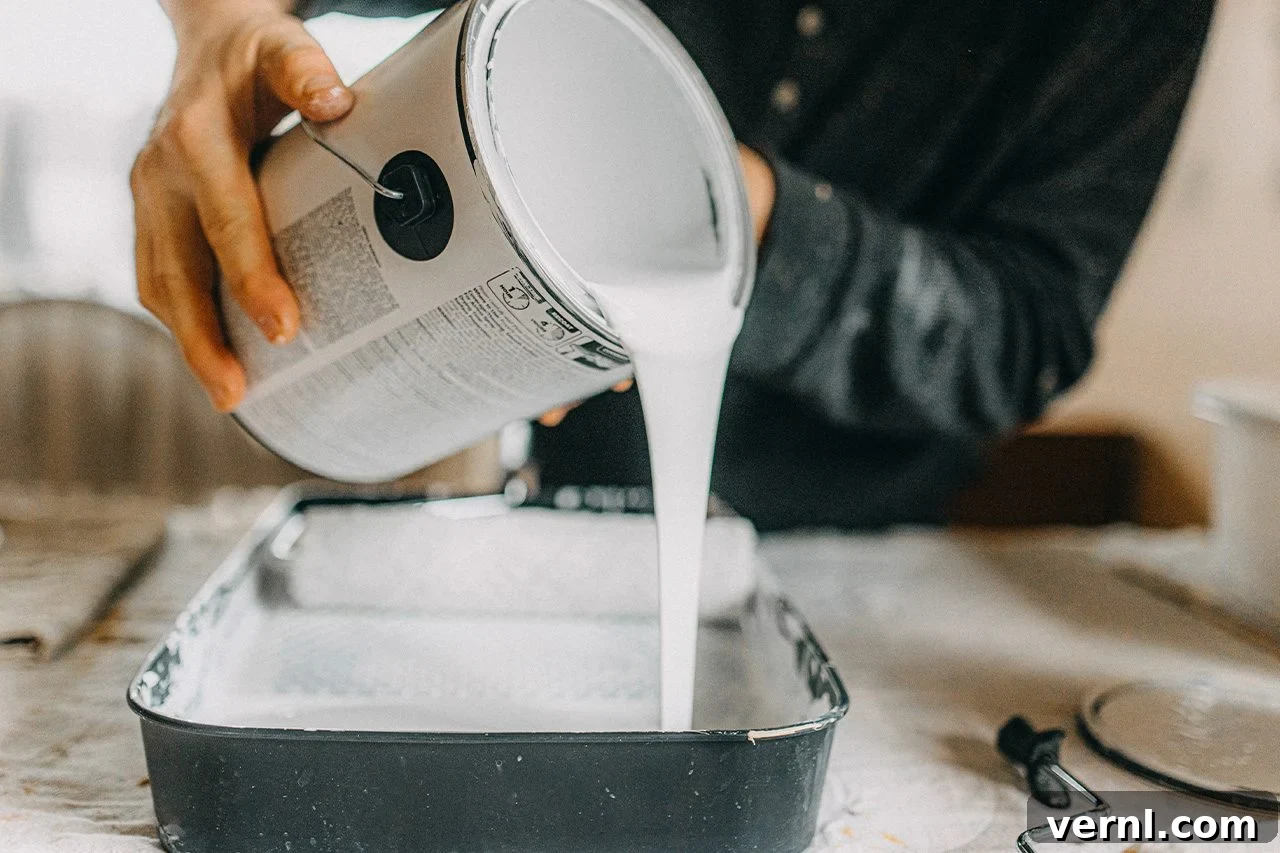
Anyone who’s ever stood at a paint counter has probably confronted the familiar question: good, better, or best? It’s easy to feel uncertain and make a snap decision, especially when the differences between budget, mid-tier, and premium paints aren’t obvious to most shoppers. While more expensive paint often promises superior performance, the real question is whether the extra cost yields meaningful benefits for your specific project.
This article explains what typically changes between paint tiers, which situations warrant upgrading, and when it’s reasonable to save money. The goal is to help you choose with confidence—without industry jargon or hard sell tactics.
What Changes Between Paint Quality Tiers
Paint makers frequently market their top-tier products as offering the best results, and there’s usually truth to the claim. Within the same brand, stepping up a tier generally adds performance features, though the exact improvements vary by formula. Common gains as you move from good to best include:
- Better hiding power so fewer coats are needed.
- Smoother application with less roller stipple and fewer brush marks.
- Improved washability and stain resistance for easier cleaning.
- Greater durability and fade resistance, especially for exterior formulations.
- More uniform sheen and better color retention over time.
These benefits are why many professionals prefer higher-grade paints for jobs where surface appearance and longevity matter most. As one painting professional notes, premium paints often lie flatter as they dry, reducing texture left by tools and producing a more professional finish.
Premium Paint Isn’t Necessary Everywhere
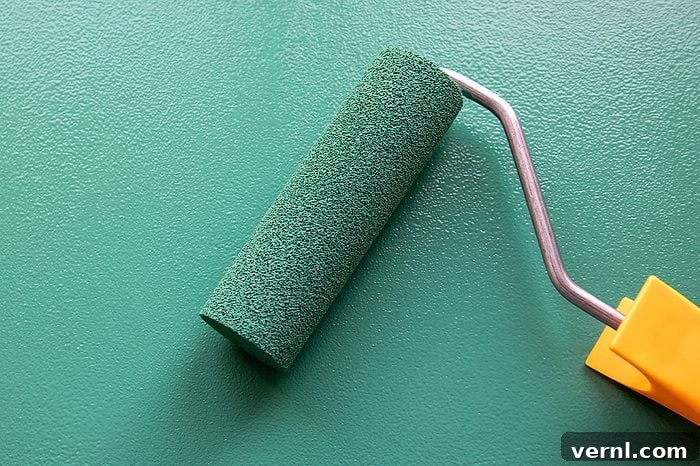
While premium paint can be worth the investment, it’s not always required. The added performance of high-end formulas is most valuable on surfaces that face frequent contact or need regular cleaning—hallways, children’s rooms, kitchens, bathrooms, and trim are good examples. Exterior paints also benefit more from premium formulations because they must withstand sun, rain, temperature swings, and other weather stresses.
For areas with light use or limited visibility—ceilings, closets, storage rooms, and utility spaces—the additional cost of premium paint often isn’t justified. In these spots, a budget or mid-tier product can deliver acceptable results and keep your project on budget.
Mid-tier paint is a practical compromise: it provides improved performance over the basic option at a smaller price jump than full premium. For many interior walls and general-purpose rooms, a mid-tier product will balance durability, appearance, and cost effectively.
Compare the Product, Not Just the Price
A “good, better, best” label can simplify choices, but it doesn’t replace reading product details. Tier names alone don’t tell the whole story—look at the product’s stated hide, coverage, recommended number of coats, recommended uses, and cleaning instructions. Also consider sheen and how the room will be used; a higher-sheen finish may be easier to wipe clean but will emphasize surface imperfections.
If you’re unsure, ask a store representative or a professional painter for guidance. Staff who work regularly with paint can explain the differences between levels and suggest which option suits your needs. They can also clarify whether a specialty feature—such as mildew resistance, extra scrubbability, or fade protection—is worth the extra cost for your situation.
Keep in mind that price alone isn’t always the best indicator of value. Sometimes the mid-tier product gives nearly all the benefits you need at a reasonable price. Other times, investing in premium paint pays off in longevity and fewer touch-ups over the years.
Sources
Interviewed source
Michael Murray, founder and CEO of Textbook Painting
Jake Cervilla, owner of Interland Design
Other primary sources
Lowe’s, Interior Paint Buying Guide