Winter Plant Care: Expert Tips for Protecting Your Garden from Snow
When winter arrives and snow is in the forecast, many gardeners worry about the impact on their beloved plants. While snow can create beautiful winter scenes, it also poses potential risks to outdoor plants. Concerns about power outages and dangerous driving conditions are valid, but don’t overlook the importance of winter plant care. Fortunately, with the right knowledge and preparation, you can help your plants survive and thrive throughout the winter months. Most plants are resilient and can endure snowfall without assistance, but some require extra care to prevent lasting damage. It all depends on the specific plant species and the amount of snowfall it experiences.
This comprehensive guide provides essential winter plant care tips, drawing on the expertise of Sharon Yiesla, a Plant Knowledge Specialist at The Morton Arboretum’s Plant Clinic. We’ll explore how snow affects plants, which plants need protection, and practical steps you can take to prepare your garden for winter weather.
Understanding How Snow Affects Plants
Snow can have both positive and negative impacts on outdoor plants. A light layer of snow acts as a natural insulator, shielding perennials and groundcovers from harsh winter winds and freezing temperatures. This insulation is especially beneficial for protecting delicate roots and bulbs from frost damage by maintaining a more stable ground temperature.
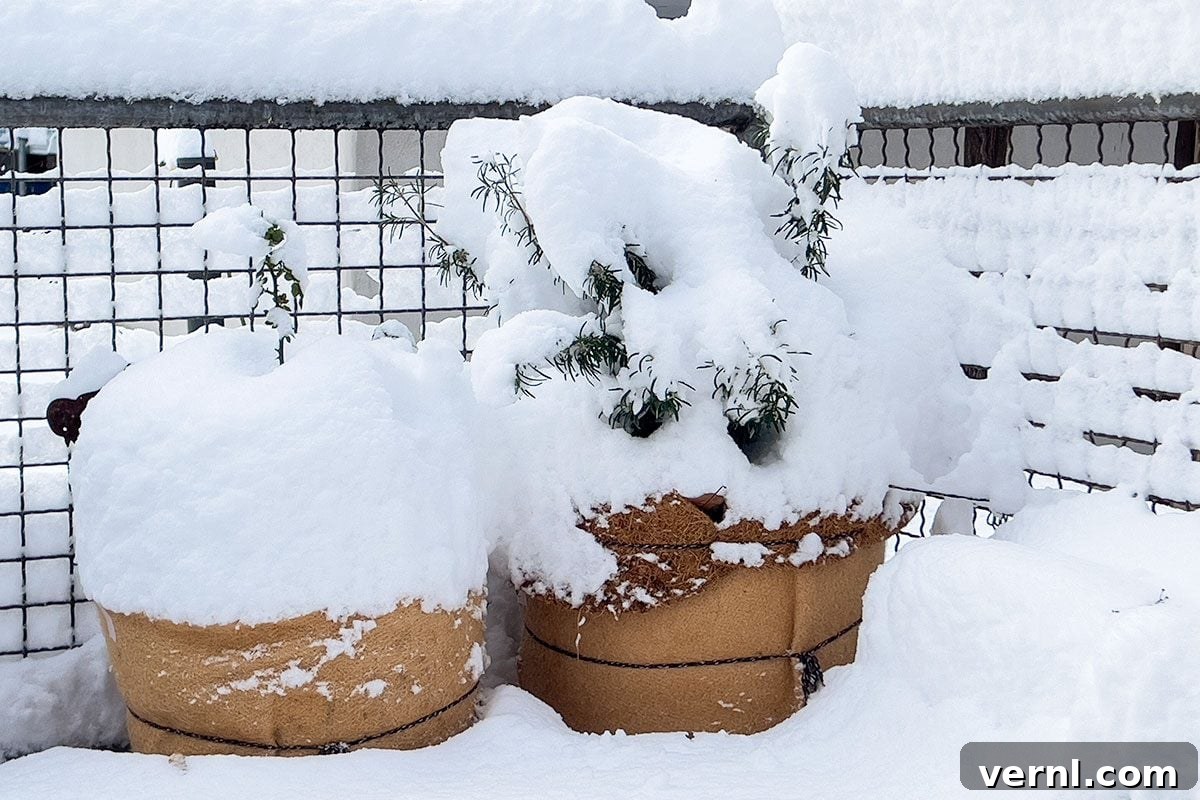
However, heavy snowfall can pose a significant threat, potentially crushing plants or causing branches to break, especially in evergreens. “Branches may simply bend under the weight of the snow, or they may break if the snow load is extremely heavy or mixed with freezing rain,” explains Yiesla. Additionally, large piles of snow resulting from storm cleanup can inadvertently crush shrubs and bushes.
Which Plants Need Protection During Winter?
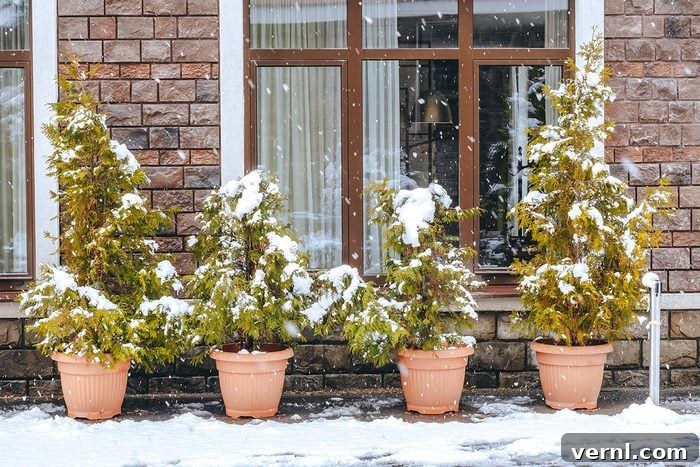
While most established outdoor plants don’t require extensive protection, certain types benefit from additional winter plant care. “Evergreens, deciduous plants with delicate structures, and newly planted specimens are particularly vulnerable and can benefit from extra attention,” says Yiesla.
Arborvitae, with their open structure and multiple trunks, are particularly prone to snow damage as they tend to catch and hold snow. Deciduous plants with delicate stem structures, such as small Japanese maples, are also at risk from the weight of heavy snow.
If you live in an area that doesn’t typically experience snow, your plants may be less adapted to freezing temperatures and ice, requiring extra protection to survive the winter months.
Tender vs. Hardy Plants: Knowing the Difference
The terms “hardy” and “tender” describe a plant’s ability to withstand cold temperatures. This classification is based on the USDA Hardiness Zone where you live. Hardy plants can survive the lowest winter temperatures in your specific hardiness zone, while tender plants cannot.
For instance, a plant considered hardy in a warmer southern region might be considered tender or even an annual in a colder northeastern region. Choosing hardy plants suitable for your zone is the best way to ensure they can survive the winter without requiring extensive protection. Selecting plants appropriate to your climate minimizes the need for excessive winter care.
Preparing Plants for Snow Before the Storm Arrives
Proactive preparation is key to protecting your plants from snow damage. Here’s how to prepare your plants before the storm hits:
- Loosely tie together evergreen branches: For evergreens that tend to splay open, such as arborvitae, gently tie the branches together. “Using flexible materials like strips of fabric or old pantyhose, loosely tie the branches together to prevent them from bending under the weight of snow,” advises Yiesla. This helps distribute the weight and prevent breakage.
- Mark deciduous shrubs with stakes: Add stakes around deciduous shrubs to mark their location, especially in areas where you might be shoveling snow. This will help you avoid piling snow on top of them during storm cleanup.
- Enclose ornamental grasses: “Enclose ornamental grasses in large tomato cages or enclosures made of heavy wire to keep them upright and prevent them from collapsing under the weight of snow,” recommends Yiesla. This helps maintain their shape and prevents snow from flattening them.
- Protect young or tender plantings: Shield young or tender plantings with wooden A-frames to provide extra support and protection from snow accumulation.
- Cover with tarps or bring indoors: For areas that rarely experience snow, use sheets or cloth tarps to temporarily cover low-doming shrubs with woody branches. Potted plants should be brought inside to protect them from freezing temperatures. Avoid covering more delicate plants that could be crushed by the weight of the snow.
Protecting Plants During the Snowstorm
During the storm, monitor evergreens and deciduous trees and, if possible, periodically remove heavy snow accumulation. “For evergreens, gently brush the snow off the branches. If the snow has frozen to the branches or requires vigorous shaking to remove it, it’s best to leave it alone and let it melt off naturally,” says Yiesla. “At cold temperatures, branches can become brittle, and shaking them too hard could cause them to break. Gentle brushing can also be used on deciduous trees and shrubs that have accumulated a heavy snow load.”
Avoid Wrapping Plants If Possible
“Wrapping plants is generally not the best option for snow protection,” explains Yiesla. “A wrapped plant could collect a larger quantity of snow, increasing the risk of damage. Wraps can also become wet on milder days, which can be harmful to the plant.” Evergreens should never be wrapped because they need to absorb light through their needles for photosynthesis.
Frequently Asked Questions About Plants and Snow
Should I leave snow on my plants?
Accumulated snow that isn’t breaking branches or crushing plants can be left alone. A good winter care practice is to gently remove heavy snow from the branches of evergreens, deciduous trees, and young plantings to prevent damage. Timely removal can prevent breakage and ensure the plant’s overall health.
Can snow actually protect plants?
“Like mulch, snow can insulate the soil and keep soil temperatures more moderate, which is beneficial for roots. A covering of snow can also insulate the plants themselves,” says Yiesla. “Snow cover can be very beneficial to evergreen ground covers, such as pachysandra, juniper, and vinca. Snow protects them from the drying winds of winter and provides a source of water when it melts in the spring.”
About the Expert: Sharon Yiesla
- Sharon Yiesla is a Plant Knowledge Specialist with the Plant Clinic at The Morton Arboretum outside of Chicago, Illinois. Her expertise provides valuable insights into plant care and winter protection strategies.