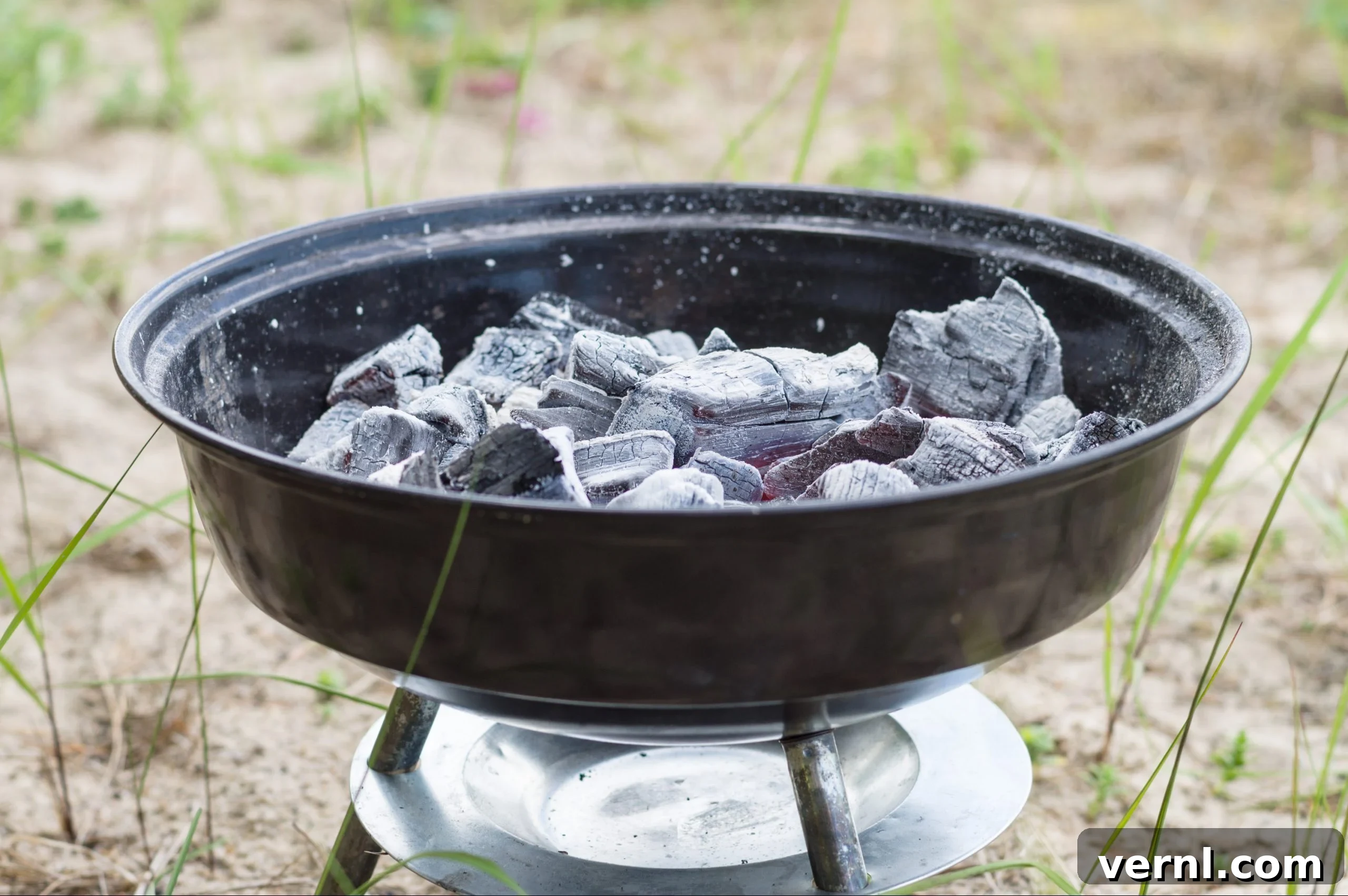
Mastering Charcoal Grill Safety: How to Safely Extinguish and Dispose of Hot Coals
Grilling is a beloved pastime, bringing together friends and family for delicious food and memorable moments. However, the thrill of the grill comes with a significant responsibility: fire safety. A couple of years ago, a valuable lesson in fire management hit close to home during a barbecue contest in eastern Wisconsin. In my haste to pack up my charcoal grill and get on the road, I made a critical error. Neglecting the safe disposal of hot coals led to a fire, a dangerous mistake that could have had severe consequences.
Fortunately, the quick thinking and assistance of fellow competitors helped contain the blaze before it escalated. That incident served as a stark reminder: proper fire management isn’t just a suggestion; it’s a necessity. This experience transformed my approach to grilling safety, and it’s a lesson I believe every griller should embrace. Prioritizing safety ensures not only your well-being but also the protection of your property and the environment.
This comprehensive guide will walk you through the most effective and safest methods for extinguishing your charcoal grill, offering practical advice on how to safely dispose of used charcoal and even how to reuse those valuable unburnt pieces. From understanding the dangers to implementing best practices, we’ll cover everything you need to become a master of safe charcoal grilling.
Essential Tools and Equipment for Safe Charcoal Management
Having the right tools at hand is crucial for both efficient grilling and safe cleanup. These items will help you manage hot coals and ashes safely, minimizing risks and making the process much smoother. Investing in quality safety tools is a small price to pay for peace of mind.
- Insulated Barbecue Gloves/Mitts: These are indispensable for protecting your hands from extreme temperatures. Whether you’re adjusting hot grates, closing vents, or handling a metal ash can, heavy-duty, long-cuffed, heat-resistant gloves are a non-negotiable safety item.
- Small Metal Trash Can with Lid: A galvanized steel can with a tight-fitting, secure lid is an absolute must-have for rapid and safe coal disposal. Its non-combustible construction and airtight seal are crucial for quickly suffocating hot embers and preventing fire hazards, especially when you need to transport coals.
- Long Metal Tongs: Essential for safely manipulating hot charcoal briquettes or lump charcoal, these tongs keep your hands at a safe distance from the intense heat. Look for sturdy tongs with a comfortable, non-slip grip.
- Aluminum Foil: Useful for separating and temporarily holding unburnt charcoal pieces you intend to reuse. It provides a clean, non-combustible surface to prevent any accidental ignition.
- Metal Scoop or Ash Shovel: Perfect for efficiently removing cooled ash and smaller coal fragments from the grill basin. A dedicated metal shovel helps keep your grilling area tidy and minimizes direct contact with ash.
- Garden Hose with Spray Nozzle (for emergencies only): While direct water on hot coals is generally discouraged, having a garden hose easily accessible with a working nozzle is vital for emergencies or for wetting down designated ash disposal areas to ensure no embers remain.
- ABC-Rated Fire Extinguisher: Always a prudent addition to your grilling area, a fire extinguisher provides an essential layer of safety for any unexpected flare-ups or uncontrolled fires, allowing for immediate action.
General Charcoal Grilling Safety Practices
Before diving into the specifics of extinguishing coals, let’s briefly reinforce some foundational safety practices that should be observed every time you light up your grill. Adhering to these guidelines will significantly reduce the risk of accidents throughout your entire grilling experience, from start to finish.
- Optimal Grill Placement: Always position your charcoal grill on a stable, level, non-combustible surface such as concrete or pavement. Ensure it is placed far away from any flammable structures, including house sidings, wooden fences, deck railings, patio umbrellas, and overhanging tree branches. Maintain a clear perimeter of at least 10 feet around the grill.
- Constant Supervision: Never leave a lit grill unattended, even for a moment. Fire can spread rapidly, and unexpected flare-ups require immediate attention. Designate someone to always keep an eye on the grill while it’s hot.
- Protecting Children and Pets: Establish a strict “no-go” zone around the grill. Keep children and pets a safe distance away at all times, as the hot surfaces, open flame, and falling embers pose significant burn risks and hazards.
- Safe Lighter Fluid Usage: If you use lighter fluid, apply it to the coals before lighting them. Critically, never add lighter fluid to already lit coals, as this can cause extremely dangerous and uncontrolled flare-ups. For a safer, cleaner, and chemical-free way to start your coals, consider using a charcoal chimney starter.
- Mindful of Wind Conditions: Be acutely aware of prevailing wind conditions. Strong winds can cause hot embers to fly out of the grill, potentially igniting nearby dry foliage, leaves, or other flammable materials. Position your grill in a sheltered area if possible, or use a windbreak.
Putting Out Hot Coals: Methods for Every Situation
The method you choose for extinguishing your charcoal will largely depend on your location and how much time you have available. Whether you’re at home with leisure time or on the go needing a quick solution, understanding the best approach is paramount for comprehensive grill safety.
Method 1: The Natural Extinction Method (At Home, With Ample Time)
This is arguably the safest, most environmentally friendly, and most recommended method when you’re not in a rush, as it requires minimal intervention and relies on the fundamental principles of fire science. It’s ideal for backyard grilling sessions where you have the luxury of letting the grill cool down over an extended period without needing to move it.
- Deprive the Fire of Oxygen: Once you’ve finished cooking and carefully removed all food and grill grates, immediately close the lid of your charcoal grill. This is the first crucial step. Following this, ensure you close all top and bottom air vents completely. These vents are specifically designed to feed oxygen to the coals; by shutting them, you effectively cut off the oxygen supply, suffocating the fire. Always remember to wear your insulated barbecue gloves or mitts, as the lid and vent handles can become extremely hot.
- Patience is Key: This natural cooling process takes time – often several hours, and sometimes even a full day – depending on the amount of charcoal used, the ambient temperature, and the grill’s design. The coals will gradually cool down and turn into inert ash. Resist the urge to open the lid or vents to check on them prematurely, as this will reintroduce oxygen and potentially rekindle hidden embers, prolonging the cooling process.
- The Science Behind This Method: Fire requires three elements to burn: fuel (charcoal), heat (the burning coals), and oxygen. By eliminating the oxygen supply, you effectively break this “fire triangle,” causing the coals to go out naturally and safely. This slow, controlled cooling process also minimizes thermal stress on your grill components, such as grates and the firebox, which can contribute to extending its overall lifespan by preventing warping or cracking.
Why You Should Avoid Pouring Water on Hot Coals (In Most Cases)
While intuition might suggest water is the quickest way to extinguish fire, directly dousing hot charcoal with water is generally a bad idea and should be avoided for several critical reasons:
- Risk of Extreme Steam Burns: When water makes contact with superheated coals (which can reach temperatures of hundreds of degrees Fahrenheit), it instantly vaporizes, creating vast amounts of scalding hot steam. This steam can cause severe and painful burns to anyone nearby, including yourself, and can erupt with surprising force.
- Messy Ash Dust and Slurry: The sudden impact of water can kick up a significant cloud of fine ash dust, which is irritating to the eyes and lungs. This dust then mixes with water to create a messy, black, corrosive slurry that can splash onto your deck, patio, clothing, or surrounding areas, leaving difficult-to-clean stains that can damage surfaces.
- Potential Damage to Your Grill: The rapid and extreme change in temperature, known as thermal shock, from intensely hot coals to cold water, can cause significant damage to your grill’s components. This can lead to warping or cracking of your grill’s grates, firebox, or the protective porcelain enamel finish, significantly shortening the life of your expensive equipment and potentially making it unsafe for future use.
Method 2: Rapid Extinguishment and Safe Transport (Away from Home or When Time is Short)
When you’re at a competition, a picnic, a campsite, or any location where you need to pack up quickly and can’t wait hours for coals to naturally extinguish, this method becomes invaluable. A dedicated metal ash can provides a safe and swift solution for cleanup and transport.
- The Metal Trash Can Advantage: On the competitive barbecue circuit, many grillers, myself included, rely on a small, galvanized steel trash can with a tight-fitting lid. This specialized container is purpose-built to safely contain hot embers. Its non-combustible material ensures no fire risk, and the secure lid creates an airtight environment that rapidly suffocates the coals by depriving them of oxygen.
- Transferring Hot Coals Safely: Once you’ve finished cooking and are ready to pack up, don your insulated mitts. Using your long metal tongs, carefully transfer all the hot coals and any remaining ashes from your grill into the metal trash can. Ensure the lid is immediately and tightly closed. The reduced oxygen inside will dramatically speed up the extinguishing process.
- Cooling and Safe Transport: This method significantly speeds up the cooling process compared to simply closing your grill’s vents. By the time you’ve cleaned and packed up your other grilling gear, the metal can should be cool enough to handle safely. Always verify the can is cool to the touch before attempting to lift it by its handles or place it in your vehicle. For absolute safety, it’s highly recommended to transport the cooled can in the bed of a truck, an open trailer, or in a designated cargo area, not inside the passenger compartment of your vehicle, unless you are 100% certain it’s completely cold and inert. The cooling time will vary based on the initial quantity of hot coals.
- Utilizing Built-in Fire Pits (With Caution): If you’re at a public park, campground, or private property equipped with designated fire pits or ash disposal areas, these can be a convenient option. Carefully dump your hot coals into the designated pit. However, it is absolutely critical to ensure that the coals are completely extinguished before you walk away, as unattended embers can easily spark a wildfire.
- Controlled Water Use in Fire Pits: In the specific scenario of a designated fire pit where coals are contained and cannot easily spread, you may cautiously use water to extinguish stubborn embers if they are too hot to leave. Pour water slowly and deliberately into the pit, directly onto the coals, avoiding large splashes. Be extremely careful of any steam that rises, keeping your face and body away from the immediate area. This is a rare exception to the general rule of avoiding water on hot coals and should only be done in controlled, designated areas where the coals are confined.
Safe Disposal and Smart Reuse of Charcoal
Once your coals are completely extinguished and cool to the touch – which is absolutely paramount for safety – it’s time to either dispose of the ash responsibly or salvage unburnt charcoal for your next grilling adventure. This step is critical for preventing fires and practicing responsible waste management.
Checking for Coolness: The Golden Rule
Before handling any used charcoal or ash, you must ensure it is absolutely cold and inert. You can check this by carefully feeling the exterior of your grill or ash can. If there’s any residual warmth, or if you see any faint wisps of smoke, the coals are still active and need more time to cool. When in doubt, always let it sit longer. Many accidental fires are caused by seemingly cool embers reigniting when exposed to oxygen or flammable materials. For an extra layer of safety, you can carefully use a metal scoop to stir the ashes and check for any glowing embers hidden beneath the surface.
Separating and Reusing Unburnt Charcoal
One of the smartest and most sustainable ways to save money and reduce waste is to reuse charcoal pieces that haven’t fully burned down. These partially consumed briquettes or lump charcoal pieces retain much of their calorific value and can be effectively incorporated into subsequent grilling sessions.
- The Collection Process: Once your grill and coals are confirmed to be completely cold, lay a sheet of aluminum foil on a stable, non-combustible surface next to your grill. Using your long metal tongs, carefully pick out any larger pieces of charcoal that appear mostly intact and unburnt. Place these salvaged pieces onto the aluminum foil. Avoid collecting anything that looks like fine ash or crumbling, spent briquettes.
- Benefits of Reusing: Reusing charcoal not only provides significant cost savings on new bags of fuel but also dramatically reduces the amount of waste you need to dispose of, making your grilling practices more environmentally friendly and sustainable.
- Proper Storage: Store your collected unburnt charcoal in a dry, airtight container – such as a metal ash can or a dedicated plastic storage bin – to protect it from moisture. Moisture can make charcoal difficult to light and reduce its effectiveness.
Safe Ash Disposal
Ash disposal requires careful attention, even when you are absolutely sure the coals are out. Ash can retain heat for surprisingly long periods, and even a tiny, hidden ember can reignite flammable materials if not handled properly.
- For Smaller Grills (Ash Dumping): If your grill is small and light enough, and once completely cool, you can carefully tip it over and dump the ash directly into a heavy-duty, disposable plastic bag. Seal the bag tightly to prevent ash from escaping.
- For Larger Grills (Ash Scooping): For heavier or built-in grills, use your metal ash shovel or scoop to carefully transfer the cooled ash into a sturdy, disposable bag. Double-bagging is often a good practice to prevent leaks and ensure containment.
- The Final Destination: Never dispose of ash directly into a regular plastic trash can with other household waste, especially if there’s any doubt about its complete coolness. The safest method is to place the sealed bag of ash into a dedicated metal ash can with a lid, and let it sit for a few days to ensure any latent heat dissipates before placing it in your outdoor trash bin for collection. Alternatively, some municipalities have specific guidelines for ash disposal; always check local regulations. For natural lump charcoal, fully cooled ash can often be composted or used as a soil amendment in gardens, as it contains beneficial minerals – but avoid this if you used lighter fluid or chemically treated briquettes.
Using Saved Coals for Your Next Grill Session
Integrating your reused charcoal into your next grilling adventure is a simple, effective, and sustainable practice that makes your grilling more economical and eco-friendly.
- The Layering Technique: When setting up your grill for your next cookout, first lay down a base layer of your saved, unburnt charcoal pieces at the bottom of the charcoal grate. Then, place a fresh layer of new charcoal on top of the old coals. This ensures the new charcoal ignites easily and, in turn, helps the older pieces catch fire efficiently, maximizing their use.
- Combined Benefits: This layering method not only helps you maximize your charcoal investment and reduce expenses but also means you’ll have less new charcoal to buy and less ash to clean out and dispose of after each use. It’s a win-win for your wallet, your cleanup routine, and the environment.
Conclusion: Grilling Responsibly for a Safer Experience
Charcoal grilling is a truly rewarding culinary experience, but it demands respect for fire and unwavering adherence to safety protocols. By understanding and implementing the best practices for extinguishing hot coals, properly disposing of ash, and even making the smart choice to reuse unburnt charcoal, you transform your grilling from a potentially hazardous activity into a consistently safe, enjoyable, and sustainable one.
Always remember the critical takeaways: prioritize patience with natural cooling, strategically use a metal ash can for quick scenarios, rigorously avoid water on hot coals unless in designated and controlled fire pits, and always, always ensure coals are completely cold before any disposal or reuse. Invest in the right tools, diligently follow these comprehensive guidelines, and you’ll not only protect yourself, your loved ones, and your property but also contribute to a more responsible and environmentally conscious grilling culture. Happy grilling, safely!