
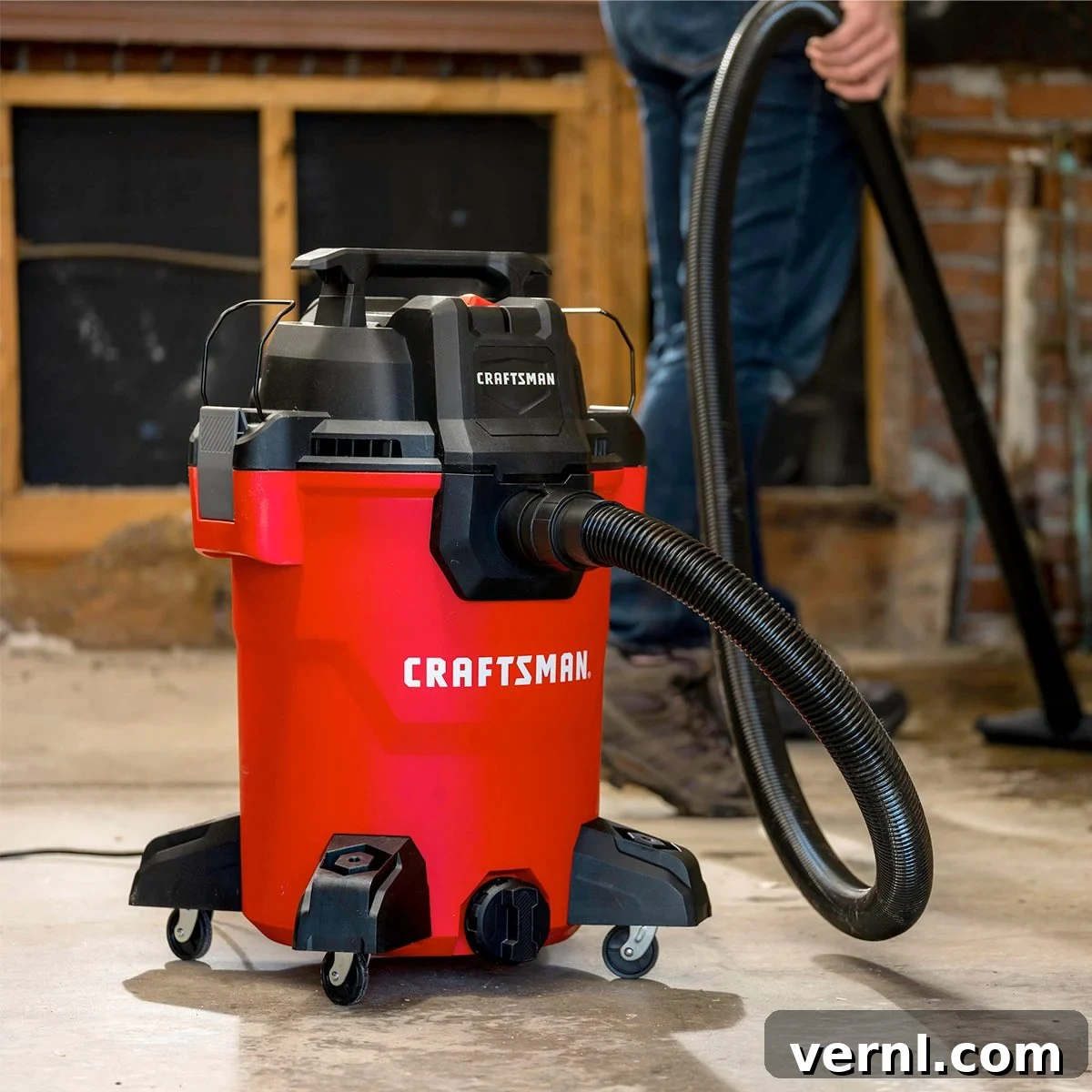
Shop Vacuums: A Comprehensive Guide for Your Workshop
Ever wondered about those robust, barrel-shaped vacuums you see in hardware stores? These are shop vacuums, and they’re indispensable for anyone working in a workshop, garage, or construction site. If you’re new to the world of shop vacuums, you’re in for a treat. They’re designed to handle tough jobs and provide a level of cleaning power that standard household vacuums simply can’t match.
My introduction to shop vacuums was a game-changer. I initially expected to tackle a messy basement renovation with a broom and shovel. However, my employer introduced me to a wet/dry shop vacuum, and the task was transformed. It was still demanding work, but I finished it in half the time, with significantly less effort. I’m now a dedicated user, owning several shop vacuums and relying on them daily.
This guide will explore what makes a shop vacuum special, how it differs from a regular vacuum cleaner, and provide recommendations to help you choose the best one for your needs.
What is a Shop Vacuum?
A shop vacuum, also known as a shop vac, is a heavy-duty vacuum cleaner designed to handle the dirt, debris, and liquids often found in workshops, garages, and construction sites. Think of it as the workhorse of the cleaning world.
There isn’t a strict definition, but shop vacuums are built to a higher standard than your typical home vacuum. They typically feature more powerful motors, wider nozzles, and sturdier hoses, allowing them to collect larger and heavier objects. They’re built to tackle tough materials like wood scraps, metal filings, and even liquids.
You’ll often hear them referred to by different names like “workshop vac,” “job site vacuum,” and “wet/dry vac.” The “wet/dry” designation highlights one of their key features.
Key Features to Consider When Buying a Shop Vacuum
Choosing the right shop vacuum involves considering several key features:
- Mobility: Look for models with wheels for easy movement around your workspace. Consider the length of the power cord and hose, as they affect your reach and flexibility.
- Durability: Invest in a vacuum with crush-resistant hoses and dust-sealed power switches to prolong its lifespan. Quality construction is essential for handling the rigors of a workshop.
- Storage Capacity: The size of the storage drum affects how often you need to empty it. Larger canisters mean less frequent emptying, but they can be heavier when full. Balance capacity with your needs and available storage space.
- Power: Shop vacuums list their horsepower (hp), but also pay attention to the suction power, usually measured in cubic feet per minute (CFM). A well-designed motor provides strong suction with lower power consumption. Higher CFM ratings generally mean more powerful suction.
- Wet/Dry Capabilities: Most shop vacuums can collect both dry debris and liquids. If you anticipate cleaning up spills or wet messes, make sure the model you choose offers this feature.
- Compatibility: If you use power tools like table saws or planers, a shop vacuum can be essential for dust collection. Check for a hose size that matches your equipment’s dust port, or that can accept an adapter.
Do Shop Vacuums Use Collection Bags?
Many shop vacuums come with collection bags, which are useful for capturing fine dust particles. However, when dealing with larger or sharper debris like nails or screws, these bags can fill quickly or even tear. Because of this, many users skip the bags and empty the contents of the canister directly into the trash.
When collecting liquids, you should never use a collection bag or paper filter.
What Size Shop Vacuum Do You Need?
Shop vacuum size typically refers to the volume of the storage canister. Larger vacuums require less frequent emptying but take up more space. Consider the size of your workspace and the type of debris you’ll be collecting when choosing a size. For most DIY projects, a mid-size option is usually sufficient.
Another important size factor is the hose diameter, which typically ranges from 1-1/4 to 2 inches. Larger diameters are best for cleaning large areas, handling bulky objects, or a high volume of lightweight debris. Smaller hoses work well for smaller, heavier items like nails or screws. When in doubt, it’s often better to opt for a wider hose for increased versatility.
Best Shop Vacs: Recommendations for Your First Purchase
Ready to buy your first shop vacuum? Here are some recommended options:
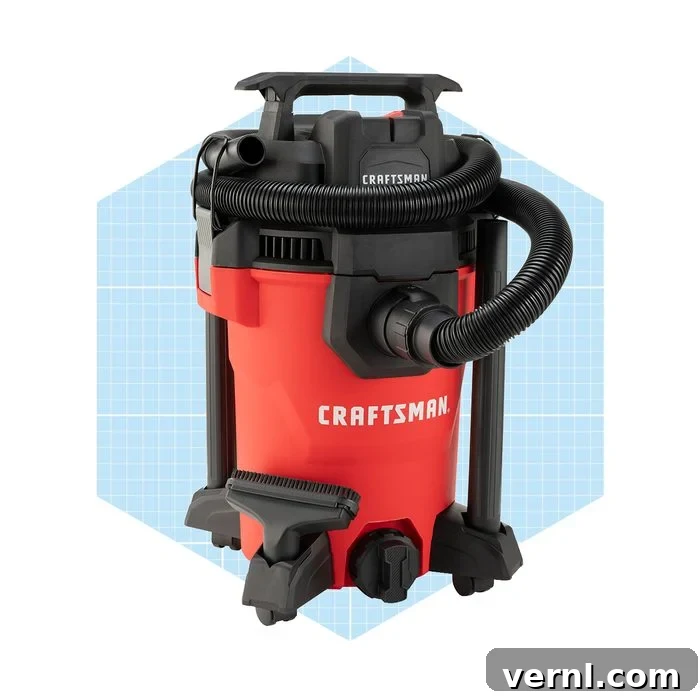
Best Entry-Level Budget Pick
The Craftsman 4-Gallon Wet/Dry Shop Vacuum is an excellent choice if you’re on a tight budget. It’s affordable, yet effective at collecting sawdust and other workshop debris. It’s a great starting point for those new to shop vacuums or those who don’t need a heavy-duty model.
Best Entry-Level Value Pick
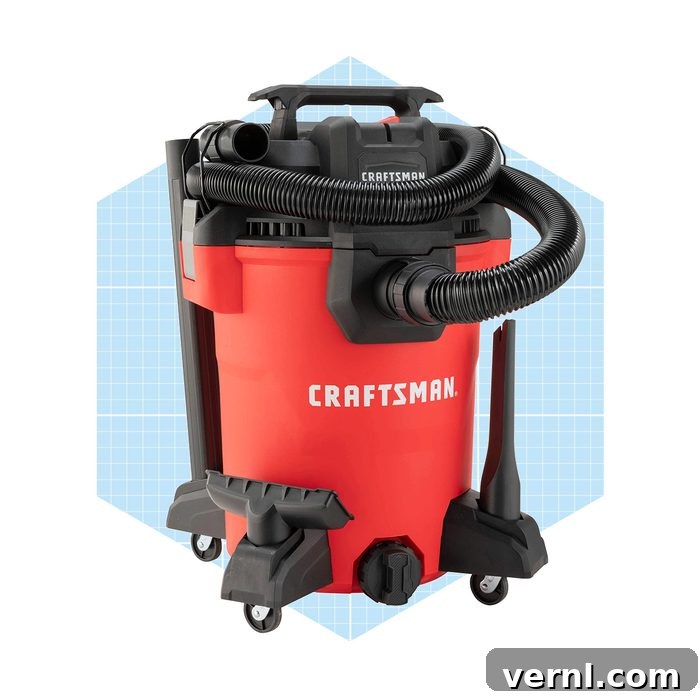
If you have a little more to spend, the Craftsman 8-Gallon Wet/Dry Shop Vacuum offers great value for its price. It has the same horsepower as the budget model but boasts a more impressive 110 CFM suction with a 1-7/8-inch hose, providing greater cleaning power and versatility.
Best Portable Pick
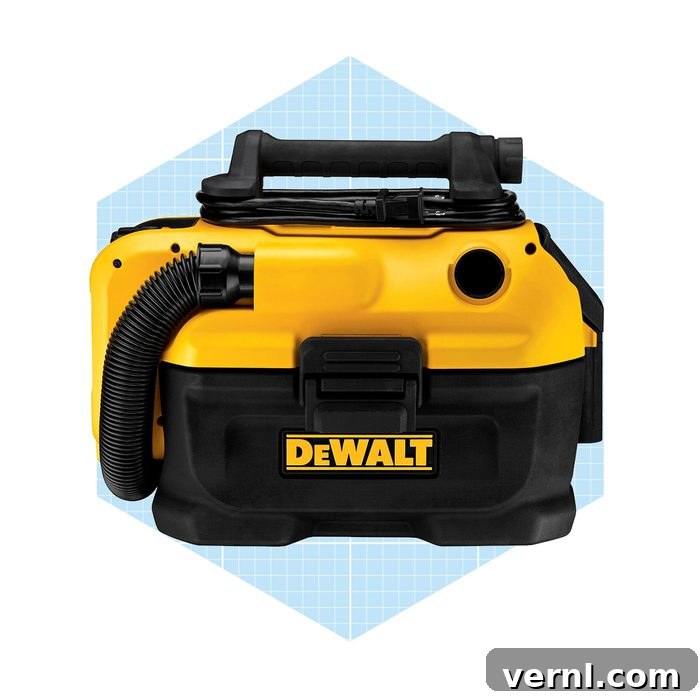
For those who need a more mobile option, the DeWalt Portable Shop Vacuum is a great choice. It’s compact, easy to carry, and perfect for smaller jobs. The DeWalt portable shop vacuum is known for its convenience and reliability.
Note: DeWalt also offers a battery-operated version. However, a corded model provides the added flexibility for most DIYers, often making it worth the slightly higher price.
Choosing the right shop vacuum is an investment in your workshop’s cleanliness and efficiency. Consider these tips and recommendations as you make your decision, and get ready to experience the convenience and power of a shop vacuum.