
Harnessing the Sun: A Comprehensive Guide to Solar-Powered Air Conditioning
The global climate is undeniably shifting, with 2023 marking an alarming record as the hottest year ever documented on Earth. This escalating heat brings with it a surge in demand for cooling solutions, placing immense strain on conventional electrical grids. As millions of households increasingly rely on air conditioning for comfort, power companies frequently face the difficult decision of implementing temporary service cuts to prevent widespread blackouts. This dilemma highlights a critical need for sustainable, resilient, and energy-independent cooling technologies.
In this context, solar air conditioners emerge as an elegant and straightforward solution, offering a pathway to keeping homes cool without overburdening existing infrastructure or relying solely on grid power.
While my residence on the picturesque coast of Central California rarely experiences the intense, oppressive heat common in regions like Southern California, Arizona, Texas, or the Southeast, the occasional heatwave is a stark reminder of the necessity of effective cooling. As part of a larger solar upgrade to our off-grid property, we’ve embarked on a thorough investigation of various air conditioning options. Our goal is to achieve comfort and sustainability.
Our initial inclination strongly favors a heat pump system, primarily due to its dual functionality – efficiently providing both cooling and heating. Given our existing solar array, we anticipate it would seamlessly handle the energy demands of such a system. However, our research has unveiled a fascinating array of other innovative solar cooling avenues worth exploring for different applications and preferences.
For instance, Australia’s Commonwealth Scientific and Industrial Research Organization (CSIRO) is pioneering a sophisticated rooftop system. This ingenious design harnesses the sun’s energy to heat water, which then vaporizes and cycles through a spinning desiccant wheel to remove moisture. Subsequently, the air passes through an evaporative cooler before being channeled into a duct system to effectively cool the home. This particular system also boasts the capability to provide hot water, all while consuming minimal electricity—only enough to power the desiccant wheel and circulation fans. While this advanced solution might not perfectly align with our specific needs, it undoubtedly presents a compelling option for many other homeowners seeking cutting-edge, energy-efficient cooling.
Understanding the Mechanics: How Does a Solar-Powered Air Conditioner Work?
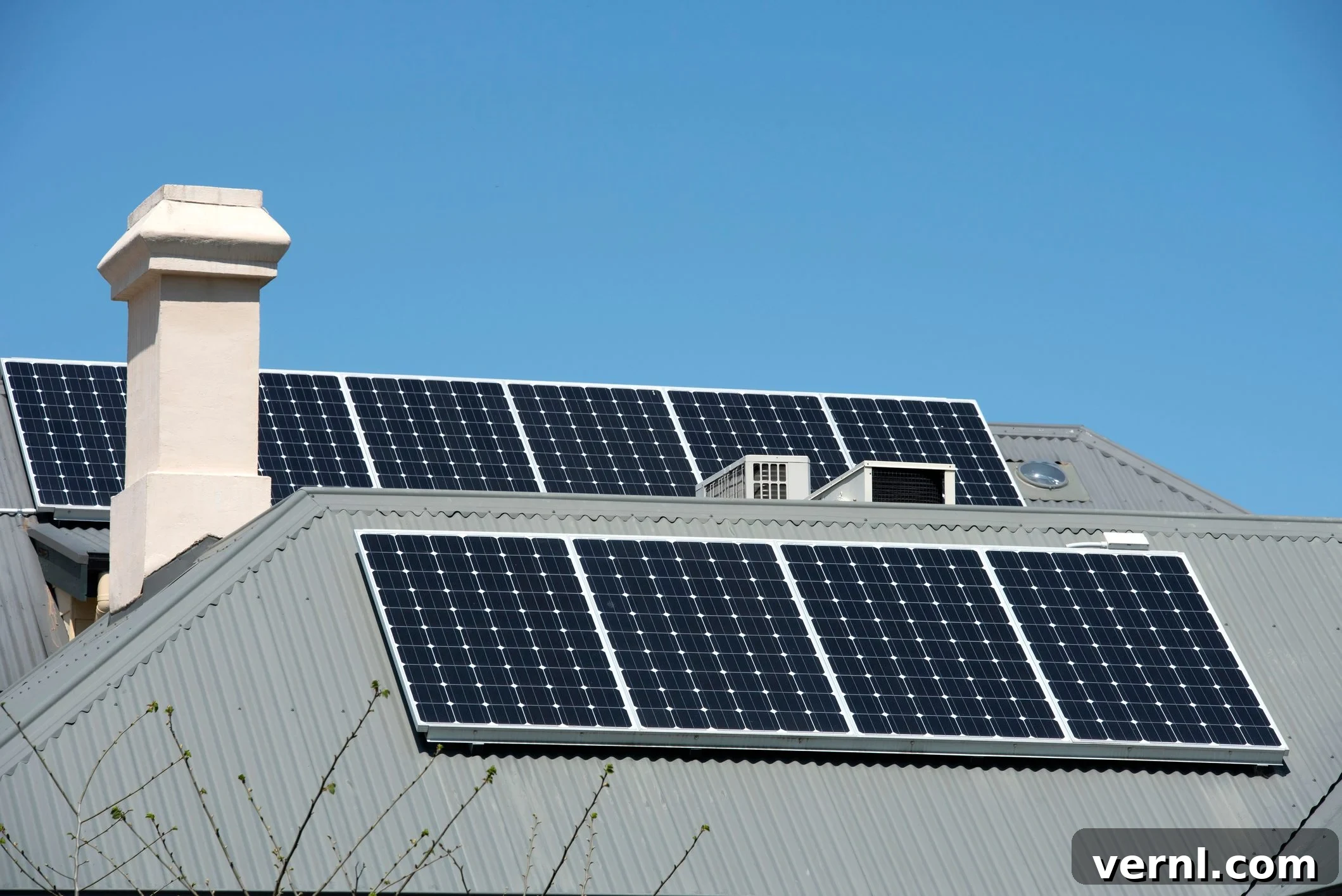
At its core, a solar-powered air conditioner operates by utilizing the abundant energy from the sun. The most prevalent design leverages photovoltaic (PV) panels to generate electricity, which then powers the critical components of the air conditioning unit: the compressor and the fan. The compressor, often considered the heart of the system, can be connected to various indoor cooling units, such as modern mini-splits, or integrated into traditional duct systems to circulate cool air throughout the home.
These systems are primarily designed to draw all their operational power directly from the solar panels. However, the market also offers highly versatile hybrid units. These innovative systems possess the unique capability to seamlessly switch between solar power and conventional grid electricity, providing an invaluable backup during periods of low sunlight or exceptionally high demand. For properties situated off the grid, or for those seeking complete energy independence, the integration of a battery storage system is a game-changer. Batteries enable the air conditioner to operate efficiently even after sunset, ensuring uninterrupted comfort throughout the night.
Beyond PV-powered systems, another intriguing technology is the solar thermal air conditioner. Instead of converting sunlight into electricity, this type of unit directly uses water heated by solar thermal collectors to drive the refrigeration process. Similar to how a compressor functions in conventional AC, the hot water in a solar thermal system condenses a refrigerant and propels it into evaporator coils. As the refrigerant vaporizes, it effectively absorbs heat from the indoor environment, thereby cooling the house. While solar thermal units still require some electricity for circulation fans, their overall power consumption is significantly lower than that of conventional air conditioners, often allowing them to operate effectively with smaller and fewer PV panels.
Both PV and solar thermal technologies represent significant advancements in sustainable cooling. They reduce reliance on fossil fuels, decrease carbon footprints, and offer a path to greater energy self-sufficiency for homeowners.
Exploring the Landscape: Types of Solar-Powered Air Conditioners
The rapidly evolving market for solar air conditioning presents homeowners with a variety of choices, primarily categorized by their power input and operational design. PV-powered air conditioners, for instance, typically come in three main configurations: DC current units, AC current units, and versatile hybrid systems that can seamlessly operate on both types of power.
- DC Units: The Direct Approach
Solar panels inherently produce direct current (DC) power. Therefore, DC units are designed to leverage this power directly, making them incredibly efficient. If the air conditioner’s fan and compressor are equipped with DC motors, they can utilize the raw power output from the solar panels without the need for conversion. These units commonly operate at lower voltages such as 12, 24, or 48 volts, minimizing energy loss and simplifying system architecture. They are particularly well-suited for off-grid applications or areas where grid connectivity is unreliable. - AC Units: Grid-Compatible Cooling
In contrast, AC units are engineered to operate using the 120-volt alternating current (AC) signal typical of standard household electrical grids. While they can draw power from solar panels, the DC output from the panels must first pass through an inverter. This device converts DC electricity into AC, making it compatible with the unit. However, this conversion process inherently introduces a small degree of energy loss, slightly reducing overall efficiency compared to direct DC systems. AC units are often preferred for grid-tied installations where homeowners want the flexibility of drawing power from both solar and the utility grid. - Hybrid Units: The Best of Both Worlds
Hybrid solar air conditioners offer unparalleled flexibility and reliability. These sophisticated systems are capable of utilizing both DC and AC signals. They can draw power directly from the solar panels when the sun is shining brightly, maximizing the use of free, renewable energy. When solar generation is insufficient—such as on cloudy days or during the night—these units can seamlessly switch to drawing power from the conventional power grid. This intelligent design ensures continuous cooling comfort, regardless of solar availability, and provides a robust solution for diverse energy environments.
Beyond the electrical current type, solar air conditioners also come in various physical configurations tailored to different installation needs and aesthetic preferences.
- Mini-Split Systems: Efficient and Flexible Zoning
Mini-split systems are exceptionally popular for solar air conditioning due to their efficiency and flexibility. They typically feature an outdoor compressor unit connected to one or more indoor units. Each indoor unit contains evaporative coils and a circulation fan, allowing for zoned cooling—meaning you only cool the rooms you are actively using. The solar panels are usually mounted strategically near the outdoor compressor unit. Wires bundled with the refrigeration tubing efficiently carry electricity to the indoor units, simplifying installation and minimizing visual impact. - Window-Mount Units: Simple and Cost-Effective
For those seeking a more straightforward and often more affordable solution, window-mount units are also readily available. These self-contained units typically come with a dedicated panel array that can be mounted on the roof or on the side of the house. While they may not offer the same level of efficiency or aesthetic integration as mini-splits, they provide an accessible entry point into solar-powered cooling for many homeowners.
Solar-Powered Air Conditioner: A Balanced View of Pros and Cons
Embracing solar air conditioning represents a significant step towards sustainable living and energy independence. It offers a compelling solution to the escalating problem of power grid overload during periods of extreme heat, provided a sufficient number of homeowners adopt this technology. To incentivize this transition, governments often offer substantial support, such as the federal government’s 30 percent solar tax credit towards the purchase and installation of new solar equipment. This financial incentive significantly reduces the upfront cost, making solar AC a more accessible and attractive investment.
The Advantages of Going Solar for Your AC
- Enhanced Grid Resilience and Blackout Protection: One of the most significant benefits is the ability to maintain a cool indoor environment even during grid overloads, brownouts, or complete blackouts. This provides invaluable peace of mind and comfort during critical heat events when conventional AC systems would fail.
- Seamless Integration and Cost Savings: If you already have an existing photovoltaic (PV) system, integrating a solar air conditioner can be remarkably cost-effective. You can often tie your new air conditioner into your current solar setup, leveraging existing infrastructure and potentially saving on additional materials and installation costs.
- Substantial Reduction in Energy Bills: By drawing power directly from the sun, solar air conditioners drastically reduce or even eliminate your reliance on utility company electricity for cooling. Over the lifespan of the system, this translates into significant savings on your monthly energy bills, contributing to a quicker return on investment.
- Optimal Performance When Needed Most: Solar air conditioning systems inherently work best precisely when you need them most—when the sun is shining brightly and temperatures are at their peak. This natural synergy ensures maximum cooling efficiency during the hottest parts of the day, aligning energy generation with demand.
- Environmental Stewardship: Choosing solar AC significantly reduces your carbon footprint. By utilizing clean, renewable energy, you actively contribute to mitigating climate change, reducing greenhouse gas emissions, and promoting a healthier planet.
- Increased Property Value: Homes equipped with solar energy systems, including solar-powered air conditioning, are often perceived as more modern, energy-efficient, and sustainable. This can increase your property’s market value and appeal to environmentally conscious buyers.
Potential Drawbacks and Considerations
While the benefits are compelling, it’s essential to consider certain limitations before making an investment in solar air conditioning. These considerations help homeowners make an informed decision based on their specific circumstances.
- Reliance on Sunlight and Nighttime Operation: The primary drawback is the system’s dependence on adequate sunlight. Your air conditioner will not operate at night unless it is either tied into the conventional power grid or you invest in a battery storage pack. This adds to the initial cost and complexity.
- Higher Upfront Investment: Solar air conditioners typically have a higher initial purchase and installation cost compared to conventional AC units. The average cost for a system might be around $3,400 before incentives. However, it’s crucial to factor in government incentives like the 30 percent tax credit, which can significantly offset this cost and improve the long-term return on investment (ROI).
- Performance During Prolonged Cloudy Weather: Even with a battery pack, a solar air conditioner might struggle to maintain continuous operation during extended periods of cloudy or rainy weather. Reduced solar generation means the batteries might not fully recharge, potentially leading to intermittent cooling or reliance on grid backup.
- Solar Panel Lifespan and Maintenance: While solar panels are durable, they do not last forever. Their average life expectancy is around 30 years, but this can be shortened by severe weather events, extreme temperatures, or corrosive elements like salty air in coastal regions. Regular maintenance and occasional cleaning are necessary to ensure optimal performance throughout their lifespan.
- Site-Specific Suitability: Solar AC is most effective for properties that receive abundant, unobstructed sunlight. Homes on heavily shaded properties or in climates with very low solar irradiance might not be ideal candidates, as the efficiency and cost-effectiveness of the system would be diminished. A professional site assessment is crucial.
Making an Informed Decision: What’s the Bottom Line?
Ultimately, if your property is blessed with ample sunlight, investing in a solar air conditioner is undeniably a wise and forward-thinking decision. This innovative cooling solution offers a multitude of advantages that extend beyond immediate comfort. Not only will it significantly reduce your monthly energy bill, but it is also likely to enhance your property’s value and appeal. Furthermore, by embracing solar power for your cooling needs, you actively contribute to a more sustainable energy future, playing a vital role in alleviating strain on the electric grid and promoting environmental responsibility.
As we navigate an era of increasing temperatures and growing energy demands, solar-powered air conditioning stands out as a resilient, efficient, and eco-conscious choice for homeowners seeking both comfort and sustainability. Consider a professional consultation to assess your property’s specific needs and determine the best solar AC system for your home.