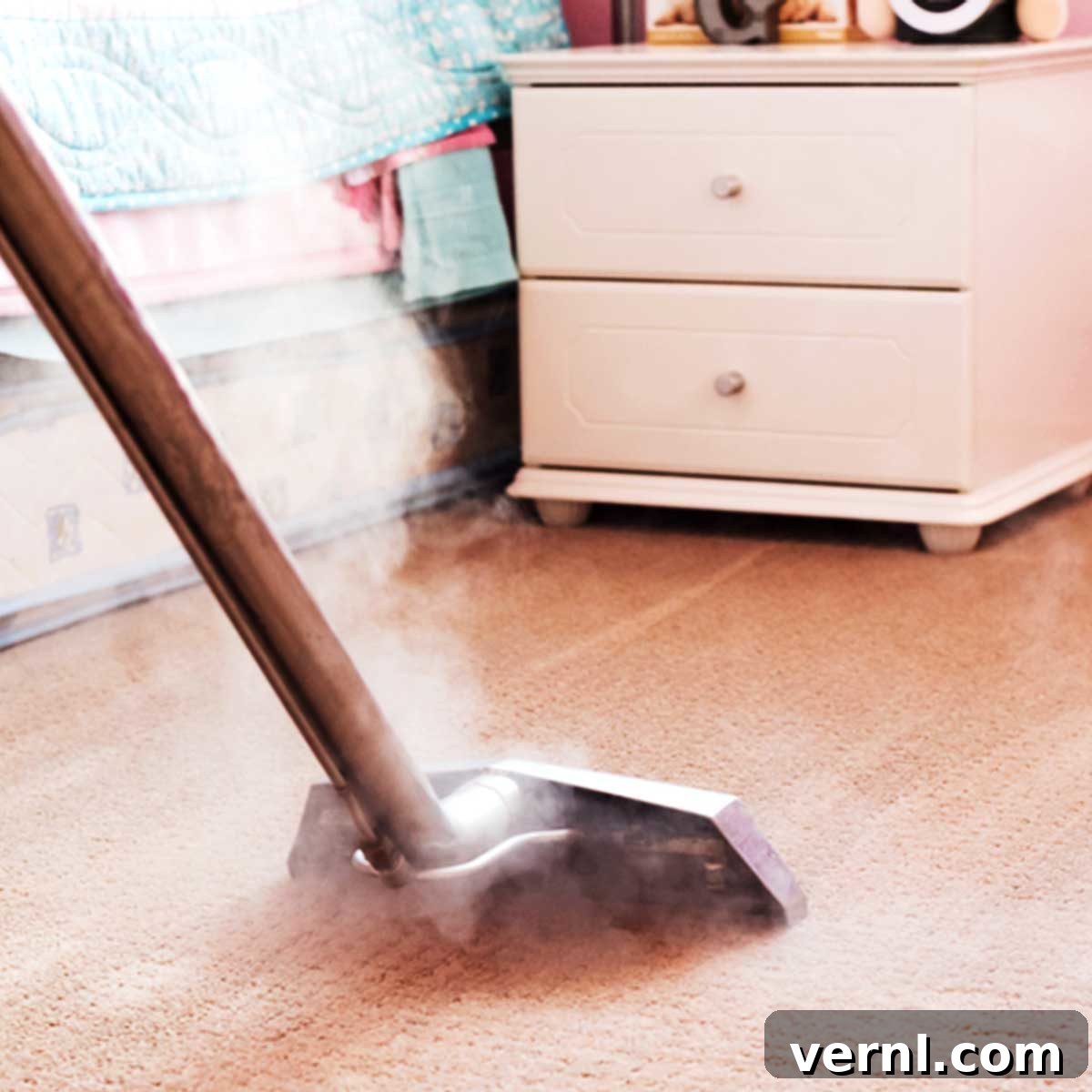
In an era where health and environmental consciousness are paramount, finding effective and safe cleaning solutions for our homes is more important than ever. Steam cleaners emerge as a revolutionary tool, offering an unparalleled method for deep cleaning and sanitizing virtually every surface, both indoors and out. Far more than just a surface cleaner, the power of pressurized steam obliterates 99.99 percent of bacteria, molds, and viruses on contact, creating a truly hygienic environment. Beyond microscopic threats, it also effectively eliminates common household irritants such as dust mites and other bothersome allergens, providing significant relief for allergy sufferers.
One of the most compelling advantages of integrating a steam cleaner into your home maintenance routine is its inherent safety for your family and the planet. Unlike traditional cleaning methods that rely on an arsenal of harsh chemical sprays and detergents, steam cleaners operate purely on the principle of water and heat. This ingenious simplicity means you can finally bid farewell to the constant cycle of buying, storing, and exposing your loved ones to potentially harmful chemical agents. Embrace a naturally clean home that smells fresh, not of artificial fragrances, and contribute to a healthier indoor air quality for everyone.
How Do Steam Cleaners Work? Unveiling the Science Behind the Sparkle
While the market offers a diverse range of steam cleaning devices, their fundamental operational principle remains remarkably consistent across all models. The magic begins when tap water, or preferably distilled water, is poured into the unit’s reservoir. Once activated, a powerful heating element rapidly brings the water beyond its boiling point, transforming it into superheated steam. This high-temperature, pressurized vapor is then expelled through a specialized nozzle or attachment.
The effectiveness of steam cleaning stems from a combination of factors. First, the intense heat of the steam is sufficient to denature proteins and lipids, effectively killing bacteria, viruses, mold spores, and even persistent pests like bed bugs upon direct contact. Second, the pressurized vapor acts as a powerful solvent, effortlessly loosening and lifting entrenched dirt, grime, grease, and sticky residues from surfaces without the need for scrubbing. Crucially, the microscopic size of steam vapor molecules allows them to penetrate deeply into the pores and crevices of surfaces, reaching contaminants that conventional cleaning methods often miss. This deep penetration ensures not just a superficial clean, but a genuinely hygienic sanitization that lasts longer and promotes a healthier living space.
Natalie Shifrin, Owner of NY Steam Clean, a professional cleaning company, emphasizes the benefits of portable steam cleaners and steam mops for residential applications. “When selecting a steam cleaner for home use, prioritize models that are lightweight, intuitively designed for ease of use, and offer adjustable steam settings,” she advises. This allows users to tailor the steam output to different surfaces and cleaning tasks, maximizing efficiency and preventing potential damage.
Navigating the Options: Types of Steam Cleaning Machines for Every Need
The market boasts an array of steam cleaner designs, each tailored to specific cleaning tasks and user preferences. Understanding the distinctions between the most popular styles will help you make an informed decision for your home.
The Most Popular Styles of Steam Cleaners for Home Use:
- Handheld Steam Cleaners: These compact and incredibly portable tools are often the most affordable entry point into the world of steam cleaning. Their small size makes them exceptionally easy to store when not in use and perfect for tackling smaller, localized cleaning challenges. Think spot cleaning spills, sanitizing bathroom fixtures, refreshing grout lines, or even tasks like steam cleaning your oven’s interior, refreshing vehicle interiors, or effortlessly steaming wrinkles out of clothing. Their quick heat-up time and maneuverability make them ideal for quick touch-ups and targeted sanitization.
- Steam Mops: Resembling a modern stick vacuum in form, steam mops are specifically engineered for efficient floor cleaning. They are a fantastic chemical-free alternative to traditional mops, providing sanitization and a streak-free finish on appropriate hard floor surfaces. While excellent for daily maintenance and quick sanitization of large floor areas, their primary function is focused solely on floors, offering less versatility than canister models for other household tasks.
- Canister Steam Cleaners: Often considered the workhorses of the steam cleaning world, canister models are generally pricier but offer the most robust and versatile cleaning experience. They feature significantly larger water tanks, allowing for extended cleaning sessions without frequent refills, and typically generate higher steam pressure, which translates to more effective dirt loosening and sanitization. A key advantage of canister steam cleaners is their comprehensive range of attachments. These accessories transform the unit into a multi-surface cleaning powerhouse, capable of tackling everything from deep carpet cleaning and upholstery refreshing to scrubbing tile grout, cleaning windows, and even sanitizing outdoor surfaces. If you anticipate extensive, large-scale cleaning projects or require maximum flexibility, a canister steam cleaner is often the most efficient and powerful choice.
Three Essential Considerations When Choosing Your Steam Cleaner:
- Your Specific Cleaning Needs: Before investing, take a moment to honestly assess how you envision using your steam cleaner. Are you primarily concerned with floor sanitation, or do you need a versatile tool for upholstery, kitchens, and bathrooms? Consider which attachments are indispensable for your planned tasks. Do you need brushes for scrubbing, squeegees for glass, or specialized nozzles for tight spaces? Furthermore, evaluate practical aspects such as cord length – a longer cord provides greater reach, reducing the need for constant unplugging and re-plugging. As Shifrin points out, steam cleaners are remarkably versatile for sanitizing and refreshing various home textiles, including carpets, rugs, upholstered furniture, and curtains, making the right set of attachments crucial for comprehensive cleaning.
- Weight and Size: Practicality in storage and handling is paramount, especially for frequent use. Pay close attention to the overall weight of the unit, particularly if you’re considering handheld models that will be lifted and maneuvered constantly. A lightweight design can significantly reduce user fatigue. For canister models, consider their physical dimensions. Do you have adequate storage space in a utility closet, garage, or pantry? Balancing power and capacity with manageable size ensures that your steam cleaner remains a convenient tool, not an cumbersome burden.
- Maintenance and Water Quality: To ensure the longevity and optimal performance of your steam cleaner, maintenance is a critical factor. If you plan to use standard tap water, be aware that mineral deposits (limescale) can accumulate within the heating element and internal components over time, potentially impacting efficiency and shortening the lifespan of the device. Many manufacturers recommend or even require the use of distilled water to circumvent this issue. However, if tap water is your only option, research the cleaning frequency and descaling process required for the model you’re considering. Check consumer reviews for any common complaints about the difficulty of cleaning or descaling a particular steam cleaner, as ease of maintenance directly impacts your overall satisfaction and the lifespan of your investment.
Unleashing Versatility: What You Can (and Can’t) Clean With a Steam Cleaner
The array of surfaces that can benefit from the deep cleaning and sanitizing power of steam is often surprising. However, as with any potent cleaning tool, prudence is key. Always remember to test an inconspicuous area first to confirm that the surface can be safely and effectively steam cleaned without causing damage.
These Surfaces (Usually) Welcome Steam Cleaning with Open Arms:
- Upholstery: Refresh and sanitize sofas, armchairs, and other upholstered furniture. Steam helps lift dirt, remove odors, and kill dust mites embedded deep within the fabric, leaving your furniture feeling revitalized.
- Mattresses: Steam is an exceptionally effective method for sanitizing mattresses, eliminating dust mites, allergens, and odors. For those unfortunate enough to encounter them, targeted steam treatment is also a proven strategy for eradicating bed bugs and their eggs.
- Curtains and Drapes: Gently steam curtains to remove dust, allergens, and wrinkles without the need for harsh chemicals or frequent washing. It’s a quick way to freshen up your window treatments.
- Carpets and Rugs: While not a substitute for a dedicated carpet extractor, a steam cleaner can be used for spot cleaning stains, sanitizing high-traffic areas, and refreshing the overall appearance of carpets and rugs by lifting embedded dirt and odors.
- Floors: Steam cleaners are generally safe and highly effective on many types of hard flooring, including most linoleum, ceramic tiles, porcelain tiles, and sealed vinyl. They deliver a deep, hygienic clean without chemicals, leaving floors sparkling. However, caution is paramount: Steam cleaners are generally not recommended for unsealed hardwood, laminate, or other water-sensitive flooring types, as the high heat and moisture can cause warping, swelling, or damage to the finish. Always consult your flooring manufacturer’s guidelines if you are unsure about the suitability of steam cleaning for your specific floor type.
- Tiles and Grout: Porcelain, ceramic, and most natural stone tiles (when sealed) are excellent candidates for steam cleaning. The high heat and pressure effortlessly dissolve soap scum, mildew, and grime from tile surfaces and penetrate deep into grout lines, restoring their original brightness and inhibiting mold growth.
- Metal Fixtures: Stainless steel appliances, chrome faucets, and other metal fixtures can be effectively cleaned and polished with steam, removing fingerprints, water spots, and residue for a gleaming finish.
- Glass and Mirrors: For large glass surfaces like windows and mirrors, a steam cleaner paired with a squeegee attachment is a fantastic option for achieving a streak-free shine without chemical cleaners. However, exercise caution and avoid applying steam to very cold glass surfaces, as the sudden temperature change could potentially cause the glass to crack. Allow cold glass to warm up slightly first.
- Shower/Tub: Tackle soap scum, mildew, and grime in your shower and bathtub with ease. Steam provides a powerful, chemical-free way to sanitize and deep clean these areas, reaching into corners and crevices.
- Countertops and Sinks: Sanitize kitchen and bathroom countertops and sinks, eliminating germs and food residue from various surfaces, including granite (when sealed), quartz, and stainless steel.
- Kitchen Appliances: Remove stubborn grease and food splatters from stovetops, ovens (exterior and interior of some models), microwaves, and refrigerator exteriors. A crucial warning: Do not use steam to clean the inside of a cold refrigerator or freezer, as the rapid application of heat to cold glass or plastic components can cause them to crack or break.
- Outdoor Furniture: Refresh patio furniture, cushions, and plastic chairs, removing dirt, mildew, and pollen buildup to make them look new again.
- BBQ Grills: Steam can be surprisingly effective at loosening baked-on grease and food residue from BBQ grills, making manual scrubbing much easier.
- Vehicles: Sanitize and deep clean car interiors, including upholstery, carpets, floor mats, dashboards, and door panels, removing dirt, stains, and odors.
- Trash & Recycling Bins: Eliminate foul odors and sanitize the often-neglected interiors of trash and recycling bins, ensuring a truly clean and hygienic waste management system.
Surfaces and Items on Which You Should NOT Use Your Steam Cleaner:
- Porous Floors and Surfaces: Avoid using steam on highly porous materials such as unsealed hardwood, cork, bamboo, marble, limestone, concrete, unglazed tile, or paving stones. These materials can absorb too much moisture, leading to warping, swelling, discoloration, or permanent damage. Any flooring that has existing gaps or cracks can also be particularly vulnerable to damage from high-temperature and pressure steam, which can force moisture into underlying layers and cause irreparable harm.
- Paper and Cardboard: Steam will inevitably saturate and destroy paper-based products, causing them to tear, warp, or disintegrate.
- Anything Covered in Water-Based Paint or Painted Walls: The high heat and moisture from a steam cleaner can easily lift, blister, or strip water-based paint from surfaces. Avoid using it directly on painted walls unless specifically advised by the paint manufacturer for that particular finish.
- Delicate Fabrics: While some delicate fabrics can be steamed for wrinkle removal, always test a hidden area first. Excessive heat or moisture can damage silk, velvet, or certain synthetic materials.
- Electronics: Never use a steam cleaner on electronic devices or components. Moisture and heat can cause short circuits and permanent damage.
This comprehensive content has been meticulously reviewed by professional organizer, cleaning expert, and author Donna Smallin Kuper of Unclutter.com, ensuring accuracy and practical advice for a truly clean home.
About the Expert
Natalie Shifrin is the owner of NY Steam Clean, a reputable professional cleaning company diligently servicing clients across New York, New Jersey, and the broader tri-state area. Her extensive experience in the cleaning industry provides valuable insights into effective and safe cleaning practices.