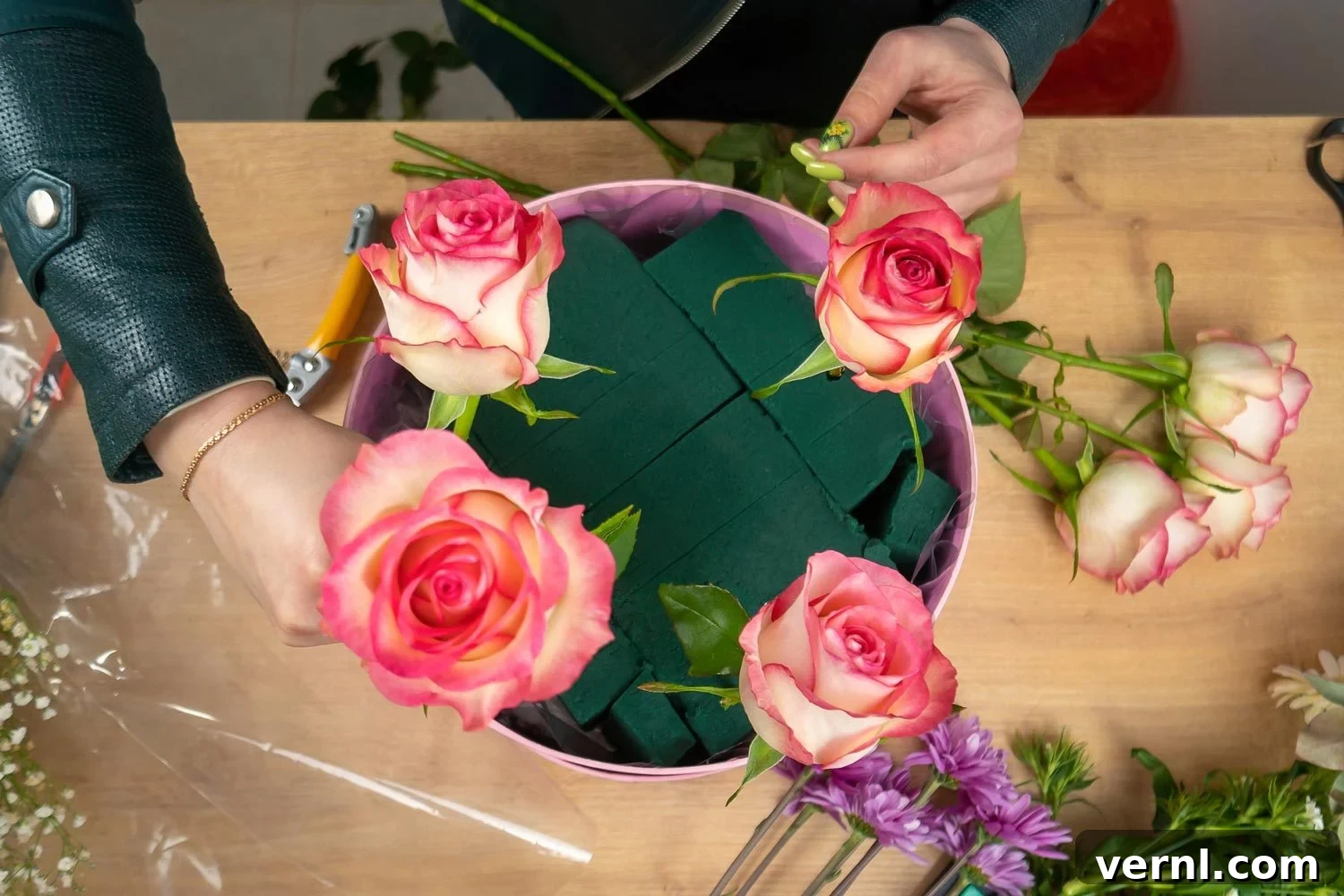
Since its inception in 1954, traditional floral foam has been an indispensable tool for florists across the globe, from seasoned professionals to enthusiastic hobbyist florists. Its convenience in holding stems in place and providing a water source made it an instant game-changer in the world of flower arranging. Indeed, a 2019 study conducted by the Royal Melbourne Institute of Technology in Australia highlighted its pervasive use, revealing that two-thirds of the 1,200 global florists surveyed regularly utilized this ubiquitous green material.
However, despite its widespread adoption and apparent utility, floral foam carries a significant environmental burden and poses potential health risks to those who frequently handle it. The growing awareness of these dangers has sparked a vital conversation within the floristry industry, urging a shift towards more sustainable and eco-conscious practices. This comprehensive guide will delve into the critical issues surrounding floral foam and introduce you to a diverse array of innovative, eco-friendly alternatives that are just as effective, if not more so, for all your flower styling needs.
Why Choose Sustainable Floral Foam Alternatives?
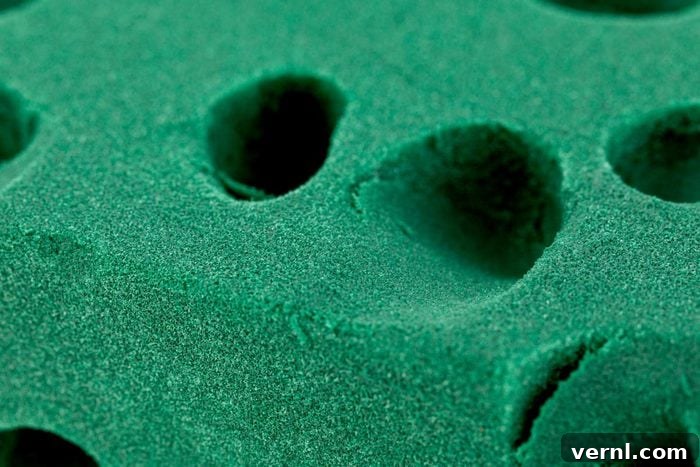
The decision to move away from traditional floral foam is driven by compelling environmental and health concerns. Understanding these impacts is the first step towards embracing a more responsible approach to floristry.
Environmental Impact: A Microplastic Menace
Traditional floral foam, often marketed as an inert product, is unequivocally detrimental to the environment. Far from being biodegradable, it is a single-use plastic product made from phenolic resins, surfactants, and other chemical agents. As detailed by floral experts like Koch and Bloom College, once used, floral foam does not naturally decompose. Instead, it breaks down into microscopic particles known as microplastics. These tiny fragments persist in our environment for hundreds, if not thousands, of years, contaminating soil, waterways, and oceans.
The analogy used by Bloom College, stating that one block of floral foam is “equal to ten plastic bags” in its polluting potential, powerfully underscores the severity of the problem. These microplastics are ingested by marine life, entering the food chain and eventually making their way into human diets. They contribute to the vast accumulation of plastic waste that chokes our planet, harms ecosystems, and disrupts biodiversity. Furthermore, the manufacturing process of floral foam is energy-intensive and often relies on petroleum-based resources, adding to its overall ecological footprint.
Health Concerns for Florists
Beyond its environmental footprint, floral foam harbors several known carcinogens and hazardous chemicals. These include formaldehyde, carbon black, and barium sulphates. While the quantities of these substances in a single block might be considered small, the risk lies in long-term, repeated exposure, particularly for professional florists who handle the material daily. As Bloom College rightly notes, “While the extremely small quantities [of these substances] found in single blocks are not harmful in small doses, long-term exposure could cause side effects.”
Florists cutting, soaking, and arranging flowers with foam can inhale dust particles and chemical fumes, or absorb substances through skin contact. This can lead to various health issues, including respiratory irritation, skin sensitivities, allergic reactions, and a heightened risk of more serious conditions over time. Prioritizing the health and safety of florists, alongside environmental stewardship, makes the transition to safer alternatives an imperative.
With these significant dangers in mind, it’s clear that opting for safe, effective, and sustainable floral foam alternatives is not just a trend but a responsible and necessary choice for the future of floristry.
Top Eco-Friendly Materials for Sustainable Floral Arrangements
Fortunately, the world of floristry offers a wealth of ingenious and natural alternatives to traditional floral foam. These materials not only reduce environmental harm but also provide creative freedom and often enhance the natural aesthetic of floral designs.
Chicken Wire: The Flexible Foundation
Chicken wire stands out as a highly recommended and versatile alternative among floral experts like Koch, Bloom College, and Flower Magazine. This humble material offers a remarkably sturdy yet flexible structure, making it ideal for creating complex and gravity-defying designs. Its ease of manipulation means it can be cut and sculpted to fit virtually any vase or container shape, and its mesh holes are perfectly spaced for slotting flower stems securely.
To use chicken wire, simply cut a piece slightly larger than your vase opening. Crumple or roll it into a loose ball, ensuring it’s compact enough to fit snugly inside your chosen vessel (a trick often employed is to fold in the sharp edges for safety). Place the wire ball inside a vase, pot, or even a repurposed garden container. For aesthetic purposes, an opaque vase is often preferred to conceal the wire structure. Once positioned, push your flower stems through the mesh openings until they firmly anchor and reach the water source at the bottom. This method allows for excellent water circulation and maximum hydration for your blooms.
A significant advantage of chicken wire is its reusability; it can be cleaned and repurposed for countless arrangements. When it eventually reaches the end of its life, it’s “biodegradable via corrosion” and can be recycled with scrap metal, solidifying its status as a truly eco-friendly option. For those seeking variations, wider mesh floral netting or hardware cloth can also be used, offering different levels of rigidity and stem support.
Note: Since the texture of chicken wire can be rough and scratchy, exercise caution when placing it in delicate or antique vases, as it could potentially scratch the interior surface over time. Consider adding a protective liner if using precious containers.
Flower Frogs (Kenzans): The Art of Ikebana
Flower frogs, or kenzans, are beautiful and practical tools with a rich history rooted in Ikebana, the ancient Japanese art of flower arranging. In recent years, their elegant design and exceptional reusability have propelled them to global popularity as a premier floral foam alternative. Kenzans typically consist of a heavy metal base adorned with numerous sharp, upright pins.
To utilize a flower frog, first ensure it is securely anchored to the bottom of your vase or flower pot. This is typically achieved using floral clay (a waterproof, sticky putty) or even hot glue for non-reusable containers. Once firmly in place, gently push the cut ends of your flower stems onto the frog’s pins. The pins pierce the stems, holding them upright and allowing them to absorb water efficiently from the reservoir below. This method provides superior structural integrity and ensures the flowers remain hydrated and vibrant for extended periods.
Flower frogs are an incredibly sustainable option. Made predominantly from metals like brass or lead, they are highly durable and can last a lifetime with proper care. They are fully recyclable with scrap metal and can even be re-purposed or remodeled, embodying the principles of a circular economy. Their discreet nature also allows for stunning, minimalist designs where the focus remains purely on the natural beauty of the flowers.
Water Vials: Targeted Hydration
Water vials are small, often inconspicuous containers made from recyclable plastic or sometimes glass. These ingenious little tubes are designed to provide targeted hydration to individual flower stems. Each vial is typically filled with water, and a small rubber or plastic cap with an aperture holds the stem tightly, preventing water leakage and keeping the bloom fresh and hydrated.
Water vials are incredibly versatile. They can be used independently to support single stems in more intricate designs, such as corsages, boutonnieres, or even cascading wedding bouquets, where direct access to a larger water source isn’t feasible. They are particularly effective when used in conjunction with other foam alternatives like chicken wire, allowing you to extend the reach of your arrangement or provide extra support and hydration to delicate or thirsty blooms within a larger structure. They are excellent for shipping flowers or for arrangements that need to travel, ensuring the flowers remain pristine.
While often made of plastic, choosing vials crafted from recycled or easily recyclable plastics minimizes their environmental impact. They are reusable if thoroughly cleaned, making them a practical addition to an eco-conscious florist’s toolkit.
Wood Wool: Rustic Charm and Support
Traditionally recognized as a robust packing material for delicate items like wine bottles and gourmet food, the fine floss of shredded timber fibers, known as wood wool, has found a remarkable second life in floral design. Much like its tougher household companion steel wool, wood wool creates a myriad of small, intricate holes and pathways that are perfect for securely poking through flower stems.
Beyond its structural capabilities, wood wool imparts a distinct aesthetic. As Bloom College aptly describes, it adds “that rustic, farm-fresh feel to your arrangements,” making it an excellent choice for natural, organic, and country-inspired designs. It’s naturally biodegradable, compostable, and sourced from renewable resources, aligning perfectly with sustainable floristry principles.
Pro Tip: For florists with a passion for more creative and sculptural designs, wood wool offers an exciting opportunity. Soak the wood wool thoroughly in water until it becomes pliable, then squeeze out the excess moisture. At this point, you can easily mold and shape it into the desired form before inserting your flower stems. This technique allows for unique, custom bases that are both functional and visually appealing.
Moss: The Natural Sponge
A generous lump of moss can perform wonders as a natural, biodegradable base for floral arrangements. Moss is an exceptional eco-friendly alternative due to its inherent ability to absorb and retain moisture, effectively acting as a living sponge for your flowers. It provides excellent grip for inserting stems and infuses any arrangement with an undeniable sense of earthiness and organic beauty.
Various types of moss can be employed: sphagnum moss is excellent for its water-retention properties, while sheet moss can be used for decorative wrapping. For best results and environmental responsibility, try to purchase live moss from reputable wholesalers or online suppliers who source it sustainably. To provide extra traction and structural integrity, especially for larger or heavier arrangements, wrap the moss tightly with twine, fishing line, or even chicken wire. Finished arrangements built upon moss bases exude a lush, natural, and truly earthy aesthetic, perfect for woodland themes, terrariums, or arrangements that aim to highlight botanical authenticity.
Additional Innovative Alternatives for Floral Design
- Floral Tape and Grids: Simple yet effective, clear floral tape can be crisscrossed over the opening of a vase to create a grid that supports stems individually. This minimalist approach is perfect for sleek, modern designs and allows for precise placement.
- Twigs and Branches: For a truly rustic and organic feel, intertwine sturdy twigs or slender branches within a vase to form a natural lattice. This method works beautifully with naturalistic arrangements, offering both support and a decorative element.
- Pebbles, Sand, and Glass Marbles: These materials provide weight and stability at the base of a vase, anchoring stems firmly. While they don’t provide hydration directly to the stems (which must still reach water), they are excellent for upright support and adding visual interest to clear containers.
- Agar-Agar or Gelatin: For short-term display, biodegradable gelling agents like agar-agar (a seaweed derivative) or plain gelatin can be used. When prepared, they create a translucent, jelly-like substance that holds stems in place and provides moisture. This is an interesting option for temporary art installations or experimental designs.
Tips for Crafting Long-Lasting Arrangements Without Foam
Transitioning to foam-free floristry not only benefits the planet but also encourages a deeper understanding of flower care. Here are essential tips to ensure your sustainable flower arrangements stay fresh and vibrant for as long as possible:
- Embrace Creative DIY Methods: Unleash your inner innovator! Utilize whatever is at hand that can provide structure and allow stems to reach water. Unconventional bases like hollowed-out gourds, fruits such as watermelons or pumpkins, or even unique pottery can be used. While not always long-lasting themselves, these unexpected containers certainly draw attention and offer unique design opportunities for special events.
- Handcrafted Containers: Consider making your own unique containers. Crafting clay pots, weaving jute baskets, or creating papier-mâché vases adds a deeply personal and sustainable touch to your arrangements. These bespoke vessels can be designed to perfectly complement your foam-free mechanics.
- Natural Vase Fillers for Stability: For arrangements in clear vases, materials like sand, pebbles, decorative marbles, wood shreds, natural willows, or artfully arranged twigs placed inside can create incredibly sturdy and long-lasting flower foundations. These fillers weigh down the stems, keep them upright, and allow for maximum water contact, all while adding textural and visual appeal.
- Leverage Fluffy Foliage as a Natural Grid: Don’t underestimate the power of natural elements! Dense, fluffy foliage cut from your garden or purchased from suppliers can be strategically placed within your vase to create a natural, interwoven “grid.” This organic network effectively holds flower stems in place, acting as an eco-friendly alternative base and adding lush greenery to your design.
- Proper Stem Preparation: Always cut flower stems at a 45-degree angle under water (if possible) to maximize their surface area for water absorption and prevent air bubbles from blocking water uptake. Remove any leaves that would fall below the waterline in your vase, as submerged foliage can decompose, introducing bacteria that foul the water and shorten the life of your flowers.
- Regular Water Changes: Without the continuous chemical saturation found in floral foam, changing the water in your vase every one to two days is crucial. Use fresh, cool water and, if desired, add a commercial flower food packet to provide essential nutrients and inhibit bacterial growth.
- Strategic Placement: To extend the life of your foam-free arrangements, place them away from direct sunlight, heat sources (like radiators or fireplaces), and ripening fruit, all of which can accelerate wilting. A cool, shaded spot is ideal.
Frequently Asked Questions About Floral Foam Alternatives
Are floral foam alternatives effective for large arrangements?
Absolutely. Many sustainable, biodegradable, and environment-friendly floral foam alternatives are remarkably effective for large and elaborate arrangements. Methods and products such as chicken wire and kenzans (flower frogs) inherently possess strong structural properties that can support substantial flower bunches and heavy foliage. Additionally, natural materials like moss, when properly secured, can retain a significant amount of water over time, helping the arrangement last longer and maintain its grandeur. Creative combinations of these alternatives often yield the best results for grand designs.
What should I do with the floral foams I used earlier?
Given that traditional floral foam is not biodegradable and breaks down into harmful microplastics, the most responsible action for foams you have already used is to dispose of them in a general landfill. It is critically important to ensure that foam dust, crushed floral foam particles, or even larger pieces do not enter water pipes, sinks, drains, or any natural water bodies near or around your home or workspace. Proper disposal helps to prevent further microplastic contamination of our precious aquatic ecosystems.
What are bio-based floral foams? Are they safe?
In response to growing environmental concerns, a few companies have begun producing “compostable,” “biodegradable,” or “bio-based” floral foam alternatives. These products aim to offer a more sustainable option, often claiming to decompose more readily than traditional foam. While they represent a step in the right direction, it’s essential to scrutinize their claims and compositions carefully. Many are still derived from non-renewable resources, and their biodegradability often requires very specific industrial composting conditions that are not universally available. While potentially safer than traditional foam, they may not be a perfect solution. This innovation, however, provides a great opportunity for florists to become even more creative and continue exploring truly natural, truly eco-friendly, and infinitely reusable methods for flower arranging.
Is floral foam banned?
Currently, traditional floral foam is not universally banned, though there is growing support and advocacy for its prohibition in many regions. The movement towards eliminating floral foam is gaining significant momentum within the floristry industry, driven by environmental awareness and consumer demand for sustainable practices. Many eco-conscious florists, industry associations, and floral agencies have proactively stopped using traditional floral foams and have successfully switched to alternative, sustainable products and techniques for all their flower arrangements, demonstrating that foam-free floristry is not only possible but also thriving.
How do I check if my product is eco-friendly?
To determine if a product genuinely aligns with eco-friendly principles, you need to ask a few fundamental questions about its lifecycle and composition. Firstly, inquire about the raw materials used in its manufacturing: are they natural, renewable, and sustainably sourced? Secondly, understand what happens to the product once its intended lifecycle ends: does it degrade naturally, compost, or can it be effectively recycled? By posing these critical questions about any product you consider, you will gain a clear understanding of its true environmental impact and make informed, responsible choices for your floral practice.
Sources:
- Blooming Haus: “The Impact of Floral Foam on Our Environment & Suggested Green Alternatives”
- Science Daily: “Floral foam adds to microplastic pollution problem”
- Sustainable Floristry Network: “Floral Foam – The Facts”
- Sustainable Floristry Network: “Floral Foam Alternatives”
- Koch Blog: “What are alternatives to floral foam?”
- Bloom College: “What Are The Best Floral Foam Alternatives?”