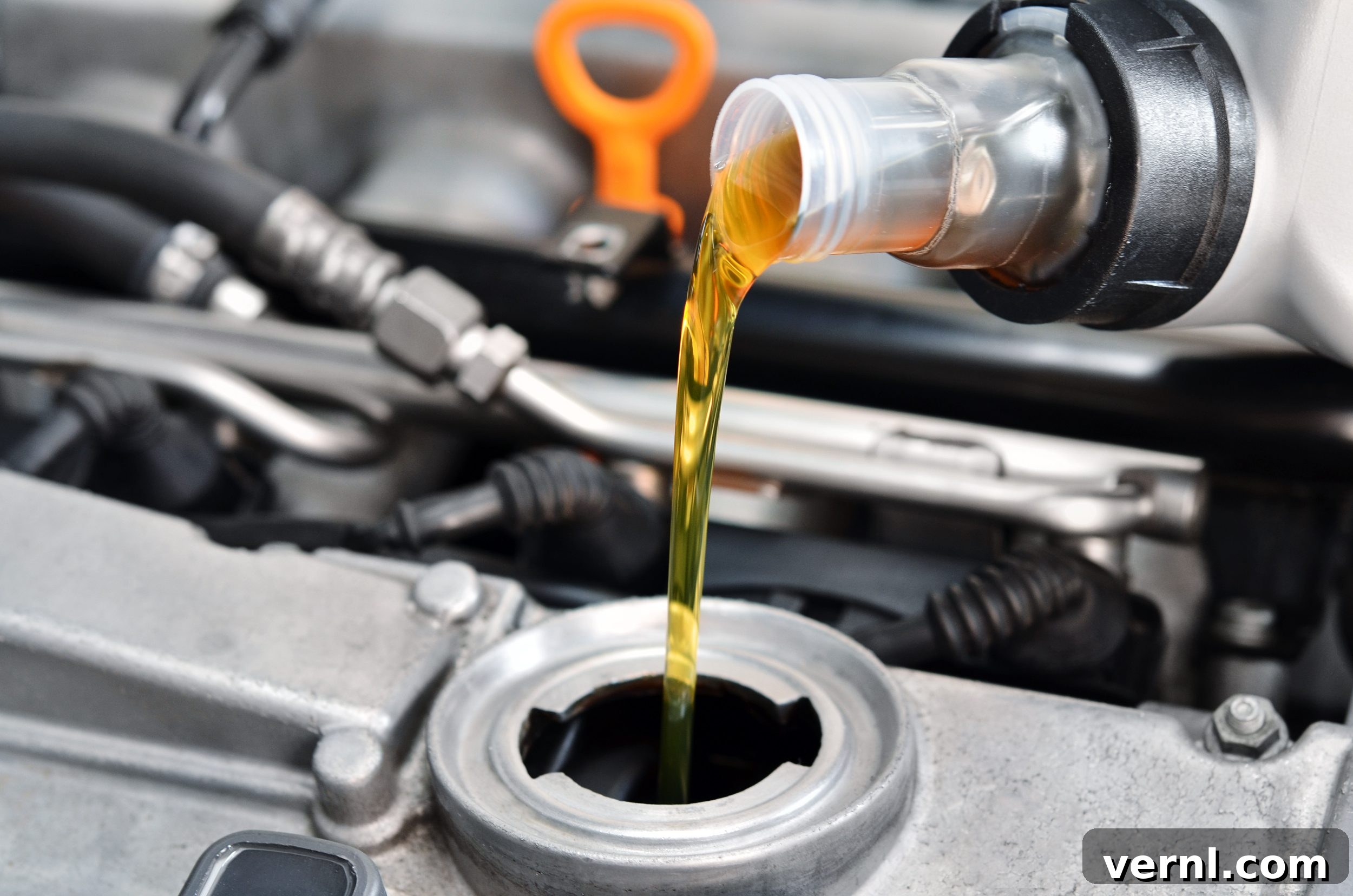
Auto repair is often seen as a challenging, messy, and sometimes frustrating endeavor. For many car owners, the sheer complexity and potential for grime lead them to entrust their vehicles to skilled professionals. While I generally subscribe to this philosophy, there are certain maintenance tasks I’ve always preferred to handle myself, such as replacing brake pads and performing an oil change.
However, my recent vehicle purchase introduced a new challenge. My current car is built significantly lower to the ground, rendering the oil drain plug almost inaccessible for a DIY enthusiast like myself. This unexpected design quirk prompted a reevaluation of my personal approach to routine car maintenance. It made me ponder: was the effort and mess of a DIY oil change truly saving me enough to justify the inconvenience, especially when considering other maintenance aspects?
The reality is, the actual time and labor saved by performing an oil change myself might not be as substantial as it seems, particularly when compared to more involved tasks like changing brake pads. While there’s a definite cost saving on labor, the overall convenience and added value of professional service have shifted my perspective.
These days, my car heads straight to the dealer for its regular oil change service. Yes, the cost, typically around $140, is higher than what a quick-lube shop might charge. But this premium price often encompasses a comprehensive package, including essential services like tire rotation and a thorough multi-point inspection—benefits that specialized oil change centers typically don’t offer.
Ultimately, nothing contributes more significantly to your car’s engine health and longevity than adhering to the manufacturer’s recommended oil change intervals. For me, the peace of mind and the added value derived from a professional service center make it a worthwhile investment, whether those valuable extras are explicitly included or not. It’s about ensuring the heart of your vehicle continues to perform optimally for years to come.
The Undeniable Importance of Regular Oil Changes
An oil change might seem like a simple and straightforward task, but it is, without a doubt, one of the most critical aspects of vehicle maintenance. Engine oil plays a multifaceted role, acting as the lifeblood of your car’s engine. Understanding its functions underscores why regular changes are non-negotiable for any car owner.
Firstly, engine oil serves as a lubricant, reducing friction between moving parts like pistons, camshafts, and valves. Without adequate lubrication, these components would grind against each other, generating immense heat and leading to rapid wear and eventual engine failure. Fresh oil maintains a protective film, ensuring smooth operation and minimizing abrasive contact.
Secondly, oil acts as a coolant. While the cooling system primarily manages engine temperature, oil also absorbs heat from critical engine components, helping to dissipate it throughout the engine block and sump. Old, degraded oil loses its ability to transfer heat efficiently, contributing to overheating.
Thirdly, engine oil cleans the engine. As oil circulates, it picks up dirt, sludge, metal particles, and other contaminants that are byproducts of combustion and normal engine wear. These impurities are suspended in the oil and eventually trapped by the oil filter. Over time, the oil becomes saturated with these contaminants, turning dark and losing its effectiveness. A fresh oil change removes these harmful particles, preventing them from recirculating and causing damage.
Finally, oil helps seal the engine, particularly around the piston rings. This sealing action maintains compression, which is vital for engine power and fuel efficiency. Degraded oil can compromise this seal, leading to reduced performance and increased emissions.
Neglecting regular oil changes can lead to a cascade of problems: decreased fuel efficiency, reduced engine performance, increased emissions, costly repairs, and ultimately, a significantly shortened engine lifespan. Adhering to manufacturer guidelines for oil changes is not just a recommendation; it’s an essential commitment to your vehicle’s health and your wallet.
How Much Does an Oil Change Really Cost?
The cost of an oil change is not a fixed figure; it varies significantly based on several factors, making it challenging to pinpoint an exact price without considering the specifics of your vehicle and service choice.
According to CarTalk’s comprehensive 2023 survey of national service centers, you might find enticing offers starting as low as $20 at chains like Jiffy Lube and Pep Boys. However, these baseline prices often come with a caveat. These shops are well-known for offering a suite of additional services, such as coolant exchange, cabin air filter replacement, and underbody lubrication. While not always explicitly stated, it’s common for the lowest advertised oil change price to be part of a larger service package designed to encourage additional purchases. Always clarify what’s included in the advertised price to avoid surprises.
For a broader perspective on national averages, Kelley Blue Book provides a useful benchmark. Across the United States, a conventional oil and filter change typically ranges from $35 to $75. If your vehicle requires synthetic oil, which is increasingly common for modern engines, the price bracket widens to between $65 and $125. These figures generally include the cost of a new oil filter, an essential component that works in tandem with the fresh oil to keep your engine clean.
It’s crucial to understand that these are average ranges. The final price you pay will depend on your specific circumstances, as detailed in the following sections. Being informed about these variables will empower you to make more cost-effective decisions regarding your vehicle’s maintenance.
Factors That Influence the Cost of Your Oil Change
Despite the seemingly simple nature of an oil change—often completed so swiftly you barely need to exit your vehicle—a multitude of elements contribute to its final cost. A typical process involves pulling your car over a service bay, where an attendant accesses the engine from above and below. They’ll open the hood, remove the oil cap, drain the old oil into a holding tank, and replace the old filter with a new one. Once the drain plug is secured and the new filter is in place, fresh oil is poured in, the cap is replaced, and the hood is closed. While this process might sound quick, the underlying components and service environment significantly impact the price.
Here are the key factors that determine how much you’ll pay for this essential service:
- Your Geographic Location: Automobile service costs, much like the cost of living, are subject to regional variations. Expect to pay more for an oil change in metropolitan areas with higher overheads, such as bustling urban centers in California or New York, compared to rural areas or regions with lower operating expenses. These differences reflect labor costs, rent, and local market demand.
- Engine Oil Capacity: Not all engines are created equal in terms of oil volume. Smaller, more compact engines, often found in subcompact cars, might require as little as 3.5 quarts of oil. Conversely, larger engines in trucks, SUVs, or high-performance sports cars can demand six, eight, or even more quarts. Naturally, a higher volume of oil translates directly to a higher material cost for the service.
- Type of Engine Oil: This is one of the most significant cost differentiators.
- Conventional Oil: Derived from crude oil, it’s the most basic and least expensive option. It’s suitable for older vehicles or those with less demanding engine requirements.
- Synthetic Blend Oil: A mix of conventional and synthetic oils, offering some of the benefits of synthetic oil at a lower price point. It provides better protection and performance than conventional oil.
- Full Synthetic Oil: Chemically engineered for optimal performance, stability, and protection. It’s more expensive but offers superior lubrication, better resistance to temperature extremes, and extended drain intervals. Many modern and high-performance vehicles explicitly require full synthetic oil.
- High-Mileage Oil: Designed for vehicles with over 75,000 miles, this oil contains conditioners and seal swell agents to help reduce oil leaks and consumption in older engines.
The type of oil your manufacturer recommends or your vehicle’s age and condition requires will significantly impact the price.
- Oil Viscosity: Viscosity refers to an oil’s resistance to flow, impacting its performance at different temperatures. Oils are graded (e.g., 10W-30, 0W-20, 20W-50). While the price difference between various viscosities might be small, it is noticeable. For instance, a low-viscosity oil like 0W-20, common in many new vehicles for fuel efficiency, might have a different price point than a higher-viscosity 20W-50 often used in older or high-performance engines. Always use the viscosity recommended by your vehicle manufacturer.
- Brand of Oil: Just like any consumer product, engine oils come in various brands, each with its own pricing strategy. Premium brands like Mobil 1, Pennzoil Platinum, or Castrol EDGE often command higher prices due to their advanced formulations and marketing. More budget-friendly options might include Valvoline or Quaker State. Choosing a premium brand might, in some cases, allow for slightly extended oil change intervals, but this should always be balanced against manufacturer recommendations and specific product specifications.
- Service Provider (Dealership vs. Lube Shop vs. Independent Mechanic): Where you get your oil changed plays a critical role in the cost.
- Dealerships: Typically the most expensive option. They use OEM (Original Equipment Manufacturer) parts and oils specific to your vehicle’s brand and often employ factory-trained technicians. The higher cost often includes comprehensive inspections and service records that can be beneficial for warranty purposes or resale value.
- Quick Lube Shops: Such as Jiffy Lube or Valvoline Instant Oil Change, are designed for speed and convenience, often without an appointment. They tend to be more affordable than dealerships but may use generic oils and filters, and their multi-point inspections might be less thorough.
- Independent Mechanics: Often offer a middle-ground in terms of pricing and service quality. They typically have lower overheads than dealerships, allowing for more competitive pricing, and can provide personalized service. They might offer a range of oil and filter options.
It is almost always cheaper to get your oil changed at a quick-lube shop or an independent mechanic than at a dealership, though the added value from a dealership service might justify the higher price for some owners.
Understanding these variables allows you to make an informed decision that balances cost, convenience, and the specific needs of your vehicle.
Smart Strategies to Save Money on Oil Changes
While an oil change is an indispensable part of car maintenance, there are several smart strategies you can employ to potentially reduce the financial outlay without compromising your engine’s health.
DIY Oil Change: Is It Worth Your Time and Effort?
For the mechanically inclined, or those looking to genuinely save, performing your own oil change is certainly an option. The primary saving comes from eliminating labor costs. Kelley Blue Book estimates the average cost of conventional oil to be around $30 per vehicle. By doing it yourself, you could potentially save anywhere from $5 to $40 on a conventional oil change, factoring in the cost of a new filter and potentially a drain pan.
For vehicles requiring synthetic oil, the potential savings are even greater. Synthetic oil itself typically costs around $45 for the required volume. Since labor costs for synthetic oil changes are often higher at service centers due to the oil’s premium price and sometimes longer service intervals, DIYing a synthetic oil change could save you between $20 and $80.
However, the decision to DIY isn’t just about monetary savings. You must also consider the time involved, the need for specific tools (a wrench, drain pan, jack stands, oil filter wrench, and funnels), and the crucial aspect of proper used oil disposal. Used engine oil is a hazardous waste and must be recycled responsibly at an authorized facility. If you’re not comfortable crawling under your car or dealing with messy oil, the modest savings might not outweigh the inconvenience or potential for error.
Shopping Around and Leveraging Deals
If DIY isn’t your preferred route, the next best strategy is to become a savvy shopper.
- Compare Prices: Don’t just go to the first place you see. Call different quick-lube shops, independent mechanics, and even dealerships in your area to compare their prices for the specific type of oil your car requires.
- Look for Coupons and Promotions: Many service centers, especially quick-lube chains, frequently offer discounts, coupons, or bundled deals on oil changes. Check their websites, local mailers, or online coupon sites before you go.
- Loyalty Programs: Some service providers offer loyalty programs where after a certain number of oil changes, you might get one free or at a significant discount.
- Choose Wisely (Oil Brand): If offered a choice of oil brands, and your vehicle manufacturer doesn’t specifically mandate a premium brand, opting for a less expensive but still reputable brand can yield minor savings.
- Bundled Services: Sometimes, an oil change bundled with a tire rotation or other minor inspection might offer better overall value than paying for each service individually, particularly if your vehicle is due for those additional checks anyway.
Extending Oil Change Intervals: A Modern Approach
The traditional recommendation for oil changes was often every 3,000 miles or three months. While this was a safe bet for older engines and conventional oils, modern automotive engineering and advanced oil formulations have significantly altered this guideline.
Many modern vehicles, especially those utilizing full synthetic oil, can safely go 7,500 miles, 10,000 miles, or even more between changes. Some manufacturers specify even longer intervals under ideal driving conditions. This shift is due to several advancements:
- Improved Engine Design: Tighter tolerances and more efficient combustion in newer engines lead to less contamination of the oil.
- Advanced Oil Formulations: Synthetic oils, in particular, are much more resistant to thermal breakdown, oxidation, and sludge formation than conventional oils. They maintain their protective properties for longer periods.
- Oil Life Monitoring Systems: Many contemporary vehicles are equipped with sophisticated oil life monitoring systems that dynamically assess driving conditions, engine operating temperatures, and other factors to determine the optimal time for an oil change. Instead of relying on a fixed mileage interval, these systems notify you when the oil’s effectiveness has diminished.
Always consult your vehicle’s owner’s manual to understand the manufacturer’s recommended oil change interval and the specific type of oil required. Following these guidelines, potentially extending intervals beyond the outdated 3,000-mile rule, can lead to substantial savings over the lifespan of your vehicle without harming your engine. It’s an environmentally friendly practice too, as it reduces the consumption of new oil and the generation of used oil.
By combining these strategies—whether it’s getting your hands dirty, being a smart consumer, or simply trusting modern automotive technology—you can effectively manage the cost of essential oil changes.
Choosing the Right Service Provider for Your Oil Change
Deciding where to get your oil changed is as important as getting it done regularly. Each type of service provider—dealerships, quick-lube shops, and independent mechanics—offers a distinct set of advantages and disadvantages.
Dealerships
Pros:
- Specialized Expertise: Technicians are factory-trained and specialize in your vehicle’s specific make and model. They know the intricacies of your engine best.
- OEM Parts: They use genuine Original Equipment Manufacturer (OEM) oil filters and recommended oils, ensuring perfect compatibility and performance.
- Comprehensive Inspections: Dealerships often include thorough multi-point inspections that can catch potential issues early, contributing to your vehicle’s overall health and safety.
- Service Records: Maintaining a full service history with the dealership can be beneficial for warranty claims and can enhance resale value.
Cons:
- Higher Cost: Generally the most expensive option due to specialized labor, genuine parts, and higher overheads.
- Appointment Needed: Often require appointments, which may not be convenient for immediate service needs.
Quick-Lube Shops
Pros:
- Convenience and Speed: Designed for rapid service, often without an appointment. You can usually drive in and out quickly.
- Lower Cost: Typically the most affordable option, especially for conventional oil changes, and often have enticing promotions.
Cons:
- Less Specialized: Technicians may not have specialized training for all vehicle makes and models.
- Upselling: Known for aggressive upselling of additional services, some of which may not be immediately necessary.
- Generic Products: May use generic or house-brand oil filters and oils, which might not always meet OEM specifications for all vehicles.
- Less Thorough Inspections: Multi-point inspections are often basic and may not uncover deeper issues.
Independent Mechanics
Pros:
- Balanced Cost: Often offer a good balance between the lower prices of quick-lube shops and the expertise of dealerships.
- Personalized Service: You can build a relationship with a trusted mechanic who gets to know your car over time.
- Flexibility: Many independent shops are more flexible with appointments and can often accommodate specific requests regarding oil brands or filter types.
- Good Value: Can provide quality service using reputable aftermarket parts and oils that meet or exceed OEM specifications.
Cons:
- Varying Quality: The quality of service can vary significantly between shops. Research and referrals are crucial.
- Less Specialization: While knowledgeable, they might not have the same in-depth, brand-specific training as dealership technicians.
When making your choice, consider your vehicle’s age, its warranty status, your budget, and your personal preference for convenience versus comprehensive service. For new vehicles under warranty, dealerships might be preferable. For older, out-of-warranty cars, an independent mechanic or a reputable quick-lube shop could be more cost-effective. Always ensure the chosen service provider uses the correct type and viscosity of oil for your vehicle as specified in your owner’s manual.
Conclusion: Prioritizing Engine Health for Long-Term Savings
Regular oil changes are undeniably the cornerstone of responsible vehicle ownership and preventative maintenance. While the initial thought might be to minimize the cost of this routine service, understanding the profound impact fresh engine oil has on your car’s performance, longevity, and overall reliability can shift your perspective from a mere expense to a critical investment.
Whether you choose the hands-on approach of a DIY oil change, the convenience of a quick-lube shop, or the comprehensive care of a dealership, the key is consistency and adherence to manufacturer recommendations. Ignoring oil change intervals or using substandard oil can lead to accelerated engine wear, decreased fuel efficiency, and ultimately, far more expensive repairs down the road.
By being informed about the factors affecting oil change costs, exploring various service options, and leveraging modern advancements like extended oil change intervals for synthetic oils, you can make intelligent decisions that protect your vehicle’s most vital component. Investing a little time and money in regular, quality oil changes will pay dividends in the form of a reliable, high-performing vehicle and significantly lower long-term ownership costs. Drive smart, maintain well, and enjoy the journey with a healthy engine under the hood.