
In recent years, global events have dramatically highlighted our collective reliance on everyday commodities, none more surprisingly than toilet paper. From the unprecedented shortages of the COVID-19 lockdown to the more recent panic buying spurred by supply chain disruptions, the simple act of “stocking up” has become a recurring stressor. Yet, amidst these cycles of scarcity and concern, a more elegant, hygienic, and sustainable solution has quietly been gaining traction: the bidet.
My own journey to bidet advocacy began years ago, long before the chaos of empty store shelves. After outfitting my toilet with an inexpensive bidet attachment, I quickly discovered a profound shift in my bathroom routine. A single roll of toilet paper, once a weekly necessity, now lasts for months – even years, if not for the occasional bidet-averse visitor. This stark contrast often leaves me perplexed: why, especially in modern Western societies like California, is there such a widespread reluctance to adopt this superior method of personal cleaning?
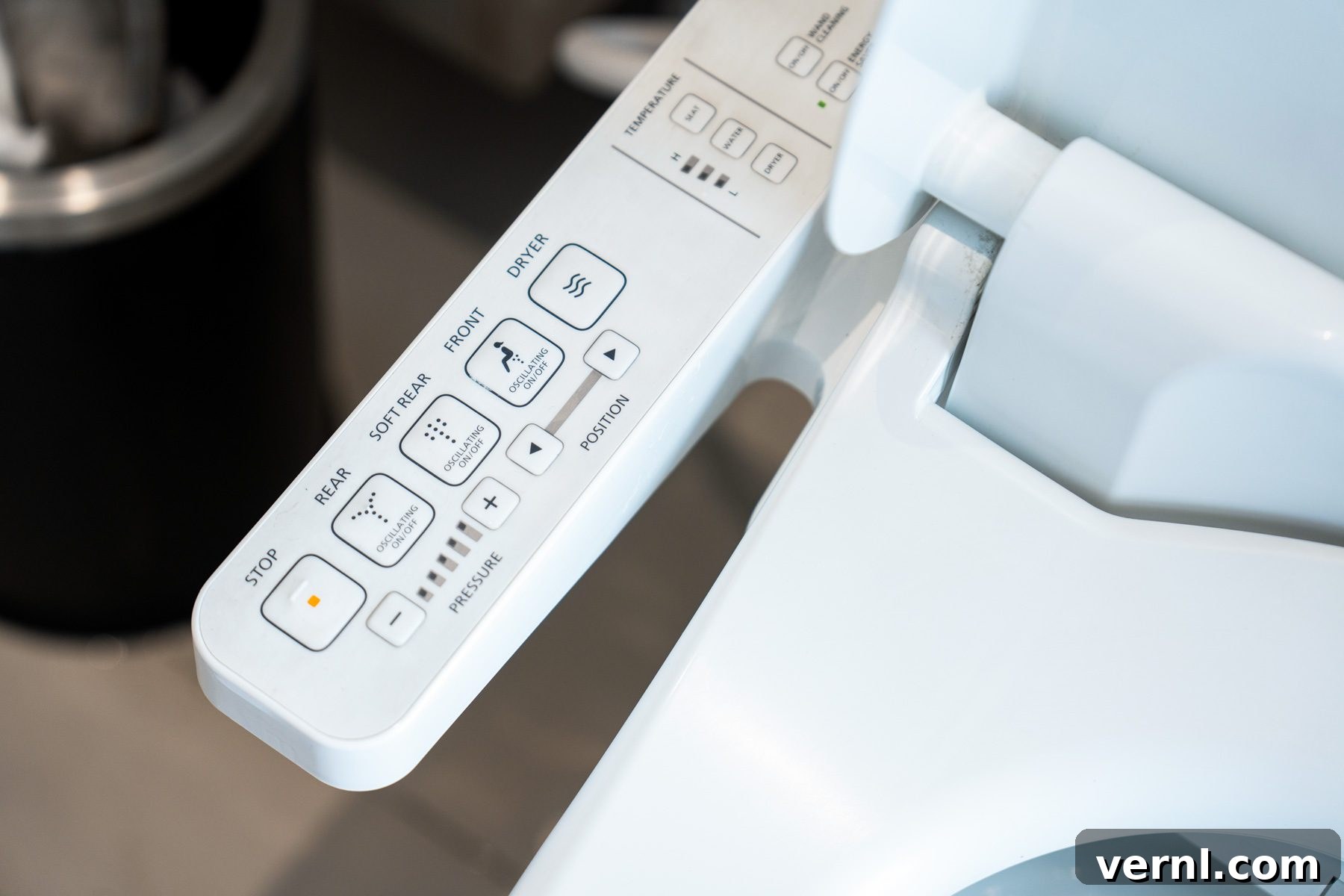
The hesitation often stems from misconceptions. Some worry about cold water, others about the perceived messiness, but primarily, it appears to be a deeply ingrained habit. Having lived in Japan for a decade, where bidets (known as “washlets”) are ubiquitous and highly sophisticated, I witnessed firsthand the ease and acceptance of water-based cleaning. Japanese washlets often feature warm water, soothing drying air, deodorizing puffs, and even discreet melodies to ensure complete privacy. While these luxurious features certainly enhance the experience, it’s worth noting that even in Japan, the habit of using toilet paper persists for many. This underscores that the barrier isn’t just about technology; it’s about cultural familiarity and overcoming traditional norms.
For millennia, people worldwide have maintained impeccable hygiene without the need for toilet paper. My personal experience in India taught me the simple effectiveness of water, and I recall a poster in a Thai restroom eloquently advocating for washing, specifically targeting Western tourists. The message was clear: washing is not just an alternative; it is often the preferred and most effective method.
Today, with the advent of easy-to-install, affordable bidet attachments, there has never been a better time to reconsider your bathroom habits. These modern devices offer a convenient, soothing, and far more sanitary alternative to wiping, even if the water isn’t always pre-heated. It’s time to reserve the panic buying for truly essential items and embrace a cleaner, smarter approach to personal care.
To Wash or to Wipe? The Unquestionable Case for Water
The practice of using toilet paper can be traced back to the Zhou Dynasty in China (618-907 AD). This innovation significantly improved upon earlier methods, which ranged from using natural materials like leaves and stones, to man-made options such as cloth or sticks, and even shared communal sponges on sticks, as was common in ancient Rome. These wiping techniques emerged from a necessity born of water scarcity. However, while toilet paper was a significant step forward from its predecessors, the fundamental question remains: is wiping truly superior to washing with water?
Contemporary medical and hygiene research overwhelmingly suggests otherwise. A paper published by the Journal of Clinical Gastroenterology and Hepatology Research, among many other sources, highlights several critical reasons why washing with water is a far more effective and hygienic practice than traditional wiping:
- Superior Cleanliness: Wiping, regardless of how meticulously performed, almost invariably leaves behind residual fecal matter. This is due to the abrasive nature of paper and the inherent limitations of physical wiping. Water, on the other hand, thoroughly rinses away all traces, ensuring a genuinely clean and fresh feeling. Proper washing leaves no residue, significantly reducing the risk of irritation, odor, and bacterial presence.
- Reduced Risk of Contamination and Disease Spread: After wiping, cleaning hands is an absolute necessity to prevent the spread of bacteria and disease. Unfortunately, hand hygiene compliance is not always optimal, leading to potential health risks. While hand washing is still crucial after using a bidet, a bidet significantly reduces direct hand-to-fecal matter contact, thereby minimizing contamination risk. For users who employ a bidet without direct hand contact, the hands remain entirely clean throughout the process.
- Prevention of Skin Irritation and Injury: The repeated friction and abrasive action of toilet paper can lead to skin irritation, chafing, and even exacerbate conditions like hemorrhoids. This is particularly true for individuals with sensitive skin or existing rectal issues. While wet wipes can mitigate some of this friction, they often contain chemicals that can cause further irritation or allergic reactions. Washing with a gentle stream of water is non-abrasive, soothing, and drastically reduces the likelihood of such injuries and discomfort. It provides a far more gentle and therapeutic cleansing experience.
The Evolution of the Bidet: From Separate Fixture to Smart Attachment
While the concept of using water for post-toilet hygiene has been common in regions like India and Pakistan for centuries, the challenge often lay in making the practice more convenient and less reliant on direct hand contact. The invention of the bidet effectively addressed this issue, mechanizing the cleaning process with a stream of water, controlled simply by a dial or button, thereby eliminating the need for hands-on cleaning.
The bidet, as we know it, is a fascinating French invention, first appearing in the 17th century – predating the widespread use of toilet paper. For centuries, the bidet was a standalone, toilet-shaped unit, separate from the primary toilet. Users would first use the toilet, then move to the bidet for cleansing, an often awkward and space-consuming two-step process. This design limited its adoption, particularly in smaller bathrooms or cultures less familiar with the practice.
The true revolution in bidet technology came in the 1980s with Japanese manufacturer Toto. They introduced the “washlet,” a bidet-style toilet seat that integrated the washing function directly into the toilet itself. This innovation was transformative, eliminating both the need for direct hand contact and the inconvenient transfer to a separate fixture. Washlets offered unparalleled convenience, often incorporating features like warm water, adjustable spray, and air drying. However, they were initially expensive, often costing as much as a new toilet, and not widely available outside of Japan, only making their way to the United States in the 1990s.
Fortunately, bidet development continued to progress rapidly. The COVID-19 pandemic, with its heightened focus on sanitation, hygiene, and the aforementioned toilet paper shortages, spurred a new wave of innovation. Manufacturers began introducing simple, affordable bidet attachments that homeowners could easily install onto their existing toilets. These modern attachments brought the benefits of water-based cleaning to a much wider audience, making superior hygiene accessible, inexpensive, and incredibly easy to use.
Embracing Eco-Friendly Practices: The Bidet’s Environmental Edge
Beyond personal hygiene, the environmental impact of toilet paper production is a critical concern that often goes overlooked. According to various environmental organizations, an astonishing 27,000 trees are cut down daily to satisfy the global demand for toilet paper. This equates to nearly 10 million trees annually, a devastating rate of deforestation that directly contributes to climate change and habitat loss. The Natural Resources Defense Council (NRDC) has explicitly warned that toilet paper production is helping to fuel the climate crisis through deforestation and energy-intensive manufacturing processes.
Shifting from toilet paper to a bidet offers a simple yet powerful way for individuals to reduce their ecological footprint. By significantly decreasing reliance on paper products, bidet users directly contribute to conserving forests, reducing water consumption needed for paper manufacturing, and cutting down on the energy and chemicals (like chlorine bleach) used in paper processing and transportation. This single change in bathroom habits represents a meaningful step towards sustainable living.
Of course, water conservation is another vital environmental concern, particularly in arid regions. However, the water usage of a bidet is remarkably minimal. A single bidet use typically consumes only about one cup (or less) of water. To put this into perspective, if you have a modern low-flush toilet (which uses around 1.6 gallons per flush), using a bidet for an entire week amounts to roughly the equivalent of one extra toilet flush. When weighed against the massive environmental cost of toilet paper – from tree felling and pulp processing to manufacturing, packaging, and transport – the small amount of water used by a bidet is a highly favorable trade-off for a significantly greener planet.
Choosing Your Perfect Bidet: A Guide to Modern Options
The market for bidets and washlets has expanded considerably, offering a range of options to suit every need, budget, and bathroom setup. While the term “bidet” generally refers to any device that cleans with water, “washlet” specifically denotes the more advanced, often electronic, bidet toilet seats popularized by brands like Toto.
When it comes to high-end, feature-rich washlets, Toto remains the undisputed market leader. Their products offer luxurious amenities such as heated seats, warm water, air dryers, deodorizers, and customizable spray settings. However, washlets are complete toilet seat replacements, meaning they may not fit every toilet model perfectly. Furthermore, because they provide advanced features like water heating and air drying, most washlets require an electrical outlet near the toilet, which isn’t always available in every bathroom. For those seeking a simpler, more universally compatible, and often more budget-friendly solution, several manufacturers offer much simpler bidet attachments that do not require external power.
Tushy
The Tushy Classic 3.0 (typically priced between $100 and $130) is a popular choice for its blend of design elegance and effective functionality. This non-electric bidet attachment features a self-cleaning nozzle and an intuitive adjustable knob that allows users to precisely control both water pressure and spray angle. I’ve had the opportunity to install one of these at a friend’s house and was thoroughly impressed by its robust, high-pressure spray and its sleek, minimalist design, which integrates well into most modern bathrooms.
Brondell
Brondell offers a range of bidet options, including the highly affordable and functional Brondell Fresh Spa ($28). This is the model I personally installed on my own toilet. It shares many features with higher-priced models, including a responsive control knob for adjusting water pressure and spray. While it may not deliver the same high-pressure spray as some more expensive units, it performs its primary function admirably, providing effective and comfortable cleaning. For its price point, it delivers excellent value.
For those interested in the comfort of warm water without investing in a full electronic washlet, Brondell also manufactures the Omigo Element + ($40). This model provides heated water, significantly enhancing the bidet experience. However, it’s important to note that the Omigo Element + requires a hot water connection, typically from an adjacent sink. This dependency means it’s not suitable for every bathroom, especially if the sink is not conveniently located near the toilet or if plumbing modifications are not feasible.
Luxe
The Luxe Neo 120 ($39) offers an appealing option that costs slightly more than the Brondell Fresh Spa but justifies the extra expense with enhanced control. This model features two distinct control knobs: one for precisely adjusting water pressure and another for controlling the direction of the spray. The directional control is a particularly valuable feature, allowing users to achieve a more thorough and targeted cleaning without having to shift their body position on the seat, which can be a common minor inconvenience with single-knob models.
Effortless Installation: Setting Up Your Bidet in Minutes
One of the most appealing aspects of modern bidet attachments is their remarkable ease of installation. You don’t need to be a plumbing expert or even particularly handy to set one up. Most bidet attachments are designed for a quick, DIY installation that can typically be completed in under 10-15 minutes, requiring only a few basic tools like a wrench. Each new bidet attachment comes complete with a T-adapter (also known as a tee-connector) that allows you to seamlessly connect it to your existing toilet’s water supply line.
Here’s a step-by-step breakdown of the incredibly simple installation procedure:
- Preparation: Begin by turning off the water supply to your toilet at the shutoff valve, usually located on the wall behind the toilet. Flush the toilet to drain the tank and bowl as much as possible, relieving any remaining pressure in the supply line.
- Remove Toilet Seat: Unscrew the bolts holding your existing toilet seat in place. Lift off the toilet seat and set it aside.
- Position the Bidet: Carefully place the bidet attachment onto the toilet bowl, aligning its mounting plates with the toilet seat bolt holes.
- Reattach Toilet Seat: Replace your toilet seat over the bidet attachment, ensuring that the seat bolts pass through both the bidet’s mounting plates and the toilet bowl. Tighten the seat bolts securely to hold both the seat and the bidet firmly in place.
- Connect the T-Adapter: Unscrew your toilet’s flexible water supply line from the bottom of the toilet tank. Then, screw the T-adapter onto the shutoff valve (where the supply line was originally connected). Ensure a snug fit, but avoid overtightening.
- Reconnect Supply Line: Screw your toilet’s water supply line onto one of the outlets of the newly installed T-adapter.
- Connect Bidet Hose: Take the flexible bidet supply hose (which comes as part of your bidet package) and connect one end to the remaining outlet on the T-adapter. Connect the other end of the bidet hose to the inlet port on your bidet attachment.
- Final Checks: Once all connections are made, use a wrench to gently tighten all nuts and ensure there are no leaks. Be careful not to overtighten and strip the plastic threads.
- Restore Water: Slowly turn the water supply valve back on. Check carefully for any leaks at all connection points. If you find a leak, tighten the connection slightly until it stops.
That’s it! Your new bidet is now ready to use, transforming your bathroom into a cleaner, more hygienic space in mere minutes.
There is one slight, but important, complication to consider: health and plumbing authorities in many regions require a backflow prevention device, such as a check valve or anti-siphon valve. This essential component prevents contaminated water from potentially siphoning back through the bidet outlet and into your home’s potable water supply in the unlikely event of a toilet backup or severe pressure drop. Many modern bidet models come with an anti-siphon valve pre-installed to meet this requirement, offering peace of mind. If you choose a model that doesn’t include this feature, or if you are unsure about local regulations, it is highly recommended to consult a plumber to determine the best way to ensure your installation complies with all safety standards and protects your water supply.
Sources
- The Journal of Clinical Gastroenterology and Hepatology Research: The Butt, To Wipe or Not to Wipe?; 2019.
- Bidet King: A Brief History of Bidets; 2023.
- Natural Resources Defense Council: Toilet Paper Is Driving the Climate Crisis with Every Flush; 2020.