
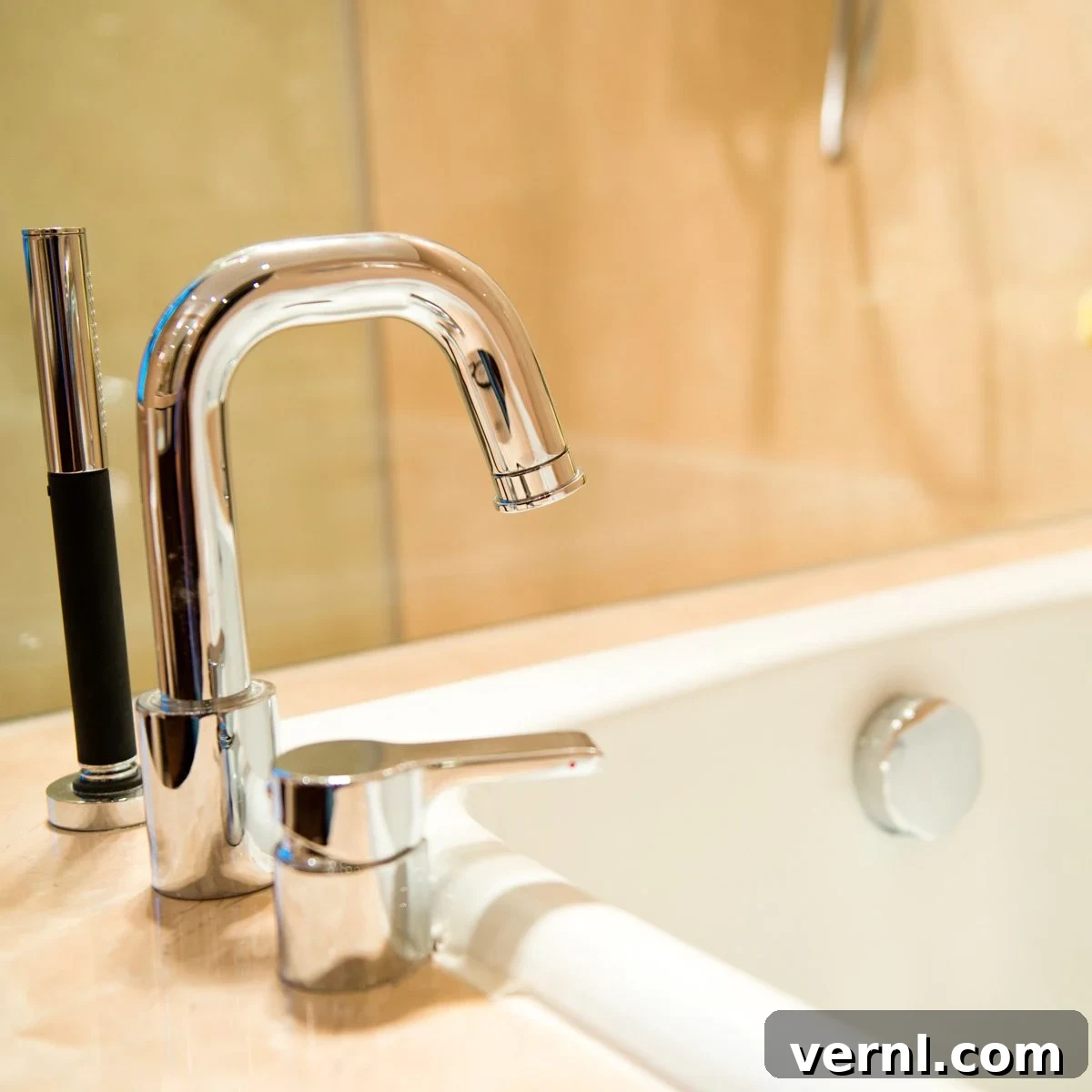
The gleaming finish of chrome fixtures is often the crowning touch in a sparkling bathroom. Yet, keeping that chrome radiant can be a persistent challenge, especially with the constant battle against soap scum, mineral deposits, and unsightly water spots. Achieving that mirror-like shine doesn’t have to be a chore, nor does it necessarily require harsh chemicals. This comprehensive guide will walk you through the most effective methods, from trusted commercial products to natural DIY solutions, ensuring your bathroom chrome looks its absolute best. We’ll cover everything from the best cleaners for everyday maintenance to targeted strategies for tackling stubborn hard water stains and even rust, all while using techniques that protect your chrome from damage and preserve its pristine appeal. For more general tips on cleaning your bathroom efficiently, explore these additional insights.
What Is the Best Cleaner for Bathroom Chrome?
When it comes to maintaining the pristine appearance of your bathroom chrome, selecting the right cleaner is paramount. Chrome, while durable, is a relatively soft metal plating that can be easily scratched or dulled by abrasive products. The goal is to gently lift dirt, soap scum, and mineral deposits without compromising the reflective finish. Fortunately, there are both highly-rated commercial solutions and readily available household options that excel at this task, ensuring your fixtures remain brilliant and undamaged.
Recommended Commercial Cleaner: Bar Keepers Friend Soft Cleanser
Among the top-rated commercial solutions, Bar Keepers Friend Soft Cleanser Liquid consistently receives rave reviews for its ability to restore shine to various surfaces, including delicate bathroom chrome. Its non-toxic and remarkably gentle formula is highly effective at dissolving common bathroom culprits such as stubborn soap scum, tenacious mineral deposits from hard water, and unsightly water spots. This cleanser works to rejuvenate dull bathroom hardware, bringing it back to its original luster. Unlike harsh abrasive powders that can scratch, this liquid cleanser provides a powerful clean without the risk of damaging the chrome’s surface, making it an excellent choice for both regular maintenance and more intensive cleaning projects.
The Simple, Everyday Solution: Mild Dish Soap
For routine cleaning and tackling light grime, you often don’t need specialized products. Plain old mild dish soap is an incredibly effective, gentle, and economical alternative that’s likely already a staple in your kitchen. To harness this simple solution, fill your sink with warm water and add just a few drops of a gentle liquid dish soap. Submerge one high-quality microfiber cloth in the soapy water and use it to thoroughly wipe down all your chrome fixtures. The dish soap will effortlessly cut through grease and light grime without leaving behind any residue. Following this, immediately use a separate, dry microfiber cloth to buff the chrome to a streak-free, brilliant shine. This method is perfect for quick daily or weekly upkeep, preventing buildup before it becomes a problem.
The Golden Rule: Always Be Gentle with Chrome
It’s absolutely crucial to remember that chrome is a soft metal plating, which makes it highly susceptible to damage from harsh materials. To protect your beautiful fixtures and preserve their longevity, always steer clear of abrasive cleaners, scouring pads, steel wool, or stiff-bristled brushes. These aggressive tools and chemicals can easily scratch the chrome’s surface, creating permanent marks, dulling its reflective quality, and potentially exposing the underlying metal to corrosion. Instead, commit to using only soft, non-abrasive microfiber cloths and gentle, liquid cleansers. This simple but vital precaution will ensure your chrome remains pristine, glossy, and as good as new for many years to come.
The Secret to Mirror-Like Chrome Faucets and Fixtures
Achieving truly dazzling, mirror-like chrome extends beyond just cleaning; it often requires an additional step to enhance shine and provide protection. For that extra layer of sparkle and resistance against future tarnishing, consider looking to products specifically formulated for automotive chrome. Chrome polish designed for cars works remarkably well on bathroom faucets and other chrome fixtures because it’s engineered to not only clean but also to provide a durable, high-gloss finish that actively repels water and prevents the adhesion of environmental contaminants. To apply, put a small amount onto a clean microfiber cloth, work it onto your fixtures in small, manageable sections, and then use a fresh, dry microfiber cloth to buff it to a brilliant, streak-free shine. This specialized polishing step can make a significant difference in both the aesthetic brilliance and the long-term durability of your bathroom chrome.
How To Remove Stubborn Hard Water Stains from Chrome Naturally
Hard water stains are the bane of any bathroom, leaving unsightly white, chalky, or crusty mineral deposits on otherwise pristine chrome fixtures. These stains are caused by the accumulation of minerals like calcium and magnesium, which are naturally present in varying degrees in tap water and left behind when water evaporates. While challenging to remove, you don’t necessarily need harsh, chemical-laden products to banish them. Nature provides several powerful, safe, and readily available solutions that leverage common pantry items. Here are three highly effective, natural tactics to restore your chrome’s pristine, stain-free look.
Method 1: Harnessing the Power of White Vinegar
White vinegar is a natural hero in the cleaning world, and its acidic properties make it particularly effective at dissolving the stubborn mineral deposits that characterize hard water stains. It’s a safe, non-toxic, and economical solution for tackling even the most ingrained buildup, offering a powerful clean without harsh chemicals.
- Prepare the Solution: Begin by mixing equal parts white vinegar and warm water in a small bucket or a large bowl. Using warm water can help to slightly accelerate the vinegar’s cleaning power, making it more efficient in breaking down mineral deposits.
- Targeted Soak for Spouts: For heavily stained faucet spouts or showerheads, thoroughly douse a clean microfiber cloth in the prepared vinegar mixture. Wrap this saturated cloth tightly around the entire spout, ensuring complete coverage of all affected areas. If necessary, secure the cloth firmly in place with a rubber band to prevent it from slipping. Allow it to sit and penetrate the mineral deposits for at least 15 minutes. For very severe buildup, you can extend this soaking time to an hour or even longer, periodically re-wetting the cloth if it starts to dry out to maintain effectiveness.
- Scrubbing Crevices: While the spout is soaking, dip an old toothbrush (designated solely for cleaning tasks) into the same vinegar solution. Use this to meticulously scrub the base of the faucet, the handles, and any other hard-to-reach crevices where hard water stains notoriously accumulate. The fine bristles of the toothbrush are ideal for dislodging buildup in tiny spaces that a cloth cannot reach.
- Tackling Rust Spots with Aluminum Foil: Surprisingly, a small piece of aluminum foil can be your secret weapon against light rust spots on chrome bathroom fixtures. Crumple up a small piece of aluminum foil into a loose ball. Dip this foil ball into the vinegar solution and gently scrub the rust spots with medium force. The mild abrasive nature of the aluminum, combined with the acetic acid from the vinegar, creates a gentle electrochemical reaction that helps to lift and remove rust without scratching or damaging the chrome. Repeat this process as necessary until the rust is completely gone.
- Final Wipe-Down: Once the soaking and scrubbing are complete, carefully remove the cloth from the spout. Using a separate, clean, and completely dry microfiber cloth, thoroughly wipe down all the treated areas. This crucial step not only removes any residual vinegar solution but also buffs the chrome to a brilliant, streak-free shine. Ensure all surfaces are completely dry to prevent new water spots from forming immediately.
Discover more essential recipes for effective, eco-friendly DIY household cleaners here.
Method 2: The Citrus Power of Lemon
Lemon, another natural acid powerhouse, offers a refreshing and equally effective way to combat hard water stains and leave your chrome smelling wonderfully fresh. The concentrated citric acid found in lemon juice works similarly to vinegar, efficiently dissolving mineral deposits and bringing back the chrome’s natural sheen.
- Direct Application: Cut a fresh lemon in half. For optimal and direct effect, rub the cut side of the lemon half directly onto the stained chrome surfaces. Ensure that the lemon juice covers the entire affected area thoroughly. Keep extra lemon halves readily on hand if you have numerous fixtures or large stained areas to cover.
- Allow to Dwell: Let the lemon juice sit on the chrome for approximately 3 to 5 minutes. This dwelling time allows the potent citric acid sufficient opportunity to penetrate and effectively break down the mineral deposits. For particularly stubborn or heavily calcified stains, you might consider extending this dwelling time slightly, up to 10 minutes, but avoid leaving it on for excessively long periods.
- Wipe Clean: After the waiting period, take a damp microfiber cloth and gently wipe away the lemon juice along with the dissolved stains. The dampness of the cloth helps to thoroughly rinse the surface and ensures no sticky residue is left behind from the lemon juice.
- Buff to Shine: To reveal the full, sparkling shine and prevent any new water spots from forming, immediately wipe the chrome dry with a separate, clean, and completely dry microfiber cloth. This final buffing step is absolutely key to achieving a brilliant, streak-free finish that truly reflects light.
Method 3: The Gentle Abrasive of Baking Soda
Baking soda, or sodium bicarbonate, is a remarkably versatile and gentle abrasive that can effectively clean and polish chrome without the risk of scratching. Its mild alkalinity helps to neutralize acids and lift grime, making it an excellent choice for tackling tarnish and light to medium hard water stains, leaving behind a refreshed surface.
- Create a Solution: In a small bowl, combine approximately 4 tablespoons of baking soda with one quart of warm water. Mix these ingredients thoroughly until the baking soda is mostly dissolved, creating a consistent, mildly abrasive cleaning solution.
- Apply and Dwell: Using a clean microfiber cloth, apply the baking soda solution generously to the tarnished or stained chrome surfaces. Ensure that all affected areas are well-covered with the solution. Allow the solution to sit on the chrome for about 15 minutes. This allows the baking soda to actively work on breaking down the grime, light tarnish, and mineral deposits.
- Gentle Wipe: After the designated dwelling time, take a damp microfiber cloth and gently wipe down the treated areas. The damp cloth will help to effectively rinse away the baking soda paste and the loosened grime, ensuring a clean surface.
- Polish to Shimmer: Finish by using a completely dry microfiber cloth to remove any excess moisture and to buff the chrome. This final polishing step is essential for achieving a brilliant, shimmering finish that is free from any streaks or dullness, bringing out the chrome’s natural luster.
Important Safety Note: While these natural methods are generally safe, always be mindful of what cleaning products you use and how they interact. Certain household cleaning products should never be mixed, as they can create dangerous fumes or render solutions ineffective. Always understand the chemistry of what you’re using to ensure both safety and efficacy.
Every product is independently selected by our editors. If you buy something through our links, we may earn an affiliate commission.
Beyond Cleaning: Maintaining Your Chrome’s Long-Lasting Shine
Cleaning chrome is one thing, but maintaining its brilliance and protecting it from future damage over time requires a few extra steps and proactive habits. Regular maintenance can significantly extend the period between deep cleans and ensure your bathroom fixtures look fresh and polished every single day. Implementing these simple practices will not only protect your chrome but also ensure it retains its dazzling, reflective appeal for years to come.
Daily Wipe-Downs: Your First Line of Defense
The simplest, yet most profoundly effective, way to prevent the formation of hard water spots and soap scum buildup is through a quick daily wipe-down. After each use of your faucet, showerhead, or other chrome fixtures, take a dry, soft microfiber cloth and quickly wipe away any lingering water droplets. This immediate action prevents the minerals present in the water from drying and forming stubborn, unsightly stains. It takes mere seconds but makes an enormous difference in preserving the chrome’s shine and significantly reducing the need for more intensive cleaning later on.
Establishing a Regular Cleaning Schedule
Beyond daily wipe-downs, establishing a consistent and manageable cleaning schedule is absolutely key to long-term chrome maintenance. For most bathrooms, a weekly cleaning session using mild dish soap and water (as described earlier in this guide) is more than sufficient to remove light grime, fingerprint smudges, and maintain a consistent sparkle. Depending on the hardness of your local water supply and the frequency of bathroom usage, you might opt for a bi-weekly or monthly deeper clean using the vinegar, lemon, or baking soda solutions for more thorough mineral deposit removal. Consistency in your cleaning routine is far more beneficial and less taxing than sporadic, heavy-duty scrubbing sessions.
Considering Protective Coatings for Enhanced Durability
For an added layer of protection and an even longer-lasting, resilient shine, consider applying a specialized protective coating to your chrome fixtures. Some car chrome polishes or waxes, which are expertly designed to repel water, grime, and environmental contaminants, can also be safely and effectively used on bathroom chrome. To apply, ensure your chrome is thoroughly clean and dry, then apply a thin, even layer of the protective product. Allow it to dry to a slight haze, and then buff it off with a fresh, clean microfiber cloth until the surface gleams. This creates a microscopic barrier that makes it significantly harder for water spots, soap scum, and other residues to adhere, making future cleanups even easier and extending the chrome’s brilliant life. Always ensure the product explicitly states it’s safe for chrome and, as a precaution, test it in an inconspicuous area first.
Essential Tools for Effective Chrome Cleaning
Having the right tools at your disposal is just as important as having the right cleaners. Equipping yourself with these basic, yet indispensable, items will make your chrome cleaning tasks more efficient, less strenuous, and will ensure you achieve the best possible results without inadvertently causing damage to your precious fixtures.
- High-Quality Microfiber Cloths: These are absolutely non-negotiable for cleaning chrome. Their ultra-fine fibers are exceptionally absorbent and remarkably capable of trapping dirt, grime, and water without inflicting scratches on delicate surfaces. Always keep several on hand: designate one for applying cleaner, one for rinsing, and a separate, dry one for the critical final step of drying and polishing.
- Soft-Bristled Toothbrush: An old toothbrush, dedicated solely to cleaning purposes, is an invaluable tool for reaching into tight spots, around the intricate base of faucets, and within the detailed designs of handles. Its soft bristles can effectively dislodge buildup and grime from crevices without posing any risk of scratching the chrome surface.
- Spray Bottles: For preparing and applying your DIY cleaning solutions, such as vinegar and water mixtures, spray bottles allow for even, controlled, and efficient application. This minimizes product waste and ensures thorough coverage of the target areas.
- Rubber Bands: Simple rubber bands are surprisingly useful and highly effective for securing vinegar-soaked cloths tightly around faucet spouts or showerheads, ensuring prolonged and consistent contact with stubborn hard water stains, allowing the solution to work its magic.
- Small Bucket or Bowl: An essential item for mixing your cleaning solutions evenly and for thoroughly dousing your cleaning cloths.
- Aluminum Foil: For those particularly tricky light rust spots, a small piece of crumpled aluminum foil, when used in conjunction with vinegar, provides a gentle yet remarkably effective abrasive action that helps lift rust without damaging the chrome.
Important Precautions and Safety Tips for Chrome Cleaning
While cleaning chrome can be a straightforward process, keeping a few essential safety precautions in mind will protect both your valuable fixtures and your personal well-being. Adhering to these guidelines ensures a safe and effective cleaning experience every time.
- Never Mix Cleaning Products: As previously emphasized, combining certain household cleaners can lead to dangerous chemical reactions, potentially producing toxic fumes that are harmful to inhale. Always use one product at a time and ensure surfaces are thoroughly rinsed with water before applying a different cleaning agent.
- Test in an Inconspicuous Area: Before applying any new cleaner or DIY solution to a prominent chrome fixture, it is always prudent to test it on a small, hidden, or less visible spot first. This precautionary step helps to ensure that the product or solution will not cause any unwanted discoloration, etching, or damage to the chrome or surrounding materials.
- Ensure Good Ventilation: Even when using natural cleaners like vinegar, good ventilation is of utmost importance, especially in enclosed spaces like bathrooms. Always open windows, turn on exhaust fans, or ensure proper airflow to safely dissipate any fumes or strong odors that may arise.
- Read Product Labels Carefully: If you opt for commercial cleaners, always make it a practice to read and meticulously follow the manufacturer’s instructions for safe and effective use. Pay close attention to any warnings, recommended application methods, and required dwell times.
- Protect Surrounding Surfaces: When working with acidic solutions like vinegar or lemon juice, be acutely mindful of surrounding surfaces. Natural stone countertops, for instance, can be susceptible to etching or discoloration when exposed to acids. Protect these vulnerable areas with towels, plastic sheeting, or painter’s tape if there is any risk of drips, splashes, or prolonged contact.
FAQ
Can I use an abrasive cleaner on chrome?
No, you should absolutely never use an abrasive cleaner, scouring pads, steel wool, or harsh brushes on chrome. Chrome plating is a relatively soft finish that can be very easily scratched, leading to permanent damage, dullness, and a compromised appearance. Always opt for gentle soaps, specialized non-abrasive chrome cleaners, or the natural DIY methods discussed throughout this guide, and apply them with soft microfiber cloths to preserve the integrity, brilliance, and longevity of your chrome fixtures.
How do I polish chrome after cleaning?
After thoroughly cleaning your chrome, polishing it is the next step to enhance its shine and offer an additional layer of protection. For a professional-level gleam, you can use a dedicated chrome polish like Simichrome Polish, which is highly regarded for its ability to restore and intensify brilliance. Alternatively, a simple and highly effective DIY method involves creating a mild paste using baking soda and warm water. Apply this paste to the cleaned chrome surfaces, allow it to sit for approximately 15 minutes, and then gently wipe it off with a damp microfiber cloth before buffing dry with another clean, dry microfiber cloth for a truly sparkling and streak-free finish. For extra protection and an enhanced sheen, some automotive waxes or dedicated chrome sealants can also be carefully applied.
How often should I clean my bathroom chrome?
The ideal frequency for cleaning your bathroom chrome largely depends on factors such as your local water hardness and how often the bathroom is used. For most households, a quick wipe-down with a dry microfiber cloth after each use is highly recommended to immediately prevent the formation of water spots. A light clean with mild dish soap and water once a week is usually sufficient for general maintenance and to remove light grime. For deeper cleaning to tackle more persistent hard water stains and tarnish, a monthly or bi-monthly treatment with vinegar, lemon, or baking soda solutions is ideal. Consistent, gentle cleaning is far more beneficial and less effort-intensive than infrequent, harsh scrubbing sessions.
What causes chrome to tarnish or dull?
Chrome can tarnish or appear dull primarily due to several common culprits: the accumulation of mineral deposits from hard water, the buildup of soap scum, and gradual oxidation over time. Hard water leaves behind unsightly calcium and magnesium residues that create cloudy spots and a dull film. Soap scum, which is notoriously sticky, often adheres to these mineral deposits, exacerbating the problem and forming a tenacious film. While chrome itself is highly resistant to rust, if the plating is scratched, chipped, or otherwise damaged, the underlying metal can begin to rust, which then gradually spreads to and stains the chrome surface. A significant lack of regular cleaning and thorough drying after use contributes heavily to dullness and the proliferation of various stains.
Are there eco-friendly chrome cleaners?
Absolutely! Many of the most effective and gentle chrome cleaners are also remarkably eco-friendly and safe for your home environment. Natural solutions like white vinegar, lemon juice, and baking soda are excellent examples; they are biodegradable, non-toxic, and readily available in most households. When selecting commercial products, it’s advisable to look for labels that explicitly indicate “non-toxic,” “biodegradable,” “plant-based,” or “eco-friendly” formulations. Bar Keepers Friend, for instance, is often considered a safer and more environmentally conscious choice due to its non-toxic formulation compared to harsher chemical alternatives. Opting for these choices not only protects your chrome fixtures but also contributes to a healthier home and a more sustainable environment.