Optimizing Your Home’s Cool: The Ultimate Guide to Air Conditioner Placement
There’s a universally acknowledged pleasure in stepping into a refreshingly cool, air-conditioned space on a scorching summer day. The immediate relief and comfort an air conditioner provides make it an undeniable summer essential for countless homes. Many homeowners, eager for instant respite, might instinctively place a window AC unit right next to their bed or in the hottest room. While the desire for quick cooling is understandable, this seemingly logical choice might not always be the best strategy for maximizing your comfort, extending your unit’s lifespan, or keeping your energy bills in check.
That’s right, the secret to truly effective and efficient cooling goes beyond simply plugging in your AC. The strategic placement of both indoor and outdoor air conditioning units plays a pivotal role in their performance, durability, and your overall home comfort. Ignoring proper placement guidelines can lead to overworked units, inflated energy costs, and a less-than-optimal cooling experience. If your goal is to double the life of your air conditioner and ensure it performs at its peak, identifying the ideal spot for your unit is the critical first step. This comprehensive guide will walk you through common placement pitfalls and equip you with the knowledge to make smart, energy-efficient choices for your cooling system.
Why Air Conditioner Placement is Non-Negotiable for Efficiency and Longevity
Understanding the “why” behind proper AC placement is as important as knowing the “how.” It’s not just about aesthetics; it profoundly impacts the unit’s ability to do its job effectively. Poor placement can sabotage even the most energy-efficient model, leading to a cascade of negative consequences that affect your wallet, comfort, and the environment. When an air conditioner is installed incorrectly, it is forced to work significantly harder than necessary to achieve the desired temperature. This constant strain puts undue stress on critical components like the compressor, leading to premature wear and tear. An overworked unit not only consumes more electricity, driving up your utility bills, but also drastically shortens its operational life, necessitating expensive repairs or even early replacement.
Beyond the mechanical aspects, improper placement can also compromise your indoor air quality and even pose safety risks. For instance, if an AC unit draws in air from an area contaminated with odors or pollutants, it will circulate that same air throughout your living space. Furthermore, overlooking electrical requirements or blocking crucial escape routes can transform a source of comfort into a potential hazard. By investing a little thought and planning into where your AC unit resides, you’re not just ensuring better cooling; you’re safeguarding your investment, enhancing your home’s air quality, and promoting a safer living environment. Let’s delve into the key mistakes to avoid and the best practices to embrace.
Mistake 1: Placing Units in Unnecessarily Hot Zones (Indoor & Outdoor)
It might seem logical to place an air conditioner directly in the hottest part of your house or yard. After all, that’s where the heat is most noticeable. However, this common misconception can significantly hinder your AC’s efficiency and drive up your energy consumption. When an air conditioning unit is subjected to extreme heat, whether from direct sunlight or radiant heat sources, it must expend considerably more energy to cool down the incoming air or reject heat from the refrigerant. This constant battle against its immediate environment translates directly into higher operating costs and accelerated wear.
Indoor Units: The Sunny Window Trap
For window or portable AC units, a window that receives intense, direct sunlight throughout the day is a poor choice. The sun’s rays not only heat the room but also directly heat the AC unit itself, making it work harder before it even begins to cool your interior space. This radiant heat means the unit is fighting an uphill battle from the moment it switches on. While it will eventually cool that part of the house, the energy expenditure will be far greater than necessary. Instead, if possible, opt for a window that is naturally shadier or less exposed to the sun during peak heat hours. Alternatively, for portable units, consider placing them in a slightly cooler, shadier section of the room, allowing them to draw in less superheated air and distribute cool air more efficiently to the hotter zones.
Outdoor Units: The Condenser’s Conundrum
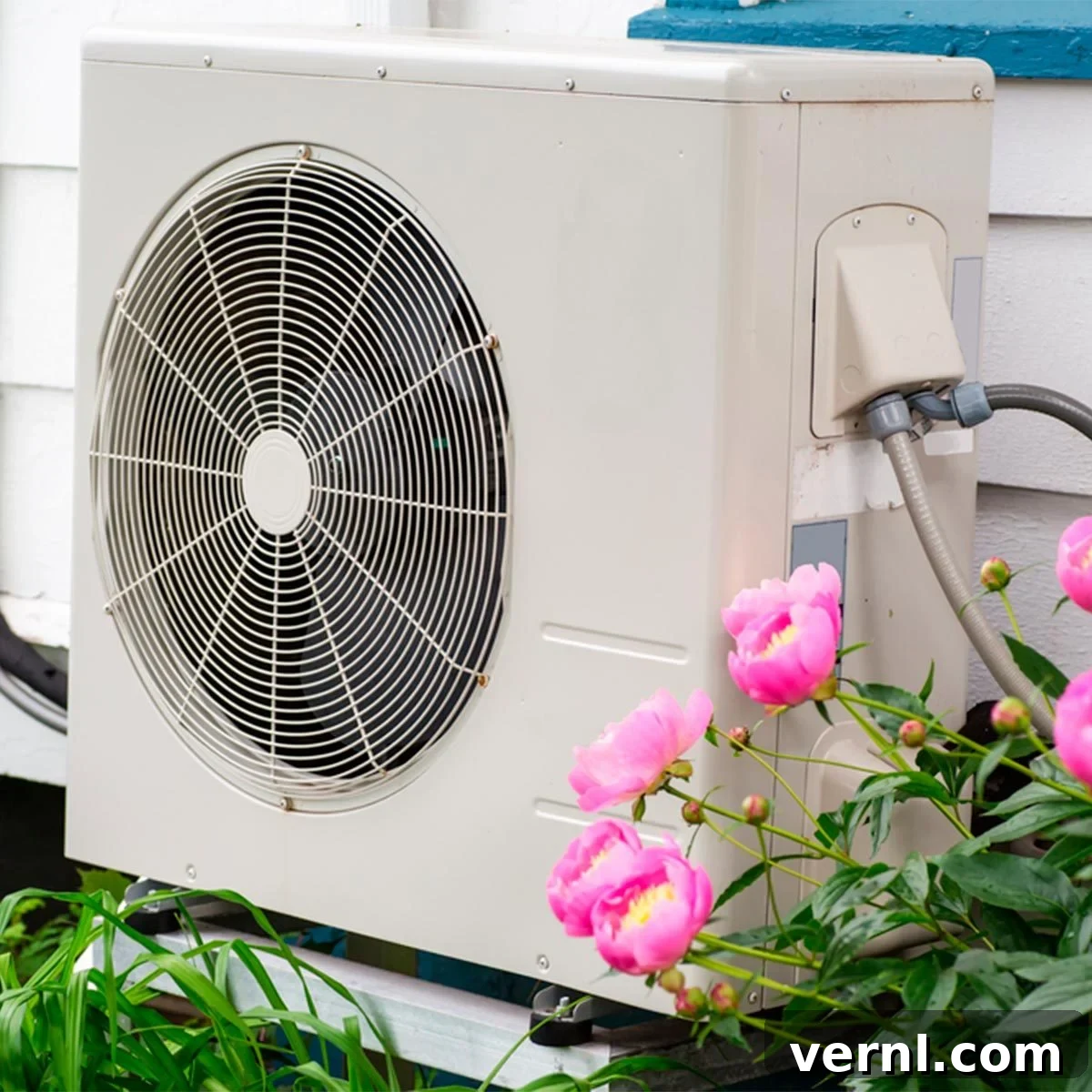
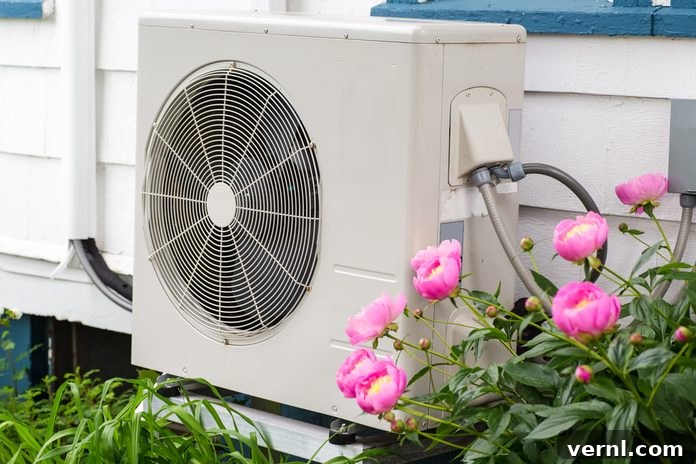
The outdoor condenser unit of a central air conditioning system or mini-split system is responsible for expelling the heat removed from your home. If this unit is constantly baking in direct sunlight, especially during the hottest parts of the day, its job becomes exponentially more difficult. The ambient temperature surrounding the condenser directly impacts its ability to efficiently dissipate heat from the refrigerant coils. Higher ambient temperatures mean the compressor has to work overtime, straining the system and dramatically increasing energy consumption. Ideally, your outdoor unit should be placed in a location that receives natural shade, perhaps from a strategically planted tree or a specially constructed awning or overhang. However, a crucial caveat here is to ensure that any shading solution does not impede airflow around the unit, which leads us to our next critical point.
Mistake 2: Impeding Airflow and Ventilation
Air conditioners rely on unrestricted airflow to function optimally. Both indoor and outdoor units need clear space around them to efficiently draw in air, process it, and then expel it. Obstructions, whether intentional or accidental, can severely compromise performance, leading to reduced efficiency, increased energy bills, and premature system failure. Hiding your unit, while perhaps aesthetically pleasing, often comes at a significant operational cost.
Indoor Units: The Hidden Hazard
For window or portable AC units, “hiding” can involve anything from dense curtains or drapes that block the air vents, to large pieces of furniture like couches or bookshelves that are pushed too close. Even seemingly innocuous items like tall plants can interfere. When airflow is restricted, the unit struggles to draw in enough air to cool properly, leading to “short-cycling” (frequent on-off cycles) or the sensation that the room isn’t cooling evenly. You might end up with a very cold spot directly in front of the unit, while the rest of the room remains uncomfortably warm. Ensure there’s ample clear space (typically 12-18 inches) around all sides of your indoor unit, allowing for proper air intake and distribution throughout the room.
Outdoor Units: Clearing the Condenser’s Path
The outdoor condenser unit is particularly vulnerable to airflow obstruction. Landscaping elements like dense bushes, shrubs, or tall grasses planted too close can block the fins, preventing the unit from efficiently releasing heat. Similarly, storing garden tools, firewood, trash cans, or other debris too near the unit can impede the vital circulation of air. Over time, leaves, twigs, dirt, and other organic matter can accumulate on the condenser coils, acting as an insulating layer. This buildup forces the compressor to work harder to shed heat, significantly reducing the unit’s efficiency and increasing the risk of overheating and breakdown. Experts typically recommend maintaining at least 2-3 feet of clear space on all sides of the outdoor unit and 5 feet of unobstructed vertical space above it. Regular cleaning of the area around the condenser and periodic coil cleaning are essential maintenance steps that are often overlooked but crucial for optimal performance and longevity.
Mistake 3: Overlooking Safety and Fire Hazards
Safety should always be a paramount consideration when installing or operating any electrical appliance, and air conditioners are no exception. The high power demands of AC units, coupled with their electrical components, present potential fire hazards if not handled with care. Additionally, the physical placement of window units can inadvertently create risks related to emergency egress.
Electrical Concerns: A Spark of Danger
Air conditioning units require a substantial amount of electrical power. Overloaded circuits, faulty wiring, or the improper use of extension cords (which are often not rated for the continuous high wattage of an AC unit) can lead to overheating wires, tripped circuit breakers, or, in severe cases, electrical fires. It is absolutely crucial to ensure that your AC unit is plugged into a dedicated outlet or a circuit that can safely handle its electrical load. For central air conditioning systems, professional installation is non-negotiable, as it ensures proper wiring, breaker sizing, and adherence to electrical codes. Regularly inspect the unit’s power cord for any signs of damage, fraying, or wear. If you notice any issues, have it addressed immediately by a qualified technician.
Blocked Exit Routes: A Critical Oversight
For window air conditioning units, their placement can inadvertently compromise your home’s safety plan in the event of an emergency, such as a fire. Windows are often designated as primary or secondary escape routes, especially in bedrooms. Installing a heavy, cumbersome window unit in such a window can effectively block a critical exit, trapping occupants inside during a crisis. Before installing a window AC, carefully consider your family’s emergency exit strategy. Ensure that any window chosen for an AC unit is not considered a primary escape route or that the unit can be quickly and safely removed in an emergency. Prioritize unobstructed escape paths above all else to ensure the safety of everyone in the household.
Combustible Materials: Keeping Clear
Beyond electrical safety, be mindful of the immediate surroundings of both indoor and outdoor units. Avoid storing flammable liquids, aerosols, or highly combustible materials near your AC. For outdoor units, ensure that dry leaves, brush, or other easily ignitable debris are regularly cleared from the vicinity, especially during dry seasons. Indoors, curtains, drapes, or lightweight fabrics should not be allowed to come into direct contact with the unit or its vents, as they could pose a fire risk or obstruct airflow.
Mistake 4: Proximity to Unpleasant Odors and Contaminants
An air conditioner’s primary function is to cool the air, but it also circulates that air throughout your home. This means that whatever odors or contaminants are present in the immediate vicinity of the unit’s air intake will be drawn in and potentially distributed throughout your living space. This oversight can significantly diminish your indoor air quality and negate the very comfort you seek.
The “Trash Can” and Other Stench Sources
Placing an air conditioner too close to a garbage can, a pet litter box, a compost pile, or even an outdoor exhaust vent (like from a dryer or kitchen fan) is an invitation for unpleasant aromas to permeate your home. AC units actively pull in air from their surroundings; if those surroundings are foul-smelling, your “sweet cool air” won’t smell so sweet after all. The same principle applies to pollutants: an outdoor unit placed too close to a dusty road, a heavily pollenated area, or even next to a chemical storage shed can draw in these airborne particles and potentially introduce them into your indoor environment, exacerbating allergies or creating an unhealthy atmosphere.
Beyond odors, having objects too close to the air conditioner, especially outdoor units, can also mean the AC unit needs to work harder. If the air it’s trying to cool (or expel heat into) is already heavy with particulate matter, it can reduce the efficiency of the heat exchange process. For optimal indoor air quality and cooling performance, ensure your AC units are placed in areas with clean, fresh air, away from potential sources of odors, dust, or other airborne contaminants. For outdoor units, this means considering prevailing winds and proximity to high-traffic or high-pollutant areas on your property.
Mistake 5: Overloading Electrical Circuits
Modern air conditioning units, especially larger window units and central systems, are power-hungry appliances. Their compressors, responsible for circulating refrigerant and performing the cooling process, draw a significant amount of electricity. Ignoring these substantial power requirements and plugging an AC unit into an already overburdened electrical circuit is a recipe for trouble.
The Dangers of Circuit Overload
An electrical circuit is designed to handle a specific amount of current (measured in amps). When too many high-power appliances are plugged into the same circuit, the combined electrical load can exceed its capacity. This overload triggers the circuit breaker to trip, cutting off power to prevent overheating wires and potential electrical fires. While a tripped breaker is a safety mechanism, frequent trips are an indication of an underlying problem that needs to be addressed. Continually resetting a tripped breaker without resolving the cause can lead to serious electrical hazards, including damage to appliances, wiring, and even fire.
High-energy appliances commonly found in homes include refrigerators, washing machines, dryers, dishwashers, microwaves, electric ovens, and space heaters. If your AC unit is sharing a circuit with one or more of these devices, you’re likely setting yourself up for an overload situation. For window units, especially those rated at 10,000 BTU or higher, a dedicated circuit is often recommended or even required by electrical codes. This ensures that the AC unit has its own independent power supply, minimizing the risk of overloads. For central air conditioning systems, dedicated circuits are always installed during the initial setup by qualified HVAC professionals and electricians.
Before installing a window AC unit, identify which outlets belong to which circuits. If you’re unsure, or if you plan to install a larger unit, it’s always best to consult with a licensed electrician. They can assess your home’s electrical capacity, suggest necessary upgrades, and ensure that your AC unit is powered safely and efficiently, saving you from frustrating outages and potentially dangerous electrical issues.
Additional Smart Placement Tips for Peak Performance
Beyond avoiding the common pitfalls, a few proactive considerations can further enhance your air conditioner’s performance, comfort delivery, and lifespan.
-
Ensure a Level Surface for Outdoor Units:
For central air conditioning condenser units, it is crucial that they rest on a perfectly level surface. Most units come with a sturdy plastic or concrete pad. An unlevel unit can cause the compressor to vibrate excessively, leading to increased wear and tear on components, excessive noise, and inefficient operation. Proper leveling also ensures correct drainage of condensation.
-
Optimize Drainage for Indoor Units:
For window units, proper installation involves a slight tilt to the outside to allow condensation to drain away from your home, preventing water damage. For mini-split indoor units, ensure the drain line is clear and slopes properly to avoid leaks and potential mold growth.
-
Consider Noise Levels:
Both indoor and outdoor AC units generate some level of operational noise. When choosing a spot, especially for outdoor condensers, try to place them away from bedrooms, patios, or frequently used outdoor living areas to minimize disturbance. Similarly, an indoor unit placed directly next to a frequently used seating area might become a nuisance.
-
Accessibility for Maintenance:
Regardless of where you place your unit, always ensure that it is easily accessible for routine maintenance and servicing. Technicians need ample space to inspect, clean, and repair components. Obstructions around the unit can make maintenance difficult, increasing service costs and potentially leading to skipped essential checks.
-
Strategic Thermostat Placement:
While not directly about the AC unit, the placement of your thermostat is critical for central air systems. It should be on an interior wall, away from direct sunlight, drafts, heat sources (like lamps or electronics), and exterior doors. An improperly placed thermostat can cause your AC to short-cycle or run unnecessarily, leading to discomfort and wasted energy.
The Payoff: Longevity, Efficiency, and Unrivaled Comfort
By diligently avoiding these common air conditioner placement mistakes and implementing smart installation strategies, you’re not just making a minor adjustment; you’re making a significant investment in the long-term performance and efficiency of your cooling system. The benefits of proper AC placement are multifaceted and impactful, directly contributing to a cooler, more comfortable, and more cost-effective home environment.
Foremost, you’ll experience significantly **extended unit longevity**. An air conditioner that operates under optimal conditions, free from unnecessary strain and obstruction, will naturally last longer, delaying the need for costly replacements and intensive repairs. This directly translates to substantial **energy savings** and lower utility bills throughout the cooling season. When your AC doesn’t have to battle excessive heat, restricted airflow, or overloaded circuits, it consumes less electricity to achieve and maintain your desired indoor temperature. This efficiency is not just good for your wallet but also for the environment, reducing your household’s carbon footprint.
Moreover, proper placement ensures **consistent and comfortable indoor temperatures**. No more hot spots or areas that are uncomfortably chilly; the cool air will be distributed evenly, creating a truly enjoyable living space. You’ll also benefit from **improved indoor air quality**, as your unit won’t be drawing in unpleasant odors or unnecessary contaminants. Ultimately, these conscious decisions in placement lead to **reduced risk of breakdowns**, fewer service calls, and the priceless peace of mind that comes with a reliable and efficiently operating cooling system. The initial effort to find that perfect spot pays dividends for years to come, truly making your air conditioner a source of unadulterated summer comfort.
Conclusion: Mastering Your Summer Cooling
The quest for a perfectly cool and comfortable home during the sweltering summer months is a universal desire. However, achieving this ideal state isn’t just about owning an air conditioner; it’s about making smart, informed decisions regarding its placement. As we’ve explored, the location of your AC unit, whether a window model or a central system’s outdoor condenser, profoundly impacts its energy efficiency, operational lifespan, safety, and your overall indoor comfort and air quality.
From avoiding hot, sunny locations and ensuring unrestricted airflow, to prioritizing electrical safety and steering clear of odor-laden areas, each placement consideration is a step towards optimizing your cooling experience. Taking the time to properly assess these factors can transform your air conditioner from a simple appliance into a highly efficient, long-lasting, and truly effective solution for beating the heat. So, take a moment to review your current setup or plan your new installation with these insights in mind. Making these strategic choices will not only help you save money on energy bills and avoid costly repairs but will also ensure that every time you step into your home, you’re greeted with that perfect, refreshing chill you crave.
Now that you’ve found the best spot for your air conditioner, make sure to consider these 10 air conditioning mistakes you can’t afford to make to ensure your system runs flawlessly all season long. Because the last thing you want is to waste those dollar bills!