Summer is a season eagerly anticipated by many, bringing with it the promise of longer days, sunnier skies, and the joy of outdoor activities with friends and family. Gardens burst into bloom, and the warmth invites us to linger outside. However, this idyllic picture often comes with an uninvited guest: wasps. As temperatures rise and flora flourishes, wasp colonies, which spend winter in hibernation and spring in active growth, reach their peak activity by July and August. This surge in population frequently leads to an increased presence of wasp nests around our homes, prompting many homeowners to seek effective wasp nest removal solutions.
In the quest for quick and seemingly effective pest control, various methods circulate, particularly on social media platforms like TikTok. One such method that recently gained significant traction involves the use of gasoline to eliminate wasp nests. While visually striking and appearing to deliver rapid results in viral videos, this hack raises serious concerns regarding its safety and environmental impact. This article delves into the specifics of the viral gasoline wasp-killing method, evaluating its dangers and providing safer, more responsible alternatives for managing wasp infestations.
Understanding the Viral Gasoline Wasp-Killing Hack
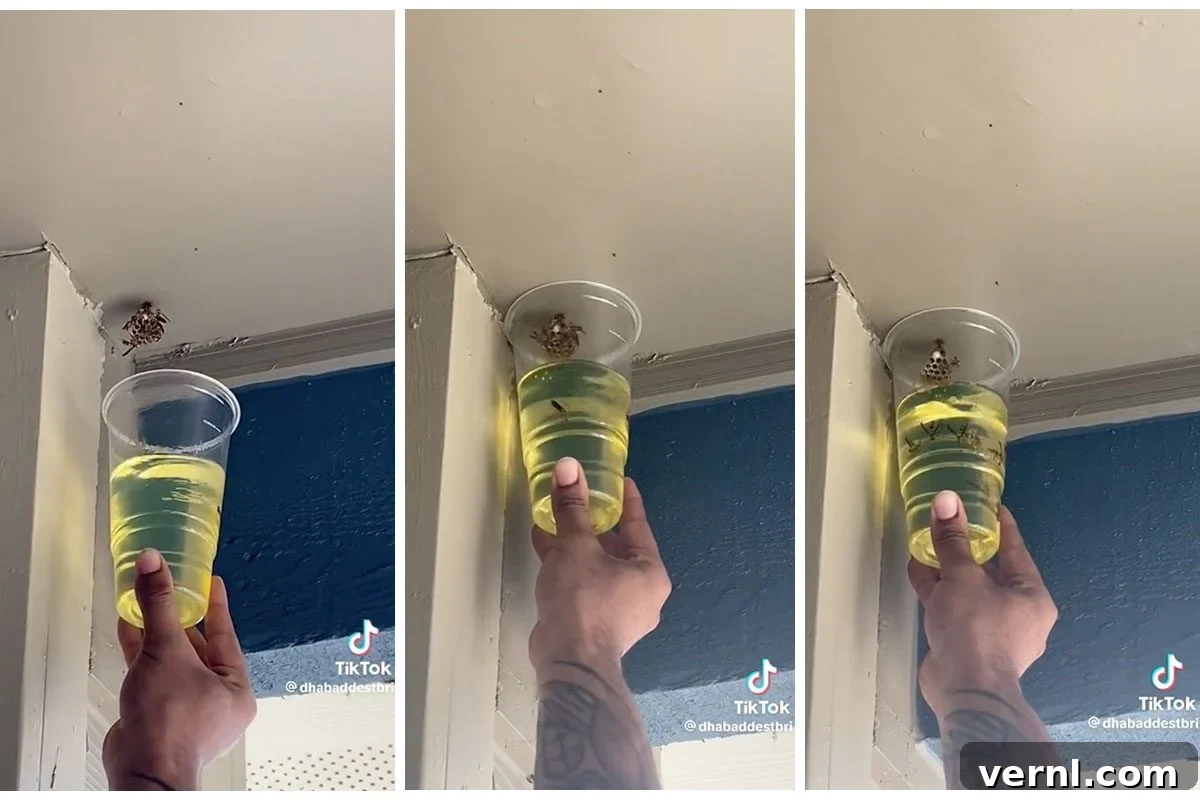
The highly viewed TikTok video, demonstrating this controversial method, shows individuals holding a container filled with gasoline directly up to a wasp nest. The container is positioned to fully envelop the nest, and within moments, wasps are seen dropping into the gasoline, apparently dead. After a short period, the container is removed, presumably after the gasoline has been drained, revealing a nest devoid of its inhabitants. The primary mechanism by which this hack supposedly works is through the toxic fumes emitted by the gasoline, which quickly incapacitate and kill the wasps.
@dhabaddestbri It works!!!!!! They just fall right in almost instantly! 10/10 recommend thanks tiktok #wasps #gasoline #deadwasps #tiktokhacksthatwork #tiktokhacklife #tiktokhacks ♬ Back In Black – AC/DC
Despite its apparent effectiveness, the use of gasoline for pest control is fraught with extreme danger and is strongly advised against by safety experts, environmental agencies, and pest control professionals. The risks associated with this method far outweigh any perceived benefits, jeopardizing personal safety, property, and the surrounding environment.
Why Using Gasoline to Kill Wasps is Extremely Dangerous
While the gasoline hack might seem like a quick fix, it introduces a multitude of severe hazards into your home and garden. Understanding these risks is crucial for making responsible decisions about pest management.
Extreme Flammability and Fire Risk
Gasoline is an exceptionally volatile and flammable substance. Its fumes are heavier than air and can travel considerable distances, accumulating in low-lying areas or confined spaces. A seemingly small spark – from static electricity, a nearby electrical appliance, an open flame, or even a hot surface – can ignite these fumes, leading to a flash fire or explosion. The proximity of a wasp nest to structures, dry vegetation, or other flammable materials drastically increases the risk of a widespread, uncontrollable blaze. This poses an immediate and catastrophic threat to your home, landscaping, and potentially your neighbors’ property. Even a small spill can quickly turn into a devastating inferno, making fire extinguishers an absolute necessity when handling gasoline, though prevention is always the best strategy.
Hazardous and Toxic Fumes
Beyond the immediate fire risk, gasoline fumes are highly toxic and pose significant health threats upon inhalation. Exposure can cause immediate symptoms such as dizziness, headaches, nausea, disorientation, and respiratory irritation. Prolonged or repeated exposure can lead to more severe health issues, including damage to the nervous system, kidneys, and liver. Gasoline contains numerous volatile organic compounds (VOCs) and known carcinogens like benzene, which can have long-term adverse health effects. Protecting yourself with proper personal protective equipment, including a respirator designed for organic vapors, is essential when dealing with gasoline, but even then, exposure should be minimized at all costs. The fumes released into the atmosphere also contribute to air pollution, impacting the wider community.
Environmental Contamination
The environmental consequences of using gasoline as a pesticide are profound and long-lasting. Gasoline is a severe environmental pollutant. When spilled on soil, it can contaminate groundwater, affecting drinking water sources and local ecosystems. It can kill plants, sterilize soil, and harm beneficial insects, microorganisms, and other wildlife that come into contact with it. Cleaning up gasoline contamination is an arduous, expensive, and often prolonged process. Even if the gasoline is “drained” from the cup, as suggested in the video, where does it go? Likely onto the ground or into a non-approved container, still posing a massive threat. Responsible storage and disposal of gasoline are not just recommendations but critical environmental protection measures.
Risk of Using Unapproved Containers
A critical safety oversight in the viral hack is the use of unapproved containers, such as plastic cups made from materials like polystyrene (No. 6 plastic) or certain types of thinner plastics. Gasoline is a potent solvent that can react with and dissolve certain plastics, including those used in common disposable cups (e.g., Styrofoam or Solo cups). This chemical incompatibility can lead to the container melting or degrading rapidly, resulting in an uncontrolled spill of highly flammable and toxic fuel. Approved gasoline containers are specifically designed for safe storage and transport, typically made from high-density polyethylene (HDPE, No. 2 plastic) or metal, which are resistant to gasoline’s corrosive properties and provide secure seals to prevent spills and vapor release. Using anything else drastically increases the risk of fire and chemical exposure.
Improper Disposal of Hazardous Waste
Even if the gasoline is successfully used, the remaining fuel and the dead wasps soaked in it become hazardous waste. As highlighted by environmental agencies like New York’s Department of Environmental Conservation, gasoline is “highly flammable and extremely toxic.” It should
Safer and More Effective Alternatives for Wasp Nest Removal
Given the severe dangers associated with the gasoline hack, it’s imperative to explore safer, more humane, and equally effective methods for managing wasp nests. There are numerous wasp control strategies available that prioritize safety for both homeowners and the environment.
Professional Pest Control Services
For large, aggressive nests, nests in difficult-to-reach locations (like within walls or attics), or if you have a known allergy to wasp stings, the safest and most recommended option is to contact a professional pest control service. Experts have the knowledge, specialized equipment, and protective gear to safely and efficiently remove nests with minimal risk to residents and property. They can also identify the wasp species, which can influence the best removal strategy.
Targeted Insecticides for Wasps
Many commercially available insecticides are specifically designed for wasp nest removal. These products often come in aerosol cans with a powerful stream, allowing you to spray the nest from a safe distance, typically 10-15 feet away. Look for products that clearly state they are for wasps and hornets. When using these products, always:
- Read and follow all label instructions: This includes dosage, application method, and safety precautions.
- Wear appropriate safety gear: Long sleeves, thick gloves, safety glasses, and potentially a face mask.
- Apply in the late evening or early morning: Wasps are less active and most of the colony is inside the nest during these cooler hours. This significantly reduces the risk of stings.
- Have an escape route planned: Know where you will retreat if wasps become agitated.
- Keep children and pets away: Ensure they are safely indoors before and during application.
Non-Toxic and “Natural” Wasp Killers
For those seeking a less toxic approach, several effective natural remedies exist:
- Soap and Water Solution: A simple mixture of dish soap (like Dawn) and water can be surprisingly effective. The soap reduces the surface tension of the water, causing it to coat the wasps and suffocate them by blocking their breathing pores. Mix about two tablespoons of dish soap into a spray bottle filled with water. Drench the nest thoroughly from a safe distance, again, preferably in the evening or early morning. This method is much safer for pets, children, and the environment compared to gasoline.
- Wasp Traps: You can purchase or make your own wasp traps. These typically involve a container with a sugary liquid (for early summer wasps seeking carbs) or protein (for late summer wasps seeking protein for larvae) to lure wasps in, where they become trapped and drown. Place traps away from your immediate activity areas to draw wasps away.
- Peppermint Oil Spray: Wasps are known to dislike the scent of peppermint oil. A spray made with water and a few drops of peppermint essential oil can act as a deterrent, though it may not effectively destroy an active nest.
Proactive Wasp Prevention Strategies
Prevention is always better than cure. By taking proactive steps, you can significantly reduce the likelihood of wasps building nests near your home:
- Eliminate Attractants: Keep trash cans sealed, clean up food spills immediately, and ensure pet food is not left outdoors. Cover sugary drinks and food when dining outside.
- Seal Entry Points: Inspect your home for cracks, crevices, or unsealed openings in eaves, vents, or utility lines. Seal these to prevent wasps from nesting inside your walls or attic.
- Wasp Decoy Nests: Wasps are territorial. Hanging a fake wasp nest (or a crumpled brown paper bag) in prominent areas can sometimes deter them from building real nests nearby, as they perceive the area as already occupied.
- Early Season Queen Capture: In springtime, newly emerged queen wasps often scout for nesting sites. If you can safely locate and capture a queen before she establishes a colony, it can prevent a full-blown infestation later in the season. This requires vigilance and caution.
- Plant Repellent Vegetation: Certain plants, such as peppermint, spearmint, citronella, marigolds, and wormwood, are believed to deter wasps. Planting these around outdoor living areas can help create a less inviting environment for them.
Understanding Wasps: When to Coexist
It’s important to remember that not all wasps pose an immediate threat, and many play a beneficial role in our ecosystems. Before resorting to any eradication method, consider the location and activity of the nest. If a wasp nest is in an isolated area, far from high-traffic zones, and the wasps are not aggressive, it might be best to simply leave it alone.
Wasps are natural pest controllers, preying on many garden pests like caterpillars, aphids, and flies, which can otherwise damage your plants. They also contribute to pollination, much like bees, though typically to a lesser extent depending on the species. According to the UK National History Museum, “Wasps are hugely beneficial to their native ecosystems due to the sheer amount of insects they capture.” Allowing them to perform natural pest control on your behalf can be a highly sustainable approach to garden management.
If you appreciate their ecological contributions, you could even consider planting a pollinator garden to support a broader range of beneficial insects, including wasps, bees, and butterflies. A thriving, balanced ecosystem in your yard can contribute to healthier plants and reduced pest problems overall.
Conclusion: Prioritizing Safety and Responsibility
The allure of quick fixes, especially those popularized on social media, can be strong. However, when it comes to hazardous materials like gasoline and dealing with stinging insects, the risks are simply too high to ignore. The viral gasoline wasp-killing hack is an extremely dangerous practice that threatens personal safety, property, and the environment through fire hazards, toxic fumes, chemical contamination, and improper waste disposal.
Homeowners have a responsibility to manage pests safely and sustainably. There are numerous effective and responsible alternatives to gasoline for wasp nest removal, ranging from professional pest control services to targeted insecticides and environmentally friendly soap and water solutions. Furthermore, adopting preventative measures and understanding the ecological role of wasps can help in fostering coexistence when possible. By choosing safe and approved methods, you protect your family, your home, and the vital ecosystems around us, ensuring that summer remains a season of enjoyment, not danger.