The Ultimate Guide to Tree Watering Bags: Are They Right for Your Garden?
Living in regions with challenging climates, such as the semi-arid West, often presents a significant hurdle for gardeners: consistently and adequately watering newly planted trees and shrubs. This common struggle led me, like many others, to explore innovative solutions. My journey brought me to tree watering bags – an ingenious invention promising to simplify tree hydration. But the question remains: are water bags for trees truly good or potentially detrimental? For me, they’ve proven to be a valuable tool, saving considerable time and effort, especially when tending to plantings located far from a convenient hose. While they’ve delivered positive results in my experience, it’s crucial for every gardener to understand the comprehensive advantages and disadvantages of this watering method to determine if it aligns with their specific needs and environmental conditions.
What Are Tree Watering Bags and How Do They Function?
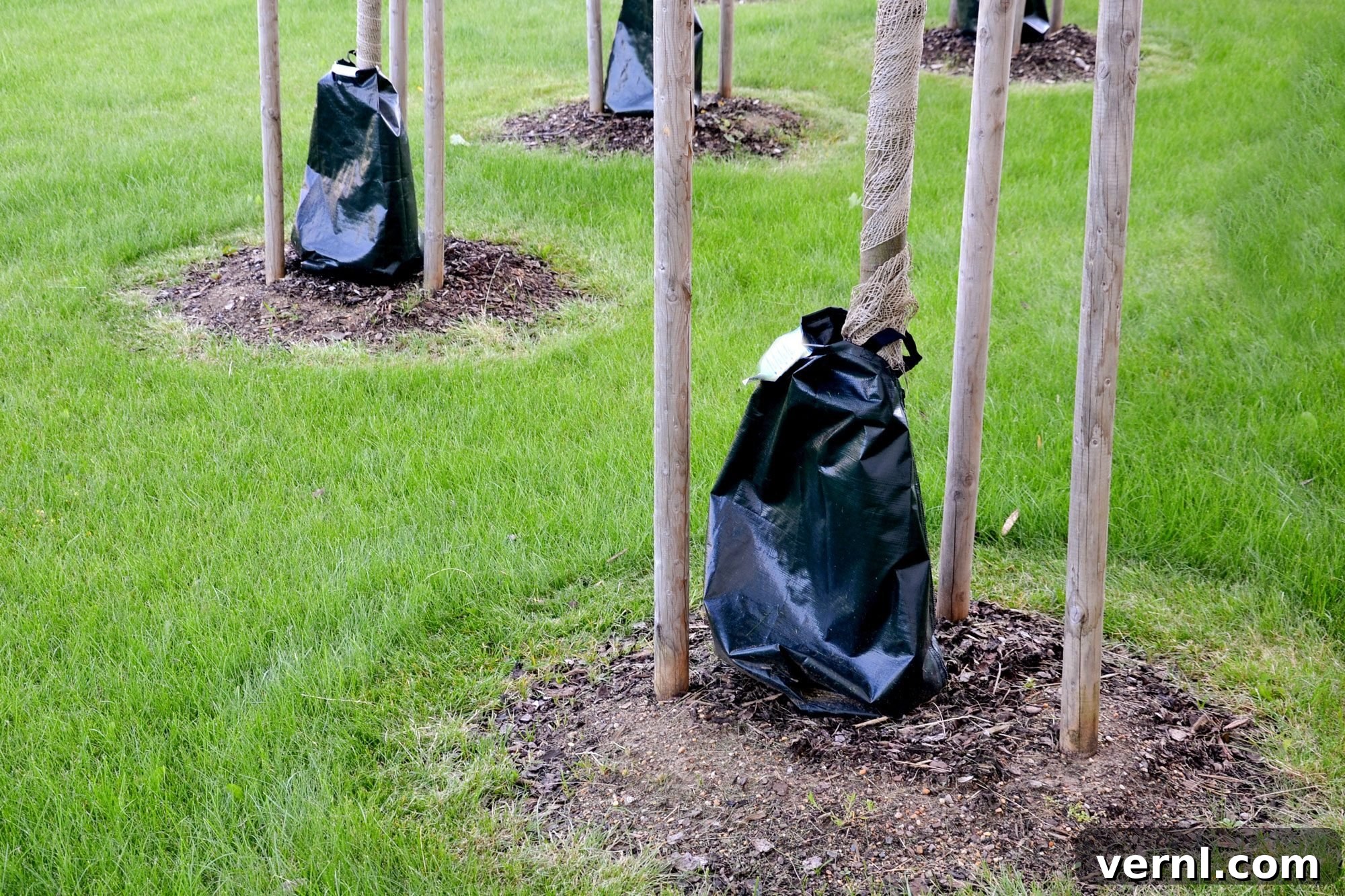
Tree watering bags are specialized, heavy-duty plastic containers designed to deliver water directly and slowly to the root zone of a tree or shrub. These bags are engineered with microscopic perforations at their base, which allow water to seep out gradually over several hours, ensuring deep penetration into the soil rather than wasteful runoff. One of the pioneering and most recognized designs emerged from the brand Treegator, which played a key role in popularizing the upright, trunk-wrapping style that many gardeners recognize today.
Design and Capacity
- Capacity: Most standard tree watering bags are designed to hold a substantial volume of water, typically ranging from 15 to 20 gallons. This capacity is crucial for providing a deep, saturating drink that mimics natural rainfall and encourages robust root development.
- Shapes: They come in various configurations to suit different plant structures. Upright models are specifically crafted to wrap securely around the trunk of a single-stemmed tree, forming a tight collar that directs water downwards. Donut-shaped versions, on the other hand, are designed to sit flat at the base of multi-stemmed shrubs or small trees, encircling the plant’s entire root area.
- Slow Release Mechanism: The magic of these bags lies in their controlled release. Water is typically dispersed over an extended period, usually five to nine hours. This slow delivery prevents water from pooling on the surface and evaporating quickly or running off, a common issue with traditional hose watering, especially on sloped terrain or compacted soils. The prolonged release allows the soil to fully absorb the moisture, ensuring it reaches deeper root systems.
How to Use Tree Watering Bags
Tree watering bags are most effective for young, newly planted trees or shrubs, but they can also be deployed for established plants that are experiencing drought stress or simply require supplementary hydration. Proper installation is key to their efficiency:
- Initial Watering: For newly planted trees or shrubs, it’s essential to water the plant thoroughly immediately after planting. This helps settle the soil around the root ball and minimizes transplant shock.
- Placement: Once the initial watering is done, carefully position the watering bag around the trunk of the tree. For upright models, ensure the bag wraps snugly around the trunk and secure it using the integrated zipper mechanism. For shorter, donut-profile bags, simply place them on the ground, making sure they encircle the base of the tree or shrub effectively.
- Filling: To fill the bag, lift the handles slightly to spread out the bottom and create a stable base, then fill it slowly to the top with water. The slow filling process allows the plastic to settle and prevents sudden ruptures.
Understanding Your Tree’s Watering Needs
A fundamental rule of thumb for newly planted trees is that they require approximately 10 gallons of water per inch of trunk diameter each week. To measure the trunk diameter, do so at a point six inches above the soil line. Therefore, a tree with a 2-inch diameter trunk would need at least 20 gallons of water weekly to thrive. This is a baseline, and factors such as environmental conditions and soil type will influence the frequency and volume of watering.
- Hot Weather: During periods of intense heat or prolonged drought, trees will naturally demand more water. You may need to refill the bags more frequently than once a week.
- Sandy Soil: Sandy soils drain very quickly, meaning water retention is low. If your tree is planted in sandy soil, it will require more frequent watering than a tree in loamy or clay soil.
- Climate and Humidity: Arid climates with low humidity will cause water to evaporate more rapidly from the soil surface and the tree’s foliage, necessitating increased watering.
- Tree Species: Different tree species have varying water requirements. Research the specific needs of your tree type for optimal care.
To ensure consistent hydration, it is highly recommended to mark your calendar or set reminders to refill the watering bags regularly. This simple practice can make a significant difference in the survival and health of your young trees.
End-of-Season Care and Storage
Once the growing season concludes or when your trees are sufficiently established and no longer require the intensive care provided by watering bags, proper storage is essential for longevity. Drain the bags completely and tip them upside down to allow them to dry thoroughly. This prevents mildew and deterioration. With appropriate care and storage, a quality tree watering bag can reliably serve your gardening needs for many seasons to come, making them a cost-effective solution.
Pros of Using Tree Watering Bags
When evaluating different irrigation methods, the benefits of tree watering bags become clear, especially in specific gardening scenarios. They offer a practical and efficient solution for various planting needs, making them a smart choice in many instances:
- Establishing New Trees and Shrubs: The first few years are critical for new plantings. During this period, trees and shrubs are highly vulnerable to transplant shock and require consistent moisture to develop a strong, deep root system. While debates exist regarding the absolute “best” way to water trees, bags undeniably provide a reliable and adequate water supply without requiring constant human oversight. This steady flow encourages roots to grow downward, anchoring the tree and helping it become self-sufficient. They significantly reduce stress on young plants, leading to higher survival rates and more vigorous growth.
- Superior Water Conservation: Tree watering bags are among the most efficient methods for tree hydration. They allow you to know precisely how much water each tree receives, eliminating guesswork. This targeted delivery minimizes waste by preventing water from evaporating on the surface, running off into non-target areas, or being lost to weeds. Over-watering is just as detrimental as under-watering, both wasting precious water resources and potentially harming the tree. By directing water exactly where it’s needed – to the root zone – these bags maximize absorption and minimize environmental impact. Unlike sprinklers that might hydrate half your lawn unnecessarily while trying to reach a tree, bags ensure every drop is utilized effectively. This leads to both ecological benefits and financial savings on your water bill.
- Ideal for Arid and Semi-Arid Regions: In climates characterized by dry spells, low humidity, and minimal rainfall, consistent and adequate water is paramount for tree survival. Newly planted trees in these regions face immense stress, and watering bags provide the lifeline they need to establish themselves. For established trees and shrubs, especially during prolonged months without rain, supplementary water from these bags can prevent severe drying out, protecting your investment and maintaining the health and vitality of your landscape. They offer a reliable way to combat the challenges of drought and ensure long-term plant resilience.
- Extending Beyond Sprinkler Zones: Tree watering bags offer unparalleled flexibility, allowing you to plant trees and shrubs in locations where traditional irrigation systems or hoses might not reach. This opens up new possibilities for landscaping and shade creation in remote areas of your property. While it’s easiest and most convenient to run a hose to refill the bag, the design also accommodates manual refilling. You can easily transport water in tanks, buckets, or watering cans to distant bags, making tree care feasible even in the most challenging locations. This flexibility is a huge advantage for larger properties or those with irregular layouts.
- Convenience and Time Savings: Once installed and filled, the bags operate autonomously for several hours. This “set it and forget it” aspect significantly reduces the time and effort typically spent on manual watering, freeing up gardeners for other tasks. Instead of standing with a hose for extended periods, you can simply fill the bag and move on, knowing your tree is getting a deep, consistent drink.
- Reduced Runoff and Erosion: The slow-release nature of watering bags means water has ample time to soak into the soil. This drastically reduces surface runoff, which can be a problem on sloped properties or with compacted soils. By minimizing runoff, these bags also help prevent soil erosion and ensure nutrients remain in the root zone where they are needed.
Common Drawbacks of Tree Irrigation Bags
While tree watering bags offer numerous benefits, it’s equally important to consider their potential downsides. Understanding these drawbacks allows gardeners to make informed decisions and implement mitigation strategies where necessary.
- Risk of Hot Water Syndrome: In warmer Southern regions or during peak summer months, especially when bags are exposed to direct sunlight for extended periods, the water inside can quickly heat up. Hot water delivered to tree roots can be detrimental, potentially shocking the roots and impairing their ability to absorb nutrients and moisture. This can lead to stress, root damage, and even tree death. One of the most important seasonal tree care tips related to this issue is to remove the bags before the intense heat of summer fully sets in or, if continued watering is necessary, to fill them during the cooler evening hours when ambient temperatures have dropped. Alternatively, consider using reflective mulch around the bags to help deflect some of the sun’s heat.
- Hiding Places for Pests and Diseases: In hot and humid environments, the moist, dark space created by bags wrapped around the tree trunk can become an inviting habitat for various pests and a breeding ground for fungal diseases. This humid microclimate is ideal for insects like pill bugs, earwigs (known to feed on decaying matter), and even slugs, which can cause damage to the trunk or tender bark of young trees. Regular inspection of the area beneath and around the bag is crucial. Look for signs of insect activity, discolored bark, cankers, or other indicators of disease. Prompt removal of the bag and treatment can prevent serious damage.
- Potential for Root Girdling (with long-term misuse): A significant concern with the improper or excessively long-term use of watering bags is the potential for root girdling. This condition occurs when roots grow in a circular pattern, often encouraged by a consistently saturated root ball in a localized area, eventually strangling the main trunk or other roots. As the tree grows, these encircling roots compress the trunk, cutting off the flow of water and nutrients, ultimately leading to the tree’s decline and death. Tree watering bags are best utilized as temporary tools, primarily during the critical establishment phase (typically the first one to two growing seasons). After this period, the focus should shift to encouraging a broader root system by soaking the tree at its drip line – the outer extent of the tree’s canopy – which promotes roots to spread outwards in search of water.
- Aesthetic Impact: While practical, watering bags may not be considered the most attractive addition to a carefully curated landscape. Their visible plastic presence can detract from the natural beauty of a garden, especially in prominent areas. For some gardeners, the visual appeal of their outdoor space outweighs the convenience offered by the bags.
- Initial Cost and Maintenance: While reusable, tree watering bags represent an initial investment. For a large number of trees, this cost can add up. Furthermore, they require periodic cleaning to prevent algae buildup and ensure the micro-perforations remain clear. They can also be punctured or damaged, requiring replacement.
- Limited Effectiveness for Mature Trees: Most watering bags are designed for young trees with smaller trunk diameters and root balls. For very large or mature trees, a single bag (or even multiple bags) may not provide sufficient water to adequately hydrate the extensive root system. In such cases, alternative methods like drip irrigation or deep root watering are often more suitable.
Alternative Methods for Tree Irrigation
Beyond tree watering bags, several effective alternative methods can ensure your trees receive adequate hydration. Each method has its own advantages, suitable for different landscapes, climates, and tree types.
- Drip Irrigation Systems: Drip irrigation utilizes a network of tubes, emitters, or soaker hoses to slowly deliver water directly to the tree’s root zone. This method is highly efficient, minimizing water waste through evaporation and runoff, and works exceptionally well in most climates. Installation can range from simple DIY setups for a few trees to complex, automated systems for larger landscapes. It ensures precise water delivery, conserves water, and can be programmed for consistent, hands-off watering.
- Basin or Ring Watering: This traditional and cost-effective method involves constructing a shallow, circular berm or ring of soil around the base of the tree. The basin acts as a reservoir, holding water directly over the root ball. When filled, it gives the moisture ample time to slowly soak into the soil, reaching deeper roots. This technique is particularly helpful for young trees to ensure deep saturation and is easily adaptable to different soil types. It’s important to build the basin wide enough to accommodate the expanding root zone as the tree grows.
- Mulching for Moisture Retention: Applying a layer of organic mulch (such as wood chips, bark, or compost) around the base of a tree is one of the simplest yet most effective ways to conserve soil moisture. Mulch acts as a protective barrier, significantly reducing water evaporation from the soil surface and helping to regulate soil temperature. It also suppresses weed growth, which competes with trees for water and nutrients. When combined with deep watering (whether from a hose, watering bag, or drip system), mulching can dramatically improve water retention and overall tree health. Aim for a 2-4 inch layer of mulch, keeping it a few inches away from the tree trunk to prevent moisture buildup against the bark.
- Subsurface Irrigation: This advanced method delivers water directly underground through buried tubes or pipes with emitters. Because water is delivered below the surface, it almost entirely eliminates evaporation loss and surface runoff. Subsurface irrigation is particularly useful in arid regions, windy areas, or landscapes where surface water would evaporate too quickly or where a discreet watering system is desired. While more complex to install, it offers superior water efficiency and minimal aesthetic impact.
- Clay Pot (Olla) Irrigation: Olla watering is an ancient and highly sustainable method that uses unglazed clay pots buried in the ground near the tree’s roots. When filled with water, the porous clay slowly releases moisture into the surrounding soil as the soil dries, creating a self-regulating irrigation system. This method is exceptionally efficient, uses very little water, and encourages deep root growth. It’s particularly effective in dry regions and for gardeners seeking a low-tech, environmentally friendly watering solution.
- Manual Deep Watering with a Hose: For those who prefer a hands-on approach, deep watering with a hose can be highly effective. This involves allowing a hose to trickle slowly at the tree’s drip line for an extended period, ensuring water penetrates deeply into the soil. The key is to avoid quick, shallow watering, which encourages surface roots. While requiring more time and attention than automated systems, it allows for precise control and direct observation of soil saturation. Using a soil probe can help determine if water has reached sufficient depth.
Frequently Asked Questions About Tree Watering Bags
Are tree watering bags eco-friendly?
While tree watering bags are primarily made of plastic, their design promotes significant water conservation by delivering water precisely where it’s needed – directly to the root system. This targeted delivery drastically reduces runoff and evaporation, minimizing water waste compared to conventional surface watering methods. Furthermore, most quality bags are designed for durability and reusability, lasting for many seasons with proper care. This extended lifespan reduces the overall environmental impact associated with manufacturing and disposal, making them a more eco-conscious choice than single-use watering solutions.
How often should I refill tree watering bags?
The refill frequency depends on several factors, including the size and age of the tree, the local climate, soil type, and the specific water requirements of the tree species. As a general guideline, for newly planted trees in average conditions, aim to refill the bags once every 5 to 7 days. In very hot, dry, or windy weather, or if your tree is planted in sandy soil, you might need to refill them every 3 to 4 days. Always monitor the tree’s health and soil moisture levels to adjust the schedule accordingly.
What size tree watering bag do I need?
Tree watering bags are typically sized to accommodate specific trunk diameters. Standard upright bags are generally suitable for trees with trunks up to 4-6 inches in diameter. For larger trunks, some manufacturers offer larger capacity bags or recommend zipping two standard bags together. Donut-shaped bags are more versatile for multi-stemmed shrubs or trees with wider bases. Always check the manufacturer’s specifications to ensure you select a bag appropriate for your tree’s current size and expected growth.
Can tree watering bags be used for mature trees?
While tree watering bags are excellent for establishing young trees, they are generally less effective for mature trees with extensive root systems. A single bag (or even two) may not provide sufficient water to hydrate the vast root network of a large, mature tree, which can spread far beyond the drip line. For mature trees, deep root watering, drip irrigation systems that cover a wider area, or manual deep watering for extended periods are typically more appropriate and efficient methods to ensure adequate hydration.
Are there different types of watering bags available?
Yes, while the original Treegator design is well-known, the market now offers various types of watering bags. These include single-trunk wrap-around bags, dual-bag systems for larger trees, donut-shaped bags for multi-stemmed plants, and even variations in material durability and UV resistance. Some newer designs may also incorporate features like enhanced rip-stop fabrics or improved slow-release mechanisms. Always research and choose a bag that best suits your specific tree and environmental conditions.
Sources:
- Treegator: “Original slow-releasing watering bags for trees”
- Amazon: “2 Pack – Treegator Original Slow Release Watering Bag for Trees”
- Lowe’s: “IKE’s Watering Bag”
- North American Tree Service: “Are Tree Watering Bags Necessary?”
- Asres, Reviews in Agricultural Science: “Alternative Techniques of Irrigation Water Management for Improving Crop Water Productivity”