
Understanding and Eliminating Chaetomium Mold: A Comprehensive Guide to Healthy Homes
While the natural world boasts over 100,000 known species of mold, each playing a crucial role in decomposition and nutrient cycling within ecosystems, their presence indoors tells a different story. Mold growth within your home is invariably a red flag, signaling deeper issues such as compromised indoor air quality, excessive humidity, or insidious hidden leaks. Left unaddressed, these conditions can escalate into significant structural damage and pose serious health risks to occupants.
Among the myriad of molds that can infest residential properties, the genus Chaetomium stands out as a particularly concerning threat. Frequently discovered flourishing on water-damaged materials like drywall, insulation, wood, and subflooring, Chaetomium is more than just an unsightly stain. Its proliferation can lead to a spectrum of severe health problems, ranging from debilitating respiratory issues and pronounced allergic reactions to irritating skin conditions. In rare, extreme instances, prolonged or intense exposure to this mold has been associated with life-threatening consequences.
The ability to recognize Chaetomium mold early is paramount for safeguarding both your property and your well-being. This comprehensive guide will delve into the specifics of where this dangerous mold typically lurks within your home, detail the health implications it presents, and provide expert-backed strategies for its safe and effective removal. Drawing insights from mold remediation specialist Michael Sacenti of American Healthy Homes, we equip you with the knowledge to confront and conquer Chaetomium infestations.
What Is Chaetomium Mold? Unveiling a Hidden Threat
Chaetomium represents a genus of fungi characterized by its dark-walled, filamentous structures, encompassing an impressive 95 recognized species. First documented by the esteemed German zoology professor Gustav Kunze in 1817, these molds exhibit a distinctive growth pattern. Initially, they manifest as innocuous, white, fuzzy patches. However, as they mature and establish themselves, their coloration deepens, transitioning into a noticeable bluish-green hue. This color change is a key indicator of their development and sporulation.
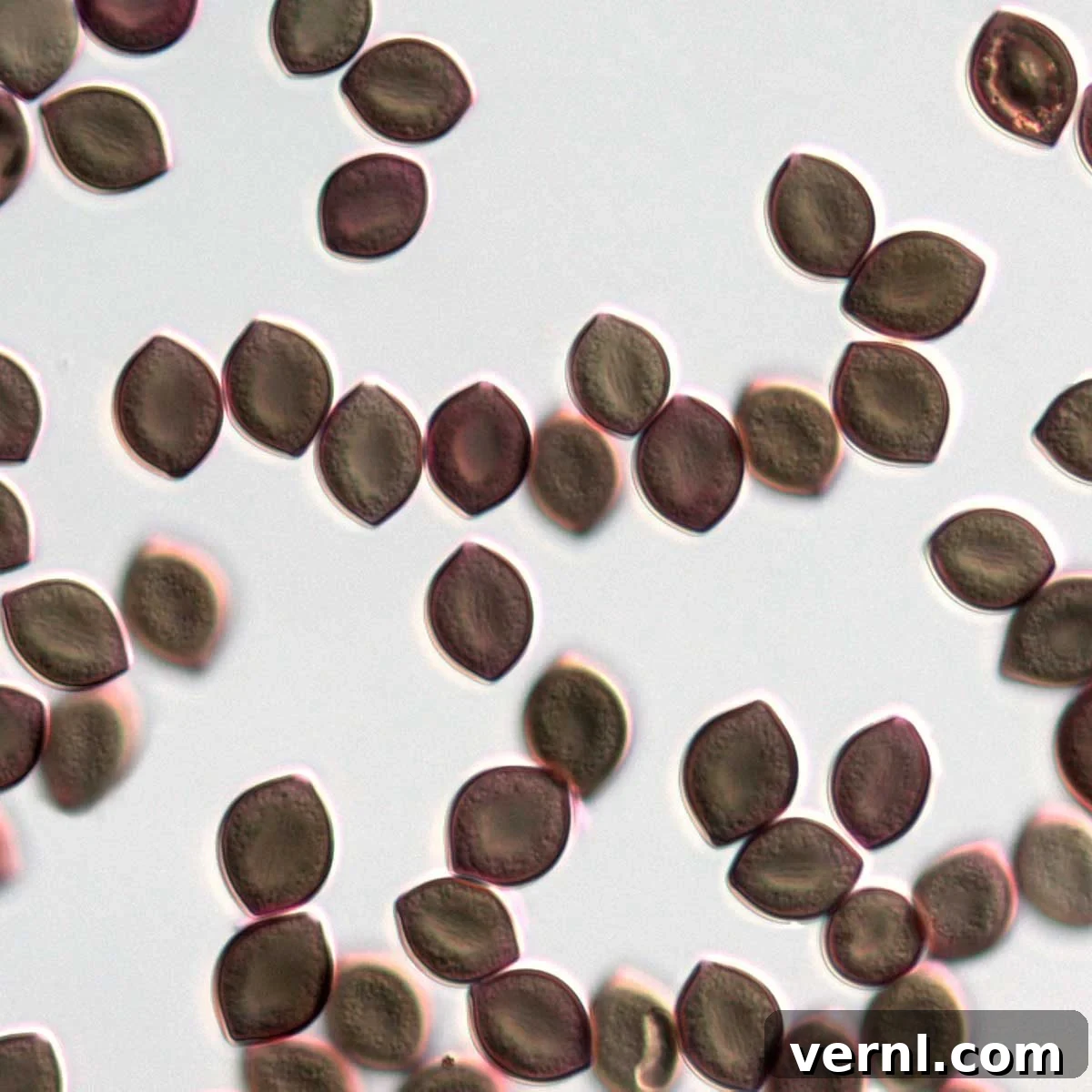
The spores of Chaetomium are distinctively dark brown and possess an oval, somewhat plump, football-like shape. While these spores are airborne, their dispersal is typically not widespread unless the mature mold colony is physically disturbed or agitated, causing the spores to detach and become airborne. This characteristic highlights the importance of cautious handling during inspection or remediation to prevent further contamination.
Chaetomium thrives predominantly in environments rich in cellulose, which serves as its primary food source. As the mold matures, it actively digests this cellulose, leading to the gradual decomposition of the infested material. This digestive process releases volatile organic compounds (VOCs) that are responsible for a characteristic and unmistakable musty odor. This musty smell is often one of the earliest and most reliable indicators of hidden mold growth, including Chaetomium, and should never be ignored. The degradation of cellulose-rich materials not only compromises the structural integrity of your home but also continuously releases spores and potentially mycotoxins into your indoor air.
Where Is Chaetomium Mold Commonly Found in Your Home?
Chaetomium species are ubiquitous across the globe, naturally occurring in diverse outdoor settings such as animal dung, damp soil, and decomposing plant matter. However, their transition indoors transforms them from environmental decomposers into destructive household invaders. Inside a residential property, Chaetomium readily latches onto any moist surface that contains cellulose, its preferred nutrient source. This includes, but is not limited to, wooden structural elements, ceiling tiles, drywall, wallpaper, particleboard, and even certain types of insulation.
As Michael Sacenti emphasizes, “You can find Chaetomium in basements, kitchens, or bathrooms. Really anywhere there’s moisture in the home.” This highlights the critical connection between moisture and mold proliferation. Chaetomium is especially prevalent on water-damaged surfaces that have experienced prolonged dampness. Common culprits include areas affected by burst pipes, leaking roofs, plumbing failures, overflowing appliances, persistent condensation, and inadequate ventilation in humid areas.
Specific high-risk zones within a home include basements prone to flooding or high humidity, poorly ventilated bathrooms and laundry rooms, kitchens with leaky sinks or dishwashers, and attics with roof leaks or condensation issues. Furthermore, Chaetomium can often be found in concealed spaces such as behind walls, under floorboards, or within crawl spaces, making detection challenging until the infestation becomes significant or the musty odor becomes undeniable. Any area that has been exposed to water damage, whether from a sudden flood or a slow, chronic leak, provides an ideal breeding ground for this dangerous mold.
The Grave Health Risks Associated with Chaetomium Mold Exposure
The presence of Chaetomium mold in your home is not merely an aesthetic or structural concern; it poses significant and potentially severe health problems. Like many other indoor molds, Chaetomium can readily trigger intense allergic reactions and respiratory infections, particularly in individuals with compromised immune systems, pre-existing respiratory conditions like asthma, or young children and the elderly. Symptoms often mimic those of seasonal allergies or a common cold, including sneezing, coughing, runny nose, itchy eyes, skin rashes, and congestion. However, for vulnerable populations, these symptoms can escalate into chronic bronchitis, pneumonia-like symptoms, or severe asthma attacks.
Mycotoxins: The Hidden Danger
A more insidious threat from Chaetomium stems from its ability to produce potent mycotoxins. Several species within the Chaetomium genus are known to release these toxic secondary metabolites, which can be carcinogenic (cancer-causing). Exposure to these mycotoxins, often through inhalation of spores or direct contact, can lead to a wide array of systemic health effects. These may include neurological issues such as “brain fog,” memory impairment, headaches, and fatigue. The mycotoxins can also affect various organ systems, potentially causing liver damage, kidney dysfunction, and immune suppression, making the body more susceptible to other infections.
Beyond respiratory and systemic effects, Chaetomium is specifically known to cause skin and nail infections, medically termed onychomycosis and dermatophytosis, respectively. Direct contact with contaminated surfaces or spores can lead to persistent and difficult-to-treat infections of the skin, hair, and nails.
In rare but devastating cases, exposure to Chaetomium has been linked to fatal brain infections, specifically known as cerebral phaeohyphomycosis or other forms of fungal encephalitis. While these instances are uncommon, they underscore the extreme danger this mold can pose, especially to individuals with severely weakened immune systems. As Michael Sacenti emphatically states, “It’s urgent to remove Chaetomium; you don’t want it to get into your system. It’s one of the most dangerous molds.” This expert warning highlights the critical importance of swift action upon detection.
How to Safely Remove and Prevent Chaetomium Mold
While all mold discovered in homes warrants immediate attention and elimination, Chaetomium carries a level of urgency often surpassing that of other common molds. Recognized as one of the top two or three most dangerous mold genera to human health, acting swiftly to address an infestation can be the crucial differentiator between experiencing no health consequences and suffering from serious, long-term ailments. Effective remediation requires a methodical approach, beginning with stringent safety measures.
1. Prioritize Personal Protection
Before attempting any mold cleanup, always equip yourself with appropriate Personal Protective Equipment (PPE). This includes a HEPA-rated respirator (N95 or P100 filter) to prevent the inhalation of airborne spores and mycotoxins, chemical-resistant gloves to protect your skin, snug-fitting eye protection or goggles to shield your eyes from spores, and a disposable set of coveralls to prevent spores from contaminating your clothing and spreading to other areas of your home. Proper ventilation of the work area, if possible, is also crucial during the cleanup process.
2. Eliminate the Moisture Source
The fundamental first step in any mold remediation project is to identify and completely eliminate the source of moisture that is enabling the mold to grow. Mold cannot thrive without water. This could mean fixing a leaky pipe, sealing a roof leak, improving drainage around your home’s foundation, or addressing a condensation problem. If standing water is present, it must be promptly pumped out. Once the source is addressed, thoroughly dry the affected area using powerful fans, dehumidifiers, and potentially heat. The goal is to reduce moisture levels to a point where mold cannot survive or proliferate.
3. Contain the Infestation
To prevent the spread of mold spores to unaffected areas of your home, it’s advisable to contain the work zone. This can be achieved by sealing off the area with plastic sheeting and duct tape, creating a barrier between the contaminated space and the rest of the house. For larger infestations, establishing negative air pressure within the containment zone, using a HEPA-filtered air scrubber, can further prevent spore migration.
4. Remove and Dispose of Contaminated Materials
For porous materials like drywall, insulation, ceiling tiles, carpets, padding, and heavily damaged wood, removal is often the most effective solution. These materials absorb moisture and mold spores deeply, making thorough cleaning nearly impossible. Carefully tear out and double-bag all mold-infested materials in heavy-duty plastic bags, sealing them before transport to prevent further spore release. Dispose of these materials according to local waste disposal regulations, often requiring them to be treated as hazardous waste.
5. Clean Non-Porous Surfaces
For non-porous surfaces such as metal, glass, plastic, and sealed wood, vigorous scrubbing with a suitable mold cleaner is effective. A non-toxic fungicide is a good option, or you can use a solution of detergent and water. For particularly stubborn areas, specialized mold removers are available. Always follow product instructions carefully and ensure the area is thoroughly dried after cleaning to prevent immediate recurrence. Avoid using bleach on porous materials, as it doesn’t effectively penetrate and kill mold roots, and its fumes can be hazardous.
6. Implement Long-Term Prevention Strategies
Once the mold is removed and the area is dry, focus on preventing future infestations:
- Moisture Control: Maintain indoor humidity levels between 30% and 50% using dehumidifiers in damp areas like basements. Ensure proper ventilation in kitchens and bathrooms with exhaust fans.
- Leak Management: Regularly inspect your plumbing, roof, and foundation for any signs of leaks or water intrusion and repair them immediately.
- Air Circulation: Ensure good airflow throughout your home by opening windows, using fans, and arranging furniture to avoid blocking vents.
- Building Material Choices: In areas prone to moisture, consider using mold-resistant drywall, paints, and insulation.
- Routine Cleaning: Regularly clean and dry areas that are frequently wet, such as shower stalls and sinks.
- Outdoor Drainage: Ensure gutters are clean and direct water away from your home’s foundation.
When to Call a Professional Mold Remediation Specialist
While small mold patches (less than 10 square feet) can often be handled by homeowners following strict safety protocols, larger infestations, hidden mold, or situations where residents experience severe health symptoms warrant professional intervention. Mold remediation specialists possess the expertise, specialized equipment (like HEPA vacuums, air scrubbers, and moisture meters), and protective gear to safely and effectively remove extensive mold growth without compromising indoor air quality or personal health. Michael Sacenti, like other reputable professionals, offers invaluable services for complex cases, ensuring thorough cleanup and preventing recurrence.
About the Expert: Michael Sacenti
- Michael Sacenti owns American Healthy Homes. He brings a wealth of experience to the field of mold remediation, with 10 years dedicated to the industry. His expertise is further bolstered by 40 years of experience in real estate maintenance, providing him with a profound understanding of building structures and common problem areas for moisture and mold development.