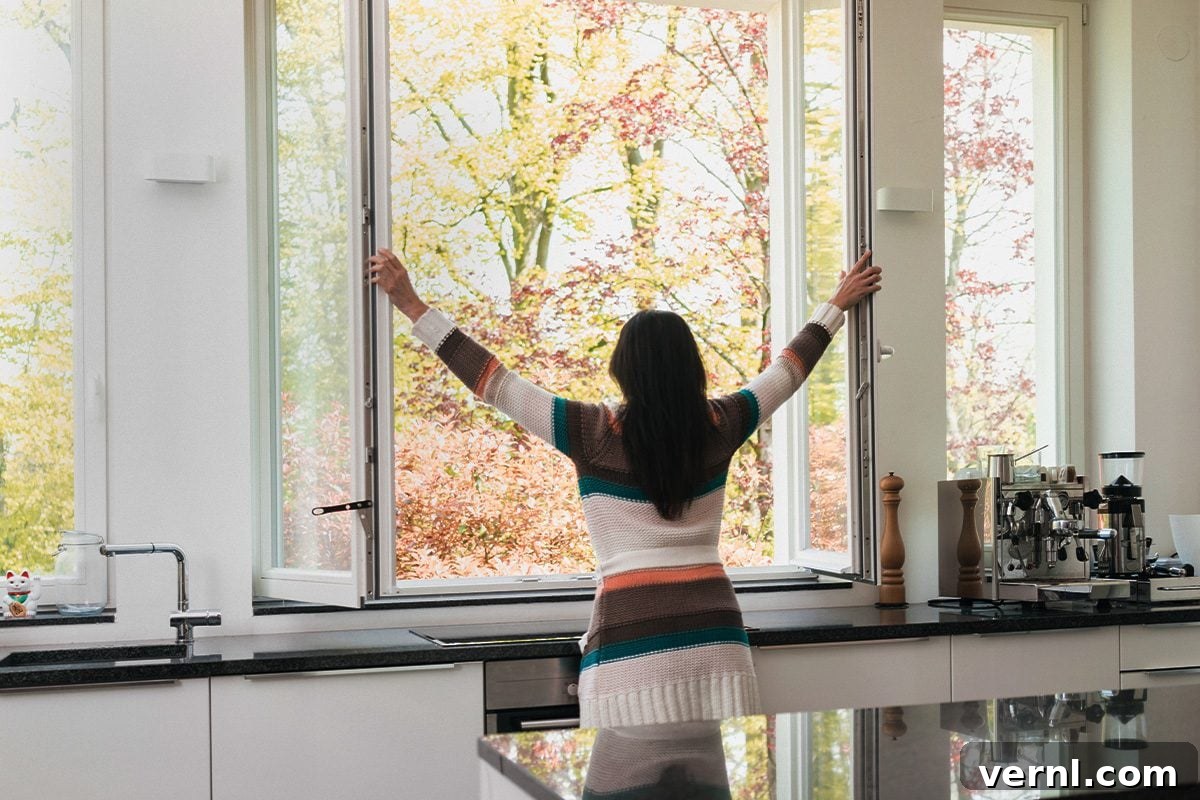
Breathe Easy: Unveiling the Power of “House Burping” for Superior Indoor Air Quality
Ever encountered a phrase so peculiar it makes you pause? “House burping” is undoubtedly one of them. While the name might evoke a chuckle, this quirky term actually refers to a time-honored home ventilation practice that has recently surged in popularity across the United States. If you’ve overheard conversations or scrolled past headlines about house burping, rest assured, you’re not alone in your curiosity. This seemingly unusual technique is rapidly gaining recognition for its profound benefits in enhancing indoor air quality and fostering healthier living environments.
The concept of “house burping” has taken the internet by storm, sparking widespread discussion among homeowners and health enthusiasts alike. But what precisely does this practice entail, where did it originate, and most importantly, how can residents safely integrate it into their daily routines?
What Exactly is “House Burping”? Unveiling the Practice of Natural Home Ventilation
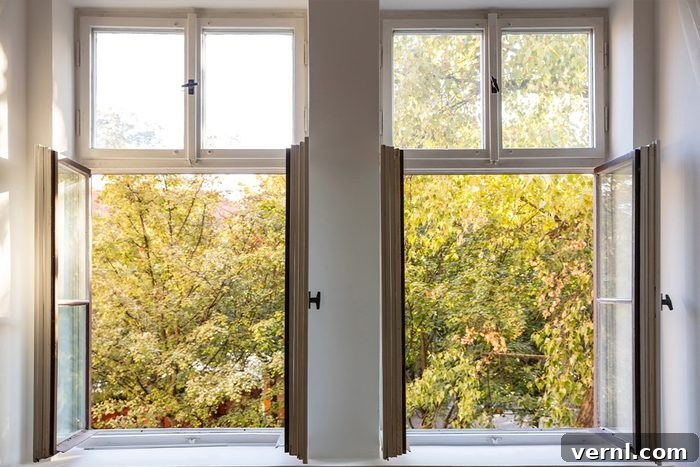
At its core, “house burping” is the intentional, intermittent airing out of a residential or non-residential enclosed space by fully opening windows and sometimes doors. This process typically lasts for several minutes, though the duration can be adjusted based on various factors. The underlying principle is rooted in a traditional German practice known as “Lüften” (pronounced loo-f-ten), a daily home ventilation routine that emphasizes active air exchange over passive circulation.
Many German households eschew reliance on slow trickles of airflow through small gaps or continuous air conditioning for their primary ventilation. Instead, they embrace the power of cross-breeze, opening windows—often on opposing sides of a home or room—and occasionally doors, to facilitate a rapid and thorough recirculation of fresh air. After a brief period, usually five to ten minutes, during which fresh outdoor air floods the interior, residents can close their windows, allowing their heating or cooling systems to operate with a newly purified and oxygenated indoor atmosphere. This quick, forceful exchange is what gives the practice its memorable, if somewhat amusing, English moniker: “house burping” – a direct and humorous translation that effectively captures attention for a genuinely serious matter.
The Vital Importance of Fresh Air: Beyond Just a Pleasant Sensation
The attention-grabbing name serves a crucial purpose: to highlight an aspect of home maintenance that many homeowners might not fully appreciate. Fresh air is not merely a luxury; it’s a fundamental component of a healthy indoor environment. Implementing regular “house burping” offers a multitude of benefits:
- Removes Indoor Pollutants: Our homes accumulate a surprising array of airborne contaminants. These include volatile organic compounds (VOCs) off-gassed from furniture, paints, and cleaning products; carbon dioxide from human respiration; pet dander; dust mites; and even mold spores. A quick blast of fresh air effectively flushes these out.
- Controls Excess Moisture: Activities like cooking, showering, and even breathing contribute to indoor humidity. If left unchecked, this moisture can lead to condensation, promote mold and mildew growth, and even damage structural elements. “House burping” expels humid air, helping to maintain optimal indoor moisture levels.
- Eliminates Odors: Lingering cooking smells, pet odors, or the general “stale” scent of an unventilated home can significantly detract from comfort. Regular ventilation quickly dissipates these unpleasant odors, leaving your home feeling fresher.
- Improves Oxygen Levels: As occupants breathe, oxygen is consumed, and carbon dioxide is released. While not immediately dangerous in most homes, constantly recirculated stale air can lead to slightly reduced oxygen levels, potentially impacting cognitive function and overall well-being. Fresh air replenishes oxygen, contributing to a more invigorating atmosphere.
- Supports Better Health: By reducing the concentration of allergens, irritants, and pollutants, house burping can alleviate respiratory irritation, improve sleep quality, and support better overall health goals for all occupants, especially those with allergies or asthma.
- Potentially Enhances Energy Efficiency: Paradoxically, venting stale, humid air can sometimes make your HVAC system work more efficiently. Dry air is easier to heat and cool than humid air. A quick burst of fresh, dry air can reduce the load on your climate control systems.
The Silent Threat: Why Modern Homes Need “House Burping” More Than Ever
While modern conveniences like home humidifiers or sophisticated air purifiers play a role in managing indoor air quality, they largely work by cycling and filtering existing indoor air. “House burping,” however, introduces a direct, rapid exchange with Mother Nature’s own purification system, offering a different, yet complementary, approach.
Over recent decades, American homes have undergone significant transformations, becoming increasingly tightly sealed. This evolution is driven by advancements in insulation, the widespread adoption of energy-efficient windows, improved roofing techniques, and meticulous weatherstripping. These innovations are undoubtedly beneficial for energy efficiency, helping to regulate indoor temperatures more effectively and substantially reduce utility costs. However, this pursuit of airtightness often comes at the expense of natural airflow. The unintended consequence is that pollutants, moisture, and odors become trapped indoors, leading to a build-up that can compromise indoor air quality (IAQ). With a growing societal awareness of IAQ’s critical importance, practices like “house burping” have emerged as simple, yet powerful, solutions to address this modern architectural challenge, compelling us to re-evaluate how air circulates within our living spaces.
Accessible, Effortless, and Effective: A Smart Addition to Your Home Routine
The appeal of “house burping” to homeowners is immediate and understandable. It requires absolutely no new equipment, no costly installations, and is a remarkably easy routine to remember and incorporate into daily life. Think of it as another simple chore, much like making your bed or watering your plants. Now, when you draw back the curtains in the morning to let in natural light, you can also take a few moments to open your windows for a quick “burp.” The key is to remember to set an alarm or a mental note, because leaving windows open for too long can inadvertently invite unwanted pests or compromise home security.
It is crucial to understand that “house burping” is not designed to be a replacement for a properly maintained heating, ventilation, and air conditioning (HVAC) system. Your HVAC unit remains vital for continuous air filtration, temperature control, and more comprehensive air management. Therefore, even if you regularly engage in air exchange with open windows, you must still adhere to the recommended schedule for changing air filters and conducting routine checks to ensure your HVAC system is operating optimally and attuned to your home’s needs.
Maximizing the “Burp”: The Power of Cross-Ventilation
For house burping to achieve maximum efficiency, it’s essential to strategically open windows in multiple corners of the house or in rooms that allow for unobstructed airflow. Imagine this scenario: opening just one window in your bedroom will certainly make that specific room feel fresher. However, if you open that bedroom window and another window in the living room on the opposite side of the house, or even on a different floor, you create a powerful cross-breeze. This enables air to flow more freely and rapidly through your home, effectively flushing out stale air and pollutants with greater speed and efficacy. This “flow-through” ventilation is the cornerstone of effective house burping.
Mastering the Art of “House Burping” Safely and Effectively
If the concept of house burping resonates with you, it’s vital to keep a few key best practices in mind to ensure both effectiveness and safety.
Environmental Considerations for Optimal Burping
- Monitor Outdoor Air Quality: Only practice house burping when the outdoor air quality is good. Local media outlets, weather channels, and dedicated environmental agencies frequently release updates and warnings when outdoor air quality is deemed dangerous. This can be due to various environmental health factors such as wildfire smoke, high pollen counts, industrial pollution, or ground-level ozone. Introducing these pollutants into your home defeats the purpose of improving indoor air quality.
- Check Outdoor Temperatures: Avoid burping your house during extreme outdoor temperatures. Opening windows when it’s excessively hot or freezing cold will cause your HVAC system to work harder, leading to unnecessary energy waste and discomfort inside your home. The goal is a quick, efficient exchange, not prolonged exposure to harsh elements.
- Consider Outdoor Humidity: In very humid climates, opening windows might introduce more moisture into your home than it removes, particularly if your home is air-conditioned. Be mindful of outdoor humidity levels to avoid counteracting your efforts to control indoor moisture.
Prioritizing Safety and Security
- Children and Pets: If you have young children or pets, extreme caution is paramount. Ensure they are not in danger of falling from open windows, especially in residences above the ground floor. Window guards or secure screens can provide an added layer of safety. Also, be mindful of pets attempting to escape through open windows or doors.
- Home Security: Open windows and doors, even for short intervals, can be an invitation for unwanted guests. It’s advisable to remain present and vigilant while house burping. Never leave your home unattended with windows or doors ajar, and consider securing windows with locks that allow for partial opening while maintaining security.
- Pest Control: A brief ventilation period is less likely to attract insects, but prolonged open windows can certainly welcome flies, mosquitoes, and other critters into your home. This is another reason to stick to shorter, more frequent burps.
Optimal Duration and Frequency
- Short, Frequent Bursts: Do not leave windows open for too long. If you’re concerned about achieving sufficient air recycling, opt for more frequent, shorter periods with windows open (e.g., 5-10 minutes, several times a day) rather than fewer, longer stretches. This strategy is more effective for rapid air exchange and minimizes energy loss.
- Strategic Timing: Consider burping your house at strategic times: after cooking to remove food odors and steam, after showering, or first thing in the morning to clear out stale overnight air. Cooler times of the day, such as mornings or evenings, are generally ideal for maximizing the influx of fresh air without significantly impacting indoor temperatures.
“House burping,” or Lüften, is a simple, free, and incredibly effective method to significantly improve the air quality within your home. By understanding its principles and implementing it safely, you can embrace a centuries-old practice that offers modern benefits for health, comfort, and well-being.
Sources
U.S. Environmental Protection Agency, “Introduction to Indoor Air Quality”
Centers for Disease Control and Prevention, “Indoor Environmental Quality”
RELATED:
- The Real Reason Aluminum Foil Has a Shiny Side and a Dull Side
- Think Adirondack Chairs Are Uncomfortable? You’re Using Them Wrong
- Why You Shouldn’t Crush Aluminum Cans Before Recycling