
Expert Guide: How to Remove Blood Stains from Carpet Effectively
Life can be messy, and accidents are an inevitable part of it. Whether it’s a scraped knee, a kitchen mishap, or a pet’s little injury, blood stains on your carpet can seem daunting at first glance. However, there’s no need to panic! With the right approach and a bit of know-how, you can effectively tackle these red marks, making them disappear as if they were never there. This comprehensive guide will walk you through proven methods for removing blood, from fresh spills to stubborn, dried-on stains, ensuring your carpet looks pristine once more.
Understanding Blood Stains on Carpet and Why Quick Action Matters
Blood is a protein-based stain, which means it tends to set into fibers quickly, especially when exposed to heat. The hemoglobin in blood can oxidize, turning from a bright red to a darker, more brownish hue as it dries and bonds with carpet fibers. This is why immediate action is your best defense against a permanent stain. The faster you act, the easier it will be to lift the blood before it has a chance to fully coagulate and bond deeply with the carpet.
Essential Tools and Materials You’ll Need
Before you begin, gather the following common household items. Having everything at hand will make the cleaning process smoother and more efficient:
- Disposable gloves (crucial for hygiene and safety)
- Clean, white paper towels or absorbent cloths
- Baking soda
- Cold water
- Unscented dish detergent
- White vinegar
- Empty spray bottle
- Sponge or clean cloths
- Wet/dry vacuum (or a standard vacuum cleaner with good suction)
- Ammonia (for stubborn stains, use with extreme caution)
- Small bowl or cup
- Dull knife or spoon (for dry stains)
Important Safety Precautions Before You Start
When dealing with blood, even your own, it’s always wise to prioritize safety and hygiene. Follow these precautions:
- Wear Gloves: Always wear disposable gloves when handling blood to protect yourself from potential bloodborne pathogens.
- Ventilation for Ammonia: If you use ammonia, ensure the area is well-ventilated. Open windows and doors. Ammonia fumes can be strong and irritating. Never mix ammonia with bleach, as this creates dangerous, toxic gases.
- Patch Test: Before applying any cleaning solution (especially ammonia or vinegar mixtures) to a visible area, always test it on an inconspicuous part of your carpet. This helps ensure it won’t cause discoloration or damage to your specific carpet type.
- Keep Pets and Children Away: Ensure that cleaning products are out of reach and that the area being cleaned is inaccessible to children and pets until it’s completely dry and aired out.
How to Remove Fresh Blood from Carpet: Act Fast for Best Results!
The ideal scenario for any blood spill is to address it immediately. Fresh blood is much easier to remove because it hasn’t had time to coagulate and deeply bond with the carpet fibers. Follow these steps to lift the blood without breaking a sweat:
- Blot, Don’t Scrub: The very first and most crucial step is to gently blot any excess liquid blood with a clean, white paper towel or an absorbent cloth. Start from the outside edges of the stain and work your way inward. This technique helps prevent the stain from spreading. Never scrub or rub the stain, as this will only push the blood deeper into the carpet fibers and make it harder to remove. Continue blotting with fresh sections of paper towel until no more blood transfers.
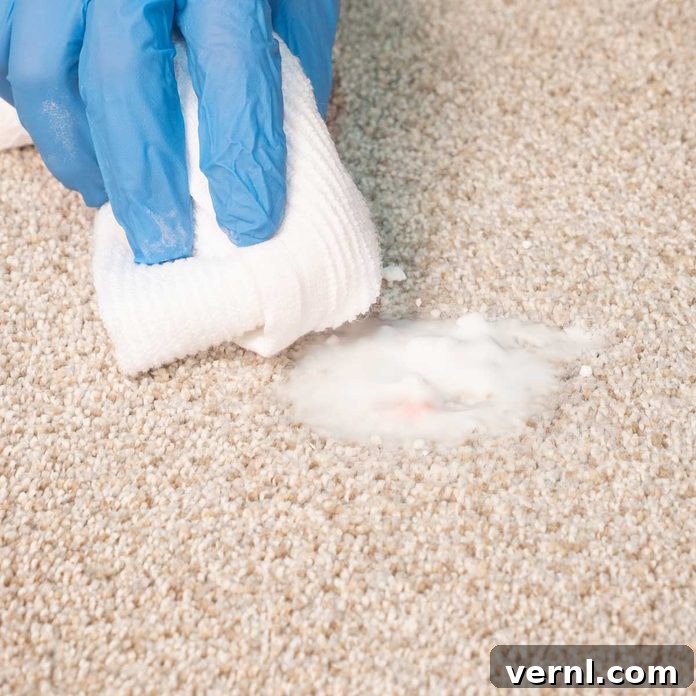
- Prepare a Baking Soda Paste: Baking soda is an excellent natural absorbent and a mild abrasive. Sprinkle a generous amount of baking soda directly onto the remaining stain. Then, add just a little bit of cold water to create a thick paste consistency. The cold water is vital because hot water can “cook” the protein in the blood, setting the stain permanently.
- Gently Scrub and Absorb: Using a clean, damp cloth (preferably white to avoid color transfer), gently scrub the baking soda paste into the stain. Use a circular motion, working from the outside of the stain inward. The baking soda will work to absorb the blood and gently lift it from the fibers. Continue scrubbing and dabbing until the carpet feels completely dry and you see the baking soda has absorbed the reddish hue. You may need to apply more baking soda and repeat this step if the stain is still visible.
- Remove Moisture and Residue: Once you’re satisfied with the stain removal, use a wet/dry vacuum to thoroughly remove any excess moisture and the dried baking soda residue. If you don’t have a wet/dry vacuum, you can use a regular vacuum once the carpet is completely dry, but be sure to blot as much moisture as possible with dry towels first to prevent mold or mildew.
Pro Tip for Fresh Stains: Always use cold water when dealing with blood. Hot water will denature the proteins in the blood, causing them to bond more strongly to the carpet fibers, making the stain much more difficult, if not impossible, to remove.
Tackling Dry Blood Stains on Carpet: Patience is Key
Don’t despair if you weren’t able to clean up the blood when it was still wet. Dry blood stains are definitely more challenging, but they are far from impossible to remove. With a bit more effort and the right cleaning agents, you can still restore your carpet to its former glory. Remember your gloves!
- Gently Scrape Off Excess: For dry, crusted blood, begin by gently scraping off as much of the hardened blood as possible using a dull knife, a spoon, or the edge of a credit card. Be careful not to damage the carpet fibers. This step helps remove the surface layer, allowing your cleaning solution to penetrate more effectively.
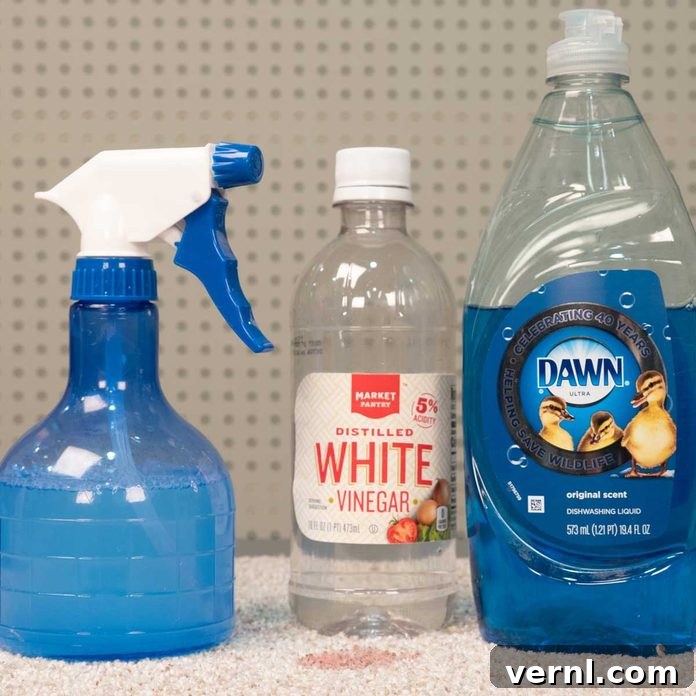
- Prepare the Cleaning Solution: In an empty spray bottle, mix about 1 cup of warm (not hot!) water, a squirt (about half a teaspoon) of unscented liquid dish detergent, and a small amount (about a tablespoon) of white vinegar. The dish detergent acts as a surfactant, breaking down the blood’s surface tension, while the vinegar helps neutralize odors and further aids in breaking down the stain.
- Generously Apply the Solution: Spray the prepared solution generously onto the dried blood stain, ensuring the fibers are well saturated but not soaking wet. Allow the solution to sit on the stain for 5 to 10 minutes. This dwell time is crucial as it gives the solution a chance to penetrate the dried blood and start breaking down its bond with the carpet fibers.
- Blot and Lift: Using a clean, damp cloth or sponge, begin blotting the stain. Work from the outside edges towards the center to avoid spreading the stain. As the blood transfers to the cloth, use a clean section or switch to a new cloth. Apply gentle pressure and continue blotting. You should see the stain gradually lifting. Repeat this process of spraying and blotting until the stain is no longer visible.
- Rinse and Dry Thoroughly: Once the blood stain is gone, lightly spray the area with plain cold water to rinse away any remaining cleaning solution. Then, use a clean, dry towel to blot up as much moisture as possible. Finally, use a wet/dry vacuum to extract any residual water. Ensuring the carpet is thoroughly dry is vital to prevent mildew or a soapy residue that could attract dirt.
Removing Stubborn and Set-In Bloodstains: When All Else Fails
If you’ve tried the above methods and the stain still stubbornly remains, it’s time to bring out a more powerful solution: ammonia. Ammonia is a strong alkaline cleaner that can be very effective against protein-based stains like blood, but it must be used with caution and proper ventilation.
- Prepare the Ammonia Solution: In a small cup or bowl, mix 1/2 cup of warm water with one tablespoon of clear household ammonia. Remember, ensure proper ventilation by opening windows and doors, and never mix ammonia with bleach or any other cleaning products.
- Apply and Blot: Carefully pour a small amount of the ammonia solution directly onto the stubborn blood stain. Allow it to sit for just a few minutes – typically 3 to 5 minutes – to let the ammonia work on breaking down the embedded blood. Then, with a clean, white cloth or sponge, gently blot the stain, pressing firmly to absorb the liquid and lift the blood. Continue blotting with clean sections of the cloth until the liquid is fully absorbed and the stain is no longer transferring.
- Rinse and Dry: It is crucial to thoroughly rinse the area after using ammonia. Dab the surface with a sponge dipped in plain cold water. Repeat this rinsing and blotting process several times to ensure all traces of the ammonia solution are removed from the carpet fibers. Any residual ammonia can damage the carpet over time or leave a stiff residue. Finally, blot the area dry with a clean towel and use a wet/dry vacuum to remove any remaining moisture.
Important Note on Ammonia: Always test ammonia solution on an inconspicuous area first, as it can sometimes lighten or damage certain carpet dyes or fibers. Do not use ammonia on wool or wool-blend carpets, as it can damage these natural fibers.
When to Call a Professional Carpet Cleaner
While DIY methods are often effective, there are times when calling a professional carpet cleaner is the best course of action:
- If the stain is very large or covers a significant area.
- If the carpet is made of delicate materials like silk, antique wool, or specialty blends that require expert care.
- If the stain has been deeply set for a very long time and multiple home remedies have failed.
- If you’re unsure about the type of carpet you have or fear causing damage.
Conclusion: Reclaim Your Spotless Carpet
Blood stains on your carpet can be unsettling, but they don’t have to be a permanent fixture. By understanding the nature of blood, acting quickly, and applying the right cleaning techniques, you can effectively remove these marks and restore the beauty of your home. Remember to prioritize safety by wearing gloves and ensuring proper ventilation, especially when using stronger cleaning agents like ammonia. With this guide in hand, you’re equipped to tackle even the most stubborn blood stains with confidence, leaving your carpet looking fresh and clean.
Next, discover this tried and true method for how to get nail polish out of the carpet.