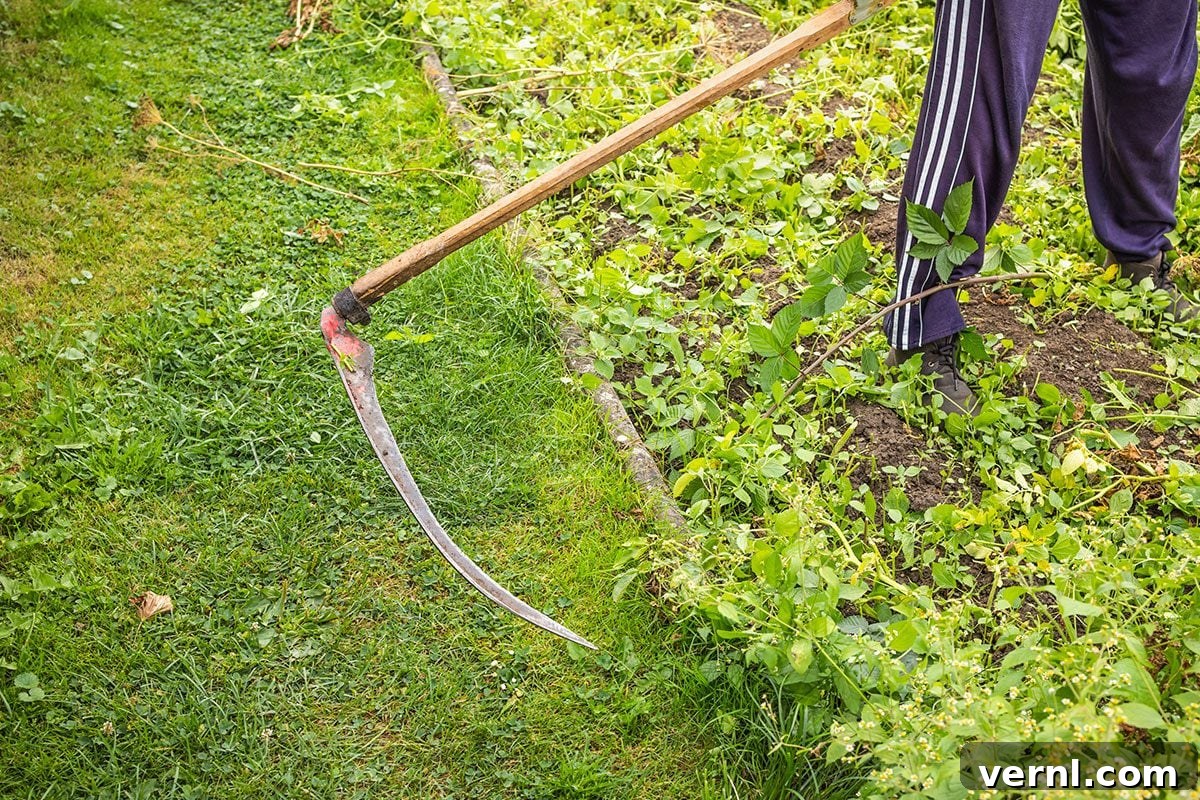
Having a lawn means taking on various yard chores. Mowing, fertilizing, and watering are all essential for a healthy yard. With summer approaching and temperatures rising, you may be thinking about getting an early start on weekend yard work. If noise is a concern, there’s an increasingly popular alternative: cutting grass by hand with a scythe. Many people have taken to this quieter, lower-cost method, and it can also be better for local wildlife and habitat.
Is It Hard to Cut Grass by Hand?
Enthusiasts report that mowing with a scythe is easy to learn and does not require great physical strength. For example, a couple in their 50s shared that they take two days to cut half a hectare of wildflower meadow, working at a leisurely pace and taking a long midday break to avoid the heat. That schedule isn’t about speed so much as sustainability: they avoid overexertion and preserve enjoyment of the task.
They also stagger their work. Rather than cutting the entire meadow at once, they wait until grass in the first half has recovered before mowing the second half. This approach is deliberate and environmentally minded: spacing cuts helps ensure not all cover and food for wildlife disappear at once. For gardeners with orchards or naturalized areas, doing two seasonal cuts and rotating sections can support pollinators and other fauna while keeping the area tidy.
What Are the Benefits of Cutting Grass With a Scythe?
Using a scythe is relatively inexpensive and eco-friendly. A good scythe is a one-time purchase that can last many years and eliminates the need for fossil fuels, fuel storage, and the maintenance associated with gas or electric mowers. Winterizing and storing a scythe is simple compared with servicing powered equipment.
Hand mowing is quiet and often more peaceful than using a motorized mower. Because there’s far less noise, you can start earlier in the day without worrying about disturbing neighbors or running afoul of noise ordinances. Many people also find the repetitive, rhythmic motion meditative once they settle into it, offering a gentle mental break alongside physical activity.
A slower cutting speed makes a difference for wildlife. Moving more slowly than a gas mower gives insects, small mammals, and ground-nesting birds more time to escape. While care is still necessary to avoid harming creatures, the odds of incidental injury are reduced compared with fast, noisy machinery.
This method won’t suit every lawn or every gardener—steep slopes, dense brush, or very large turf areas may still be better served by other tools—but it’s worth trying in smaller yards, meadows, or naturalized areas. Besides practical benefits, a scythe can be a handy seasonal prop for autumn displays or costume events, so it’s useful in more ways than one.
If you’re curious, start small: practice proper technique, maintain the blade sharpness, and experiment with a section of your yard to see whether scything fits your routine and landscape. It’s an accessible, sustainable option that many homeowners are rediscovering.
RELATED:
- 7 Reasons Why Your Houseplants Might Stink
- 8 Must-Know Tips to Drought-Proof Your Lawn
- Tired of Raking Leaves? Plant These Trees Instead