
Smartphones are no longer luxuries — they are essential tools for daily life. At the same time, they can be frustrating and expensive: many people notice performance slipping soon after paying off a device. That raises a familiar question: are smartphones deliberately designed to fail, or is declining performance simply a result of normal wear?
Some industry insiders say planned obsolescence does play a role. “Planned obsolescence is a real tactic that some manufacturers use to drive repeat purchases,” says Michael Frohlich, a developer and engineer. But declining performance can also be much more mundane: worn-out batteries, software compatibility limits and the natural aging of components are common causes. In many cases a modest battery replacement or repair can restore a phone’s usability for years.
Are Smartphones Actually Designed to Fail?
Short answer: sometimes. A notable example involved accusations that a major smartphone maker slowed older models around the time new phones launched; the company later settled a class-action lawsuit. They attributed the behavior to battery aging causing unexpected shutdowns, which in turn triggered performance throttling to protect the device. Whether intentional or not, such events have reinforced public concerns about manufacturers nudging consumers toward upgrades.
More commonly, phones become effectively obsolete when manufacturers stop providing software updates. Apple typically supports iPhones for roughly six years, while many Android makers provide major updates and security support for about three to four years. Once updates cease, security vulnerabilities and app incompatibilities force many users to upgrade sooner than they might otherwise want to.
Product design choices also make frequent replacement more likely: sealed, water-resistant enclosures and very thin, densely packed internals reduce repairability. Those designs improve durability and aesthetics, yet they also mean that simple repairs are harder, making replacement a more attractive option for some users.
Which Smartphone Parts Wear Out First?
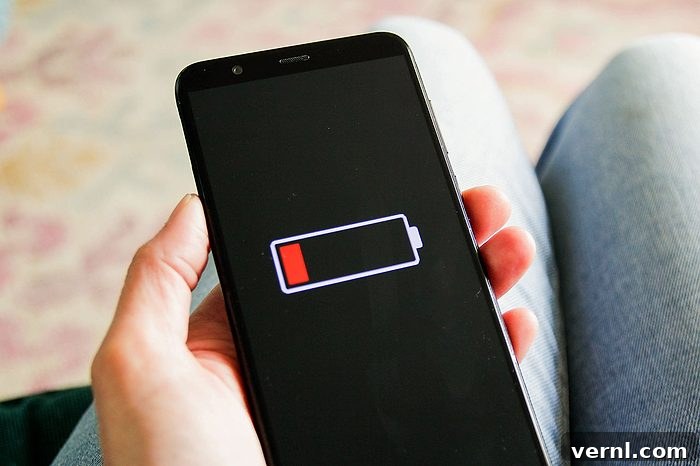
The battery is the part most likely to fail first. Lithium-ion batteries start to lose capacity after roughly 500 full charge cycles, which translates to reduced runtime, occasional unexpected shutdowns and periodic performance throttling. “Don’t mistake a declining battery for a dead phone,” says phone refurbisher Steven Athwal. “A battery replacement can often extend a phone’s useful life by years.”
Other common failures are broken screens and damaged charging ports. Both are frequently repairable at relatively low cost compared with buying a new device.
Why Are Modern Smartphones So Hard to Repair?
Two major trends make self-repair more difficult: water resistance and slimmer form factors. These improvements rely on adhesives, tight tolerances and integrated modules that aren’t designed for easy disassembly. While these features make phones more reliable in everyday use, they also raise the bar for do-it-yourself fixes and independent repair shops.
Battery Myths and Practical Advice
There’s a lot of conflicting advice about battery care. Here are the facts that genuinely extend battery life:
- Keeping the battery between about 20% and 80% typically preserves capacity better than repeatedly charging to 100% or letting it drain to zero.
- Charging overnight is not inherently dangerous for modern phones, but maintaining a constant 100% charge accelerates long-term capacity loss.
- Frequent use of fast charging can increase battery wear compared with slower charging over the long term.
- If you need a replacement, prefer high-quality parts; OEM or reputable third-party batteries generally offer the best reliability.
How Long Should a Smartphone Actually Last?

With reasonable care, many smartphones can last four years or more, and some buyers keep devices for five to seven years. With a timely battery replacement and basic maintenance — protective case, prompt screen repairs and software updates — a phone can remain useful for a decade in some cases. The exact lifespan depends on build quality, software support and how aggressively an owner follows best practices.
Environmental Impact of Frequent Replacements
Replacing phones frequently has substantial environmental and social costs. Manufacturing smartphones consumes energy and emits greenhouse gases; extracting lithium and rare earth minerals involves significant ecological disruption. When devices are discarded rather than repaired or recycled properly, these impacts multiply. “Every replacement means more mining, manufacturing and shipping,” says Athwal, highlighting both environmental waste and the social toll of resource extraction.
Can You Make Your Smartphone Last Longer?
Yes. Many practical steps extend a phone’s usable life:
- Enable any built-in battery health features that limit charging to a safe range (for example, 20%–80%).
- Replace the battery when capacity drops significantly instead of buying a new phone.
- Address cracked screens and faulty ports promptly to prevent secondary damage.
- Use a protective case and a screen protector.
- Keep software updated to maintain security and performance.
- Avoid exposing the phone to excessive heat, which accelerates battery degradation.
FAQ
Do phone companies intentionally slow down old phones?
Sometimes allegations have arisen, and there have been high-profile settlements. Slower performance can also stem from legitimate technical causes: aging batteries that trigger thermal and power-management safeguards, or software updates that increase demands on older hardware. Regardless of intent, the result is often the same: users feel pressured to upgrade.
How many years should a smartphone last?
Three to four years is a common expectation, but with care and occasional repairs — especially a battery replacement — many phones continue to serve reliably for five years or longer.
Is it worth replacing a smartphone battery?
Yes, if the rest of the device functions well. A worn battery can make an otherwise healthy phone feel obsolete. Replacing the battery is usually cheaper and more sustainable than replacing the entire device, and it can add years of useful life.
About the Experts
- Steven Athwal — Managing Director and Founder of a UK refurbished tech retailer, with extensive experience in phone refurbishment and repair.
- Adam Yong — Software engineer focused on smartphone longevity and architecture, advocating for longer software support cycles.
- Chongwei Chen — Data recovery expert and software developer with experience in device restoration and data integrity.
- Michael Frohlich — Developer and full stack engineer working on mobile technologies and longevity.
- Zaheer Dodhia — CEO of an e-waste recycling company with over 20 years’ experience in computer hardware and sustainable electronics stewardship.