The colder months often bring a familiar household debate: the thermostat setting. Many families find themselves in a constant tug-of-war between desired warmth, energy costs, and environmental concerns. But what if there were official guidelines to help you find the sweet spot between comfort and efficiency? The good news is there are expert recommendations that can not only bring peace to your home but also put money back in your pocket.
Adopting smart thermostat strategies, such as lowering the temperature by seven to ten degrees when your home is unoccupied, can lead to substantial savings – potentially up to 10 percent on your annual heating bill. This guide will walk you through the optimal winter thermostat settings, explain why they matter, and provide actionable tips to help you achieve a comfortable, energy-efficient home without unnecessary arguments.
Optimal Winter Thermostat Settings for Comfort and Savings
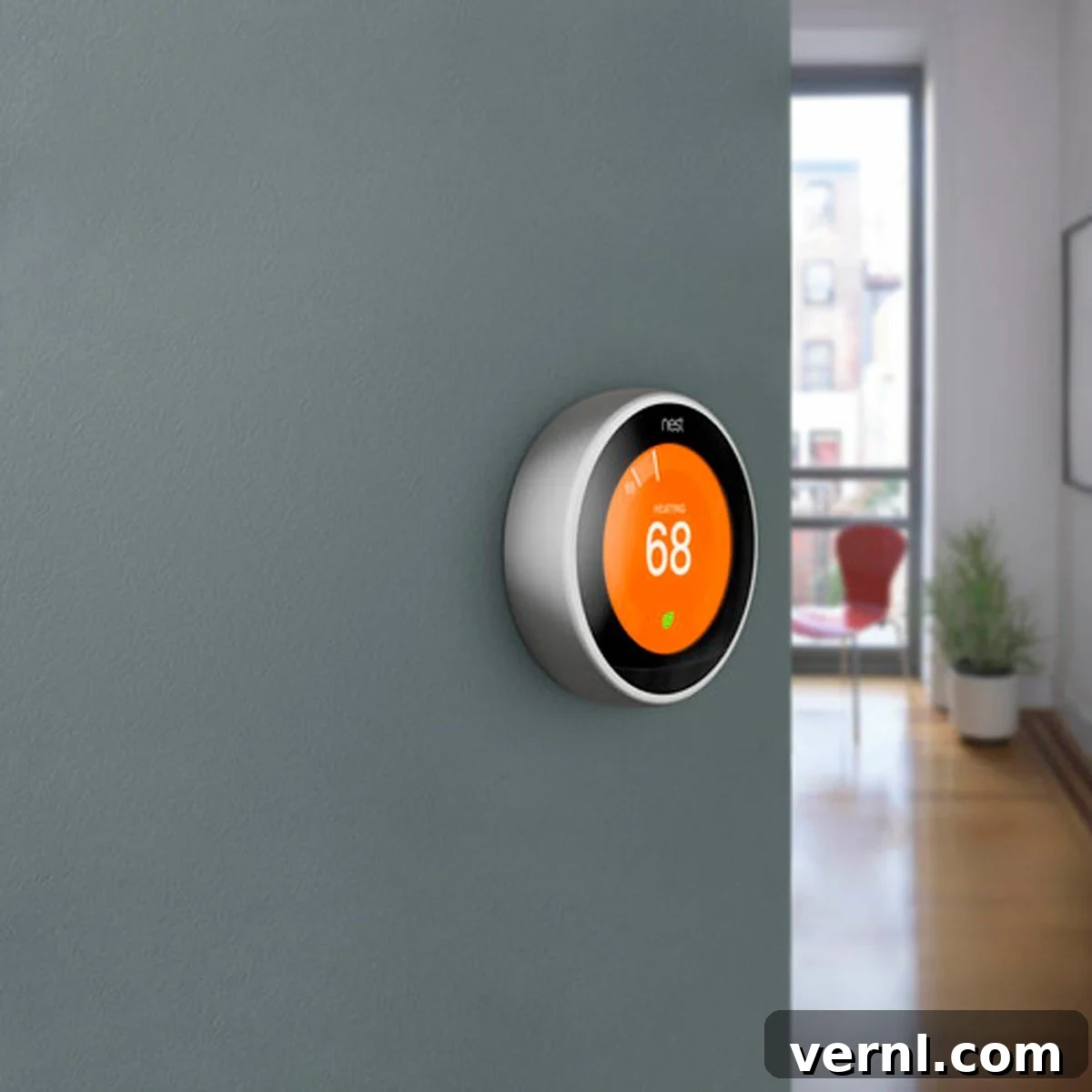
When it comes to maintaining a comfortable yet energy-efficient home during winter, 68 degrees Fahrenheit (approximately 20 degrees Celsius) stands out as the most widely recommended setting. This temperature, championed by institutions like the U.S. Department of Energy’s Energy Saver program, strikes an ideal balance, ensuring adequate warmth without excessive energy consumption. Heating your home to this level allows your family to be comfortable indoors while still being mindful of energy use and the associated costs.
However, the journey to maximum savings doesn’t stop there. Strategic adjustments throughout the day and night can further reduce your energy footprint. Energy Saver suggests lowering your thermostat by a few additional degrees at night. When you’re asleep and cozy under blankets, your body naturally requires less ambient heat to stay comfortable. This minor adjustment can lead to significant energy savings over the winter season without compromising your sleep quality.
Even more substantial savings can be achieved when your home is empty. If you’re heading out for the day, or especially if you’re going on an extended vacation, lowering your thermostat to around 55°F (approximately 13°C) is highly advisable. This prevents your heating system from working unnecessarily hard to warm an unoccupied space. For those in very cold climates, setting the thermostat to 55°F still provides enough residual heat to prevent pipes from freezing, offering peace of mind while you’re away.
Health Considerations for Indoor Temperatures
While energy efficiency is crucial, health and safety must always remain a top priority. The World Health Organization (WHO) provides essential guidelines for indoor temperatures, recommending a minimum safe indoor temperature of 64°F (approximately 18°C) for most healthy adults. Temperatures below this threshold, particularly in homes with high humidity, can pose health risks, including an increased susceptibility to respiratory problems, cardiovascular stress, and a general decline in well-being.
The WHO further advises maintaining slightly higher minimum temperatures for households with vulnerable individuals. This includes infants, toddlers, the elderly, and those with chronic health conditions or compromised immune systems. For these groups, a few extra degrees can make a significant difference in preventing illness and ensuring comfort. Therefore, while striving for energy savings, it’s vital to prioritize the health needs of all household members and ensure your thermostat settings never compromise their safety or comfort.
Understanding Personal Thermal Comfort
While official recommendations provide excellent starting points, personal comfort is subjective and varies from person to person. Factors like age, activity level, clothing, and individual metabolic rates can influence how warm or cool someone feels at a given temperature. The goal is to find a setting that balances the general guidelines with the specific needs and preferences of your household.
It’s also important to recognize that our bodies can adapt to gradual changes in temperature. What might feel a bit chilly initially can become perfectly comfortable over time as your body acclimates. This adaptation period is key to successfully implementing lower thermostat settings and realizing long-term energy savings.
Adjusting to Cooler Temperatures Gradually
If the recommended 68°F — or even cooler settings at night — feels too cold for you or your family, a gradual approach to lowering your thermostat can be highly effective. Energy providers like Direct Energy often suggest reducing your thermostat by just one degree Fahrenheit per week. This incremental change allows your body and your household to slowly acclimate to the slightly cooler indoor environment without experiencing a sudden and uncomfortable drop in temperature.
Alongside this gradual adjustment, simple lifestyle changes can significantly enhance your comfort. Dressing in layers indoors is a highly effective strategy. Donning an extra sweater, a warm sweatshirt, or even just thick socks and comfortable slippers can make a substantial difference in how warm you feel. These simple additions trap body heat close to your skin, reducing the need for your heating system to work as hard. Incorporating warm beverages like tea or coffee, using throw blankets while relaxing, and even engaging in light physical activity can further contribute to your personal warmth and overall comfort at slightly lower room temperatures.
Beyond personal habits, consider optimizing your home’s thermal envelope. Ensure windows and doors are properly sealed to prevent drafts, and check insulation levels in attics and walls. Even simple measures like keeping curtains or blinds open on sunny days to harness passive solar gain, and closing them at night to retain heat, can help maintain a comfortable indoor temperature with less reliance on your heating system.
The Critical Role of Thermostat Placement
Even if you meticulously set your thermostat to the recommended 68°F, you might still find yourself shivering if your thermostat isn’t ideally placed. Poor thermostat placement can lead to what experts call “ghost readings” — inaccurate temperature measurements that cause your heating system to operate inefficiently or incorrectly. For instance, if your thermostat is in a spot that gets warmer than the rest of the house, it will register a falsely high temperature, causing your furnace to shut off prematurely and leave other areas of your home feeling cold.
To ensure your thermostat provides an accurate representation of your home’s temperature, avoid the following problematic locations:
- Areas in direct sunlight: Sunlight directly striking the thermostat can cause it to sense a higher temperature than the actual ambient air, leading to insufficient heating.
- Directly above air vents: Placing a thermostat above a supply air vent will cause it to read the temperature of the heated air directly, not the general room temperature, resulting in short cycling and uneven heating.
- Kitchens: Heat generated from cooking appliances can significantly skew temperature readings, making the thermostat believe the house is warmer than it actually is.
- Hallways: Hallways are often transitional spaces that may be cooler or warmer than main living areas. A thermostat placed here might not accurately reflect the comfort level in the rooms where people spend most of their time.
- Near doors or windows: Drafts from poorly sealed doors and windows or radiant heat loss/gain can dramatically affect the thermostat’s reading, leading to inconsistent heating.
Additionally, if you rely on space heaters for supplemental warmth in specific areas, it’s crucial to keep them a safe distance from your main thermostat. The localized heat they produce can trigger “ghost readings,” causing your central heating system to turn off prematurely. Always adhere to proper safety protocols when using space heaters to prevent fire hazards and ensure they are used as a supplementary, not primary, heat source.
The ideal location for a thermostat is typically on an interior wall, in a central living area, away from direct sunlight, drafts, and heat-emitting appliances, and at a standard height (usually around 5 feet from the floor) for an accurate representation of your home’s average temperature.
Maximizing Your Home’s Heating Potential with Advanced Thermostats
The evolution of thermostat technology has provided homeowners with powerful tools to optimize heating efficiency and enhance comfort. Moving beyond basic manual controls, modern thermostats offer a range of features that can significantly reduce energy waste and simplify temperature management. Investing in the right type of thermostat can lead to substantial savings on your heating bill and eliminate the constant need for manual adjustments.
-
Wi-Fi Thermostats
Wi-Fi thermostats represent a significant upgrade in convenience. By connecting to your home’s wireless internet service, these devices allow you to remotely monitor and adjust your home’s temperature from anywhere using a smartphone or tablet app. This means you can turn up the heat on your way home from work, ensuring a warm welcome, or lower it if you forgot before leaving the house. Wi-Fi thermostats offer excellent control and peace of mind, making them ideal for individuals with unpredictable schedules or those who frequently travel.
-
Smart Thermostats
Building upon the capabilities of Wi-Fi thermostats, smart thermostats incorporate advanced artificial intelligence and sensor technology to maximize efficiency. These sophisticated devices can learn your daily routines and preferences, automatically creating an optimized heating schedule. Features like geofencing can detect when you’re leaving or approaching home via your smartphone’s location, adjusting the temperature accordingly. Some smart thermostats include occupancy sensors to heat only the rooms currently in use, while others provide detailed energy usage reports, empowering you to make informed decisions about your consumption. Many seamlessly integrate with smart home ecosystems and voice assistants, offering unparalleled control and automation for peak energy savings and comfort.
-
Programmable Thermostats
Programmable thermostats allow you to set specific heating schedules for different times of the day and days of the week. This “set it and forget it” functionality ensures your home is warm when you need it to be and conserves energy when you don’t. Common programming options include 7-day schedules (allowing different settings for each day), 5-2 day schedules (weekdays vs. weekends), and 1-day schedules (the same program for every day). While some programmable models connect to apps for remote control, many are programmed directly at the wall unit. It’s crucial to verify compatibility, as some programmable thermostats may not work with certain heating systems, such as heat pumps or electric baseboard heaters.
-
Traditional (Manual) Thermostats
For those who prefer simplicity and direct control, traditional thermostats remain a viable and less expensive option. These units typically feature a simple dial or switch for manual temperature adjustment. While they lack the advanced features and remote capabilities of their modern counterparts, they are perfectly functional for individuals with highly consistent schedules or those who prefer to adjust their home’s temperature manually as needed. However, without automated scheduling, they require more active management to achieve optimal energy savings.
Beyond choosing the right thermostat, consider exploring zoning systems for larger homes. Zoning allows different areas of your house to be heated independently, meaning you only heat the spaces you’re using, further enhancing efficiency and comfort. By understanding the features and benefits of these various thermostat options, homeowners can make an informed decision that aligns with their lifestyle, budget, and energy-saving goals, ensuring a warm and efficient home all winter long.
Achieving optimal comfort and energy efficiency in your home during winter is a blend of smart choices and consistent habits. By adhering to recommended thermostat settings, understanding the impact of proper placement, and leveraging modern thermostat technology, you can create a cozy living environment while significantly reducing your energy bills and environmental footprint. Make these informed decisions this winter, and enjoy a warmer home and a happier wallet.