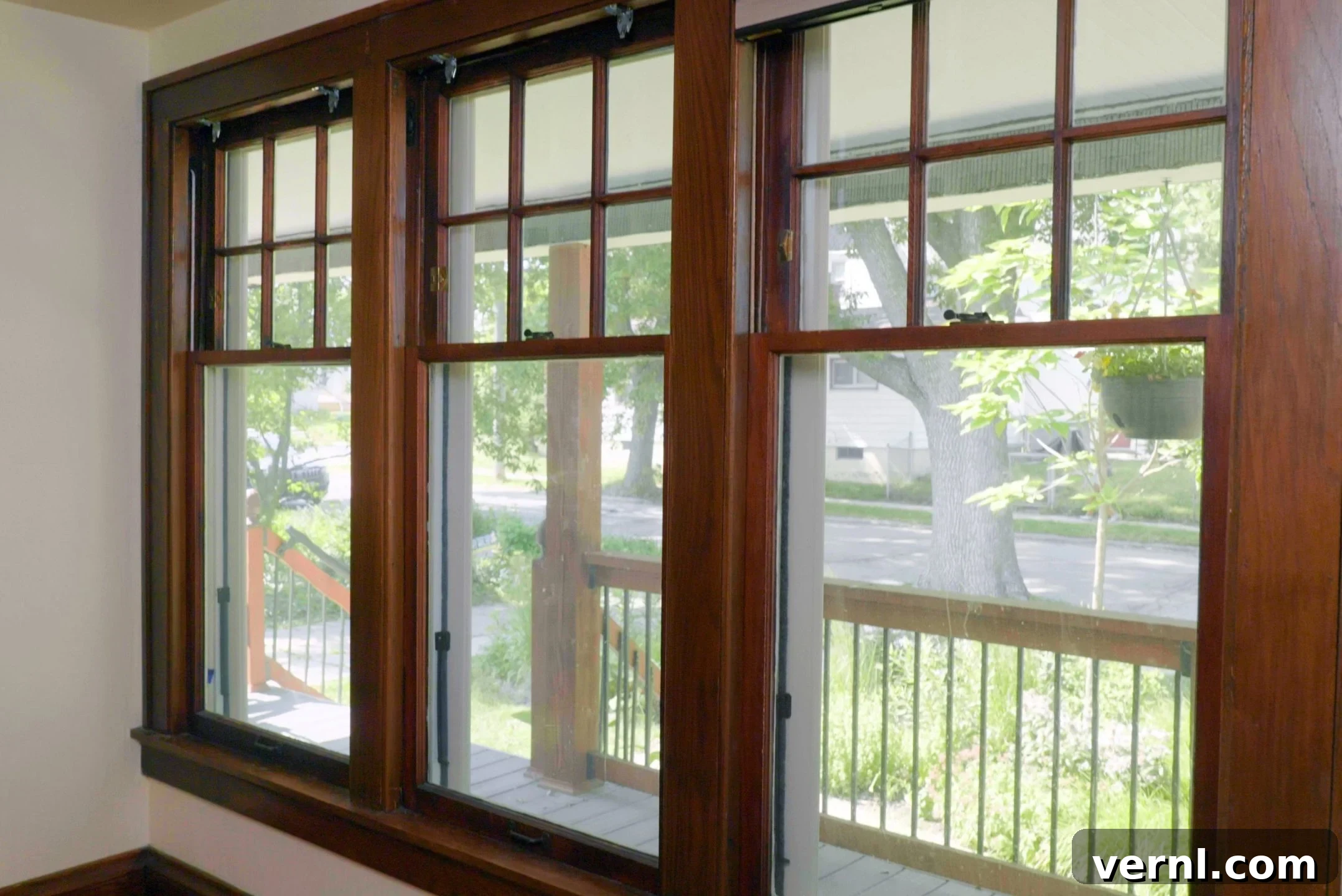
Upgrading your home with new windows is a significant undertaking, promising a host of benefits that extend beyond mere aesthetics. From enhanced energy efficiency and improved comfort to effortless operation and reduced maintenance, the appeal of new windows is undeniable. However, given the substantial financial investment involved, it’s crucial to thoroughly evaluate your existing windows and consider all available repair and maintenance options before making a commitment. This comprehensive guide will equip you with the knowledge needed to navigate the decision-making process, ensuring you choose the optimal solution for your home and budget.
The prospect of installing new windows can be very tempting. Imagine a living space where indoor temperatures are consistently pleasant, drafts are a distant memory, and every window opens and closes with remarkable ease. Picture unobstructed, crystal-clear views unmarred by condensation, alongside the convenience of minimal upkeep. These advantages are compelling, but the financial outlay—encompassing both the cost of the windows themselves and the professional installation—demands careful consideration. A well-informed decision not only transforms your living environment but also safeguards your long-term investment in your home.
Repairing vs. Replacing Your Home Windows: A Critical Evaluation
Before exploring the myriad options for new windows, it’s essential to conduct a candid assessment of your current windows’ condition and performance. By thoughtfully addressing a few key questions, you can determine if simple repairs are a viable path forward or if it’s truly time to invest in a complete window replacement for lasting solutions.
Are Your Old Windows a Constant Source of Frustration?
Many homeowners grapple with various persistent issues stemming from older, inefficient windows. Are you perpetually engaged in minor repairs and adjustments, or are you comfortable with the routine maintenance they demand? Take a moment to reflect on these common pain points:
- Ease of Operation: Do your windows lift, swing, or slide smoothly and effortlessly when you desire fresh air? Or do you find yourself struggling with stubborn sashes, avoiding opening them even on pleasant days? Windows that are difficult to operate significantly detract from your home’s comfort and functionality. Over time, mechanisms can wear out, frames can warp, and sashes can stick, transforming a simple act into a frustrating chore.
- Scraping and Painting: Traditional painted wood windows demand diligent and regular maintenance to prevent deterioration. Neglecting this chore inevitably leads to peeling paint, wood rot, and eventual structural compromise. Modern window materials, such as vinyl, fiberglass, or wood with durable aluminum or vinyl cladding, offer a virtually maintenance-free exterior. This innovation eliminates the laborious task of scraping and repainting for good, saving both time and reducing long-term upkeep expenses.
- Persistent Condensation: Does excessive condensation frequently accumulate on the interior glass panes, obscuring your view and potentially causing moisture damage to window sills and trim? This issue often signals poor insulation performance. Higher-efficiency glass packages in new windows, featuring advanced glazing technologies and improved seals, significantly reduce the likelihood of condensation. This not only enhances visibility but also promotes healthier indoor air quality and preserves your home’s interior finishes.
- Storm Window Management: If your home relies on separate storm windows for added insulation, do you find the seasonal ritual of putting them up, taking them down, cleaning, and maintaining them cumbersome? Are your existing storm windows themselves in good repair, or do they also need replacement? Integrated multi-pane windows offer superior insulation and energy performance without the seasonal hassle and storage requirements of managing separate storm windows.
- Cleaning Challenges: Is cleaning your windows a dreaded chore due to difficult access or awkward designs? Many modern window designs prioritize ease of cleaning. Features like tilt-in sashes for double-hung windows or full rotation capabilities for some casements allow you to effortlessly clean both sides of the glass from inside your home, transforming a burdensome task into a quick and simple one.
Are Your Old Windows Compromising Your Home’s Comfort?
Beyond the operational annoyances, outdated windows can dramatically impact your home’s thermal comfort and overall energy efficiency. Consider how your existing windows influence your indoor environment:
- Temperature Regulation: Single-pane windows, prevalent in many older homes, are notoriously poor insulators. They often leave rooms feeling uncomfortably cold and drafty in winter, allowing precious heat to escape directly through the glass and around loose frames. Conversely, in warm, sunny weather, they can permit excessive solar heat gain, leading to overheated interiors and an increased reliance on air conditioning. Double-pane windows, and especially triple-pane options, create a significant insulating barrier that helps maintain a more stable and comfortable indoor temperature throughout the year.
- Draft Reduction: Worn-out seals, loose sashes, and inadequate insulation around old window frames are primary culprits for uncomfortable drafts. These drafts not only cause discomfort but also represent substantial energy loss. New, energy-efficient windows are engineered with superior weatherstripping, precision-fitted sashes, and airtight seals, effectively eliminating drafts and contributing to a consistently comfortable indoor climate.
- Condensation Control: As previously mentioned, new windows with advanced glazing and improved insulation properties effectively minimize condensation. This offers more than just an aesthetic benefit; by reducing moisture build-up, you can comfortably maintain a higher indoor humidity level during colder months without risking moisture damage to your home, leading to a more pleasant and healthier living environment.
- Energy Savings: While investing in new, energy-efficient windows will undoubtedly lead to noticeable savings on your utility bills, it’s important to approach this with realistic expectations. The energy savings alone rarely provide an immediate return on investment sufficient to justify a full replacement if your existing windows are otherwise in excellent, well-maintained condition. However, when combined with improved comfort, reduced maintenance requirements, enhanced curb appeal, and increased home value, the long-term financial benefits become much more compelling. When evaluating new windows, look for favorable U-factor (heat transfer rate) and Solar Heat Gain Coefficient (SHGC) ratings for optimal energy performance in your specific climate.
Are Your Old Windows Truly Beyond Practical Repair?
While almost any window can theoretically be repaired or restored given enough time, effort, and replacement hardware, it’s not always the most practical or cost-effective long-term solution. Here are several common scenarios where a full window replacement often proves to be the more sensible choice:
- Extensive Rot: Once wood rot takes hold in window frames or sashes, it can be incredibly difficult to eradicate completely and permanently. Repairing severely rotted wood is a labor-intensive and challenging task, frequently requiring specialized skills, tools, and materials. Even after a repair, without diligent and ongoing maintenance, the rot can reoccur. In such cases, replacing the entire window with a more durable, rot-resistant material like vinyl or fiberglass is typically a more permanent and sensible solution that prevents future problems.
- Sagging or Malfunctioning Casement Windows: For crank-out (casement) windows, worn-out crank mechanisms can often be replaced. However, bent, corroded, or excessively worn hinges can be far tougher to fix, and replacement parts don’t always fully restore the window’s intended functionality. If your casement windows sag, fail to seal properly when closed, or are extremely difficult to operate, a full replacement might be the only way to achieve reliable performance, security, and energy efficiency.
- Fogged Double-Pane Glass: The presence of persistent fog, moisture, or a milky film between the panes of a double-pane insulated glass unit (IGU) indicates a failed seal. Once the seal is compromised, the insulating gas (like argon) escapes, and moisture-laden air enters the space between the panes, leading to permanent fogging that cannot be repaired. The only effective solutions are to replace the glass unit itself (which can be costly and challenging, especially for older or custom-sized windows) or replace the entire sash. It’s crucial to compare the cost and effort of these repairs against the benefits and warranty of a brand-new, high-performance window.
- Obsolete or Hard-to-Find Replacement Hardware: For very old, custom-built, or unique window designs, sourcing compatible replacement hardware can be a significant hurdle. While online suppliers and specialized vintage parts dealers can sometimes be helpful, and identifying the original manufacturer or a local dealer might offer leads, there are instances where essential parts are simply no longer manufactured or readily available. When critical components are unobtainable, a new window often becomes the only viable option to restore full functionality, security, and weather integrity.
Choosing the Right Window Replacement Method for Your Home
Once you’ve made the decision to replace your windows, the next crucial step is determining the most appropriate installation method. The two primary approaches—window inserts and full-frame replacements—offer distinct advantages and disadvantages, impacting overall cost, installation time, and the final aesthetic outcome.
Window Insert (Pocket Replacement)
The simplest and often most cost-effective method is to install a window insert, sometimes referred to as a pocket replacement. This process involves removing only the old sashes, interior stops, and any operating hardware, then slipping a new, pre-assembled window unit (which includes new sashes, a new frame, and often a new sill) directly into the existing window frame opening. This approach is generally well-suited for double-hung and some sliding windows, but it is less commonly used for casements or other specialized window types.
Benefits:
- Speed and Efficiency: Installation is significantly faster, often taking as little as an hour per window after a quick learning curve. This minimizes disruption to your daily routine and household.
- Cost-Effective: Lower labor costs are a direct result of the reduced complexity and quicker installation times, making it a more budget-friendly option upfront.
- Minimal Disruption: This method preserves existing interior and exterior trim, eliminating the need for extensive repainting, re-staining, or re-finishing work around the window opening.
- Improved Performance: Despite retaining the old frame, you still gain all the benefits of new, high-efficiency glass, superior weather-tightness due to modern seals, and a low-maintenance exterior for the new window unit itself.
Drawbacks:
- Frame Condition Dependent: The existing window frame must be structurally sound, perfectly square and plumb, and entirely free of rot or significant damage. Any existing issues with the old frame will compromise the new window’s performance, seal, and overall lifespan.
- Slightly Reduced Glass Area: Because the new window frame fits entirely inside the old one, the visible glass viewing area will be marginally reduced.
- Exterior Maintenance May Remain: If your home still has an existing exterior wood frame and trim, you will still need to maintain them (e.g., paint, caulk) to protect them from the elements and ensure aesthetic consistency.
- Limited Scope for Change: This method does not allow for any changes to the window opening size, style, or type, as it relies on the existing structural opening.
A reputable window dealer or contractor can provide expert advice on whether an insert replacement is suitable for your specific window types and the condition of your existing frames. This method is an excellent choice for homeowners seeking an efficient, less invasive upgrade without undertaking a major renovation project.
Full Frame Window Replacement (New Construction Installation)
A full frame replacement involves completely tearing out the entire old window, including the sashes, the original frame, and often a portion of the interior and exterior trim. A brand new, complete window unit, with its own frame, is then installed into the existing rough opening of your home. This comprehensive approach is typically necessary for casement, bay, bow, and often sliding windows, and it is always the recommended method if the existing window frame is compromised by rot, damage, or significant warping.
Benefits:
- “Fresh Start”: This method provides the most comprehensive upgrade, allowing you to start with a completely new, structurally sound, and weathertight window system from the rough opening outward. This ensures optimal performance, superior longevity, and peak energy efficiency.
- Maximized Glass Area: Because the old frame is entirely removed, you can often regain or even slightly increase the glass viewing area compared to an insert replacement, allowing more natural light into your home.
- Comprehensive Energy Sealing: This approach allows for a thorough inspection and re-insulation of the rough opening surrounding the window. This significantly improves overall energy efficiency, eliminates hidden air leaks, and prevents moisture infiltration for superior thermal performance.
- Design Flexibility: A full frame replacement offers the greatest opportunity to change the window size, style, or even type (e.g., converting a double-hung to a casement or adding a bay window), providing maximum aesthetic and functional customization options for your home.
- Maintenance-Free Exterior: With a full frame replacement, you can opt for new, durable, and truly maintenance-free exterior trim and materials. This completely eliminates the need for future painting, scraping, or upkeep around the window opening, offering long-term peace of mind.
Drawbacks:
- More Time-Consuming: This is a more involved and labor-intensive project, typically requiring a full day or more per window due to the extensive demolition, framing adjustments, and trim work involved.
- Higher Labor Costs: The increased complexity and time commitment directly translate to higher installation costs compared to pocket replacements.
- Interior and Exterior Disruption: Requires the removal and replacement of both interior and exterior trim, which may necessitate additional finishing work like painting, staining, or drywall repair.
- Potential for Complications: If your home’s exterior siding (such as brick, stucco, or certain types of vinyl siding) butts directly against the window frame without separate trim, specialized removal, cutting, and patching of the siding may be necessary. This can add significant complexity, time, and cost to the project.
While more demanding in terms of time and cost, a full frame replacement delivers the most comprehensive upgrade, offering superior performance, a cleaner aesthetic, and the longest-term benefits for your home’s structural integrity, energy efficiency, and overall value.
Should You Replace All Windows at Once, or Phase the Project?
The decision to replace all your home’s windows simultaneously or in a phased approach often comes down to balancing your aesthetic goals with your financial capacity. There are valid reasons and practical considerations for both strategies:
- Aesthetic Consistency: Even with careful selection, new windows—especially those incorporating advanced low-E coatings—will likely have a subtly different appearance compared to older, clear glass windows. Replacing a single window in a prominent or highly visible area of your home might create a noticeable and undesirable inconsistency. To maintain a cohesive and uniform look, many homeowners opt to replace all windows on one side of the house, or all windows on a specific level if it’s a multi-story home. This strategy ensures visual harmony and a consistent exterior aesthetic.
- Budget Management: Replacing all windows at once represents a substantial financial commitment that might not be feasible for every homeowner. A phased replacement strategy allows you to spread the cost over several years, making the project more financially manageable. You might prioritize replacing windows that are in the worst condition, pose the biggest energy loss, or are located on a particular side of the house that experiences more severe weather exposure.
- Energy Efficiency Optimization: While replacing all windows at once will undoubtedly yield the most immediate and significant gains in overall home energy efficiency, even a phased approach can provide noticeable improvements. By prioritizing the least efficient or most damaged windows first, you can achieve the quickest return on investment in terms of reduced utility bills and improved comfort in specific areas of your home.
- Strategic Phasing: A common and effective strategy is to address windows on one elevation of the house at a time. For instance, you might replace all windows on the north side where heat loss might be greatest, then move to the south side to control solar heat gain, and so on. This approach helps maintain a consistent appearance for visible sections of your home while allowing you to manage costs over a longer period. It also allows you to learn from the first phase of installation and apply those lessons to subsequent phases.
Ultimately, your choice will depend on your budget constraints, the urgency of the replacement, and your desire for immediate, uniform aesthetic and performance upgrades across your entire home. Discussing these options with a professional window contractor can help you devise the best long-term plan.
Identifying a High-Quality Replacement Window: Key Factors
Not all windows are created equal, and the market offers a vast array of options. To ensure your investment yields lasting satisfaction, superior performance, and enhanced home value, it’s essential to understand what constitutes a truly good-quality window. When shopping, pay close attention to the following critical aspects:
- Aesthetics and Design:
- Style Integration: Envision how the new windows will look in your home. Does their architectural style complement your home’s existing character and era, both from the interior and exterior? A well-chosen style enhances curb appeal significantly.
- Craftsmanship: Closely examine the construction quality. Are the joints (especially for wood or vinyl frames) clean, tight, and precisely fabricated? Poorly constructed joints are not only aesthetically displeasing but can also lead to air leaks, moisture intrusion, and premature structural failure.
- Muntins (Grids): If you opt for grids that divide the glass, ensure they fit tightly and cleanly within or between the panes, without any visible gaps, loose connections, or sloppy finishes.
- Hardware Appeal: Assess the quality, design, and attractiveness of the handles, locks, and operating mechanisms. They should feel substantial, operate smoothly, and aesthetically complement the window’s overall design. High-quality hardware contributes to both durability and ease of use.
- Exterior Material: Unless you are meticulously matching existing historic windows, prioritize a low-maintenance exterior material such as vinyl, fiberglass, or durable aluminum cladding over raw wood. This choice eliminates the repetitive, time-consuming chore of scraping, priming, and painting, offering superior long-term durability, color retention, and resistance to rot and pests.
- Smooth Operation and Durability:
- Effortless Functionality: Always test the display windows at a showroom. Do they open, close, tilt, or slide smoothly and without requiring excessive force or effort? Pay close attention to the ease of operation for casement cranks, sliding tracks, and locking mechanisms.
- Robust Components: The cranks, rollers, balances, and locking devices should feel solid, sturdy, and well-engineered, suggesting they can withstand years of regular use without failing. Flimsy or plastic-like hardware is a significant red flag regarding long-term durability.
- Secure Latching: Ensure the window latches firmly and securely into place with minimal effort, providing both enhanced security against intrusions and a tight, energy-efficient seal against the elements.
- Weatherstripping Integrity: The weatherstripping installed around the sashes should fit snugly and tightly, without any visible gaps, compression, or deterioration. This is absolutely crucial for preventing drafts, air infiltration, and moisture penetration. High-quality weatherstripping is robust, resilient, and designed for superior longevity.
- Screen Quality: Thoroughly examine the screens. Are they solidly built with a durable frame, free of wrinkles or tears, and easy to remove and re-install for cleaning or seasonal storage?
- Ease of Cleaning:
- Accessibility: If ease of cleaning is a top priority for you, explicitly verify that you can easily access both the interior and exterior surfaces of the glass. Many modern windows feature innovative designs like tilt-in sashes (for double-hung windows) or full rotation capabilities (for some casements) that allow for convenient cleaning from inside your home. Don’t just visually inspect it – physically try out the cleaning mechanism!
- Manufacturer Service and Support:
- Parts Availability: Always inquire about the availability of replacement parts should any specific component (such as a crank handle, a lock, or weatherstripping) break or wear out over time. A reputable manufacturer will have a robust supply chain.
- Weatherstripping Replacement: Can the weatherstripping itself be easily replaced if it becomes worn or damaged after years of exposure? This is a key maintenance feature that significantly extends the overall lifespan of your windows.
- Company Reputation: Favor window companies and local dealers with long, established track records in the industry. Such companies are significantly more likely to honor their warranties, provide reliable ongoing customer support, and maintain a consistent supply chain for parts well into the future, offering you peace of mind.
- Glass Replacement: Understand the process, difficulty, and estimated cost involved in replacing a broken or fogged glass unit. Some manufacturers and window designs offer more accessible and affordable glass replacement solutions than others.
- Comprehensive Warranties:
- Coverage Details: Carefully compare the warranties offered for different parts, finishes, and specific components. A strong, transparent warranty is a testament to the manufacturer’s confidence in the durability and quality of their product.
- Seal Failure: One of the most common, frustrating, and expensive problems is the failure of the seal between double-pane glass, which leads to internal fogging. Look specifically for a warranty that covers glass replacement due to seal failure for at least 20 years. Many premium warranties even offer lifetime coverage against seal failure.
- Record Keeping: Always keep your original receipt for the window purchase, the detailed warranty document, and any installation records in a safe and accessible place. These documents are absolutely crucial for any future warranty claims or service needs.
- Advanced Glass Selection (Energy Efficiency):
- Double-Pane Standard: Energy-efficient double-pane glass is now the industry standard for new windows. However, going beyond the basic double-pane configuration can yield significant additional benefits in terms of comfort and energy savings.
- Low-E Coating: Almost always worth the modest extra cost, a low-emissivity (Low-E) coating is a microscopically thin, transparent metallic layer applied to one or more glass surfaces. It works by reflecting infrared light, effectively keeping heat inside your home during winter and outside during summer, dramatically improving thermal performance without noticeably sacrificing natural light.
- Argon Gas Fill: Filling the sealed space between glass panes with inert gases like argon (or krypton, which is even more insulating but typically more expensive) provides superior insulation compared to standard air. These gases are denser and less conductive than air, further reducing heat transfer and improving overall thermal efficiency.
- Climate-Specific Glass: Most reputable manufacturers offer variations of high-performance glass optimized for different regional climates.
- Cold Climates: Glass designed for cold climates typically features a lower U-factor (meaning better insulation) and often prioritizes maximizing passive solar heat gain to help warm interiors during frigid winter months.
- Warm Climates: Glass optimized for warm climates focuses on significantly reducing the Solar Heat Gain Coefficient (SHGC), meaning it effectively blocks more solar heat from entering the home, thereby reducing the load on air conditioning systems and keeping interiors cooler.
- Making the Right Choice: If your annual utility bills show that you spend more on air conditioning than on heating, opt for warm-climate optimized glass with a lower SHGC. Conversely, if heating costs dominate your energy budget, choose cold-climate optimized glass with a lower U-factor and potentially higher SHGC. Always consult with your window dealer or contractor to choose the best glass package tailored to your regional climate, specific home orientation, and energy usage patterns.
Understanding the Cost of New Windows
The cost of new windows is a significant financial consideration in any home improvement budget, and it can vary widely based on numerous factors. Understanding the different elements that contribute to the overall price will empower you to budget effectively and make informed choices that align with your financial goals.
- Window Type: The style and operational mechanism of the window play a major role in its cost.
- Double-Hung and Single-Hung Windows: These are generally among the most common and cost-effective options, offering classic appeal and good ventilation.
- Sliding Windows: Similar in price to double-hungs, sliders are practical for wider openings and offer easy operation.
- Casement and Awning Windows: These crank-out styles often cost more due to their more complex hardware and superior airtightness when closed, but they offer excellent ventilation control and energy efficiency.
- Picture Windows: Fixed panes, while simple in design (non-opening), can vary greatly in price depending on their size and framing. They often provide excellent value for unobstructed views and maximize natural light.
- Bay and Bow Windows: These expansive architectural features are typically among the most expensive due to their complex construction, custom framing requirements, and multiple glass units. However, they add significant curb appeal, create interior space, and enhance property value.
- Window Material: The material used for the window frame significantly impacts both the initial cost and the long-term performance and maintenance requirements.
- Vinyl Windows: Often the most budget-friendly choice, vinyl windows are renowned for being low-maintenance, energy-efficient, and available in a wide range of styles and colors. Their cost-effectiveness makes them an incredibly popular option for a vast majority of homeowners.
- Wood Windows: Offering timeless beauty, natural insulation properties, and a classic aesthetic, wood windows are typically more expensive than vinyl. They also require more maintenance (such as periodic painting or staining) unless they are clad with a protective exterior material like aluminum or vinyl.
- Fiberglass Windows: A premium option, fiberglass windows are exceptionally durable, dimensionally stable (resisting warping or swelling), highly energy-efficient, and can often mimic the aesthetics of wood without the intensive maintenance. They are generally more expensive than vinyl but offer superior longevity and performance.
- Aluminum Windows: While durable and low-maintenance, aluminum is inherently less energy-efficient than other materials unless it incorporates a thermal break. It is more commonly found in modern architectural designs, commercial applications, or in specific mild climates.
- Composite Windows: These blend various materials (e.g., wood fibers and polymer resins) to offer a balanced combination of durability, efficiency, and aesthetic appeal. They typically fall in the mid-to-high price range, bridging the gap between vinyl and premium materials.
- Size and Customization: Standard-sized windows produced in high volumes are inherently less expensive than custom-sized or unusually shaped units. Larger windows, or those with unique arches, curves, or intricate geometric designs, will incur higher costs due to increased material usage, specialized manufacturing processes, and more complex installation.
- Energy Efficiency and Glazing Options:
- Basic Double-Pane: This represents the entry-level for modern energy efficiency standards.
- Low-E Coatings and Argon Gas: Adding these advanced features significantly increases the upfront cost but dramatically enhances energy performance, improves comfort, and leads to greater long-term savings on utility bills.
- Triple-Pane Glass: Offers superior insulation and sound dampening compared to double-pane, but comes at a higher price point.
- Specialty Glass: Options such as tempered glass (required for safety in certain locations), laminated glass (for enhanced sound dampening and security), or tinted glass (for glare reduction and privacy) will add to the overall expense.
- Installation Complexities: Labor costs represent a significant portion of the total window replacement price.
- Window Insert vs. Full Frame: As discussed, insert replacements are generally quicker and less expensive in terms of labor. Full frame replacements, involving more demolition, rough opening preparation, trim work, and comprehensive sealing, are considerably more labor-intensive and thus more costly.
- Home Type and Accessibility: Factors such as a multi-story home, windows that are difficult to access (e.g., requiring scaffolding), or homes with intricate or delicate siding (e.g., brick, stucco, historic siding) that necessitate careful handling can significantly increase installation time and, consequently, cost.
- Disposal: The proper removal and disposal of old windows and debris is often included in the installation cost but can sometimes be an additional fee.
- Additional Features and Upgrades:
- Grids/Muntins: Adding internal or external grids for a specific aesthetic or historical replication.
- Hardware Finishes: Custom hardware finishes beyond standard options (e.g., brushed nickel, oil-rubbed bronze) can increase cost.
- Soundproofing Packages: Enhanced sound dampening options for homes in noisy environments.
- Smart Window Technology: Features like integrated blinds or electrochromic glass for automated light control.
Considering all these multifaceted factors, the overall cost for a complete window replacement for an average-sized home can range significantly. Homeowners might anticipate spending anywhere from $3,000 to $10,000 for a basic project involving standard vinyl windows and pocket replacements. For premium windows, custom designs, or extensive full-frame replacements across an entire house, costs can easily climb upwards of $15,000 to $30,000+, or even more for very large homes or luxury products. It is highly recommended to obtain multiple detailed quotes from reputable window contractors. This will ensure you receive an accurate estimate tailored to your specific needs, home characteristics, and chosen window specifications, allowing you to make a financially sound decision.