
The last century has brought rapid advances in construction techniques and home maintenance. As materials, tools and building science have improved, many long-standing tips and tricks that homeowners and DIYers rely on have become outdated—or downright unsafe. Some popular fixes that once seemed clever now cause more problems than they solve.
One well-known example is the vinegar-and-baking-soda drain remedy. Individually, those ingredients can react with grime, but combined they produce a burst of foaming carbon dioxide that rarely clears a stubborn clog. The internet is full of creative home hacks—some genuinely useful, others ineffective or risky. Below, professionals working in roofing, plumbing, HVAC and general contracting debunk eight commonly repeated practices that should be retired.
Using Bread While Soldering Water Pipes
Old-timers sometimes push a piece of bread into a leaking copper pipe to soak up water during a solder repair. The idea is that the bread temporarily blocks the flow and dissolves once water is restored. In practice this is unreliable and unsafe. Bread may not dissolve fully, it can create debris inside the pipe, and it presents an ignition risk when heating the joint. Modern, safer solutions include using push-fit fittings such as SharkBite or transitioning to PEX piping, which eliminate the need for soldering and avoid the pitfalls of makeshift plugs.
Covering Over Old Roofing to Stop Leaks
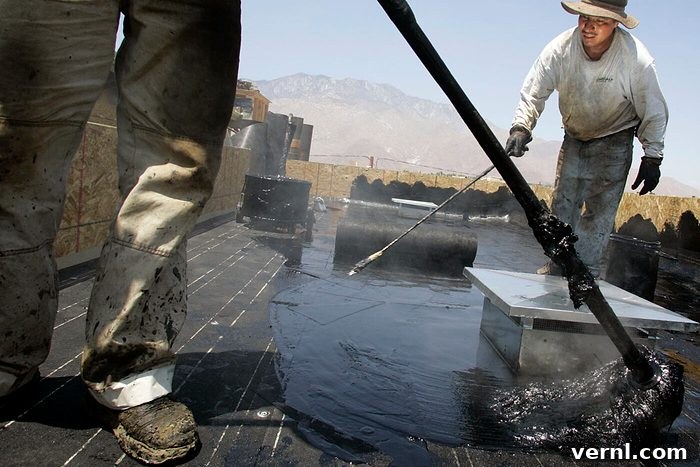
Slapping roofing tar over an active leak or laying new shingles over an old roof can seem like a quick fix, but it often causes bigger problems. Tar patches can void the manufacturer’s warranty, trap moisture under shingles and hide underlying deck rot. Installing new shingles over an aging roof conceals damage, increases attic heat, accelerates material degradation and typically voids warranties. The proper approach for a leaking or deteriorated roof is a matched shingle replacement with a suitable ice-and-water shield and, when necessary, a full tear-off to properly inspect and repair the roof deck.
Using “S” Traps
An S-trap is a curved plumbing configuration that was once common under sinks. Unlike a modern P-trap, S-traps are prone to siphoning and can empty under negative pressure, allowing sewer gases into the home. Because of that hazard, S-traps are no longer allowed in most current codes. If you find an unvented fixture and are tempted to use an S-trap as a quick solution, don’t. Install a P-trap and, if venting is not possible right away, consider a code-acceptable air admittance valve (AAV) as a temporary compliant option until a proper vent can be added.
Taping Ductwork with Duct Tape
Despite the name, conventional cloth-backed duct tape is not the best choice for sealing HVAC ductwork. Over time the adhesive dries out, especially on warm ducts, and the tape can peel away within months, causing leaks to reappear. Foil-backed HVAC tape or mastic products are long-lasting alternatives designed for duct sealing. Use duct tape for general-purpose repairs only—not for permanent HVAC seals.
Using Two-Pin to Three-Pin Plug Adapters
Converting a two-slot receptacle into a three-prong outlet with a simple adapter is only safe when the electrical wiring is actually grounded. Many adapters include a metal grounding tab that must be properly attached to the outlet cover screw to establish a ground connection. If the outlet is ungrounded, using the adapter defeats the safety purpose of the grounding pin and creates a shock and fire risk. A code-compliant solution is to replace the outlet with a GFCI receptacle, which provides shock protection even on ungrounded circuits and should be labeled accordingly.
Jumping a Circuit Breaker
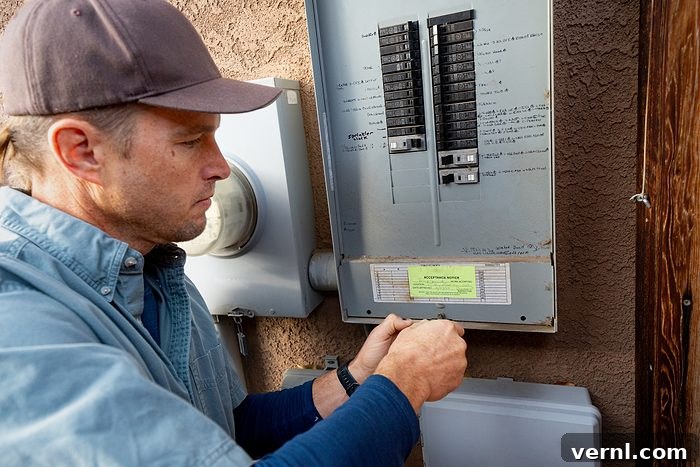
Older homes with fuse boxes sometimes saw fuses temporarily replaced with makeshift conductors like coins. The modern equivalent—replacing a tripping circuit breaker with one of a higher amperage—is dangerous. A breaker trips because the circuit is overloaded or faulty; upsizing the breaker hides the problem and allows wiring or devices to overheat, increasing the risk of melting insulation, igniting fires inside walls or causing damage to connected equipment. If a breaker trips repeatedly, investigate the cause and correct it rather than bypassing the safety device.
Closing Vents to Save Money
Many homeowners close vents in unused rooms hoping to reduce heating or cooling costs. Unless your HVAC system is zoned (separate controls for different areas), this practice usually backfires. Closing vents increases pressure in the ductwork, reduces airflow, forces the system to work harder and can raise energy costs. It may also lead to premature wear on the blower and other components. For meaningful savings, consider proper zoning, programmable thermostats, insulation improvements and system maintenance rather than selectively closing vents.
Pressure Washing the Roof
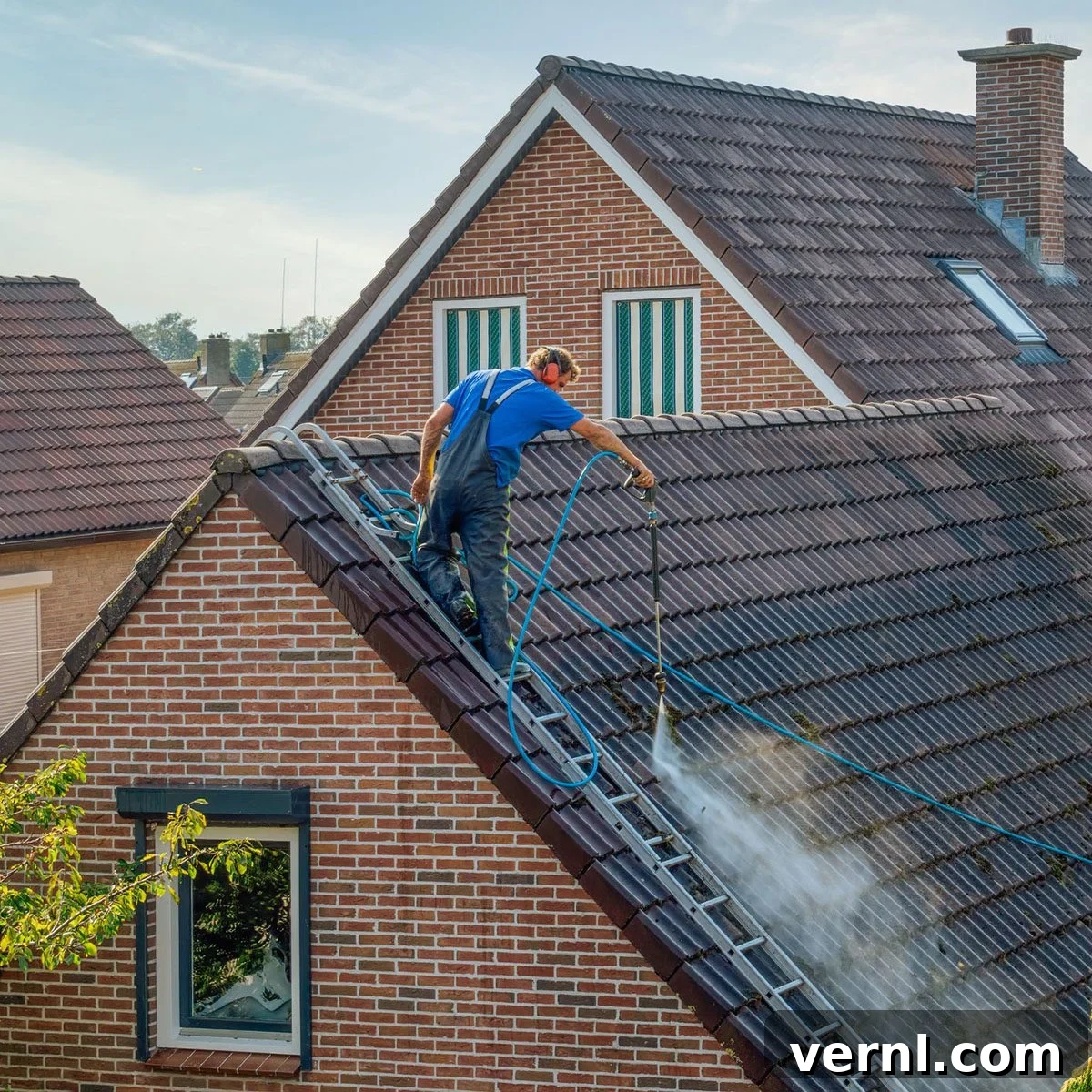
Pressure washers are effective cleaners, but they are too aggressive for most shingle roofs. High-pressure washing strips ceramic granules, loosens shingle surfacing, breaks protective bonds and can drive water under shingles, causing leaks. For moss or algae, apply a moss-killing solution such as a mild bleach or specially formulated roof cleaner, let the growth die, and remove it gently by hand or with a soft wash method. Zinc or copper strips installed near the roof ridge can also help inhibit moss and algae growth over time.
About the Experts
- Daniel Cabrera — owner of a roofing and construction service in the San Antonio area with over 16 years of experience in roof replacement and repairs.
- Danny Niemela — licensed contractor and professional remodeler with experience in residential construction and project management.
- Eli Zimmer — HVAC operations professional with hands-on experience in heating and cooling system performance and efficiency.
Sources
- Reddit: The Bread Trick (discussion about using bread to stop pipe leaks)
RELATED:
- The Real Reason Aluminum Foil Has a Shiny Side and a Dull Side
- Think Adirondack Chairs Are Uncomfortable? You’re Using Them Wrong
- Why You Shouldn’t Crush Aluminum Cans Before Recycling