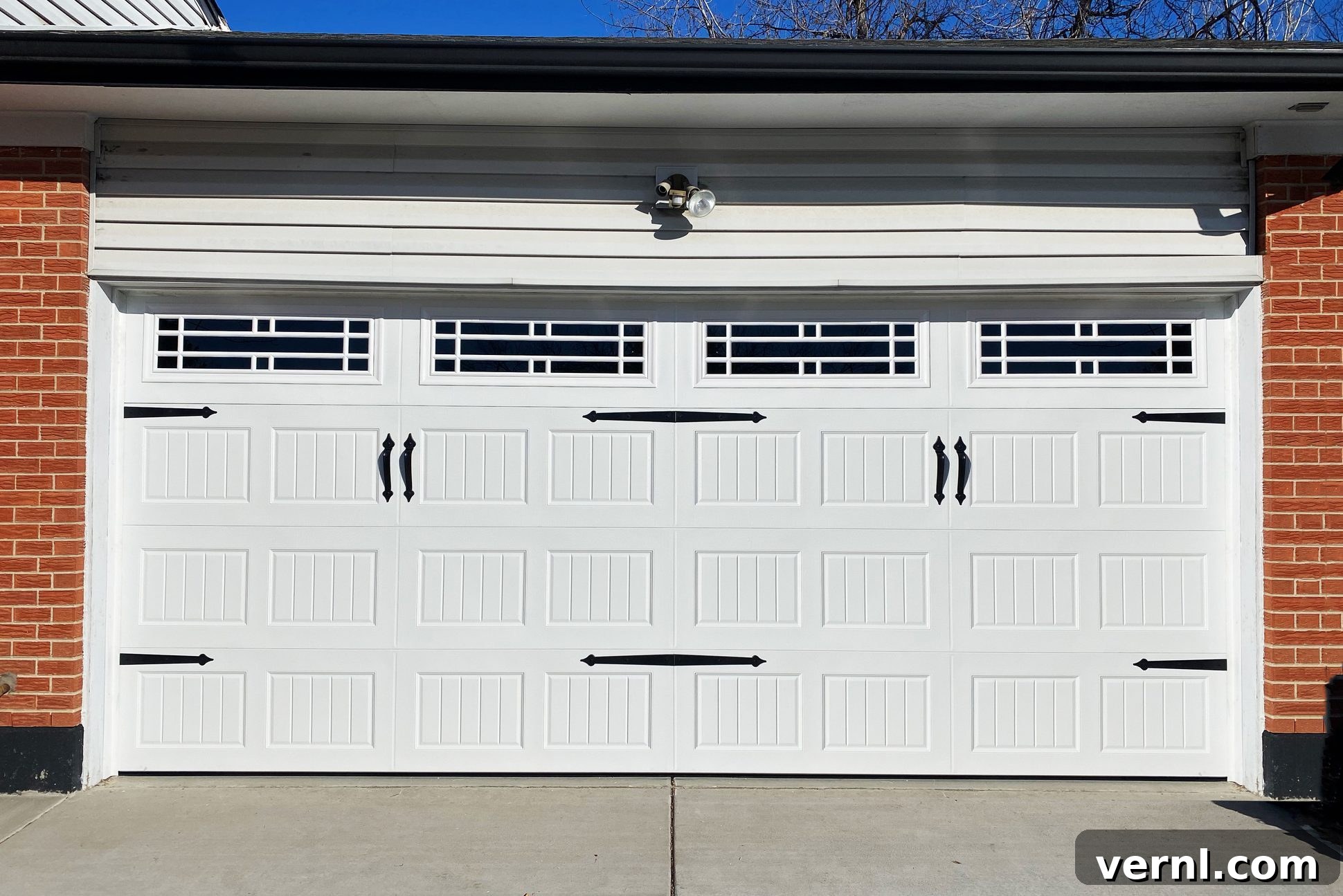
The Ultimate Guide to Fiberglass Garage Doors: Durability, Style, and Value
The journey of glass, from an ancient art form to a high-tech building material, is truly fascinating. I once had a friend, a master glassblower, who traveled the country sharing his unique craft. He showed me how molten glass could be stretched into incredibly fine fibers, almost like spider silk, to create intricate textures in art pieces. This delicate process, blowing molten glass from a tube, surprisingly dates back to the ingenuity of the ancient Phoenicians, who discovered methods to produce strands as thin as human hair.
It was a revelation to learn that this very same fundamental technique, albeit on a much grander industrial scale, is employed by manufacturers today to produce fiberglass. This versatile material, widely recognized for its strength and resilience, has become a cornerstone in various industries, particularly in modern construction and home improvement.
What Exactly is Fiberglass?
At its core, fiberglass used in building products is a composite material formed by combining fine glass fibers with a specialized plastic resin, known as Fiberglass Reinforced Plastic (FRP). This plastic component is typically polyurethane or epoxy, which undergoes a chemical transformation called cross-linking during its curing process. Unlike common thermoplastics such as PVC or polyethylene, which soften and melt when exposed to heat, cross-linked plastics form permanent molecular bonds. This structural integrity ensures they remain stable and robust even under varying temperatures, making them ideal for demanding applications like garage doors.
The role of the glass fibers in this composite is crucial. They are strategically stretched longitudinally throughout the plastic matrix, acting much like the reinforcing steel bands in car tires or the rebar in a concrete footing. This internal reinforcement significantly enhances the material’s tensile strength and overall durability. Because the bulk of FRP is plastic, manufacturers possess the remarkable ability to mold it into a wide array of textures and forms, including convincing simulations of natural wood grain. This unique combination of strength, moldability, and aesthetic flexibility makes fiberglass an outstanding material choice for modern garage doors, offering both performance and curb appeal.
A Glimpse into the History of Fiberglass
The mass production of glass fibers, leading to the fiberglass we know today, was an accidental yet pivotal discovery. It occurred in 1933 at the Owens-Illinois glassmaking plant in Toledo, Ohio. This groundbreaking technique was swiftly patented, and the nascent industry began to explore its potential. Early applications of these mass-produced glass fibers included air filters, demonstrating their utility in industrial processes.
Just a few years later, a significant merger took place between Owens-Illinois and the Corning Glass Company, giving birth to the iconic Owens-Corning. This new entity went on to introduce its signature building insulation, famously trademarked as Fiberglas (noticeably dropping the second ‘s’). This marked just the beginning of fiberglass’s profound emergence into the building trades. Manufacturers quickly recognized the material’s potential and innovated ways to combine it with plastic resin. This breakthrough allowed them to create a versatile composite material that could be molded into robust and durable forms, from resilient boat hulls and sanitary shower stalls to highly efficient windows, sturdy entry doors, and, of course, exceptionally long-lasting garage doors.
Unveiling the Diverse Styles of Fiberglass Garage Doors
Fiberglass offers unparalleled versatility in design, allowing manufacturers to create garage doors that complement any architectural style, from classic to contemporary. While fiberglass itself is the material, it can be crafted into various operational types:
- Sectional Doors: These are the most common type, featuring horizontal panels hinged together. As the door opens, these sections articulate along a curved track, moving smoothly up and then resting parallel to the ceiling. Fiberglass sectional doors can mimic wood grain with impressive realism, offering a traditional aesthetic with modern performance.
- Tilt-Up Doors: Comprising a single, solid panel, tilt-up doors operate by tilting outwards and then gliding up to rest against the garage ceiling. They are known for their robust, monolithic appearance and are often chosen for their straightforward mechanism and broad, uninterrupted surface which can be styled dramatically.
- Bi-Fold Doors: These doors consist of vertical panels connected by hinges. When opened, the panels fold together, typically to one or both sides of the garage opening. Bi-fold designs offer a unique aesthetic and can be particularly striking on larger or custom-designed garages, providing an elegant, accordion-like movement.
- Carriage-Style Doors: Evoking the charm of old-world carriage houses, these doors typically feature one or two single panels that swing outwards on hinges, much like traditional barn doors. While historically operated manually, modern fiberglass carriage doors often incorporate automatic openers, combining vintage appeal with contemporary convenience. They excel in creating a distinctive, handcrafted look, especially when combined with decorative hardware.
- Contemporary Doors: Leveraging fiberglass’s ability to be molded and finished in various ways, contemporary doors often feature sleek, minimalist designs, sometimes incorporating frosted glass or metallic accents. They are perfect for modern homes seeking a clean, sophisticated look.
- Raised Panel Doors: A timeless classic, fiberglass can perfectly replicate the raised panel look common in steel and wood doors, adding depth and shadow lines that enhance the door’s visual interest without the maintenance demands of natural wood.
Fiberglass Garage Doors: A Balanced Look at Pros and Cons
Fiberglass garage doors are typically constructed on sturdy steel frames to enhance their durability and structural integrity. When considering this material for your home, it’s essential to weigh its numerous advantages against its few potential drawbacks:
The Advantages:
- Affordable Investment: Fiberglass garage doors generally present a more budget-friendly option compared to premium materials like natural wood, often aligning in price with many steel doors. This makes them an attractive choice for homeowners seeking quality and aesthetics without the exorbitant cost.
- Exceptional Longevity and Durability: One of fiberglass’s most compelling attributes is its remarkable resistance to environmental wear. Unlike wood, it will not rot, warp, crack, or become a meal for pests. It also exhibits superior impact resistance compared to both wood and vinyl. With proper care, a fiberglass garage door can easily last 35 years or more, providing decades of reliable performance.
- Lightweight Design: Fiberglass doors are notably lighter than their wooden or steel counterparts. This reduced weight puts less strain on the garage door opener mechanism, potentially extending its lifespan. Furthermore, for those occasions when you need to manually operate the door, perhaps during a power outage, the lighter weight makes it significantly easier to open and close without an automatic door opener.
- Low Maintenance Requirements: Fiberglass doors are often factory-tinted, meaning the color is integrated throughout the material, not just on the surface. This inherent coloring helps resist fading and chipping. Routine maintenance typically involves nothing more than a periodic wash-down with soap and water to remove dirt and grime, keeping your door looking pristine with minimal effort.
- Aesthetic Versatility: Modern manufacturing techniques allow fiberglass to be molded with intricate textures and patterns, including incredibly realistic wood grain finishes. With the right texturizing and colorizing, a fiberglass garage door can be almost indistinguishable from an authentic wooden door, offering the warmth and character of wood without its vulnerabilities.
- Corrosion Resistance: Fiberglass is naturally resistant to rust and corrosion, making it an excellent choice for homes in coastal regions or areas with high humidity where metal doors might quickly deteriorate.
The Drawbacks:
While fiberglass offers many benefits, it’s important to be aware of a few potential disadvantages:
- Limited Intrinsic Insulation: By itself, the fiberglass composite does not provide substantial thermal insulation. However, this is commonly mitigated by purchasing foam-insulated fiberglass doors. These engineered doors incorporate a layer of rigid foam within the panels, significantly enhancing their thermal performance, often surpassing that of solid wood doors in preventing heat transfer.
- Potential for Brittleness in Extreme Cold: In exceptionally frigid temperatures, fiberglass can become somewhat more rigid and less flexible, making it slightly more susceptible to cracking upon impact. While generally impact-resistant, extreme cold can compromise this characteristic.
- Yellowing Over Time: Prolonged and intense exposure to direct sunlight can cause some fiberglass formulations to develop a yellowish tint over many years. This effect can be minimized with UV-inhibiting coatings or by painting the door, which also adds a layer of protection.
- Challenging to Recycle: Unlike materials such as wood or steel, which can often be recycled into new products, fiberglass is considerably more difficult to process for recycling due to its composite nature. Consequently, old fiberglass doors frequently end up in landfills, contributing to waste.
- Repair Complexity: While very durable, significant damage to a fiberglass panel, such as a large crack or deep gouge, can be more challenging to repair seamlessly compared to minor touch-ups on a wooden door. Professional repair may be necessary to maintain its appearance and integrity.
Is Fiberglass Garage Door Installation a DIY-able Project?
Yes, for competent DIY enthusiasts, installing a fiberglass garage door can indeed be a feasible project. Given that fiberglass is lighter than comparable wood or steel doors, if you possess the necessary skills and confidence to install a wooden garage door, you are likely capable of handling a fiberglass one as well. However, the level of difficulty is significantly influenced by the specific style of the door you choose.
Swinging and carriage-style doors, which operate on hinges much like entry doors, are generally considered the easiest to install. The procedure is quite similar to hanging a standard entry door, though you will almost certainly require assistance in supporting the often heavy door panels while securing them to their hinges.
In contrast, sectional and tilt-up doors represent a much greater challenge for the DIY installer. These types of installations involve precisely mounting complex track systems, which demands meticulous measurements and accurate placement. Furthermore, they typically require the installation of one or more torsion springs. These springs are crucial for counterbalancing the substantial weight of the door, enabling smooth and effortless operation. However, torsion springs are under immense tension and can unwind violently if mishandled, posing a serious safety hazard. For many, the inherent danger associated with these high-tension springs is sufficient motivation to opt for professional installation, ensuring safety and proper functionality.
What Does Professional Installation Cost for a Fiberglass Garage Door?
The cost of professional installation for a fiberglass garage door is not fixed; it varies considerably based on several factors. These include the number of door panels, the size and dimensions of each panel, the complexity of the door style (e.g., sectional vs. carriage), and the geographical location of your home. Additional factors like the removal and disposal of an old door, integration with a new or existing automatic opener, and any necessary frame modifications can also influence the final price.
For instance, installing a single-panel swinging door for a one-car garage might start as low as $500, especially if it’s a simpler design without an opener. However, a more complex sectional or tilt-up door for a single-car garage could range from $1,000 to $2,500. For a standard two-car garage, installation costs typically fall within the range of $750 to $4,700, depending on the chosen door style and features. Larger three-car garage doors, or custom designs, can see installation prices ranging from $1,300 to $7,000 or even higher. It’s always advisable to obtain multiple quotes from reputable local installers to get an accurate estimate tailored to your specific project needs.
Customizing Your Fiberglass Garage Door: Can You Paint It?
Absolutely, fiberglass garage doors can be successfully painted, offering homeowners a fantastic way to customize their home’s exterior or refresh an aging door. I’ve personally undertaken this project with excellent results. A significant advantage of fiberglass over some other plastic materials, like vinyl, is its stability; a fiberglass door will not melt or distort in direct sunlight, even if you opt for a dark, heat-absorbing color. The painting process shares many similarities with painting a wooden door, though often with a simplified preparation stage, as extensive sanding is usually not required.
The key to a successful paint job on fiberglass is thorough preparation. Begin by meticulously cleaning the entire door surface. This involves removing all dirt, grease, mold, and mildew that could impede paint adhesion. A mild detergent and water, along with a scrub brush, usually suffice. Rinse the door thoroughly and allow it to dry completely. Once clean and dry, apply a high-quality primer specifically designed for composite materials or exterior use. This primer creates a uniform surface and ensures optimal paint adhesion. After the primer dries, apply one or two coats of your chosen exterior paint. Acrylic latex paints with 100% acrylic binders are generally recommended for their flexibility and durability on fiberglass.
While using a paint sprayer is often the most efficient method for achieving a smooth, even finish, you can also achieve excellent results with a high-quality brush and roller, especially for textured surfaces that mimic wood grain. For those exploring other material options, it’s also useful to understand the characteristics and benefits of vinyl garage doors.
Choosing the Right Fiberglass Garage Door for Your Home
Selecting the ideal fiberglass garage door involves considering several important factors to ensure it perfectly meets your home’s aesthetic, functional, and climatic needs. First, establish your budget. While fiberglass is often more affordable than wood, prices can vary significantly based on style, insulation level, and customization options. Next, think about your local climate. If you live in an extremely cold region, consider insulated fiberglass doors that offer enhanced thermal performance and potentially greater resistance to brittleness. For sunny climates, look for doors with UV inhibitors or plan for a paint finish to prevent yellowing.
Aesthetic appeal is paramount. Fiberglass doors can emulate the classic look of wood or present a sleek, modern facade. Consider how the door’s style, color, and texture will complement your home’s existing architecture and exterior finishes. Don’t forget about insulation needs; if your garage is attached to your home or used as a workshop, a well-insulated door will contribute to energy efficiency and comfort. Finally, always inquire about warranties for both the door and its finish, and consider consulting with local garage door professionals. They can provide expert advice, help you navigate the myriad of options, and ensure a safe, high-quality installation, making your investment in a fiberglass garage door a truly wise one for your home.