
Effective Home Pest Control: Using Steel Wool for Rodent Proofing and Beyond
Pests are an unwelcome nuisance in any home, bringing with them potential health risks, structural damage, and an overall sense of unease. From the subtle scuttling sounds in the walls to the unsettling sight of droppings, encountering rodents like mice and rats can be distressing. While many conventional pest control methods exist, some of the most effective strategies involve proactive prevention. Among these, an often-overlooked yet incredibly powerful tool stands out: steel wool. Far from being just a kitchen scrubbing aid, steel wool serves as an impenetrable barrier against a variety of unwanted guests, especially persistent rodents.
This comprehensive guide will delve into the incredible versatility of steel wool in pest management. We’ll explore why it’s so effective, identify the critical areas in your home where it can make a significant difference, and provide a step-by-step approach to properly installing it, ensuring your home remains a sanctuary free from pests. Get ready to transform your approach to home pest control with this simple, affordable, and highly effective solution that keeps unwanted visitors out for good.
Why Steel Wool is Your Secret Weapon Against Household Pests
At first glance, steel wool might seem too simple to be a formidable defense against persistent pests. However, its unique physical properties make it an exceptionally effective and cost-efficient barrier, particularly against rodents:
- Impenetrable for Rodents: Mice and rats possess incredibly strong teeth and a relentless drive to chew through almost anything in their path – wood, plastic, rubber, and even some types of concrete or mortar. Steel wool, however, presents a formidable challenge. Its abrasive, sharp metal fibers are virtually impossible for rodents to gnaw through without causing them significant injury. This sharp, irritating texture acts as an immediate deterrent, preventing them from breaching the barrier.
- Durable and Long-Lasting: When properly installed, especially stainless steel wool, it can withstand environmental elements and remain intact for extended periods. This provides a long-term solution that doesn’t degrade quickly, unlike temporary fixes. Its resilience means less frequent replacement and ongoing peace of mind.
- Flexible and Malleable: One of steel wool’s greatest advantages is its adaptability. It can be easily shaped, torn, and stuffed into irregular cracks, crevices, and holes, conforming to various opening sizes and shapes that are difficult to seal with rigid materials or standard caulk alone. This flexibility allows for a snug fit in even the most awkward spaces.
- Non-Toxic and Safe: Unlike chemical repellents, poisons, or baits, steel wool presents no toxic risk to children or pets inside your home. This makes it a significantly safer alternative for proactive pest management, eliminating concerns about accidental ingestion or exposure to harmful substances.
- Cost-Effective: Compared to professional pest exclusion services or the continuous purchase and application of traps and poisons, steel wool is an extremely economical solution for preventing pest entry. A small investment in a roll of steel wool can yield substantial savings and benefits in the long run.
Targeting Specific Pests: Who Does Steel Wool Keep Out?
While particularly effective against rodents, steel wool can also deter other pests that exploit small openings:
- Mice and Rats: These are the primary targets and where steel wool truly shines. A young mouse can squeeze through an opening as small as a quarter-inch (about the size of a dime), and a rat needs only about a half-inch gap. Steel wool physically blocks these tiny entry points, making it impossible for them to pass. Its resistance to chewing ensures they cannot create a larger opening.
- Snakes: Though less common, snakes can enter homes through surprisingly small gaps. Tightly packed steel wool can act as a physical deterrent, blocking their path and preventing entry.
- Large Insects: While very fine gaps might still allow tiny insects, larger ones like cockroaches, spiders, earwigs, and even some beetles will find it difficult to navigate through tightly packed steel wool. It creates a dense physical obstruction that discourages their movement.
Identifying Critical Entry Points: Where to Apply Steel Wool for Maximum Impact
Effective pest proofing begins with a thorough inspection of your home. Pests are incredibly adept at finding even the smallest vulnerabilities. Focus your attention on these common entry points, both inside and outside your residence:
- Gaps Around Pipes and Utility Lines: These are prime real estate for pests. Examine areas where water pipes, gas lines, sewer lines, or electrical wires enter your home. These are often found under sinks, near water heaters, in laundry rooms, utility closets, and along exterior walls. Builders frequently leave larger-than-necessary holes around these installations, creating highways for pests.
- Cracks and Fissures in Foundations and Walls: Over time, houses settle, materials expand and contract, leading to hairline cracks or larger fissures in the foundation, brickwork, stucco, or siding. Inspect both the interior and exterior perimeter of your home meticulously, paying close attention to corners and where different materials meet.
- Vents and Exhaust Openings: Dryer vents, bathroom fan exhausts, kitchen hood vents, and attic vents can all be entry points if not properly screened or if existing screens are damaged. While steel wool can be used here, ensure it doesn’t obstruct airflow, especially in dryer vents. For high-airflow areas, coarser mesh or specialized pest-proof vent covers might be better, often backed with steel wool.
- Around Window and Door Frames: While weatherstripping handles most of these, sometimes larger gaps exist, particularly in older homes, around less frequently used doors (like garage doors or basement entries), or where frames meet the wall. Look for any light showing through or drafts.
- Attics and Basements: These often-neglected areas can harbor numerous entry points. Look for gaps around joists, ceiling penetrations, recessed lighting, and especially where the roofline meets the walls (soffits and eaves). Basements can have gaps around windows, utility lines, and foundation cracks.
- Garage Doors: The gaps under and around garage doors are notoriously common entry points for rodents. While weather seals help, small imperfections, worn seals, or uneven concrete can still create openings.
- Unused or Abandoned Openings: Any hole that once served a purpose but no longer does should be sealed. This includes old cable lines that have been removed, former air conditioning unit openings, or other forgotten apertures that can now serve as an open invitation to pests.
Choosing the Right Type of Steel Wool for Pest Control
Not all steel wool is created equal for pest control purposes. Making the correct choice will ensure maximum effectiveness and longevity:
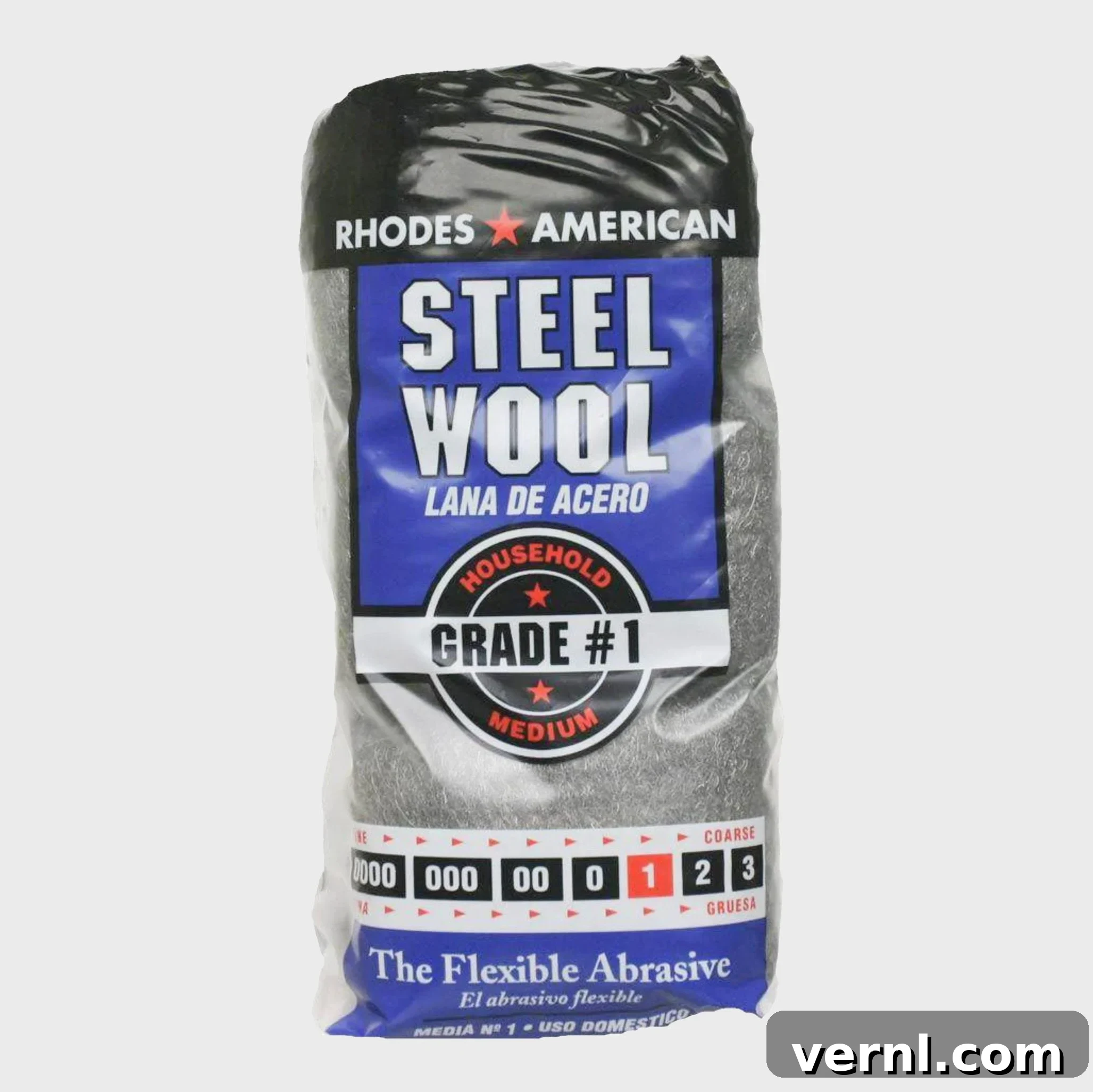
- Coarse or Medium Grade is Ideal: While fine steel wool (often used for polishing) is excellent for scrubbing, a coarser or medium-grade product is generally better for pest control. Its thicker, more robust fibers create a stronger, more resilient barrier that is harder for pests to dislodge and provides better coverage for larger gaps. It’s also easier to pack tightly.
- Stainless Steel Wool is Preferred: This is a crucial distinction. Regular carbon steel wool can rust quickly when exposed to moisture or humidity, leading to unsightly reddish-brown stains on walls or floors and potential degradation of the barrier over time. Stainless steel wool, however, is rust-resistant, making it ideal for both interior and exterior applications, especially in damp environments like basements, under sinks, behind appliances, or on outdoor foundations. Always opt for stainless steel wool for long-term solutions.
- Avoid Copper Mesh for Rodents (Unless Combined): While copper mesh is also non-rusting and flexible, its relative softness means determined rodents *might* eventually be able to push or chew through it more easily than steel. For maximum deterrence against rodents, steel wool is superior due to its hardness and sharper fibers. Copper mesh can be effective for insects, but for rodent exclusion, steel wool offers a more robust solution.
Step-by-Step Guide: How to Effectively Install Steel Wool for Lasting Pest Control
Follow these meticulous steps to ensure a robust, durable, and long-lasting pest barrier that keeps your home secure:
Step 1: Conduct a Thorough Inspection for All Entry Points
Before you begin any sealing work, dedicate time to a comprehensive inspection of your entire home, both inside and out. Walk around your property, paying close attention to all the areas listed previously (pipes, foundations, vents, window/door frames, attics, basements, garage). Use a bright flashlight to illuminate dark corners, crevices, and hidden areas. Look for tell-tale signs of pest activity such as droppings, chew marks, grease smears along walls, or existing nesting materials. Remember the golden rule: if a pencil can fit through a gap, a mouse can too!
Step 2: Clean and Prepare the Area
Once you’ve identified an opening, clean it thoroughly. Remove any accumulated dirt, dust, spiderwebs, existing nesting materials, or loose debris. A clean surface is crucial for better adhesion if you plan to seal the steel wool with caulk or expanding foam, ensuring a stronger, more permanent fix.
Step 3: Prepare the Steel Wool Material
Wearing heavy-duty work gloves (steel wool fibers can be sharp and cause cuts or splinters!), tear or cut off a piece of stainless steel wool. The piece should be slightly larger than the hole or crack you intend to fill. The goal is to have enough material to pack it very tightly, creating a dense, impenetrable plug that cannot be easily removed or pushed through.
Step 4: Stuff the Opening Tightly and Securely
Using a screwdriver, putty knife, or similar blunt tool (or your gloved fingers for smaller, accessible gaps), firmly pack the steel wool into the identified hole or crack. Do not simply place it loosely; compress it tightly so that it fills the entire void. The denser the pack, the more effective the barrier. For deeper or larger holes, you might need to use multiple pieces, ensuring there are no hidden gaps within the steel wool itself that a pest could exploit.
Step 5: Secure and Seal for Enhanced Durability (Optional but Highly Recommended)
For maximum effectiveness, durability, and a clean finish, especially in exterior applications or areas prone to moisture, consider sealing the steel wool in place. Apply a generous bead of caulk (silicone or latex, suitable for your environment) or a small amount of expanding foam directly over the packed steel wool. This not only provides an additional layer of protection and weatherproofing but also securely holds the steel wool in place, preventing pests from pulling it out and protecting it from the elements. Ensure the sealant is appropriate for the materials you are working with (e.g., exterior-grade caulk for outdoor applications, paintable caulk for interior walls).
Step 6: Regular Maintenance Check and Re-inspection
Pest proofing is an ongoing process. Periodically inspect the areas where you’ve installed steel wool, especially after harsh weather conditions (heavy rains, freezing temperatures) or if you notice any new signs of pest activity. Over time, caulk can degrade, or extreme conditions might dislodge the steel wool. Promptly re-seal or replace any compromised barriers as needed to maintain your home’s defenses.
Important Safety Precautions When Working with Steel Wool
While using steel wool is a straightforward DIY task, it’s essential to take a few critical safety precautions to prevent injury:
- Always Wear Gloves: The sharp, abrasive metal fibers of steel wool can easily cut or irritate your skin. Always wear sturdy work gloves (leather or thick fabric) when handling and packing steel wool.
- Protect Your Eyes: When tearing, cutting, or stuffing steel wool, small fibers can become airborne. Protect your eyes from these particles with safety glasses or goggles.
- Keep Away from Children and Pets: Steel wool should always be handled by adults and kept securely out of reach of children and pets. Ingestion could be harmful, and its abrasive nature poses a choking hazard.
- Exercise Extreme Caution Near Electrical Components: Never pack steel wool directly into live electrical boxes, outlets, or near exposed wires. Steel wool is conductive and can cause short circuits, sparks, or even fires. If a gap is adjacent to an electrical component, ensure the power is off, and consider using non-conductive, fire-retardant materials specifically designed for electrical sealing, or consult a qualified electrician.
- Understand Fire Hazard (Theoretical): While stainless steel wool packed tightly into gaps and sealed is generally not a significant fire hazard, it’s worth noting that very fine, loose steel wool *can* potentially ignite if exposed to a direct spark or flame. Always be mindful of heat sources during application and storage.
Beyond the Barrier: Complementary Pest Control Strategies for a Pest-Free Home
While steel wool is an exceptional tool for blocking entry points, it’s most effective when used as one component of a holistic integrated pest management (IPM) strategy. For comprehensive home protection, consider combining it with these complementary methods:
- Maintain Excellent Sanitation: A clean home is less attractive to pests. Keep your kitchen clean, store all food in airtight containers, promptly clean up spills and crumbs, and regularly empty trash bins.
- Eliminate Water Sources: Pests need water to survive. Fix leaky pipes, faucets, and drains. Ensure proper drainage around your home’s foundation and keep basements and crawl spaces dry.
- Reduce Clutter: Clutter in attics, basements, garages, and even living spaces provides ideal hiding spots, nesting materials, and undisturbed pathways for pests. Regular decluttering reduces these attractive habitats.
- Use Traps and Baits Strategically: If you already have an existing infestation, traps (snap traps, glue traps, live traps) or baits can help reduce the current population. Once the population is under control, then focus on sealing entry points. Always exercise extreme caution with baits if you have pets or children, placing them in inaccessible areas.
- Exterior Home Maintenance: Trim bushes, shrubs, and tree branches away from your home’s exterior walls and roofline, as they can serve as bridges for pests. Keep gutters clean to prevent standing water and ensure proper drainage. Store firewood away from the house and elevated off the ground.
- Consider Professional Pest Control: For severe, persistent, or complex infestations, don’t hesitate to call a qualified professional exterminator. They can identify hidden entry points, implement advanced solutions, and offer long-term management plans.
Conclusion: Secure Your Home and Enjoy Peace of Mind with Steel Wool
Protecting your home from unwelcome pests doesn’t have to be complicated, expensive, or involve harsh chemicals. Steel wool offers a remarkably simple, highly effective, non-toxic, and durable solution for sealing common entry points and deterring a range of critters, especially persistent rodents like mice and rats. By understanding its unique properties, diligently inspecting your property for vulnerabilities, and following proper installation techniques, you can create a robust physical barrier that significantly enhances your home’s security against pests.
Make steel wool an integral part of your regular home maintenance routine. A small investment of your time and effort now can save you significant headaches, potential structural damage, and costly extermination expenses down the line. Take these proactive steps today to fortify your home’s defenses and enjoy the lasting peace of mind that comes with effective pest exclusion, ensuring your living space remains clean, safe, and pest-free.
For further visual demonstrations and detailed insights into using steel wool for pest control, many helpful resources are available online, including video tutorials that illustrate these techniques firsthand and can guide you through the process.
Learn more about pest control strategies and tips for a well-maintained home:
How to Use Steel Wool for Pest Control