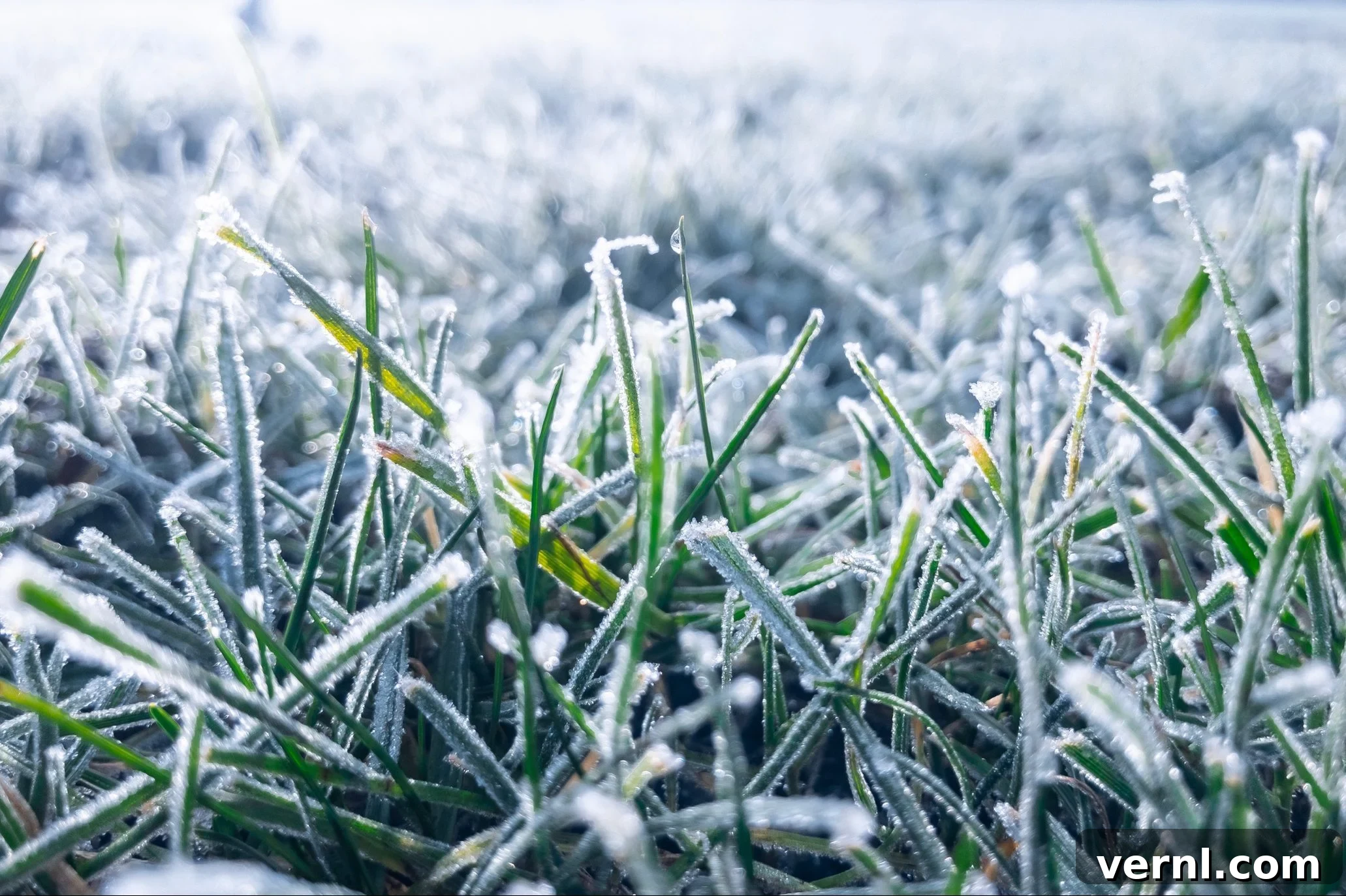
Welcome to Family Handyman’s Comprehensive Guide to Winterization, designed to help you prepare your home for the challenging cold season. While overall home protection is crucial, this guide delves deep into a cornerstone of winter preparedness: Winter Lawn Care and Dormant Seeding. Discover expert strategies to ensure your lawn not only survives but thrives next spring, helping you avoid common issues like bare spots and persistent weeds, and setting the stage for a lush, vibrant landscape.
As the crisp air of autumn settles in and the last leaves fall, many homeowners breathe a sigh of relief, thinking their outdoor chores are finally done. However, for those aspiring to a truly healthy and vibrant lawn, the work isn’t quite over. Winter offers a unique opportunity to lay the groundwork for a spectacular spring lawn through a technique known as dormant seeding. This proactive approach can transform patchy turf or fill in bare spots, promising a denser, more resilient lawn next year while significantly reducing the battle against spring weeds.
This comprehensive guide will walk you through everything you need to know about preparing your lawn for winter. We’ll explore whether grass truly grows in the colder months, differentiate between dormant and actively growing grasses, and provide essential, expert-backed tips for optimal winter lawn care. Get ready to unlock the secrets to a stunning lawn, even as temperatures drop.
Understanding Grass Behavior During Winter Months
The fate of your lawn during winter largely depends on two critical factors: your geographic location and the specific type of grass varieties established in your yard. Winter-hardy grass types, such as certain varieties of perennial rye and fescue, possess an impressive resilience, often continuing to grow slowly and maintain a green hue throughout the colder months, especially in milder climates. These cool-season grasses are adapted to thrive in lower temperatures, demonstrating active growth periods in both spring and fall.
However, for most common lawn grasses, including many warm-season varieties, a significant shift occurs when temperatures consistently drop below approximately 40°F (4°C). At this threshold, grass enters a state of dormancy. This biological survival mechanism means its metabolic processes slow dramatically, and growth virtually ceases. You’ll notice a distinct lack of vertical growth, signifying that your mowing duties are effectively suspended until spring’s warmer embrace.
Even in regions renowned for their mild winters, such as vast stretches of Florida or parts of the Pacific Northwest, your lawn will likely experience some degree of dormancy. While it might continue to grow, this growth will be considerably slower, and the grass may lose its vibrant green luster, often taking on a brownish or straw-like tint. The reduced growth also means less frequent raking, as leaf litter decomposes at a slower rate and new growth is minimal. Despite this slowdown, maintaining a consistent, albeit reduced, watering schedule remains crucial. Adequate moisture in the soil helps protect the grass roots from dehydration and temperature fluctuations, ensuring they remain healthy and ready to spring back to life when conditions improve.
The Physiology of Grass Dormancy
When grass enters dormancy, it’s not dying; rather, it’s strategically conserving energy. The visible blades may brown and wither, but the crucial part – the root system and the crown (the base of the plant where shoots emerge) – remains alive. These subterranean structures act as energy storage units, accumulating carbohydrates throughout the warmer growing seasons. During winter, these stored reserves fuel the plant’s survival, allowing it to withstand freezing temperatures and prepare for vigorous growth in the spring. This natural process is a testament to the resilience of grass, allowing it to endure harsh conditions and re-emerge stronger.
Can Grass Seed Endure the Winter Chill?
Absolutely, grass seed is remarkably resilient and often survives the winter, making dormant seeding an effective strategy for lawn improvement. Dormant seeding involves spreading grass seed in late fall or early winter, with the explicit intention that it will not germinate until the following spring. This timing is critical; the goal is for the seeds to remain inactive, sheltered by the cold ground and often a blanket of snow, until the soil temperatures become consistently favorable for sprouting.
Kris Kiser, president of the TurfMutt Foundation, highlights the primary benefits: “Adding grass seed to the ground in late fall is best for when you want to reseed bare soil areas or thicken up a thin lawn.” The cold weather and subsequent thaw cycles naturally work the seeds into the soil, achieving excellent seed-to-soil contact without the need for intensive raking or tilling. This can give new seedlings a head start compared to spring plantings, as they are ready to germinate as soon as conditions are right, often before aggressive spring weeds have a chance to take hold.
However, there is a distinct risk associated with dormant seeding. If an unseasonably warm spell occurs after seeding but before consistent freezing temperatures set in, the grass seeds might prematurely germinate. Should these young sprouts then be subjected to a sudden deep freeze, their delicate cellular structures can be severely damaged or destroyed, leading to widespread seedling death. Grass typically requires a consistent soil temperature in the mid-50s F (around 13°C) to germinate and grow optimally, or daytime air temperatures consistently in the 60s-70s F (15-25°C). If premature sprouting and freezing occur, you will unfortunately need to reseed those affected areas in the spring.
For those residing in consistently warm climates, such as South Florida, where winter temperatures rarely drop below germination thresholds, the traditional approach of regular seeding in spring and early summer often proves more reliable. In these regions, the continuous warmth makes dormant seeding less effective and carries a higher risk of premature germination failure.
Dormant vs. Active Grass Options for Cold Seasons: Choosing the Right Turf
Selecting the appropriate grass variety is foundational to a successful lawn, especially when considering winter conditions. Your choice should be guided by a comprehensive assessment of various environmental factors: temperature extremes, average rainfall, humidity levels, available sunlight and shade, the composition of your soil, and your personal maintenance expectations. For personalized advice tailored to your specific microclimate, it’s always prudent to consult your local county extension office. Additionally, referencing the U.S. Department of Agriculture (USDA) Plant Hardiness Zone Map is an invaluable tool for determining which grass types and other plants are best suited to thrive in your particular region.
Broadly, grasses are categorized into two main types based on their optimal growing seasons:
Cool-Season Grasses (Active Grasses)
These varieties are ideal for northern climates and regions with higher elevations, where summers are moderate and winters bring significant cold. Cool-season grasses exhibit their most vigorous growth during the cooler temperatures of spring and fall, often remaining green or semi-dormant during winter depending on severity. Their ability to germinate in colder soils gives them a distinct advantage:
- Kentucky Bluegrass: Renowned for its beautiful blue-green color and dense, carpet-like growth, Kentucky bluegrass is a popular choice for northern lawns. It spreads vigorously via rhizomes, allowing it to recover well from damage and fill in bare spots. It prefers full sun but can tolerate light shade.
- Fine Fescue: This group includes creeping red, chewings, hard, and sheep fescues. They are highly shade-tolerant and require less water and fertilizer than many other grasses, making them excellent for low-maintenance areas or under trees. They have very fine leaf blades and are often used in mixtures.
- Tall Fescue: Known for its deep root system, tall fescue offers superior drought and heat tolerance compared to other cool-season grasses. It maintains a coarser texture but forms a durable, wear-resistant turf, making it suitable for active family lawns.
- Perennial Ryegrass: Valued for its rapid germination and establishment, perennial ryegrass is often used in seed mixtures to provide quick cover and soil stabilization. It offers good wear resistance and has a fine texture, but it is less tolerant of extreme cold than bluegrass or fescue.
These cool-season grasses germinate earlier in cold soils, which means they can develop a robust root system and establish themselves more quickly than seeds sown in spring. This is particularly advantageous for thickening existing lawns before the intense competition from spring weeds begins. It also provides a critical head start for grass in densely shaded areas, allowing it to get established and absorb sunlight before deciduous trees fully leaf out in spring.
Warm-Season Grasses (Dormant Grasses)
Conversely, warm-season grasses are perfectly adapted to southern and other warmer climates, where they thrive in high temperatures and full sun. These grasses typically go dormant and turn brown during the winter months, only to green up again when temperatures consistently rise in late spring or early summer.
- Bermudagrass: A highly aggressive and heat-tolerant grass, Bermudagrass forms a dense, durable turf that can withstand heavy traffic. It’s excellent for hot climates and also exhibits high salt tolerance, making it suitable for coastal areas. However, it goes fully dormant and turns brown in winter.
- Buffalograss: Native to the Great Plains, Buffalograss is a low-maintenance, drought-tolerant option ideal for regions with hot, dry summers. It requires less water and fertilizer than most other turfgrasses and has a fine texture. It also goes dormant in winter.
- Blue Grama: Another native prairie grass, Blue Grama is known for its distinctive eyelash-like seed heads and excellent drought tolerance. It’s a fine-textured, low-growing grass that can thrive in arid conditions and also enters winter dormancy.
- Zoysiagrass: Zoysia creates a dense, luxurious, and wear-resistant turf that can outcompete weeds. It is known for its excellent heat and drought tolerance once established but is slower to establish than Bermudagrass and goes dormant in winter.
For homeowners living in transitional zones—areas that experience both significant cold and intense heat—Kris Kiser suggests utilizing a blend of both warm-season and cool-season grasses. This strategic mix helps ensure that at least one type of grass is actively growing and maintaining a green appearance for a longer portion of the year, offering year-round turf coverage and resilience.
Essential Tips for Successful Dormant Seeding
Dormant seeding is a science, and precise timing is crucial for success. This method is most effective when temperatures are consistently low enough to prevent premature germination until spring. In cooler northern regions, this window typically opens sometime in October or November, ideally after the last of the fallen leaves have been raked up and removed. The ground should not yet be frozen solid, but it must be cold enough to ensure the seeds remain dormant. The freeze-thaw cycles of winter are actually beneficial, helping to naturally work the seeds deeper into the soil for better contact.
- Prepare Your Lawn Thoroughly: Before spreading any seed, proper lawn preparation is key. Remove all excess yard waste, including leaves, twigs, and other debris. More importantly, address any heavy thatch layers. As Kris Kiser emphasizes, “The most important thing to keep in mind is that you are trying to achieve soil-to-seed contact. So if you are adding seed to a lawn with heavy thatch, this needs to be raked away.” Consider dethatching or aerating your lawn to improve seed penetration and overall soil health.
- Optimize Soil-to-Seed Contact: Beyond thatch removal, ensuring good seed-to-soil contact is paramount. If your soil is compacted, consider aeration to create small holes that will help the seeds settle in. For very bare or thin areas, lightly raking the surface to expose some soil before seeding can be beneficial.
- Timing with Moisture is Key: “Check the weather forecast and try to sow seeds shortly before a snowstorm or heavy rain,” advises Kiser. Natural precipitation will gently push the seeds into the soil, providing vital moisture for their eventual germination in spring. If natural moisture isn’t anticipated, a very light watering can help settle the seeds, but avoid overwatering which could wash them away or encourage premature sprouting.
- Spread Seeds Evenly: For smaller areas, you can effectively spread the seeds evenly by hand. However, for larger lawns, a seeder or spreader will ensure a more uniform distribution. “Try not to place the seeds too close together so seedlings do not have to fight for resources,” Kiser cautions. Over-seeding can lead to weak, crowded seedlings.
- Follow Seed Bag Instructions: Always adhere to the specific spreading rates and other instructions provided on your grass seed bag. These guidelines are formulated for optimal results with that particular seed mix.
- The Winter’s Work: Once the seeds are down, let winter do its work. The natural freezing and thawing cycles, along with snowfall, will gradually work the seeds deeper into the soil, enhancing seed-to-soil contact.
- Monitor and Re-seed if Necessary: You’ll know if your dormant seeding efforts were successful by mid- to late-spring when new growth should become apparent. At that point, if certain areas still look a little thin or patchy, don’t hesitate to add more seed as a follow-up.
Comprehensive Winter Lawn Care Strategies
Beyond dormant seeding, thoughtful preparation and protection during the colder months are vital for maintaining lawn health. Once your dormant seeding is complete, much of the remaining winter care involves protecting your lawn from environmental stressors and ensuring it’s well-positioned for robust spring growth. This period is less about active maintenance and more about preservation.
- Combat Winter Weeds: While your grass is dormant, some persistent weeds may try to take root. You may need to prevent winter weeds by manually removing them or, if appropriate for your grass type and timing, applying a targeted pre-emergent herbicide in late fall before the ground freezes, which can inhibit weed seed germination. Always follow product instructions carefully.
- Choose Safe De-Icing Products: Be extremely cautious with de-icing agents. Avoid putting snow melting and rock salt products on or near your lawn. These harsh chemicals can cause severe damage to grass blades and roots, leading to dead patches. Instead, opt for plant-friendly de-icing products that contain ingredients like calcium magnesium acetate (CMA) or potassium chloride, which are much gentler on turf and surrounding plants.
- Minimize Foot Traffic on Frozen Grass: It’s tempting to traverse your lawn in winter, but try to avoid walking on it too much, especially when the grass is frozen. Frozen grass blades become brittle and are highly susceptible to damage. While “Usually only the top part of the grass blade will snap off and the rest of the grass will be fine,” according to Kiser, repeated steps on a brittle, frozen lawn can leave an unsightly, compacted, and damaged look that will persist into spring.
- Proper Leaf and Debris Management: While heavy raking should be avoided, ensure that any thick layers of fallen leaves are removed before winter sets in. Matted leaves can smother the grass, block essential sunlight, and create an ideal environment for snow mold and other fungal diseases to develop beneath the snow cover.
- Consider a “Winterizer” Fertilizer: In late fall, before your grass enters full dormancy, applying a specialized “winterizer” fertilizer can be highly beneficial. These fertilizers are typically high in potassium, which helps strengthen the grass’s cell walls, enhancing its cold tolerance and root development. This gives your lawn the nutrients it needs to store energy for winter survival and ensures a quicker, greener spring awakening.
- Protect from Snow Piles: When shoveling or snow blowing, avoid piling large amounts of snow directly onto your lawn, especially near trees or shrubs. While snow acts as an insulator, excessive, compacted snow can lead to prolonged saturation and increased risk of snow mold. If you must pile snow, try to distribute it evenly or direct it to paved areas.
Frequently Asked Questions About Winter Lawn Care
What happens to the grass roots during dormancy?
During dormancy, grass roots enter a period of reduced activity. They cease significant proliferation and do not produce new shoots. Instead, their primary function shifts to retaining vital nutrients and carbohydrates stored throughout the warmer seasons. These reserves are critical for fighting frost damage, sustaining the plant through the harsh winter conditions, and providing the necessary energy for robust new growth when spring arrives. Essentially, the roots are in a protective, energy-conserving state, patiently awaiting favorable conditions.
When should I stop fertilizing my lawn before winter?
For cool-season grasses, the last application of fertilizer (often a “winterizer” formula) should typically occur in late fall, around late October to mid-November, or about 2-4 weeks before the first hard frost is expected and growth significantly slows. For warm-season grasses, you should generally stop fertilizing by early fall (late August to September) to avoid promoting tender new growth that would be susceptible to winter kill.
Is it okay to leave a thin layer of leaves on my lawn during winter?
While a very thin scattering of finely shredded leaves might provide some organic matter, it’s generally best to remove any significant layer of leaves. Thick, matted layers of leaves can smother the grass, block sunlight, prevent air circulation, and create a moist, dark environment that encourages fungal diseases like snow mold. For optimal lawn health, clear heavy leaf cover before winter sets in.
How can I protect my lawn from snow mold?
Snow mold is a fungal disease that can occur under snow cover, especially when the ground isn’t fully frozen. To prevent it, ensure your lawn is properly mowed to its winter height (usually 2-2.5 inches) for the last cut, avoid heavy nitrogen fertilization late in the season, remove thick layers of leaves, and ensure good drainage. If snow mold has been an issue in the past, a preventative fungicide application in late fall might be considered.
About Our Expert:
- Kris Kiser is the President of the TurfMutt Foundation. Throughout his distinguished career, he has dedicated himself to educating the public about the importance of well-maintained outdoor spaces, responsible use of power equipment, and fostering environmental stewardship. His insights are invaluable for homeowners seeking to nurture healthy lawns.
Sources:
- National Pesticide Information Center – County Extension Offices
- USDA – Establishing Warm-Season Grasses
- USDA – 2023 USDA Plant Hardiness Zone Map
- The Lawn Institute – What are Grasses
- University of California – Seasonal growth pattern of grasses
- Science Direct – The Biology and Utilization of Grasses